The NYDOH warns of rising congenital syphilis cases and infant deaths in New York, highlighting the importance of early screening and treatment during pregnancy to prevent severe health outcomes and fatalities associated with the disease, which is largely preventable with proper healthcare access.
England is starting a gonorrhea vaccination program for high-risk groups using the 4CMenB vaccine, which shows some effectiveness against gonorrhea, but Canada has not yet authorized similar use despite rising infection rates and ongoing research. Experts emphasize the importance of regular testing and note that more evidence is needed to confirm the vaccine's effectiveness for gonorrhea prevention.
The landscape of STI prevention has expanded beyond traditional condom use to include vaccines, medications like PrEP and PEP, and home testing kits, offering more discreet and convenient options for sexual health care. These advancements aim to reduce stigma and increase accessibility, though they may not be equally available to all due to cost and other barriers. Innovations like doxyPEP and new testing methods are part of a broader effort to improve STI prevention and treatment, with ongoing research into more inclusive and effective solutions.
Syphilis rates in the U.S. have reached a 74-year high, with Idaho also experiencing high levels of cases. Federal funding for STI prevention was rescinded in 2023, leaving health districts to find alternative funding. Syphilis, a sexually transmitted infection, can have devastating effects if left untreated, and pregnant individuals with syphilis can transmit it to their fetus. Idaho's health districts had used additional federal funding to track and prevent the spread of STIs, but with uncertain future funding, they may need to get creative to continue their work. Education and normalization of sexual health are seen as crucial in reducing the STI epidemic.
European countries have seen a significant surge in sexually transmitted infections, with gonorrhoea cases rising by 48%, syphilis by 34%, and chlamydia by 16% in 2022 compared to the previous year. The European Centre for Disease Prevention and Control (ECDC) has warned of the urgent need to raise awareness and promote sexual health, emphasizing the importance of testing, treatment, and prevention efforts to address the rise in infections. The increase in STIs is attributed to changes in sexual behavior, reduced testing and treatments during the pandemic, and potential changes in the number of sexual partners or types of sex post-pandemic. Experts are urging governments to focus on promoting protection, practising safer sex, and fostering open dialogues about STIs to reduce transmission rates.
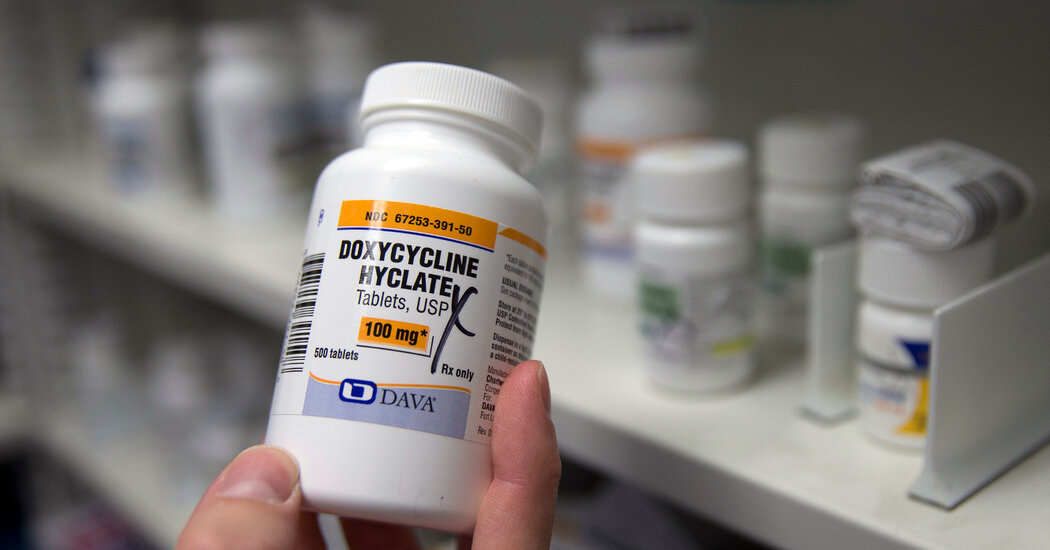
San Francisco health officials reported that a single dose of doxycycline, taken after sex, halved the incidence of chlamydia and early syphilis among gay and bisexual men and transgender women in the city. This strategy, known as doxy-PEP, resulted in a significant drop in new cases of chlamydia and early syphilis over the course of about a year, offering hope amid a rising tide of sexually transmitted infections nationwide. Syphilis and chlamydia rates have been on the rise, making strategies like doxy-PEP sorely needed for STI prevention.
Cases of congenital syphilis in newborns more than doubled in Chicago in just two years, mirroring a national trend. The surge in cases is almost entirely preventable, and public health experts attribute it to a lack of testing, strong public health messaging, and poor access to healthcare and insurance. The problem is compounded by the COVID-19 pandemic, which shifted attention away from syphilis prevention and treatment. The majority of congenital syphilis cases in Chicago occur in babies born to Black people, with neighborhoods on the South and West sides being hit the hardest. Public health groups are working to raise awareness and provide testing and treatment directly in communities and emergency rooms. Early testing in pregnancy is crucial for prevention, and resources are available to support healthcare providers in treating pregnant patients and newborns with syphilis.