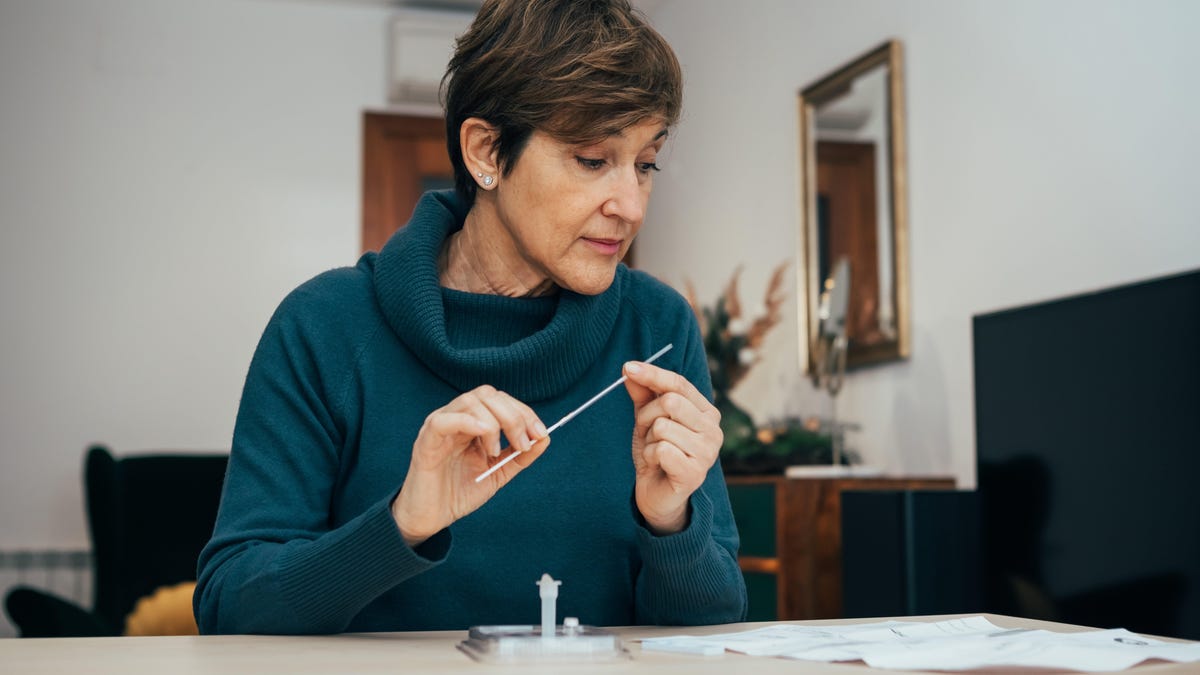
The landscape of STI prevention has expanded beyond traditional condom use to include vaccines, medications like PrEP and PEP, and home testing kits, offering more discreet and convenient options for sexual health care. These advancements aim to reduce stigma and increase accessibility, though they may not be equally available to all due to cost and other barriers. Innovations like doxyPEP and new testing methods are part of a broader effort to improve STI prevention and treatment, with ongoing research into more inclusive and effective solutions.

A new HPV-testing tampon by Daye allows women to screen for the virus at home, aiming to increase testing rates and help eliminate cervical cancer by 2040. The tampon collects cell samples that can be sent to a lab, with results available in 5-10 days.
As COVID cases rise due to the Eris variant, it's important to understand the difference between standard at-home tests (rapid antigen tests) and PCR tests, which are considered the "gold standard" for accurate testing. Rapid antigen tests can only detect active virus and may produce false negatives, while PCR tests can detect even small amounts of the virus and are reliable starting 1-3 days before symptoms. PCR tests are harder to find now, but options include urgent care clinics, travel testing sites, and at-home rapid molecular tests such as Lucira, Cue, and Metrix. These tests are more accessible now and can help prevent the spread of COVID, especially for immunocompromised individuals.
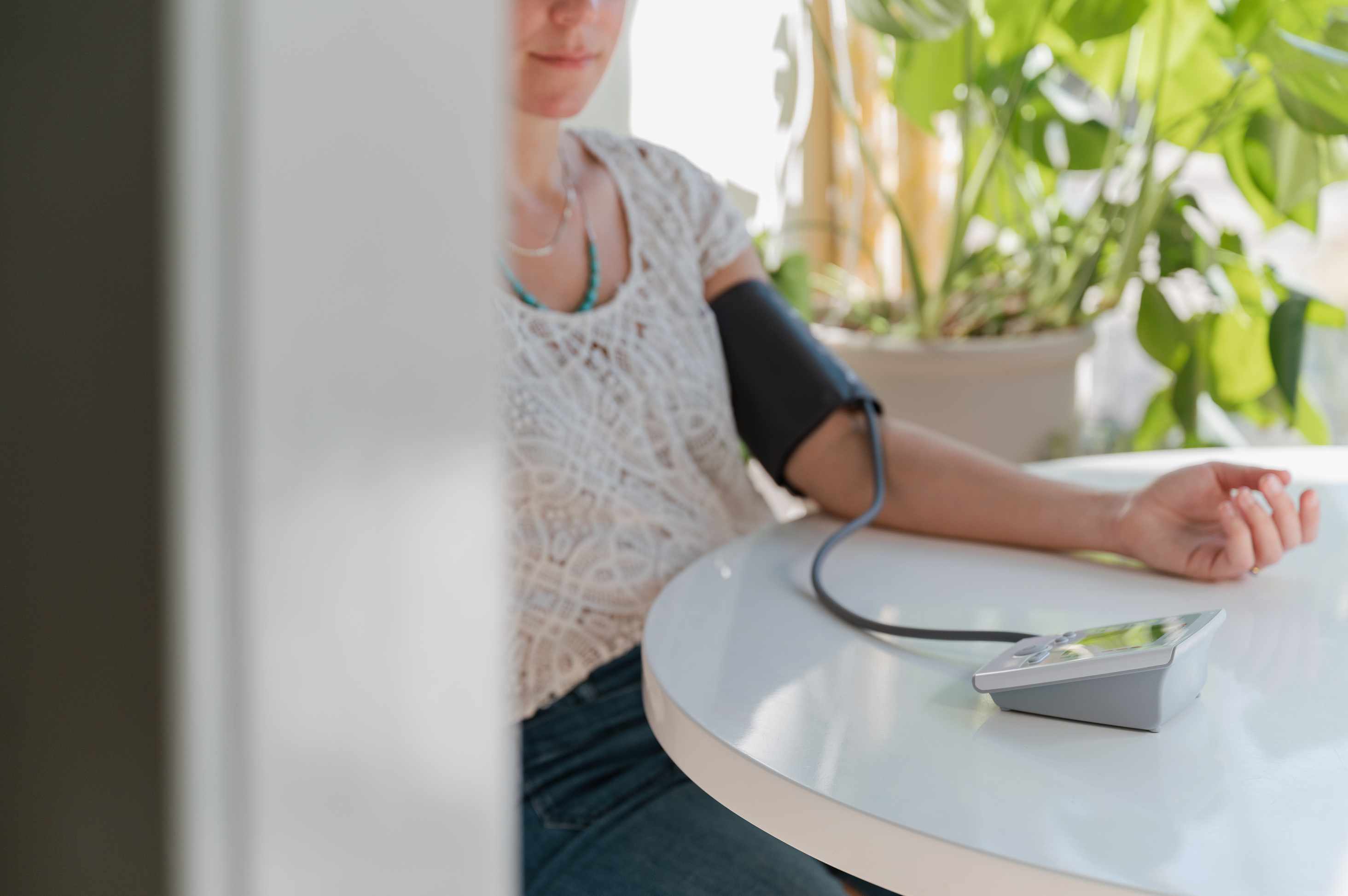
Blood pressure readings can vary significantly between doctor's visits, making it difficult to accurately assess someone's blood pressure. Experts recommend that individuals with hypertension take their measurements more frequently at home to help doctors figure out what's actually going on. A high-quality blood pressure cuff is crucial for accurate results, and individuals should sit quietly for a few minutes before taking the measurement. Monitoring blood pressure at home may also be good practice for people whose blood pressure readings are especially variable between doctor's visits.