
Tag

Stellar Debris

All articles tagged with #stellar debris

"Unveiling the Enigma: ASASSN-14li's Devastating Encounter with a Monstrous Black Hole"
astronomy2 years ago

"Unveiling the Enigma: ASASSN-14li's Devastating Encounter with a Monstrous Black Hole"

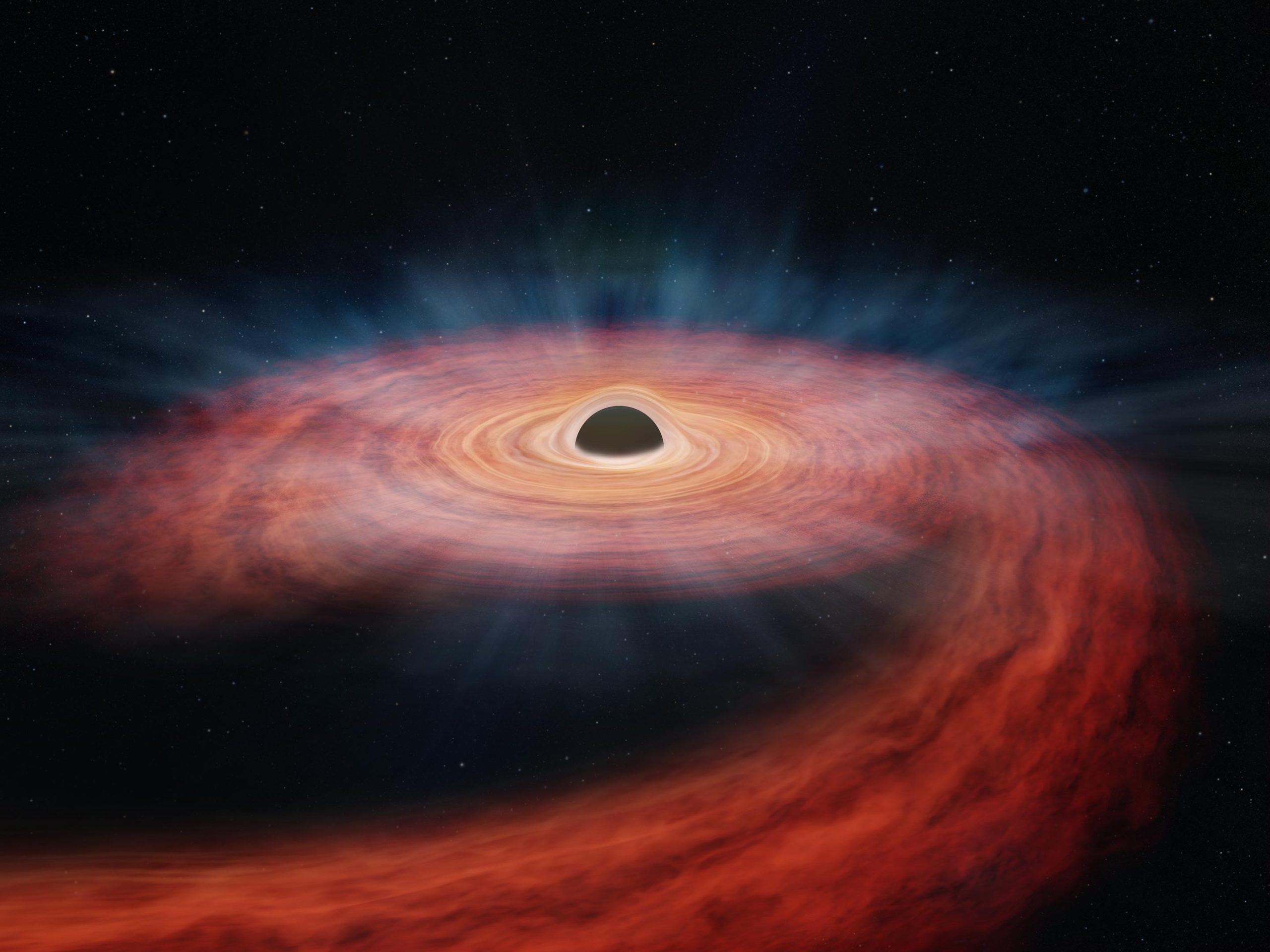
Astronomers using NASA's Chandra X-ray Observatory and ESA's XMM-Newton have discovered that a giant black hole destroyed a large star, resulting in a tidal disruption event (TDE) called ASASSN-14li. By analyzing the X-ray data, researchers determined that the star was three times the mass of the Sun, making it one of the largest stars ever known to be devastated in a TDE. The study provides valuable insights into the elements contained in the stellar debris field and has implications for identifying star clusters around supermassive black holes in distant galaxies.
Unveiling the Surprising Origins of Gravitational Waves: Dying Stars' Cocoons
science-and-technology2 years ago

Unveiling the Surprising Origins of Gravitational Waves: Dying Stars' Cocoons

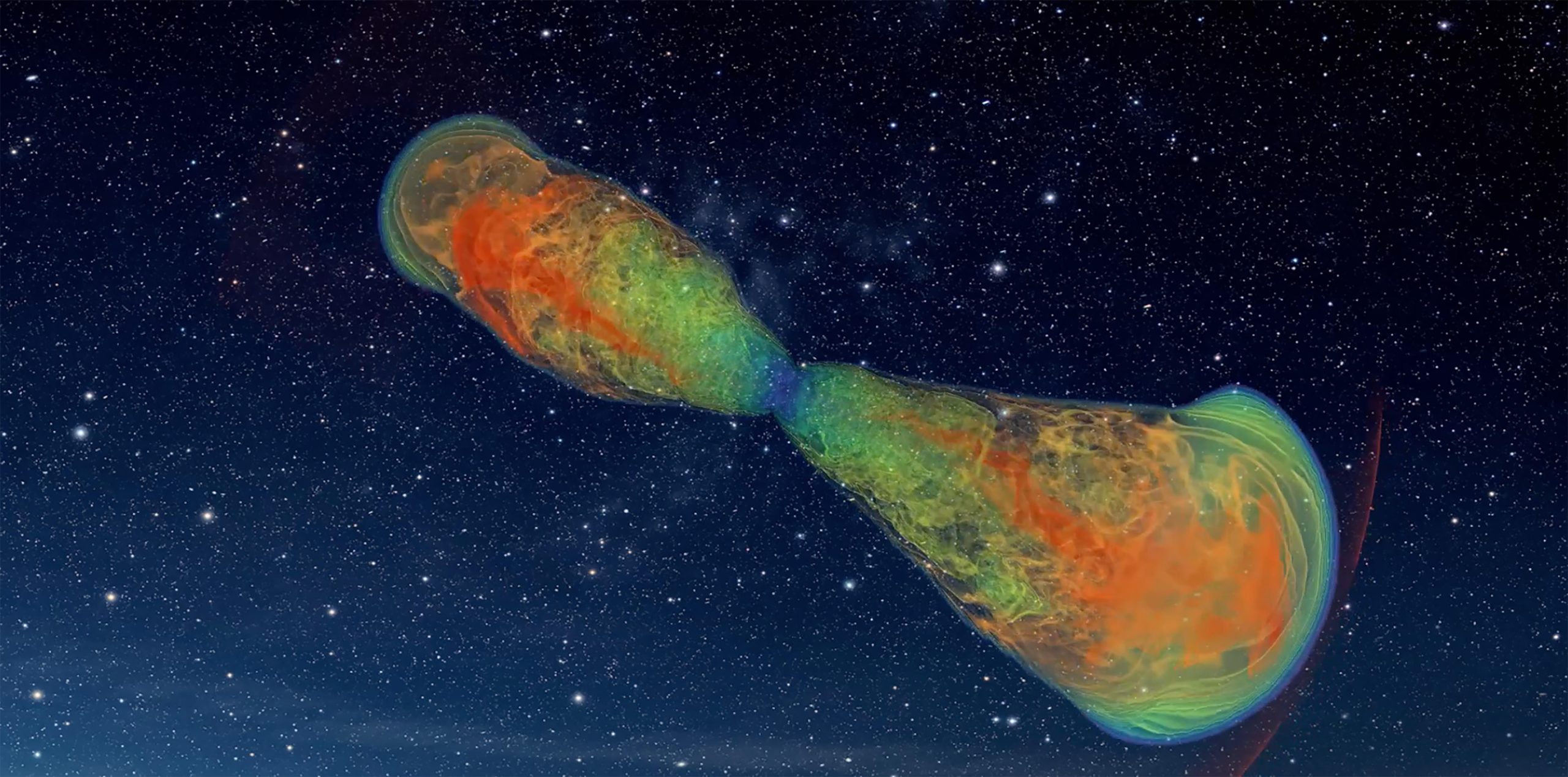
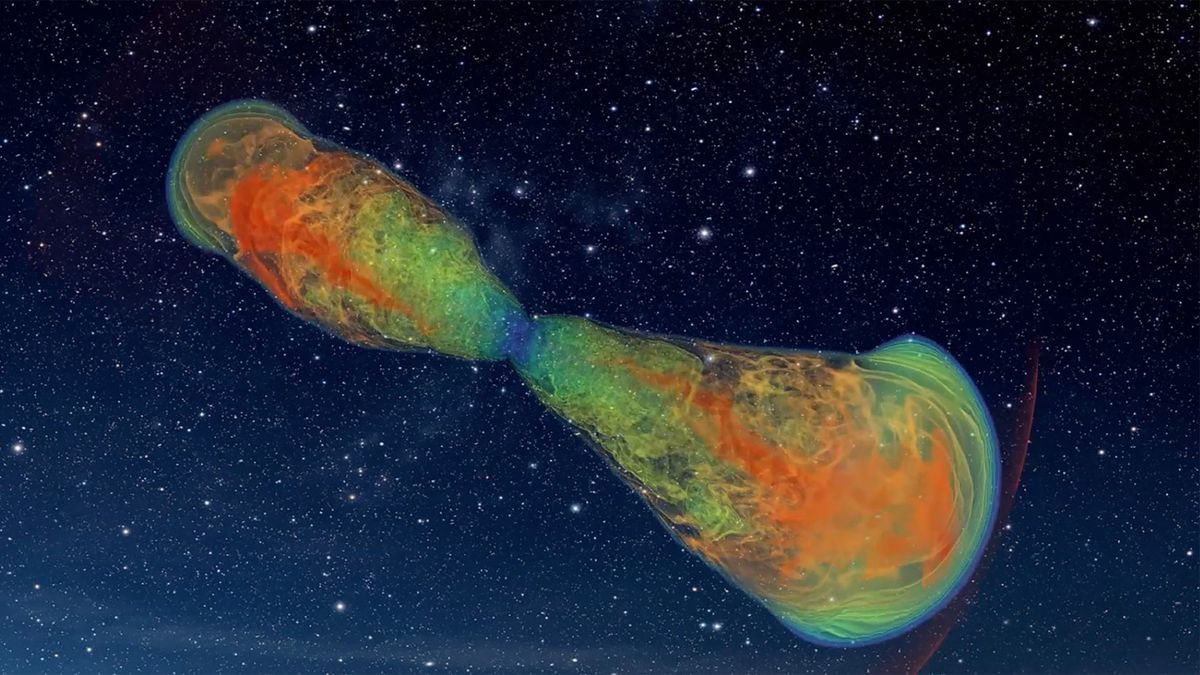
Researchers from Northwestern University propose that the turbulent cocoons of debris surrounding dying massive stars could be a new and unexpected source of gravitational waves. Using state-of-the-art simulations, they found that these cocoons can emit detectable gravitational waves within the frequency band that the Laser Interferometer Gravitational-Wave Observatory (LIGO) can detect. This suggests that LIGO could potentially detect the first non-binary source of gravitational waves from these cocoons. The researchers call for further investigation into cocoons as a source of gravitational waves, which could provide insights into the inner workings of stars and the properties of jets in stellar explosions.

"Cocooned Dying Stars Could Emit Gravitational Waves, Study Shows"
science-and-astronomy2 years ago

"Cocooned Dying Stars Could Emit Gravitational Waves, Study Shows"

'Cocoons' of debris around dying stars may be a new source of gravitational waves, according to a new study. When massive stars collapse to form black holes, their stellar material forms a cloud-like cocoon of debris, which is a potential source of gravitational waves that has never been investigated before. These elusive space-time ripples are also emitted by the universe's solo members and may even be powerful enough to be picked up by instruments on Earth.