Valve's SteamOS 3.7.20 beta introduces the NTSYNC kernel driver to enhance Windows NT synchronization primitives, supporting upcoming improvements in Wine and Proton for better performance in Steam Play, with the driver now loaded by default.
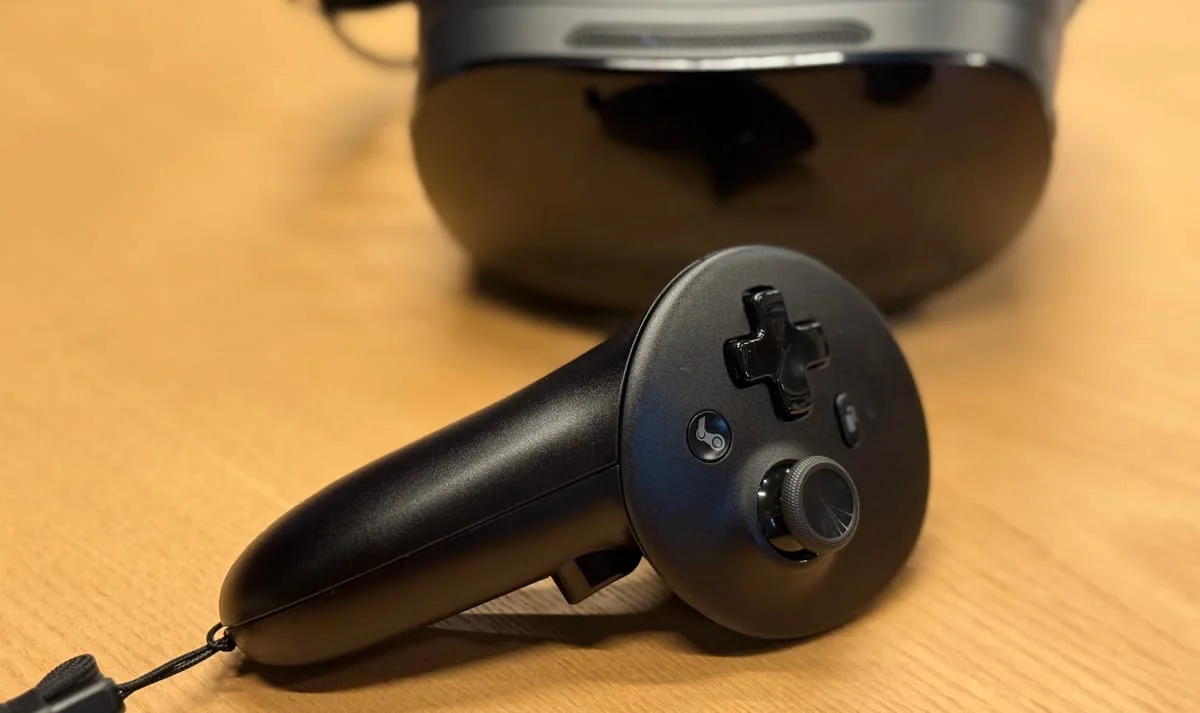
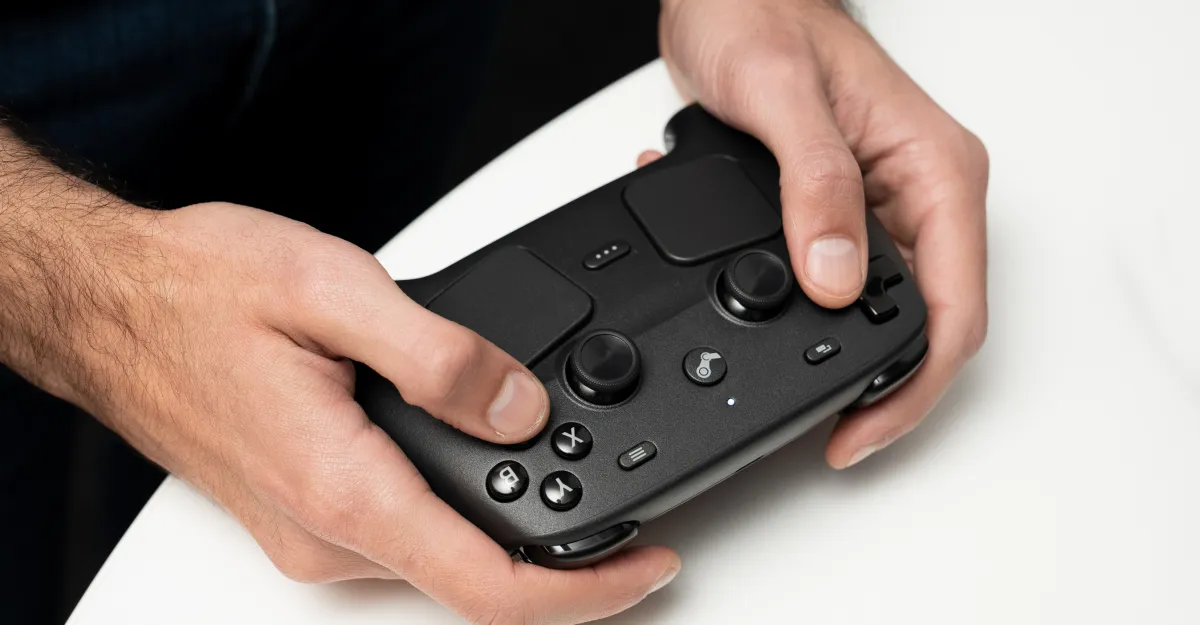
The article discusses how Valve's Steam Frame and SteamOS leverage open source technologies, Flatpak packaging, and Linux to create a flexible, open gaming environment that encourages experimentation, customization, and community contributions, contrasting with more closed ecosystems like Meta's Quest.
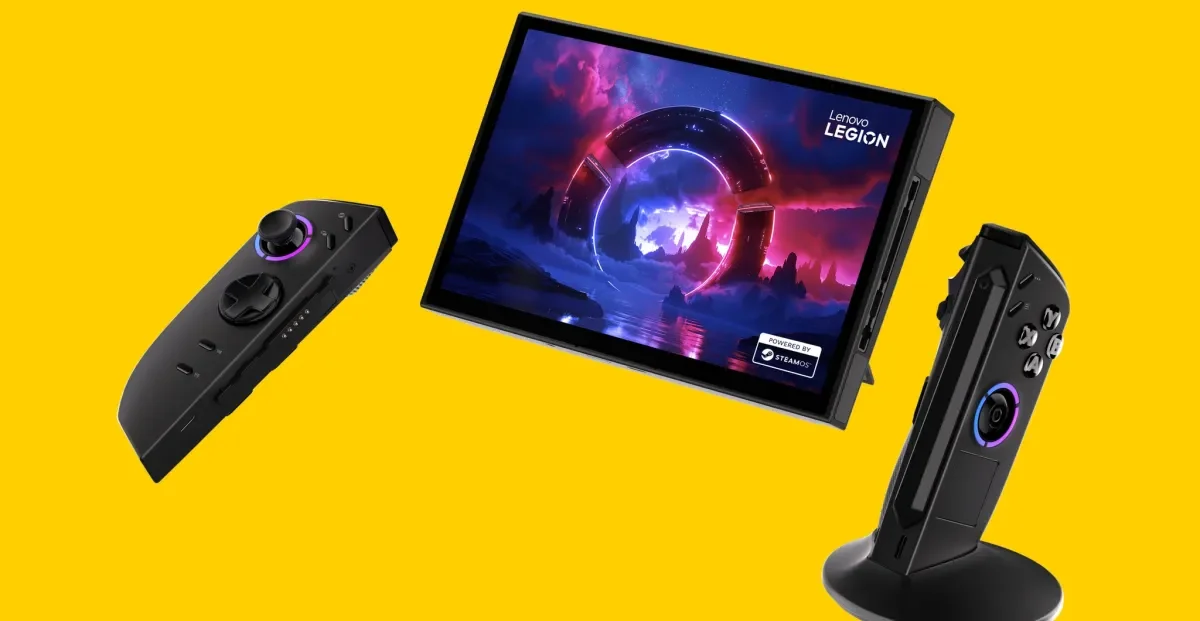
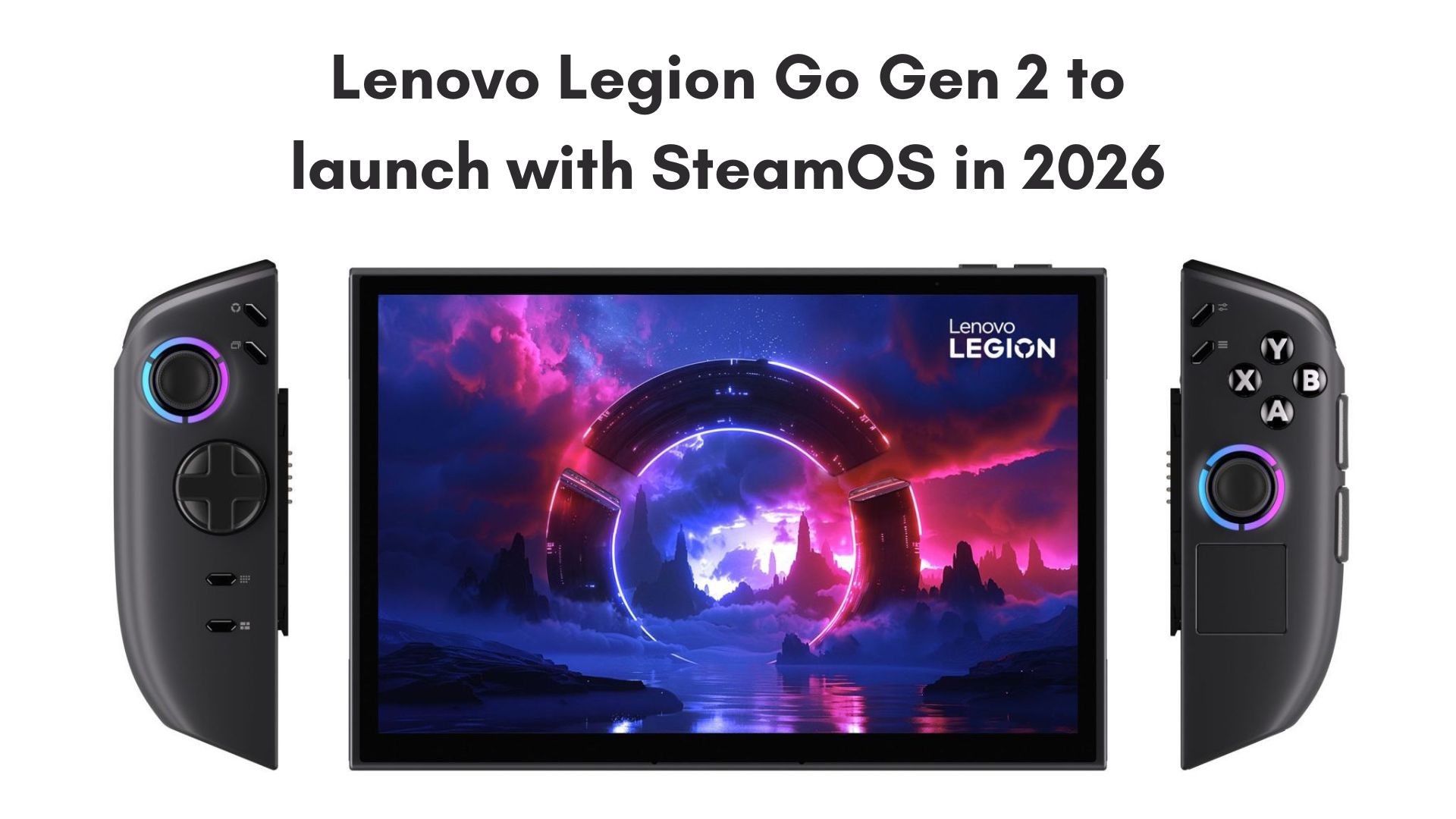
Lenovo is launching the Legion Go 2, a premium handheld gaming device with SteamOS, detachable controllers, and the most advanced screen in a handheld yet, starting at $1,199 in June 2026, offering a performance boost over Windows versions and competing with other high-end gaming handhelds.
Valve has significantly advanced its SteamOS Linux-based operating system, making it a strong competitor to Windows for PC gaming, especially with the success of Proton that allows Windows games to run seamlessly on Linux. This shift is challenging Microsoft's dominance in PC gaming, as more gamers and manufacturers adopt SteamOS for better performance and flexibility, including on Arm hardware, signaling a potential future where Windows is no longer the default gaming platform.
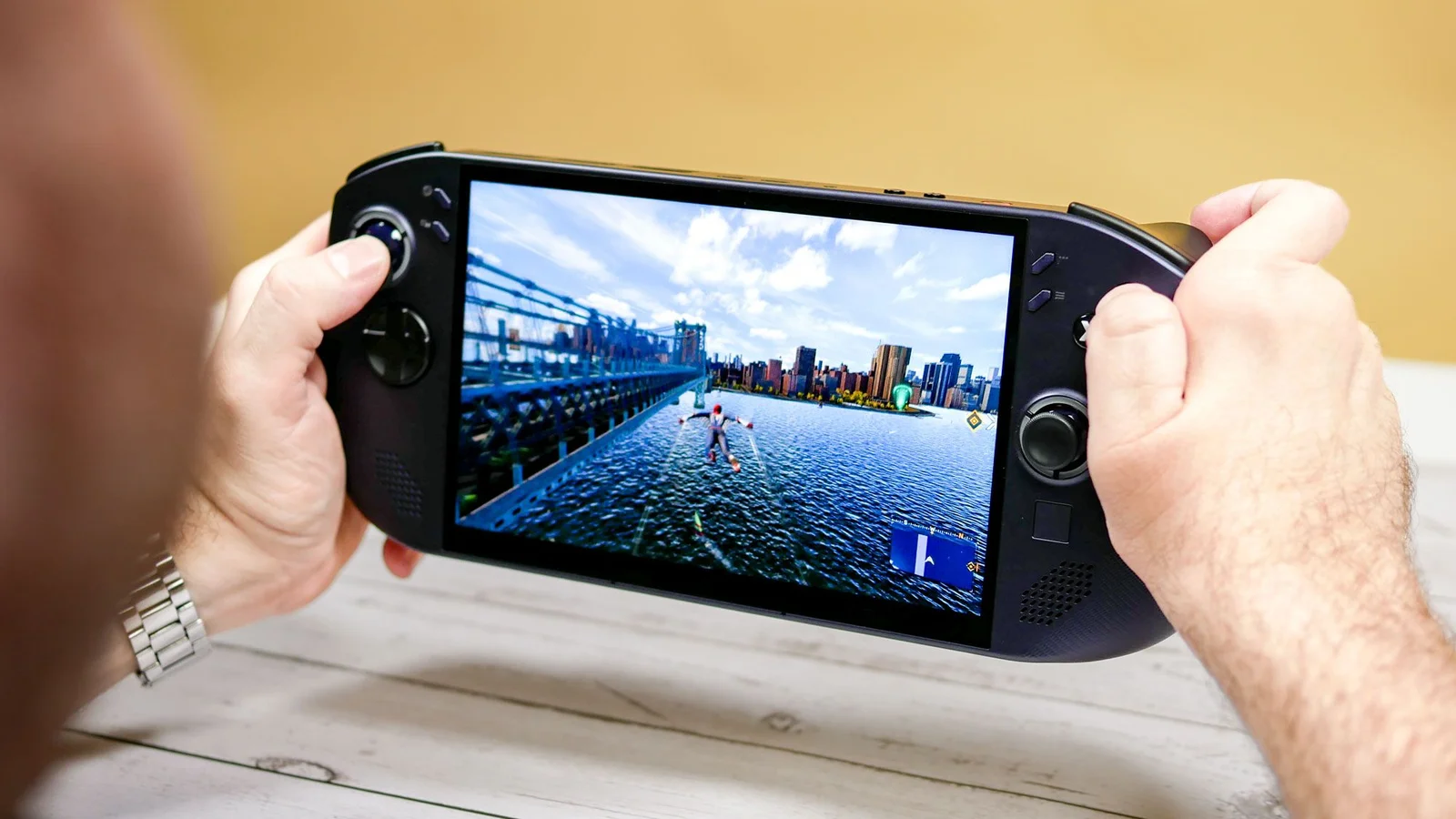
The Lenovo Legion Go S with SteamOS is the standout handheld gaming device of 2025, praised for its user-friendly SteamOS, solid performance with AMD Ryzen Z1 Extreme, ergonomic design, and ease of setup, making it a top choice for portable gaming enthusiasts.
Bazzite, a Linux-based gaming OS similar to SteamOS, is gaining popularity among gamers, especially after Windows 10's end of life, with around 50,000 weekly users. While Linux gaming has improved significantly thanks to Proton, limitations like anti-cheat restrictions and lack of native support for certain software remain. Despite these challenges, Linux's growth in gaming highlights its increasing viability as an alternative to Windows for gamers.
Lenovo is launching a SteamOS version of the Legion Go 2 handheld at CES 2026, featuring the same powerful hardware as the Windows 11 version but optimized for gaming with SteamOS, which offers better performance, battery life, and a console-like experience for portable gaming enthusiasts.
Valve's Steam Deck with SteamOS features an opt-in system for collecting crash and system event data to help improve hardware and software performance, with detailed insights shared at the Linux Plumbers Conference.
Valve is developing open-source technologies like Proton and Fex to enable Windows games to run seamlessly on Arm-based devices, including phones, laptops, and desktops, potentially leading to a future where PC gaming is accessible across a wide range of hardware without the need for extensive porting efforts.
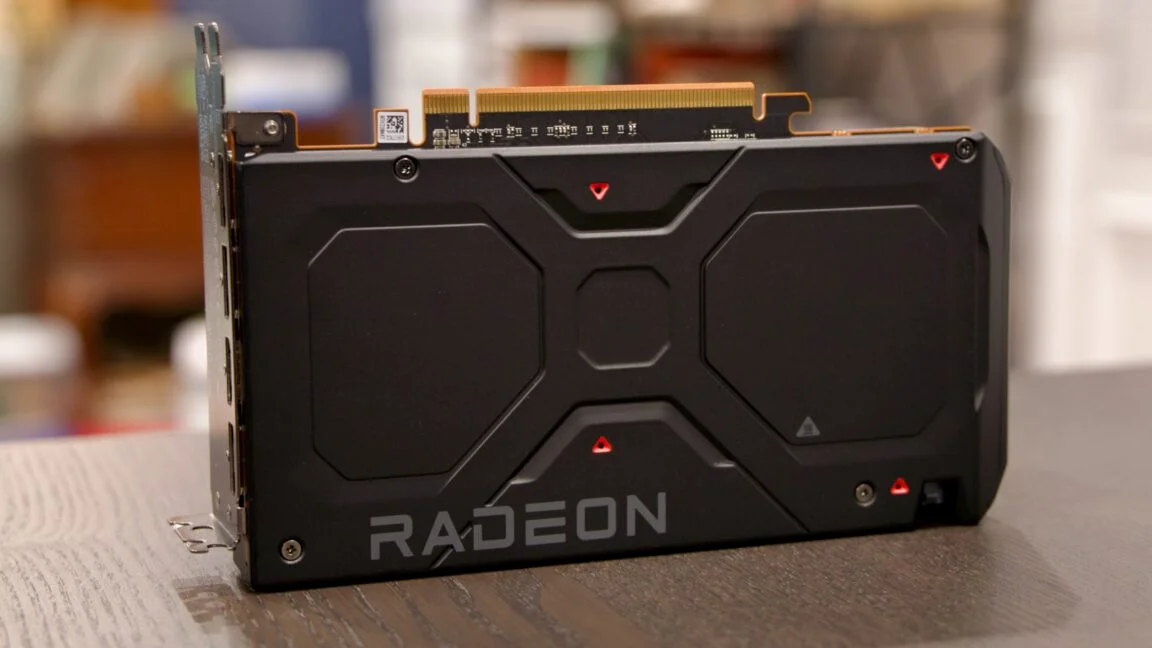
Testing reveals that the Steam Machine's 8GB of graphics RAM may limit gaming performance, especially with ray-traced games, and Valve is working on software updates to address these issues, but some performance bottlenecks are expected due to RAM constraints.
Valve is expanding into the mobile realm with the Steam Frame, a device that supports Android apps and games, especially VR titles, by allowing developers to bring their APKs directly to Steam. The device aims to seamlessly integrate Android apps into Steam's ecosystem, potentially paving the way for broader use of SteamOS on various ARM devices, including laptops and handhelds. Valve's approach emphasizes native performance and developer support, with future plans for web app integration and sideloading Android APKs.
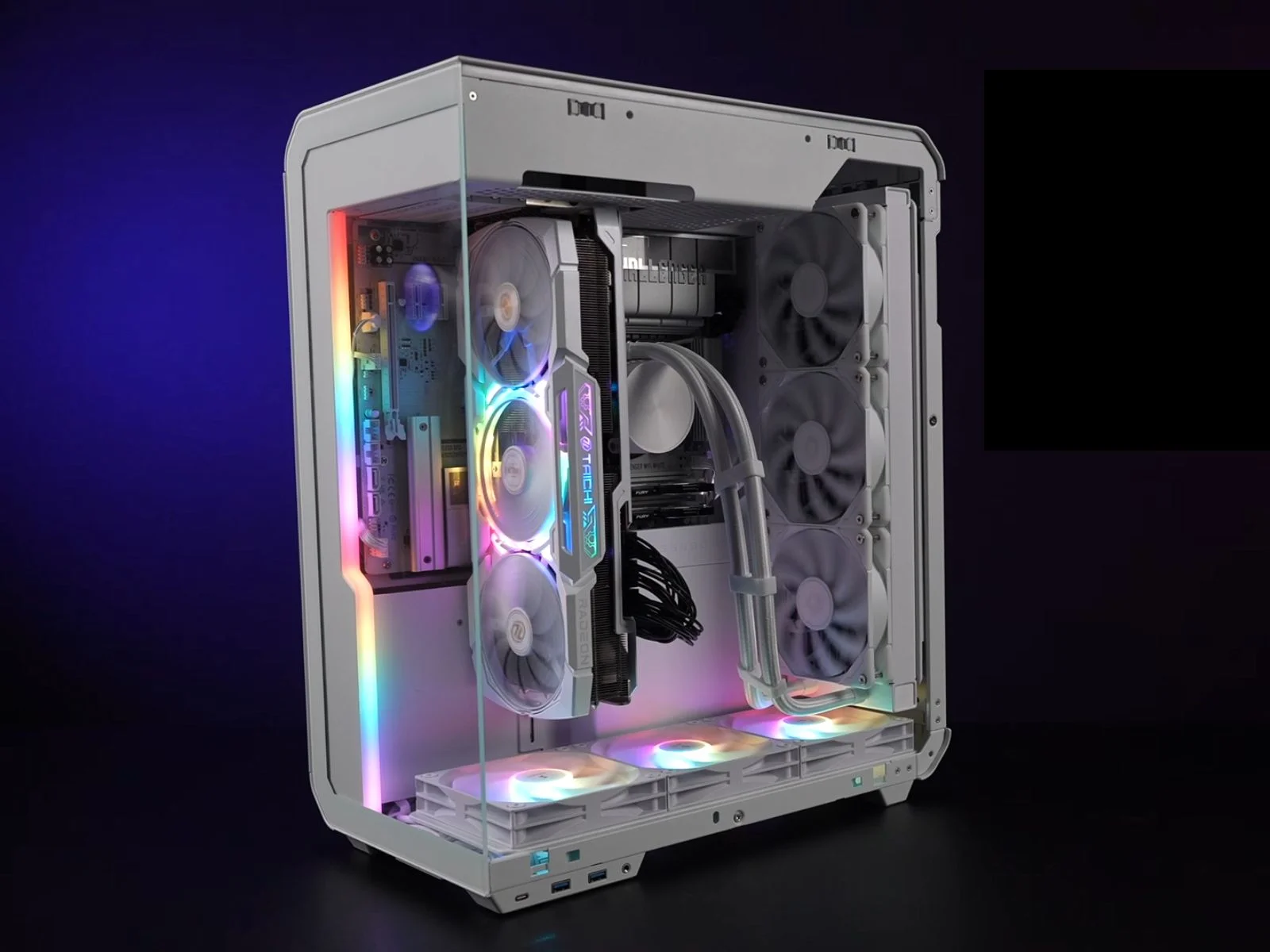
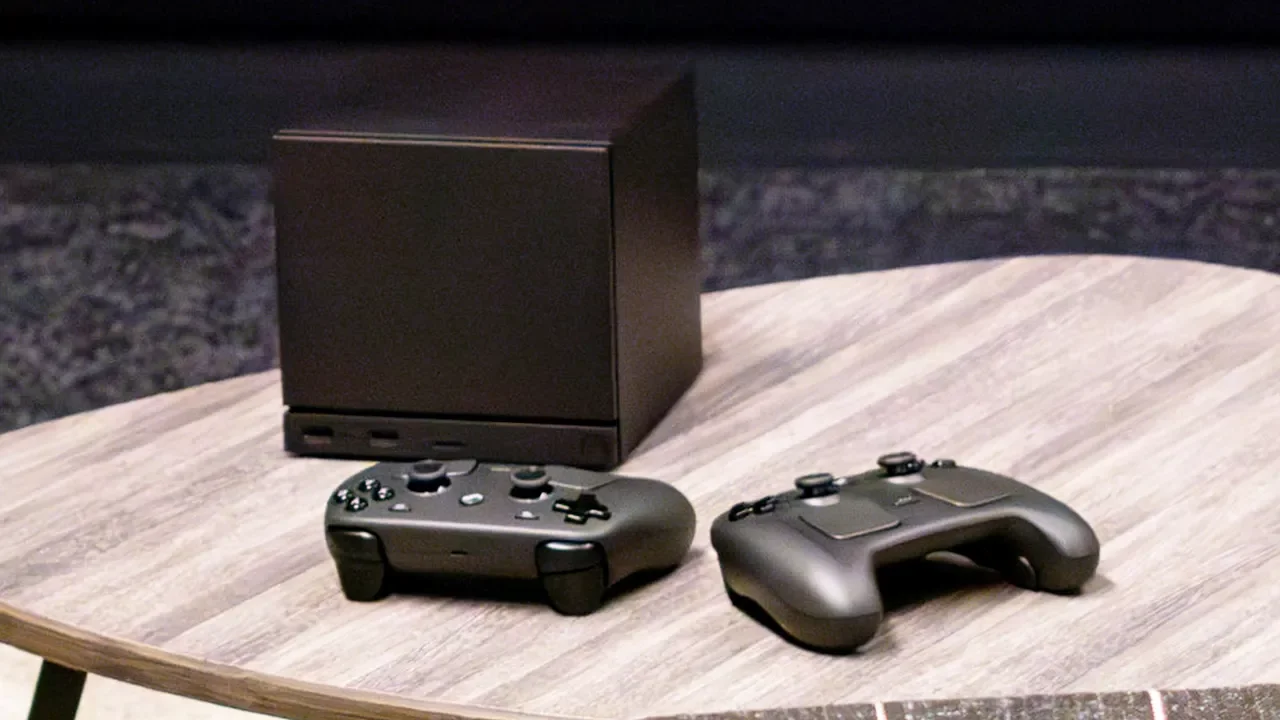
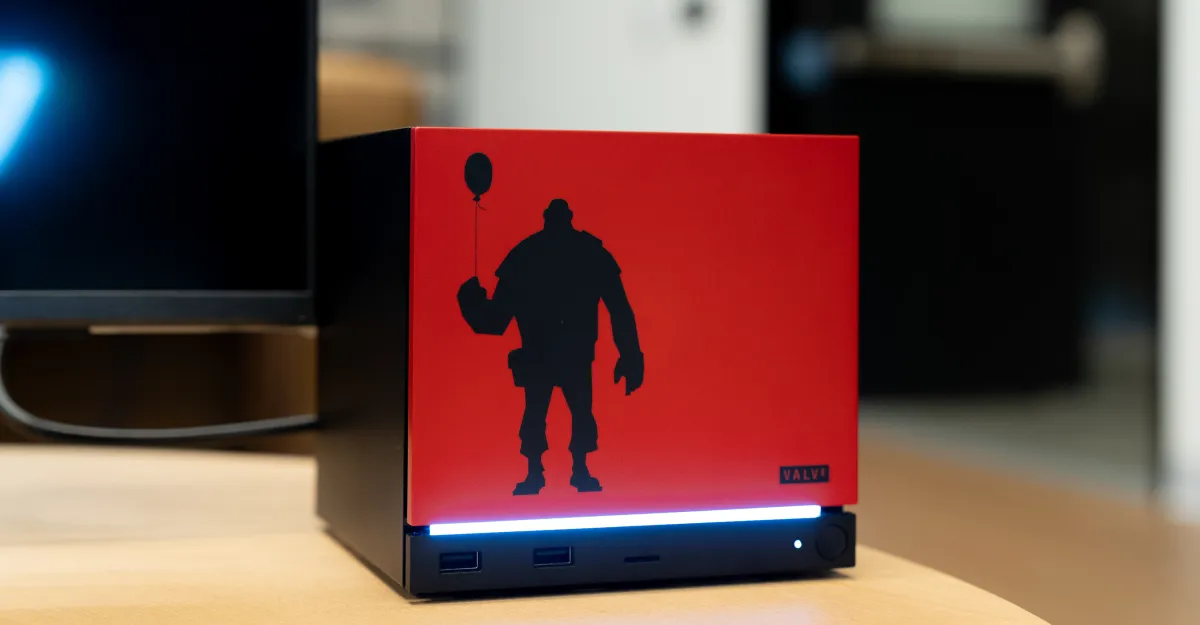
Valve is returning to the Steam Machine with a new, compact gaming PC featuring an AMD RDNA 3 GPU, capable of running most games at 4K with upscaling, designed for living room gaming and targeting console-like simplicity, though full details on price and performance are yet to be announced.
Valve is launching a new, more powerful Steam Machine in early 2026, aiming to compete with Xbox and PlayStation. It is a 6-inch cube that runs SteamOS and uses Proton for Windows game compatibility, offering a stationary gaming experience with the power and convenience that surpasses the Steam Deck, including faster updates and better performance.
The Steam Deck and Steam Deck OLED have received a SteamOS update that introduces a low-power mode allowing users to continue downloads with the screen off, significantly improving battery life during updates, a feature long requested by users.
The Steam Deck, a popular handheld gaming PC, is currently discounted by 20% to $319 for the 256GB LCD model, available until October 6, making it an attractive deal compared to other consoles. The article highlights the device's performance, compatibility, and accessories, along with upcoming sales and upgrade options.