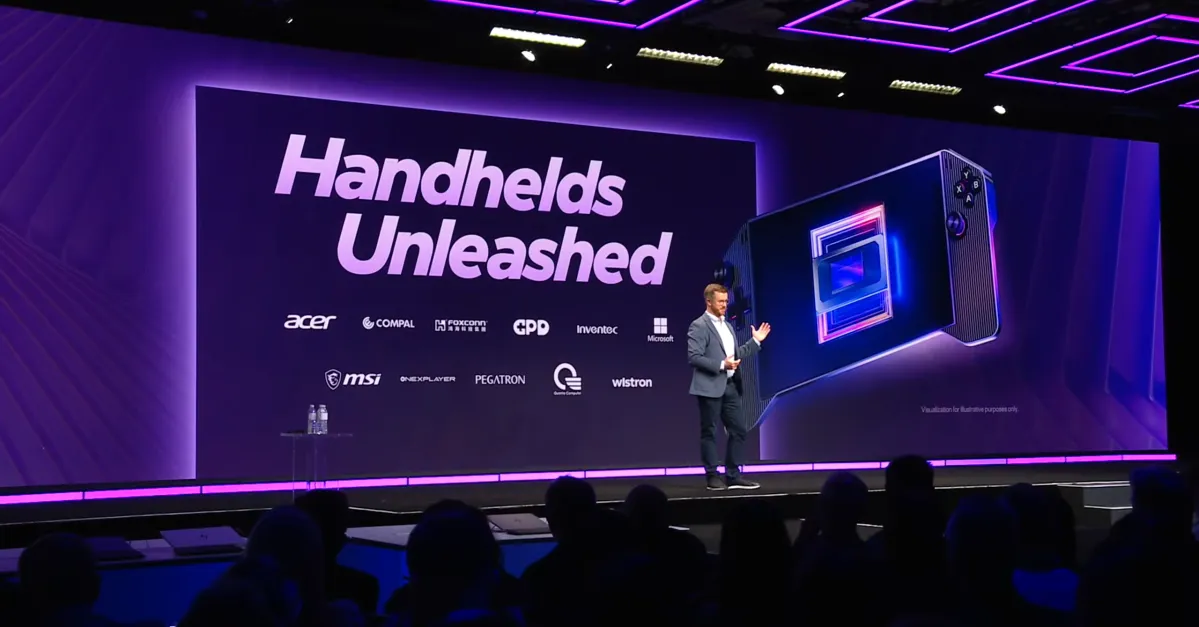
Intel's new Panther Lake CPUs, built on the 18A process, are set to challenge AMD's dominance in the handheld gaming PC market with significant improvements in gaming performance and battery life, potentially disrupting the current market leader and opening a new revenue stream for Intel.
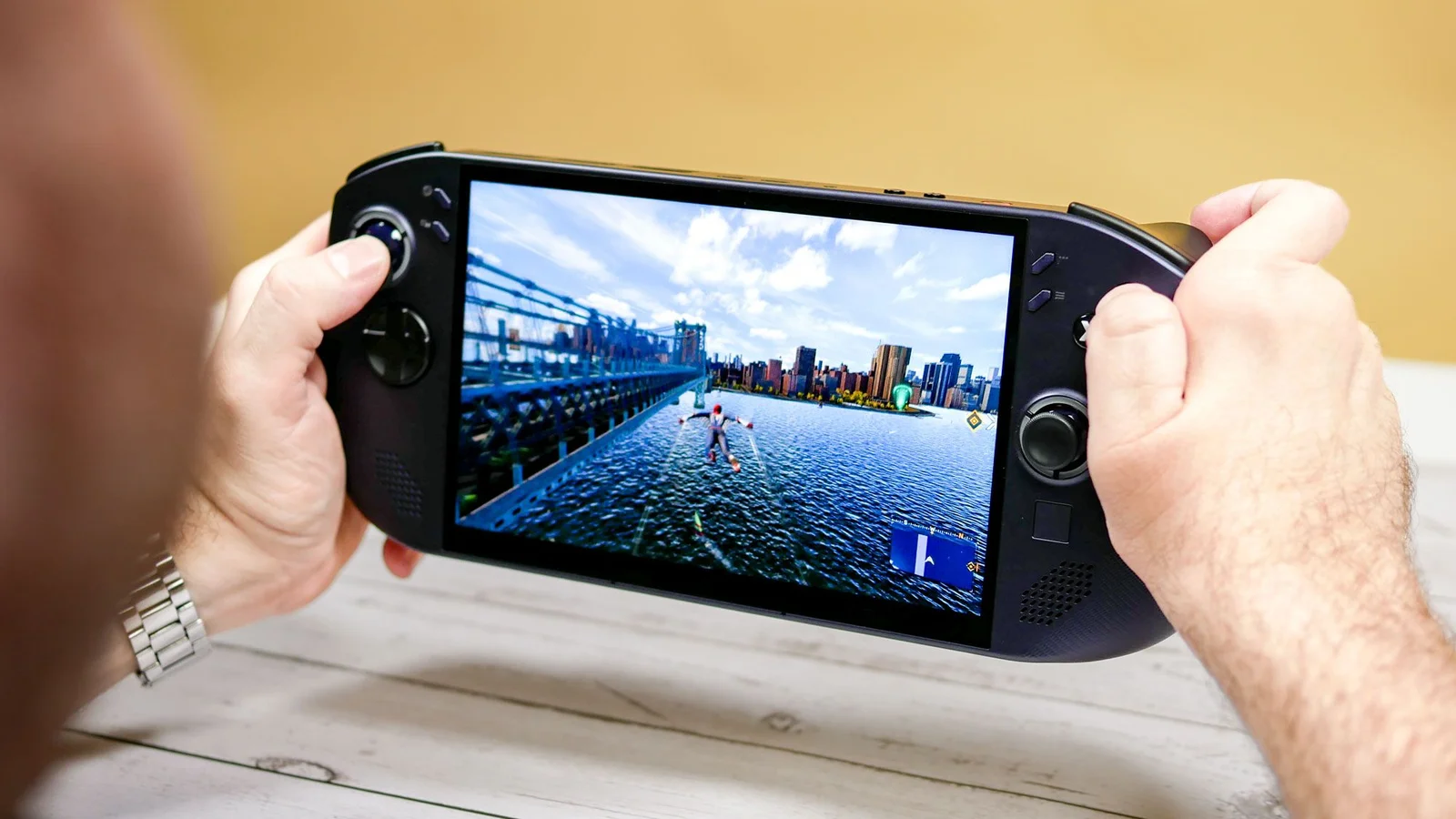
Intel is developing a custom version of its new Panther Lake CPUs specifically for handheld gaming devices, aiming to improve performance and competitiveness in the gaming handheld market amid rising competition from Qualcomm and AMD.
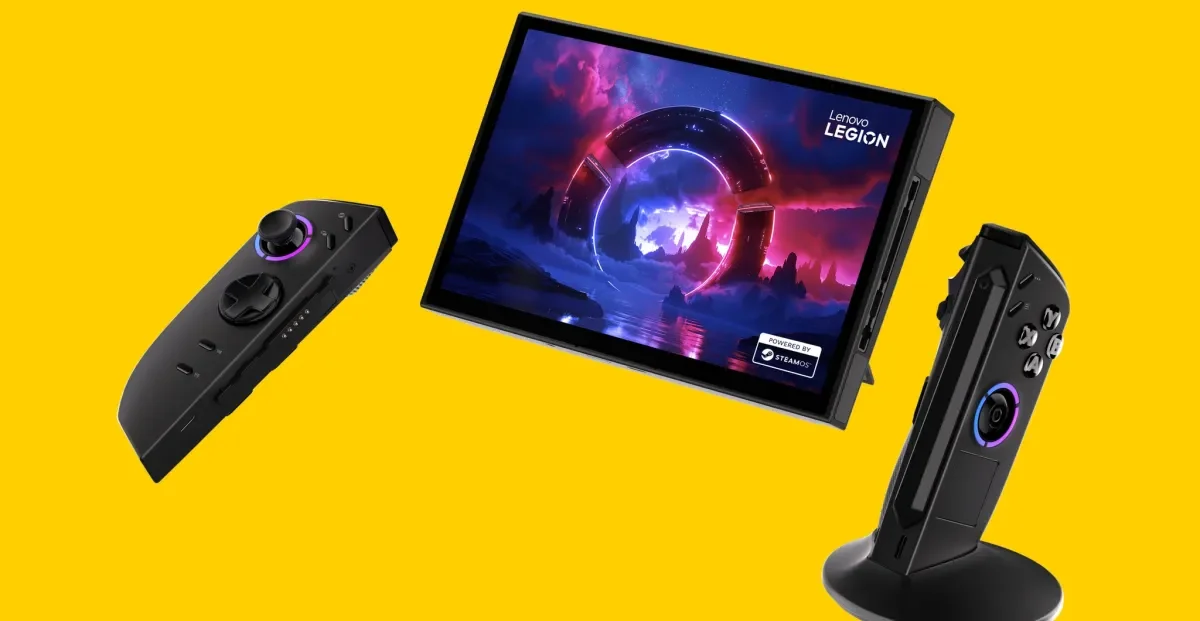
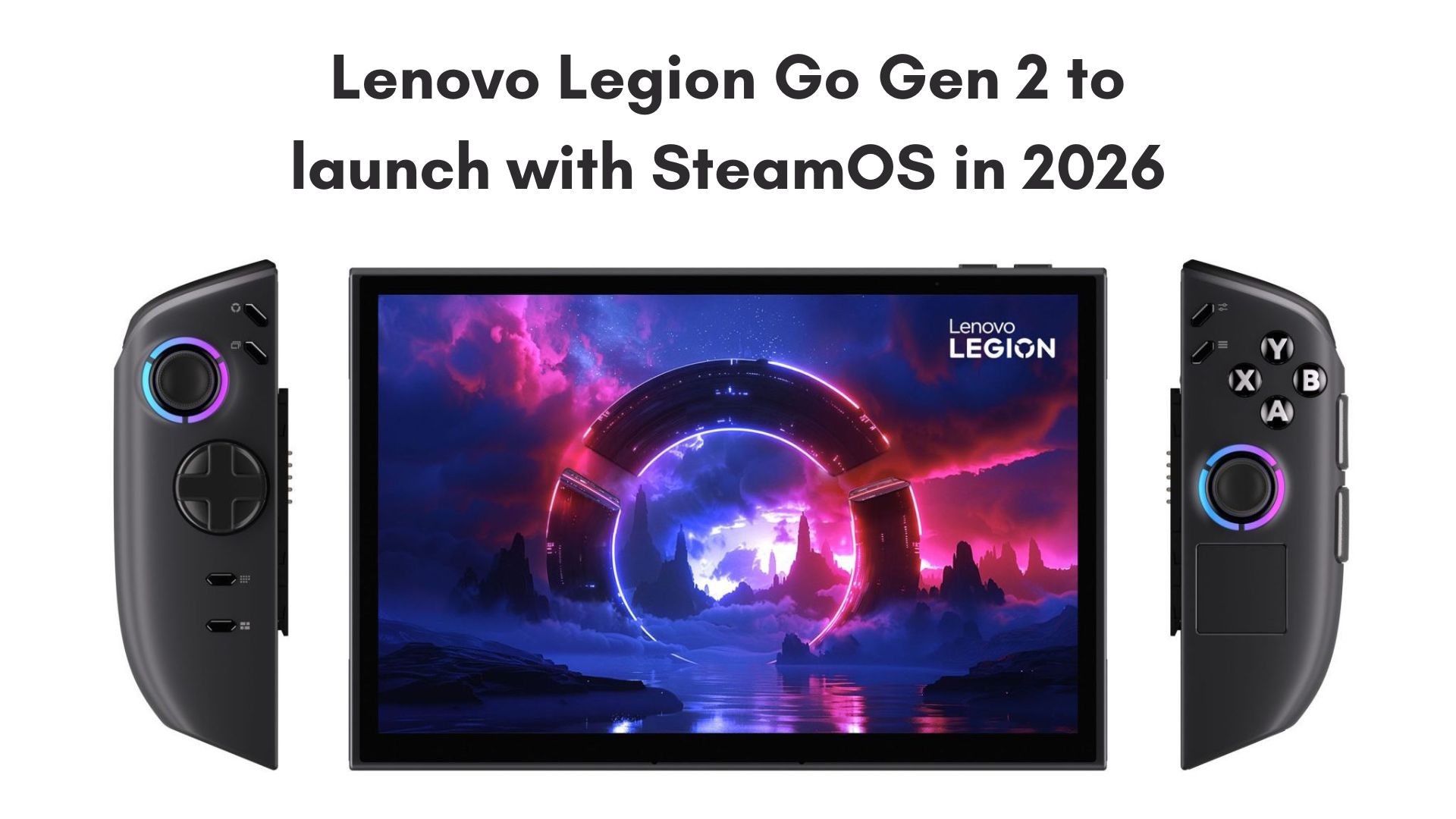
Lenovo is launching the Legion Go 2, a premium handheld gaming device with SteamOS, detachable controllers, and the most advanced screen in a handheld yet, starting at $1,199 in June 2026, offering a performance boost over Windows versions and competing with other high-end gaming handhelds.
The KTR2 handheld gaming device, with various configurations and prices ranging from approximately $142 to $284, is set to challenge the $100-$200 market segment, featuring a magnesium alloy build, Wi-Fi/4G connectivity, and active cooling, potentially making it a notable competitor among brands like Retroid and AYANEO.
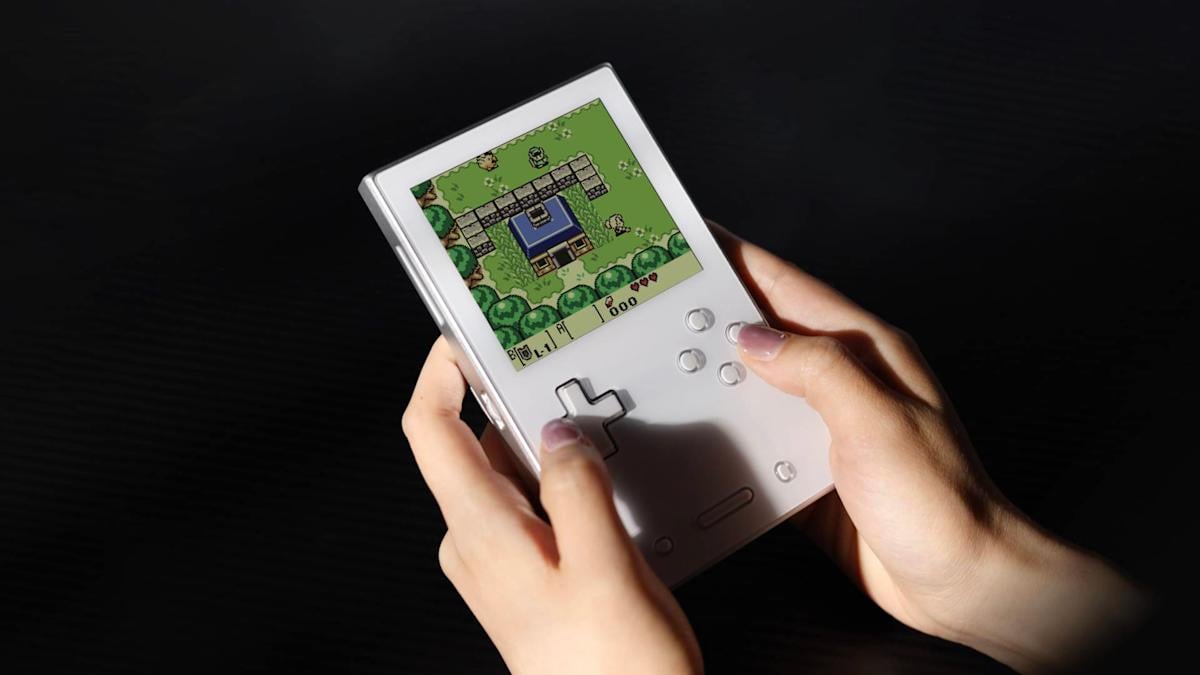
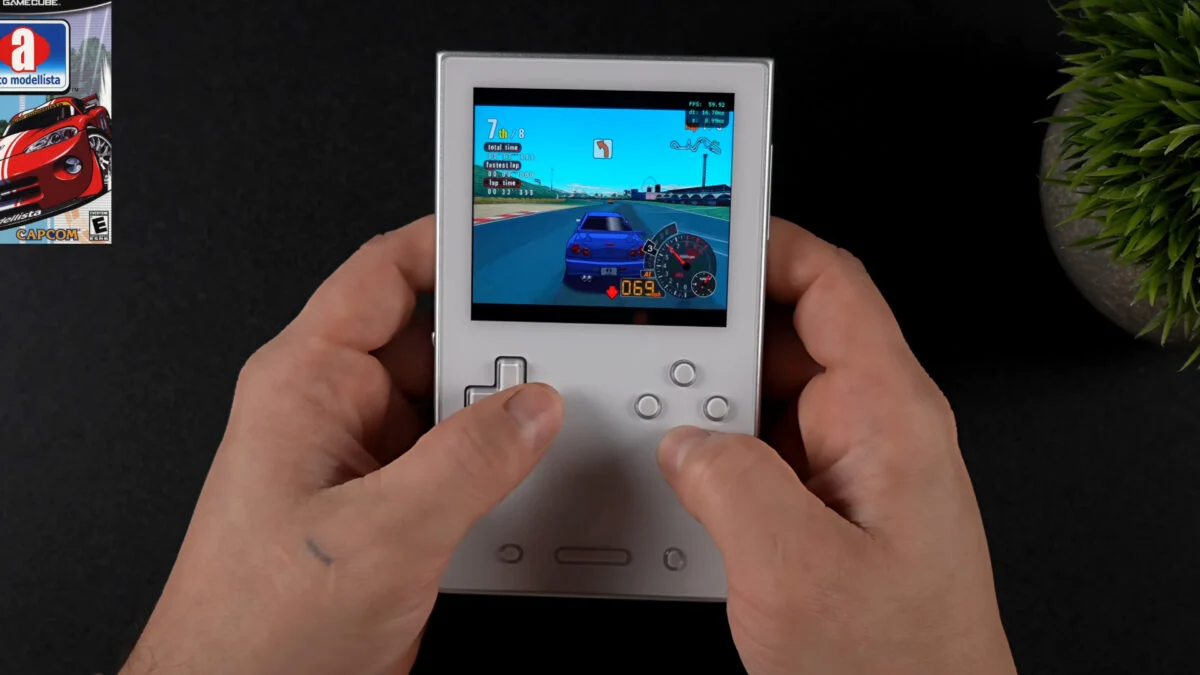
Ayaneo is releasing a more affordable Game Boy remake, the Pocket Vert, starting at $269 for early bird orders, featuring a 3.5-inch LCD, Snapdragon 8+ Gen 1 chip, and minimalist design, with prices increasing after the campaign.
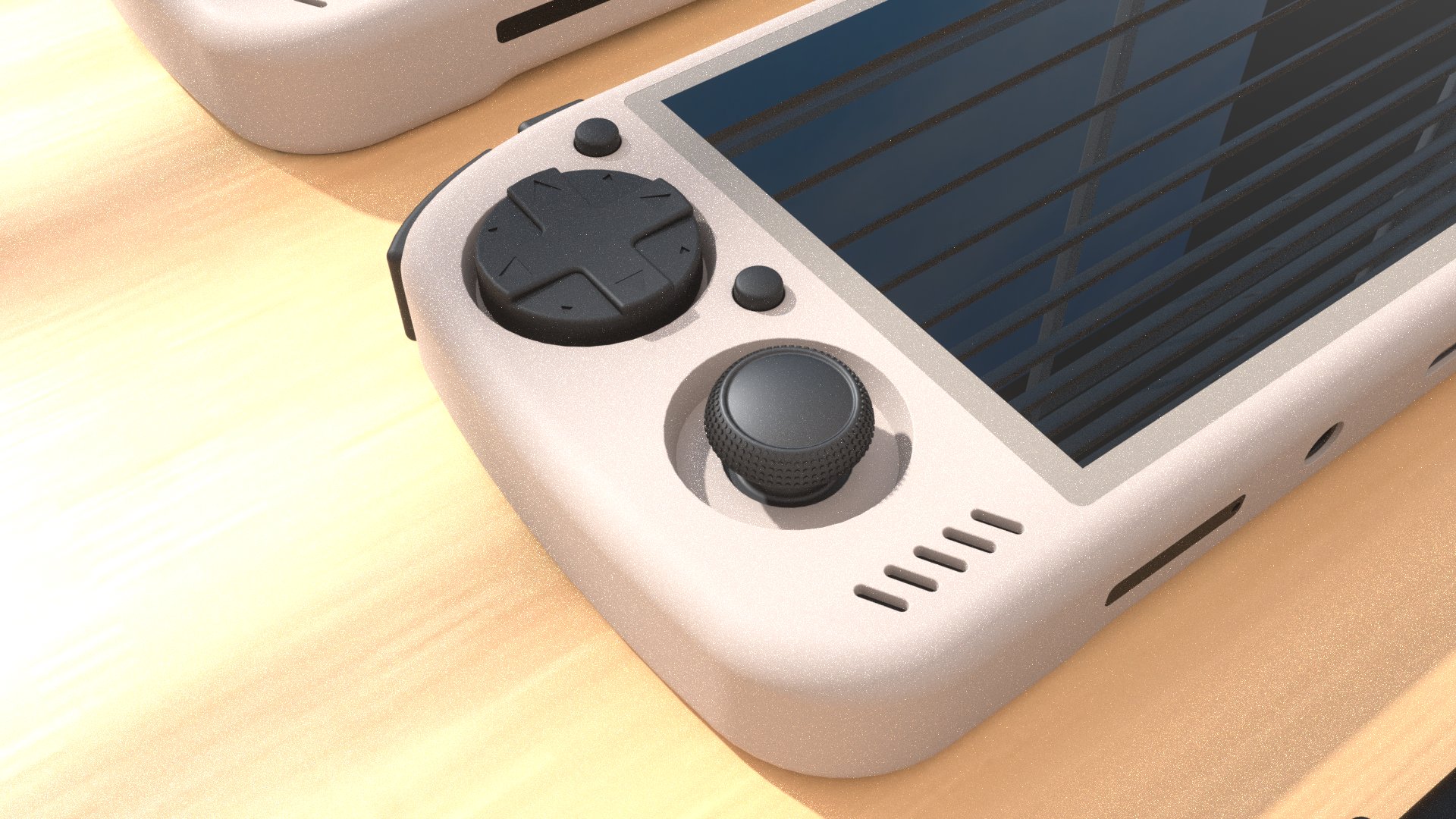
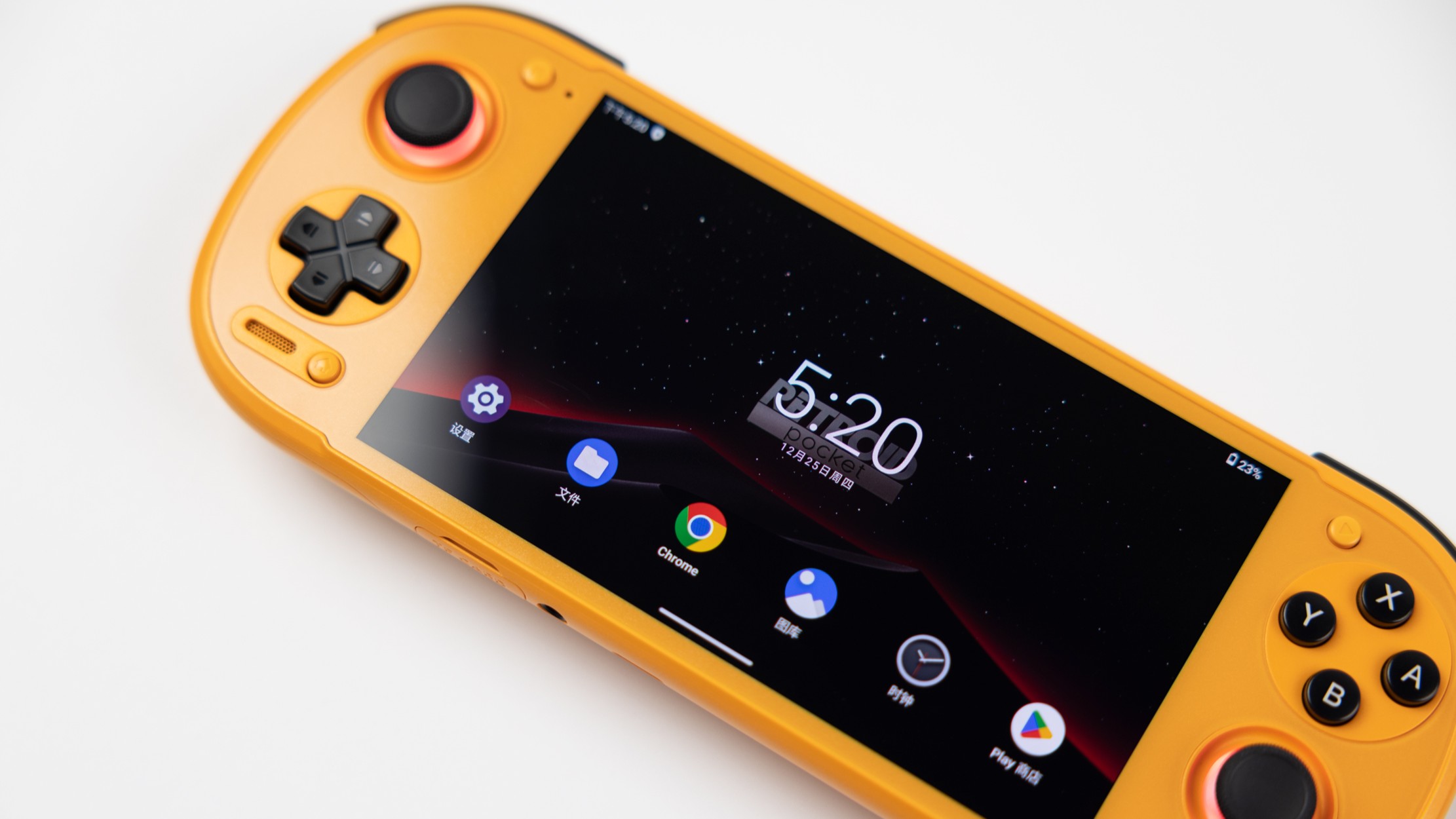
Retroid has released real-life images of its upcoming Retroid Pocket 6 handheld, giving fans a better look at the device before its initial and second batch shipments, expected in early January 2026 and March 2026 respectively.
The Lenovo Legion Go S with SteamOS is the standout handheld gaming device of 2025, praised for its user-friendly SteamOS, solid performance with AMD Ryzen Z1 Extreme, ergonomic design, and ease of setup, making it a top choice for portable gaming enthusiasts.
The Ayaneo Pocket Vert is a new vertical handheld gaming device capable of emulating Dreamcast, GameCube, and PS2 games, featuring a premium build, powerful specs, and a 3.5-inch touchscreen, with an expected release in early 2026.
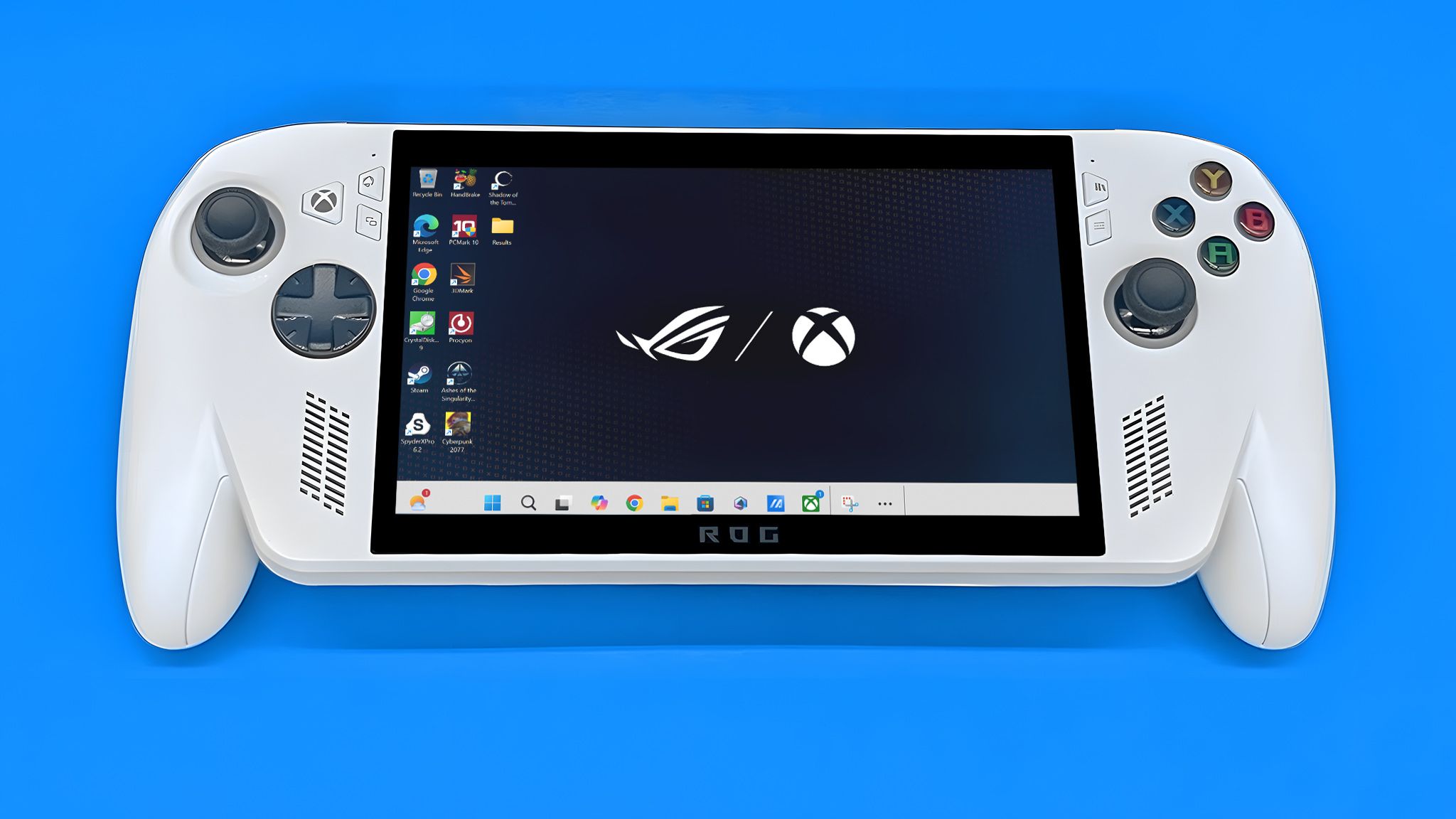
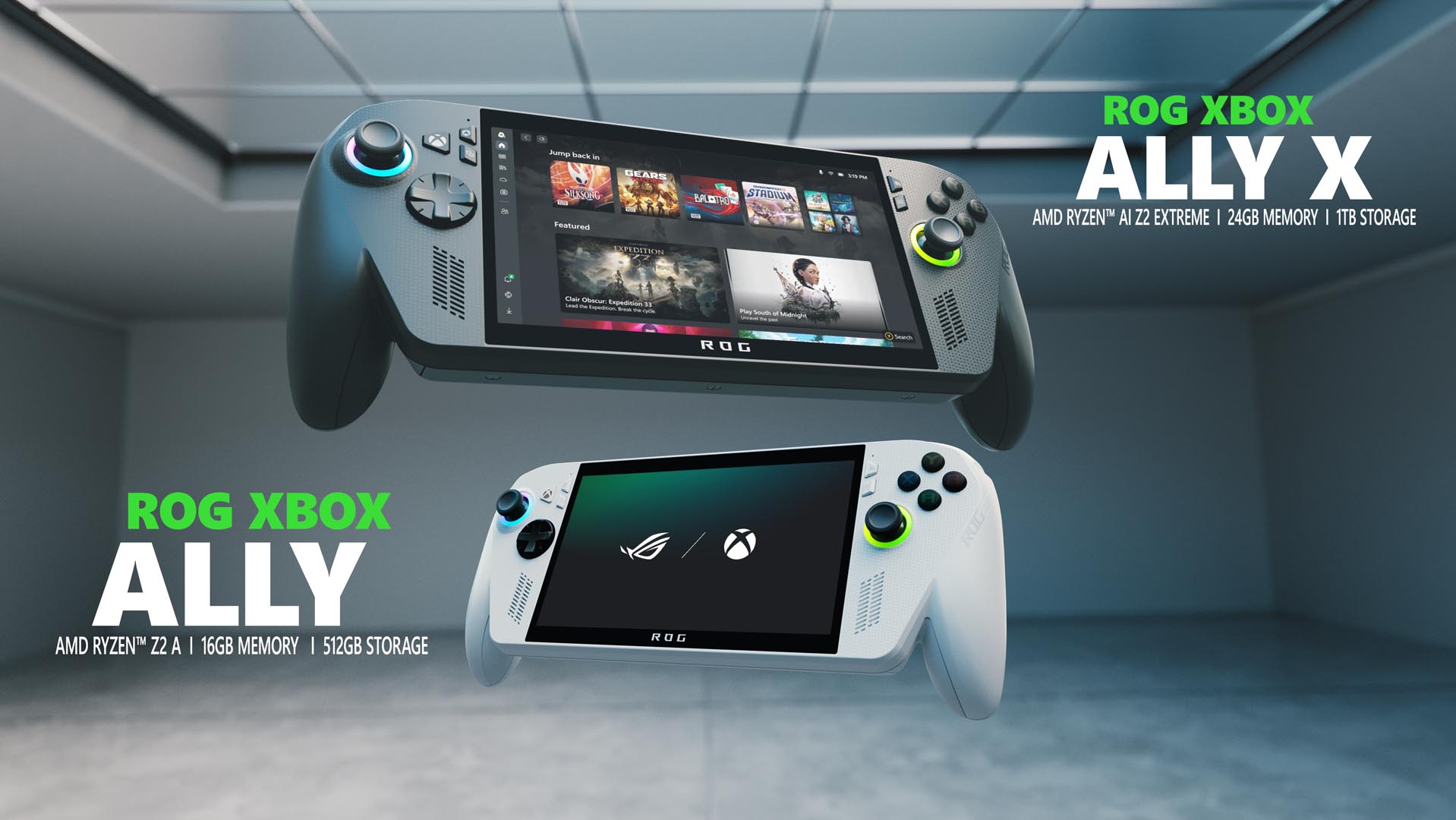
The Xbox Ally, a competitive handheld gaming device for Xbox and PC games, is now available at a discounted price of $489, down from $599.99, offering reliable performance, a 7-inch display, and support for cloud gaming services, making it a strong alternative to the Steam Deck, especially for cloud gaming enthusiasts.
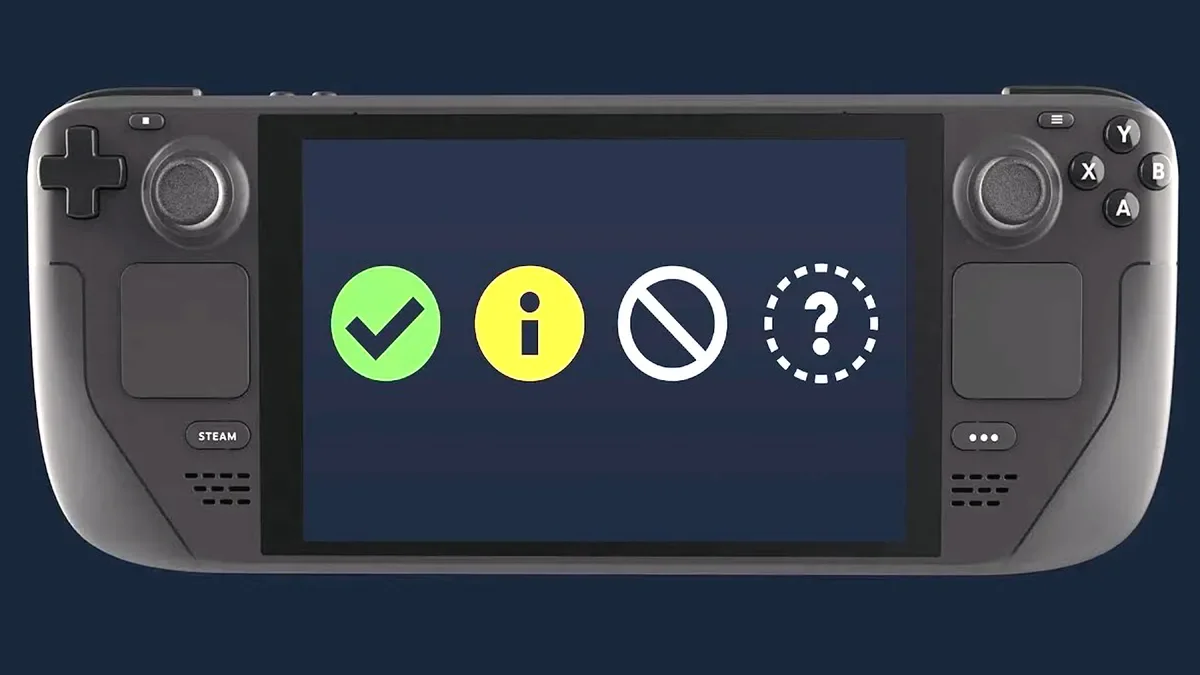
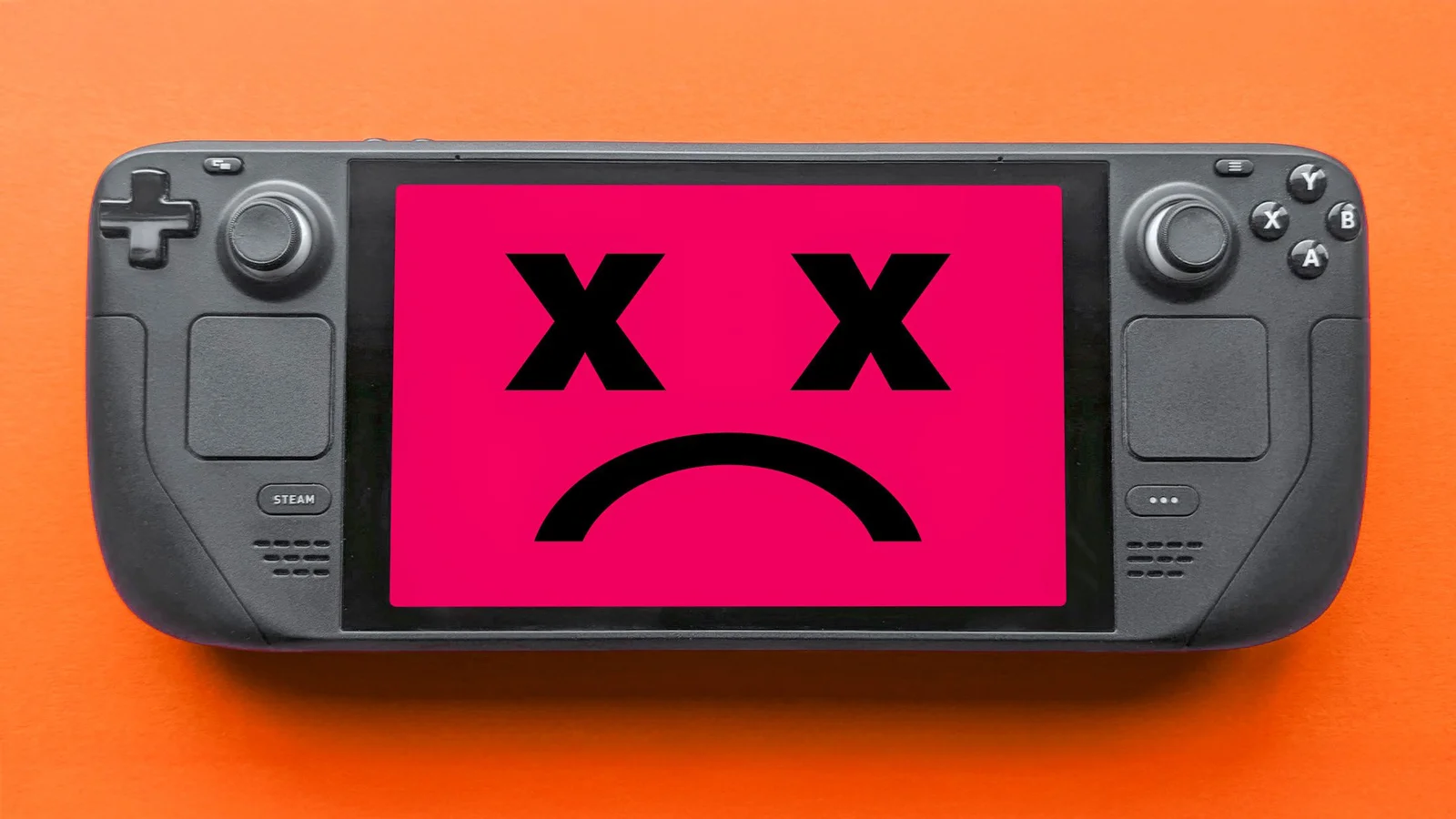
Valve is phasing out the Steam Deck LCD model, with the OLED version becoming the default, potentially due to high component costs, marking a shift in Valve's budget handheld gaming strategy and raising concerns about future affordability and hardware options.
Lenovo is launching a SteamOS version of the Legion Go 2 handheld at CES 2026, featuring the same powerful hardware as the Windows 11 version but optimized for gaming with SteamOS, which offers better performance, battery life, and a console-like experience for portable gaming enthusiasts.
The article provides a comprehensive guide for new Xbox Ally and Xbox Ally X users, covering setup, navigation, personalization, game management, and connectivity options to enhance the gaming experience on these versatile handheld devices.
The author reports improved trust in Microsoft's Xbox Ally handheld after recent updates, especially regarding sleep mode reliability, which is crucial for portable gaming. While the Xbox Ally X shows promising sleep performance, the vanilla Xbox Ally still faces issues like spontaneous wake-ups and charging problems, likely due to its AMD Z2 A chip. Overall, Microsoft appears to be making progress, and the device may become a more viable option for handheld gaming, especially if sleep issues are fully resolved.
The Xbox Ally X handheld shows promise with powerful performance and a compelling vision, but current issues like slow setup, software jank, and hardware glitches make it feel rough and unpolished. Despite frustrations, the reviewer remains optimistic about future updates and the device's potential to unify Xbox and PC gaming, expressing hope that Microsoft will address these problems to realize its full potential.
Six months after its launch, the Nintendo Switch 2 demonstrates strong staying power with impressive performance and game optimization, especially in comparison to other handheld PCs. Despite hardware limitations, it holds its own in running demanding titles like Cyberpunk 2077 and Ubisoft's ports, thanks to Nvidia's DLSS technology. The device's success hinges on continued developer support and first-party titles that showcase its capabilities, making it a compelling choice for mobile gamers despite its higher cost and digital media focus.