Several U.S. states and cities, including West Virginia, Tulsa, Baltimore, Hamilton, Ketchikan, and Newton, are offering financial incentives such as cash grants, down payment assistance, and relocation bonuses to attract new residents, especially remote workers, with programs ranging up to $12,000. These initiatives aim to boost local communities and attract talent by providing various perks for those willing to move and establish residency.

Minnesota's new e-bike rebate program, offering up to $1,500 to reduce the cost of purchasing e-bikes, faced a website crash due to high demand shortly after its launch. The program, funded with $2 million annually for 2024 and 2025, aims to promote e-bike use as a climate-friendly transportation option. The rebates, which cover 50-75% of the e-bike's cost, are available to Minnesota residents meeting certain criteria, with a focus on lower-income applicants. The application process will resume once the website issues are resolved.
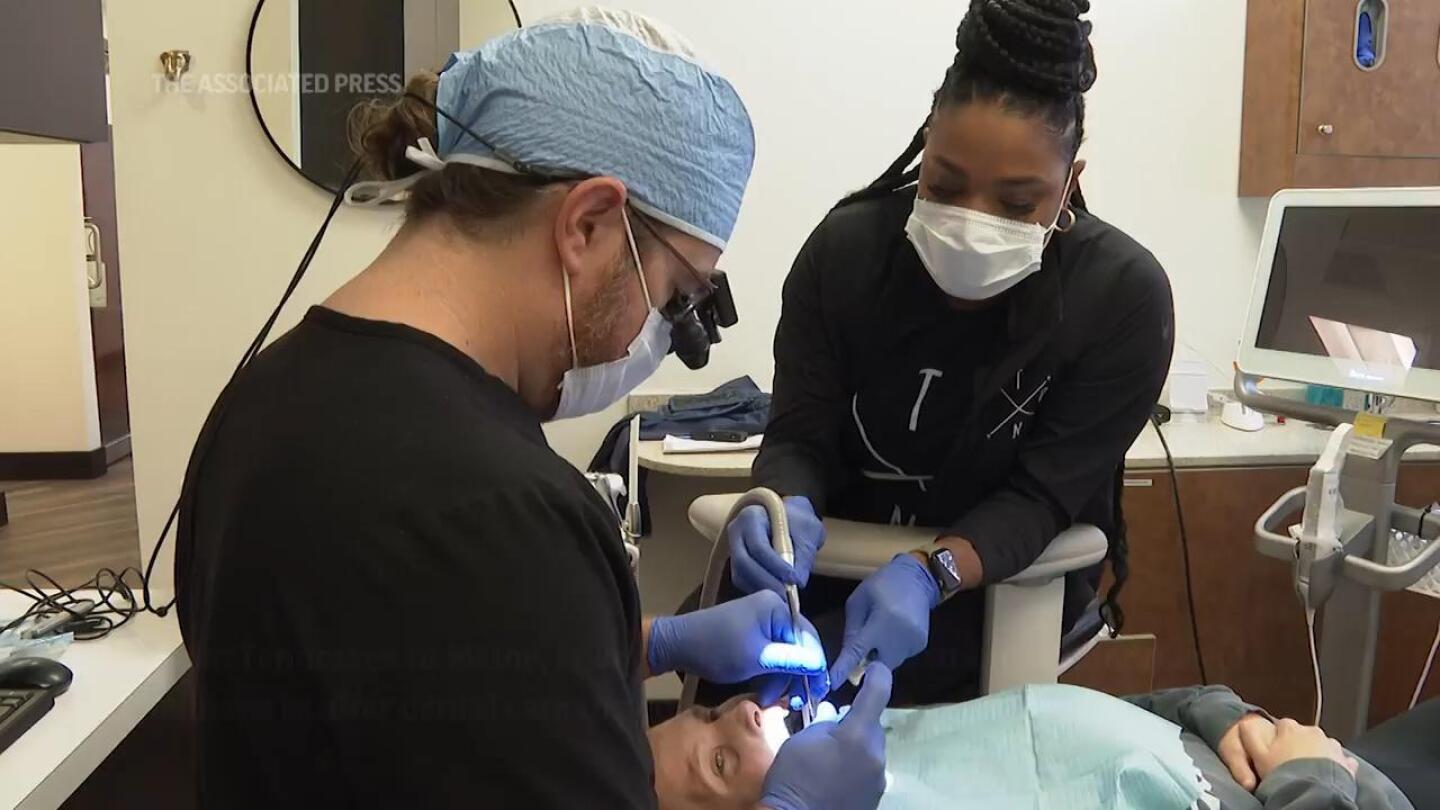
Several states, including Tennessee, Kentucky, Michigan, Maryland, New Hampshire, and Hawaii, have expanded their Medicaid programs this year to provide dental coverage for adults. Medicaid, the federal and state health insurance program for the poor, typically only requires states to provide dental coverage for children. However, with growing recognition of the economic and health costs of poor dental health, as well as an influx of federal pandemic dollars, these states are now offering dental care to their adult Medicaid recipients. Despite these expansions, access to dental care remains difficult in many states due to dentists refusing to treat Medicaid patients and limited reimbursement rates. The lack of access to dental care has significant costs, both to taxpayers and to those who cannot afford treatment.
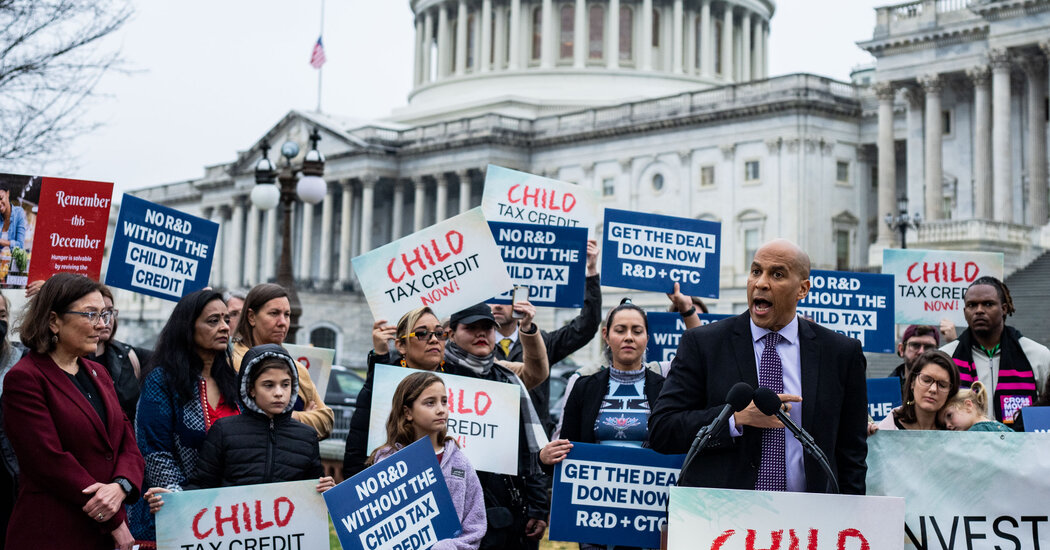
While the federal government's expanded child tax credit program ended last year, a growing number of states are adopting similar programs, often with bipartisan support. Colorado recently became the ninth state to guarantee some form of cash income to its poorest parents, with a law that will provide parents making less than $35,000 per year with up to $1,200 annually for each child under 6. Supporters of the programs say they will create an important precedent and test the theory that government can expand cash support to families without discouraging parents from working outside the home, a longtime political and economic concern.
The end of Title 42 has raised questions about the potential increase in the number of people entering the US and the cost to taxpayers. Unauthorized migrants are not eligible for most major federal aid programs, but some federal programs, such as emergency Medicaid, are available to them. Legal migrants can access federal aid programs after residing in the US for five years, with some exceptions. Some states have enacted laws that allow migrants to tap their benefit programs, but many exclude unauthorized migrants. Unauthorized migrants paid almost $31 billion in federal and state taxes in 2021.