Lululemon is partnering with the NFL to create a new collection of apparel and accessories for all 32 teams, featuring products for men and women and promoted through a campaign with former NFL players. The collection will be available on various online and physical stores starting Tuesday.
Nike's first-quarter results exceeded expectations, driven by strategic realignment of 8,000 employees into focused teams for Nike, Jordan, and Converse brands, and progress in key areas like sportswear and Nike China. Despite a 30.8% drop in net income, revenues increased slightly, and the company is optimistic about future growth, with ongoing initiatives to strengthen its market position.
The Pinault family is considering selling Puma, a German sports brand whose market value has halved in the past year, and has reached out to potential buyers including Anta Sports and Li Ning, amid ongoing deliberations and a recent surge in Puma's share price following the news.
Swiss sneaker company On reported a 32% increase in second-quarter sales, surpassing estimates and raising its full-year revenue guidance despite facing tariffs on imports from Vietnam. The company has successfully increased prices without dampening demand and continues to grow its market share, especially in China and the Americas, while expanding both wholesale and direct-to-consumer sales.
Lululemon is offering major discounts on popular items including $9 steals and $49 Align leggings, along with a variety of sportswear and accessories perfect for summer, encouraging shoppers to take advantage of limited-time deals on comfortable, stylish activewear.
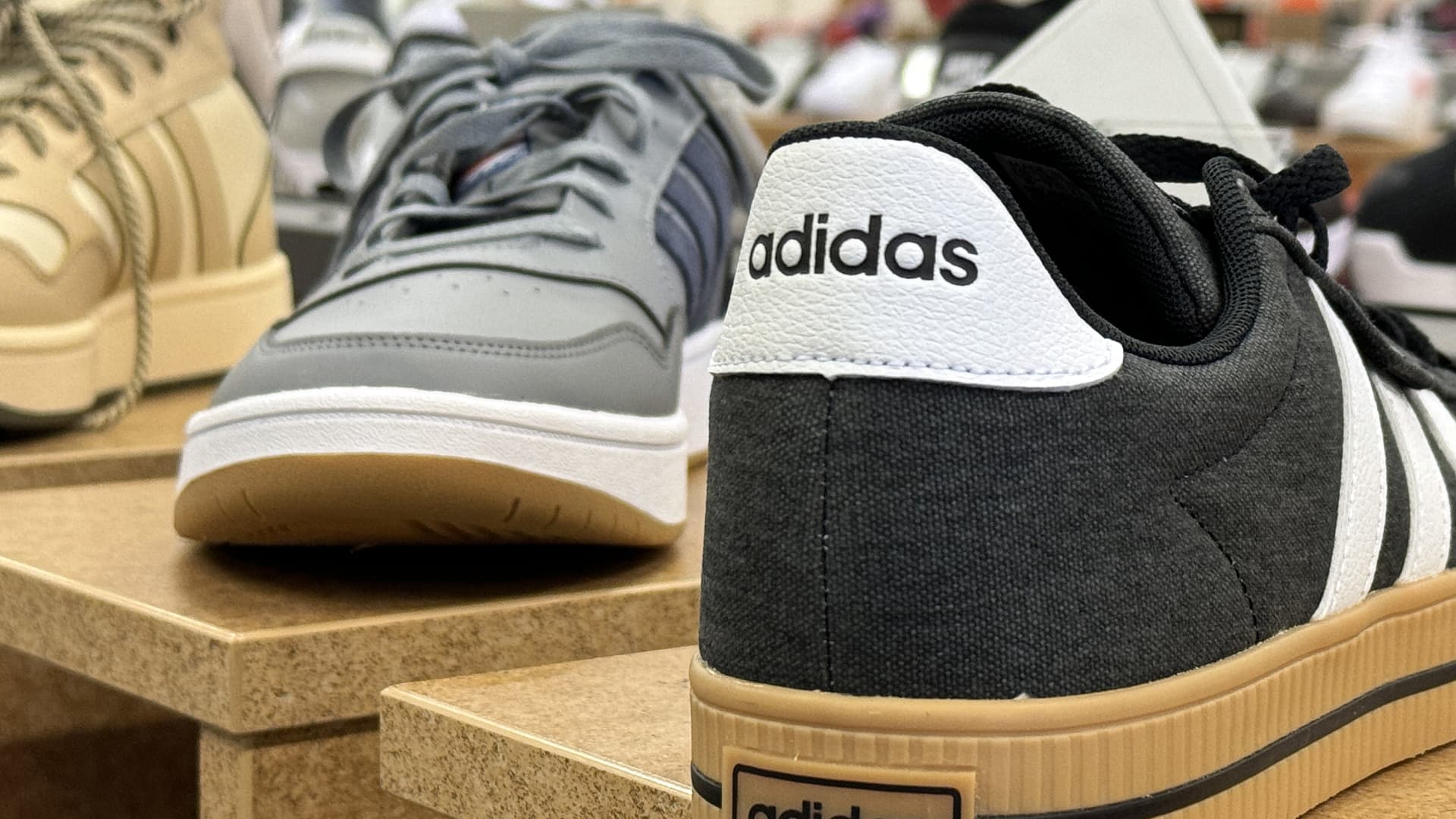
Adidas warns that US tariffs will cost the company €200m and plans to raise prices for American customers, amid ongoing trade tensions and tariffs affecting global supply chains, but still reports a 7.3% increase in sales in the first half of the year.
Adidas shares dropped over 9% after warning that U.S. tariffs could cost the company up to 200 million euros in the second half of the year, potentially increasing U.S. consumer prices and impacting demand, though the company maintained its full-year sales and profit guidance amid macroeconomic uncertainties.
Nike faces potential price hikes due to a new US-Vietnam trade agreement that increases tariffs from 10% to 20%, which may reduce margins for Nike and other apparel companies sourcing from Vietnam, although market expectations for tariffs were slightly higher.
Nike's Q4 2025 net sales declined 12% to $11.1 billion, with net income dropping 86% to $211 million, reflecting challenges in the company's performance. Despite meeting Wall Street expectations slightly, CEO Elliott Hill acknowledged the results are not where they want them to be and emphasized ongoing efforts through their Win Now actions to improve future performance. Nike's full-year revenues also fell 10%, with a significant decrease in digital sales, and the company is focusing on a sport offense realignment to drive growth.
Nike's shares surged over 10% after reporting its worst quarterly earnings in over three years, but investor confidence grew as the company outlined a successful turnaround plan focused on sports product lines and supply chain reorganization, despite challenges from tariffs and reliance on fashion trends.
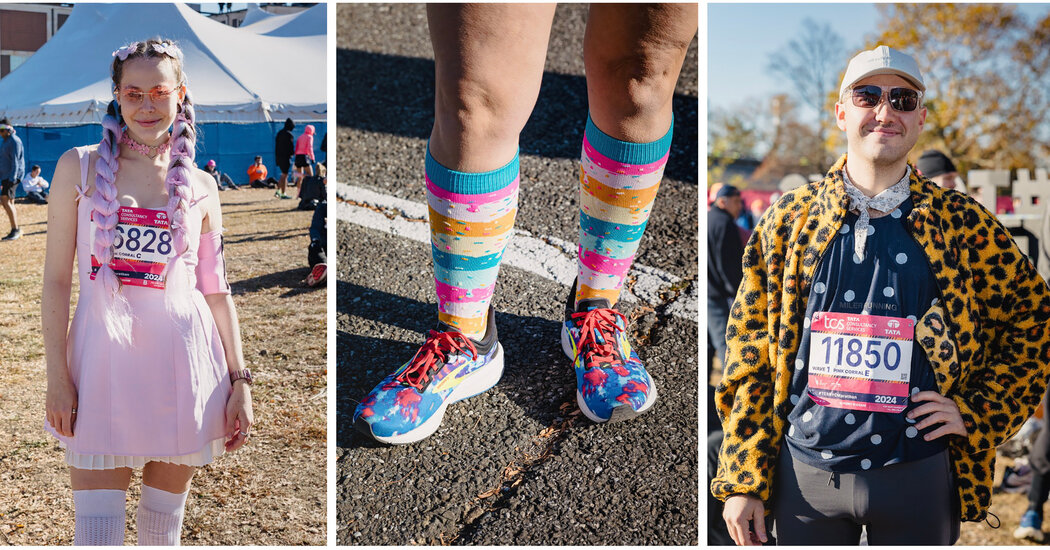
The 2024 New York City Marathon showcased some of the best fashion looks, highlighting the latest trends in sportswear and athletic fashion. Participants and spectators alike embraced stylish and functional attire, making the event not only a sporting spectacle but also a fashion statement.
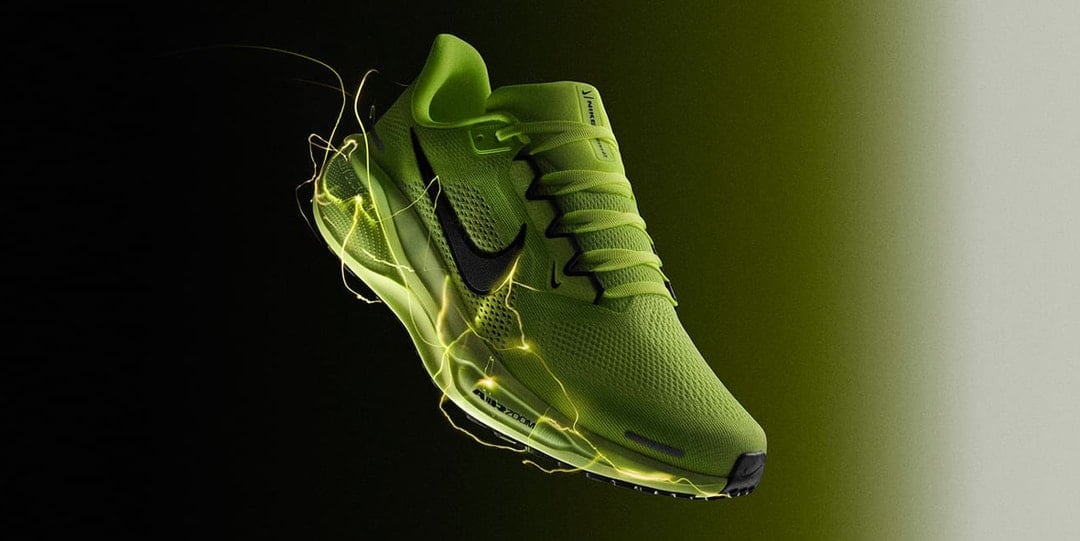
Nike has launched the Pegasus 41, a new iteration of its iconic running shoe line, featuring the innovative ReactX foam for improved energy return and reduced carbon footprint. The shoe also includes Zoom Air units for added responsiveness and is available in multiple colorways and styles, catering to various running needs.
Adidas shares surged 8.2% after the company raised its full-year guidance and reported a first-quarter profit increase, with operating profit expected to reach around 700 million euros. The firm anticipates additional sales of around 200 million euros from the remaining Yeezy inventory. Despite unfavorable currency effects, Adidas is optimistic about revenue growth and is banking on partnerships with major sporting events to drive momentum.
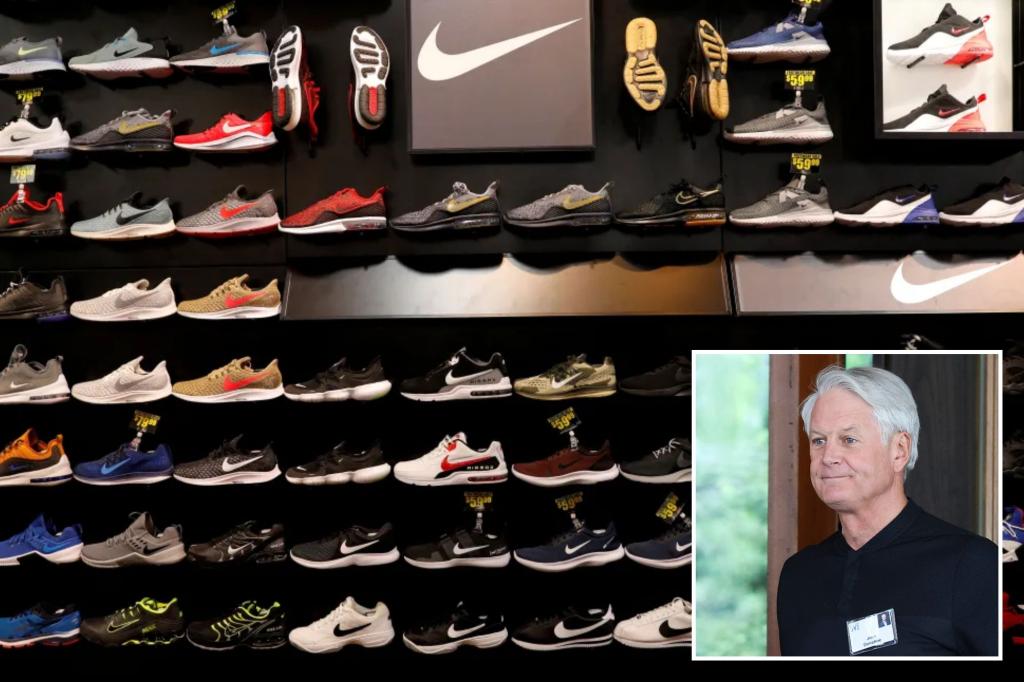
Nike's CEO John Donahoe admitted the company's underperformance and outlined plans to address it, including a focus on sport, new product innovation, bolder marketing, and increased investment in wholesale partnerships. The company is returning to some previously exited wholesale accounts and emphasizing innovation, particularly in its Air platform. However, challenges remain, including employee turnover affecting innovation, and the need to balance newness and innovation with existing product franchises. Nike's fiscal third quarter results showed growth in performance footwear and strong consumer response to new products, but the company faces headwinds in certain areas and is restructuring to sharpen its focus and increase investment in consumer-facing activities.
Nike plans to scale back on classic shoe franchises and reduce supply of underperforming products in a $2 billion savings plan, as it faces competition from newer brands like On and Hoka. The company's revenue forecast for fiscal 2025 is a low single-digit percentage decrease, and it aims to focus on developing new products and upcoming launches to drive growth. Despite beating Wall Street estimates for third-quarter revenue and profit, Nike's stock fell 5.6% in extended trading as it grapples with losing market share in the running category and aims to draw back customers with new sneaker launches.