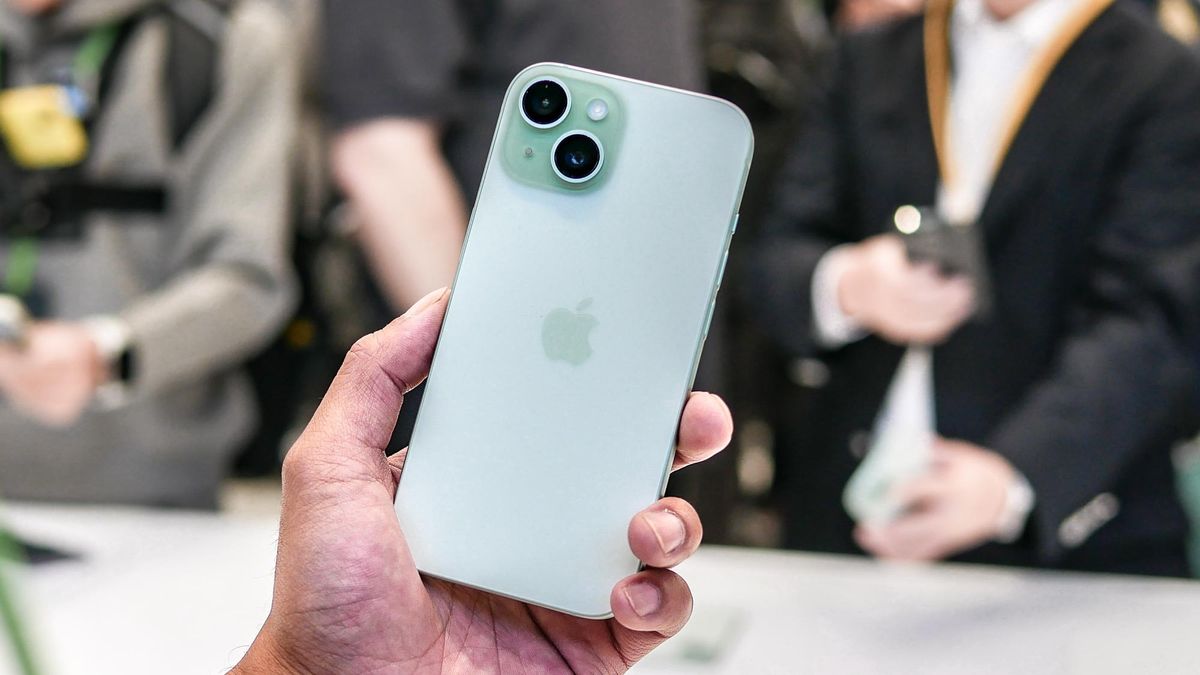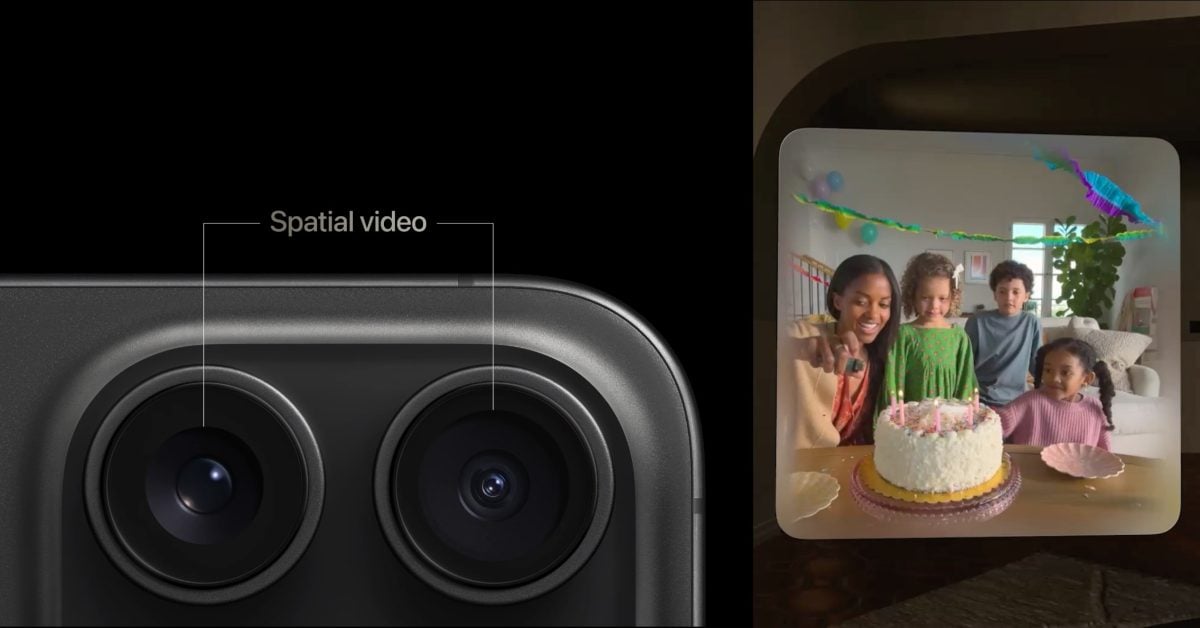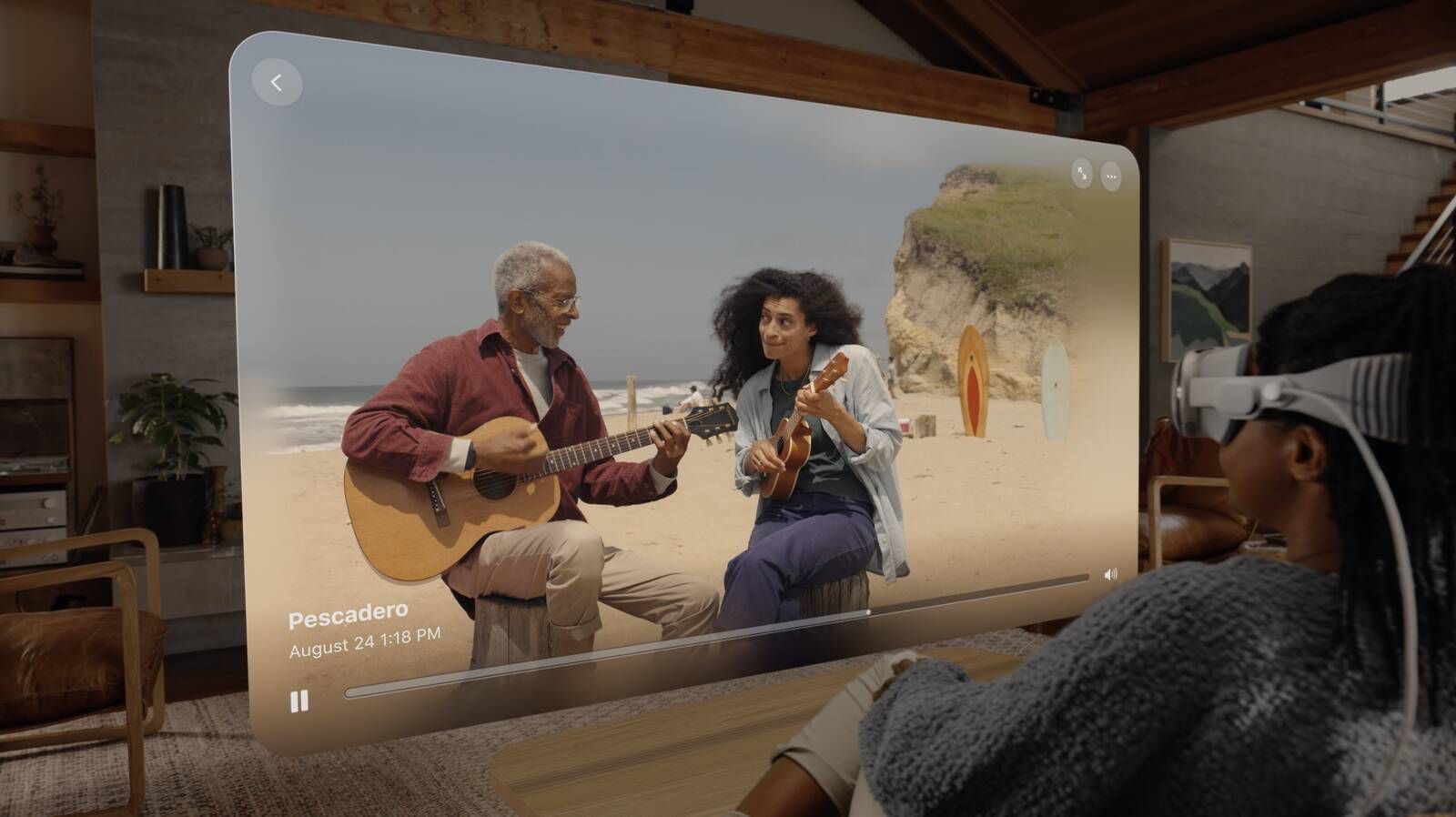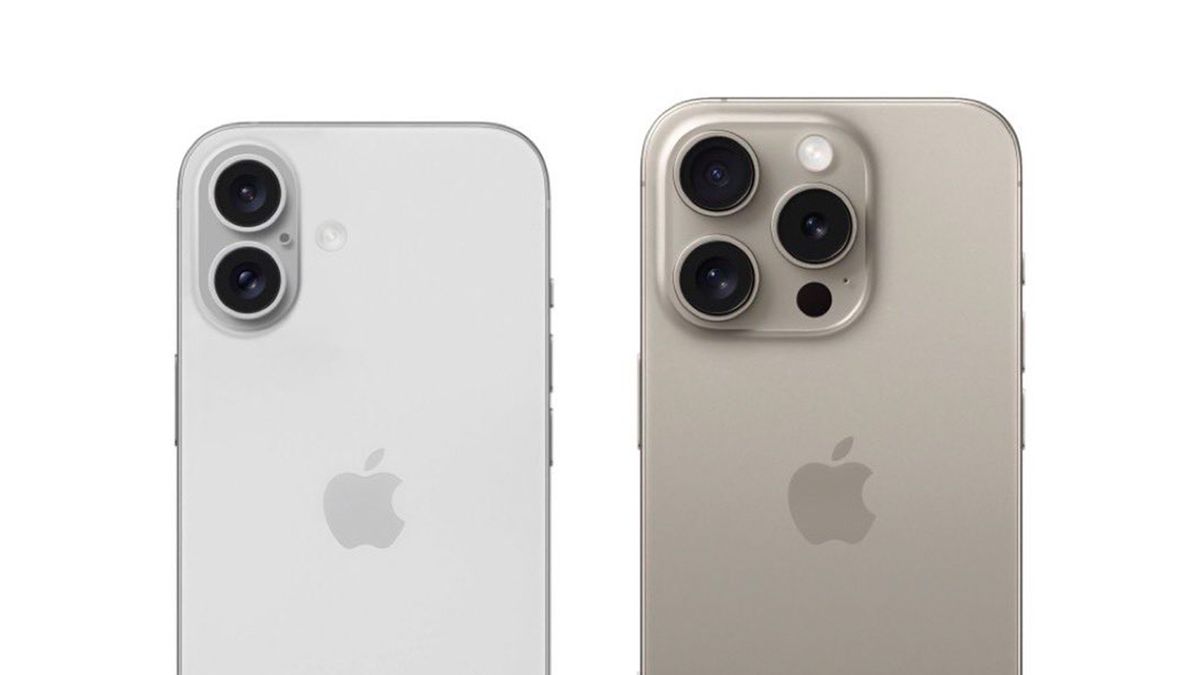
Rumors suggest that the iPhone 16 will feature a vertical camera layout, which is linked to Apple's VR headset, Vision Pro, and its Spatial Video feature. This layout is designed to facilitate the filming of 3D videos that can be viewed immersively on Vision Pro. The iPhone 15 Pro currently supports this feature, but the iPhone 16's vertical camera layout is expected to enhance the filming experience for Spatial Video.
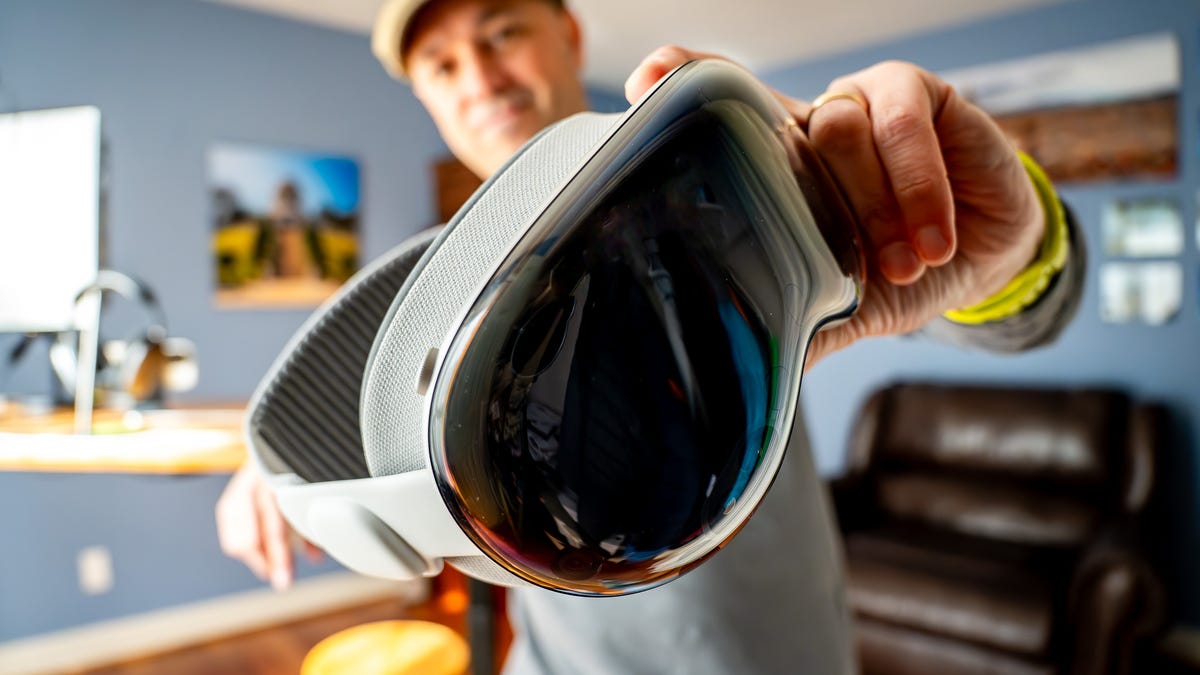
The Apple Vision Pro offers groundbreaking features like spatial video and immersive environments, but it has flaws such as the need for frequent recalibration, discomfort during extended use, and limited applications. While it showcases the future of technology, it may not be worth the $3,500 investment for most consumers. The headset's potential for immersive digital experiences and its spatial capture capabilities are impressive, but improvements in eye tracking, hand controls, collaborative experiences, form factor, and spatial captures are needed for future models. Despite its current limitations, the Vision Pro hints at the sci-fi future of technology and is expected to evolve into a more practical and affordable product in the future.
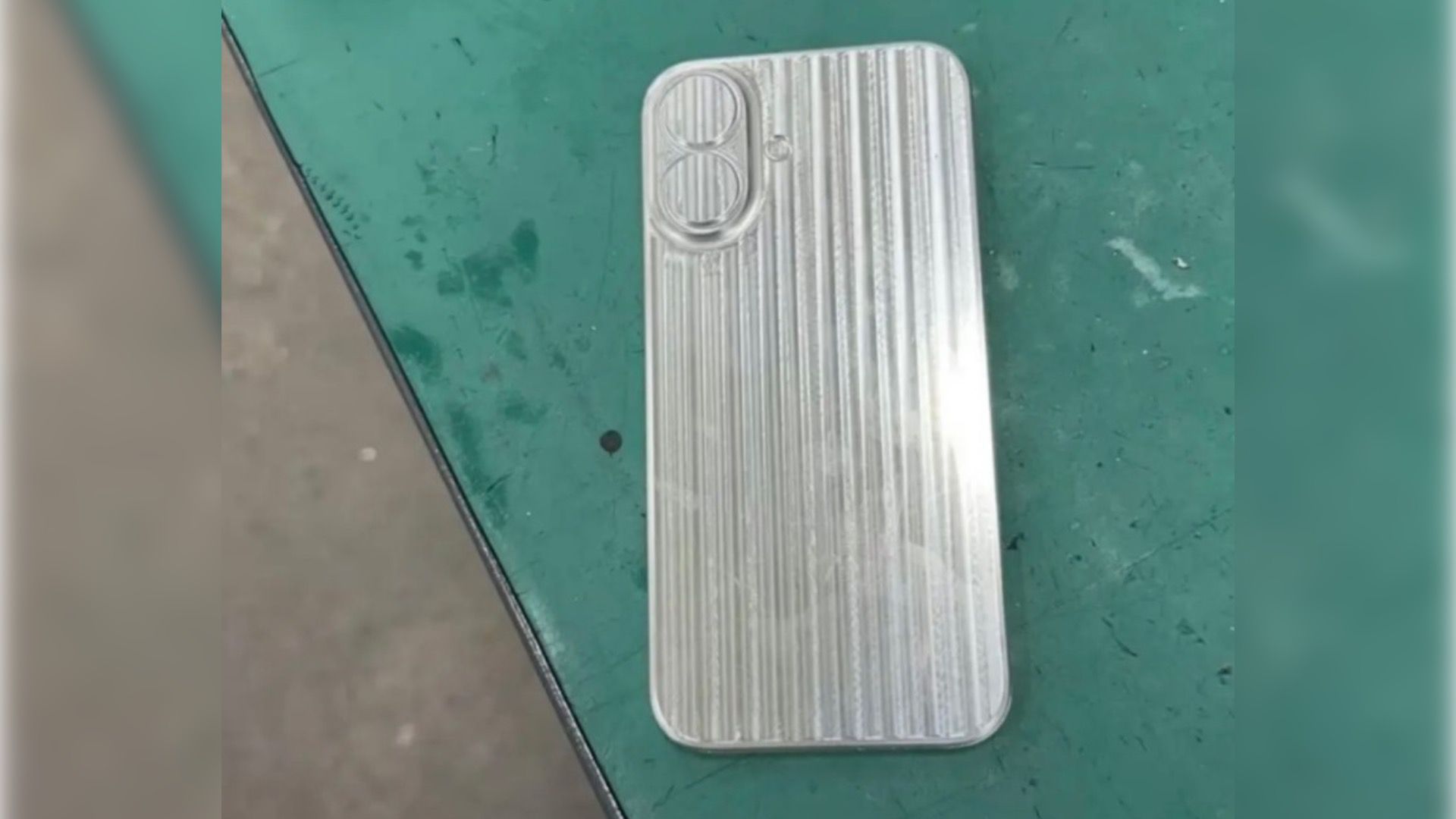
Alleged molds of Apple's upcoming iPhone 16 standard model have surfaced online, showcasing a vertical camera layout with separate rings for the Wide and Ultra Wide cameras. This design is expected to enable Spatial Video recording on the standard iPhone 16 and iPhone 16 Plus models. However, it's important to note that these prototypes are sourced from pre-production information and may not reflect the final design. Additionally, the existence of case maker molds at this early stage does not confirm the design for the iPhone 16, as they could be based on leaks and rumors.
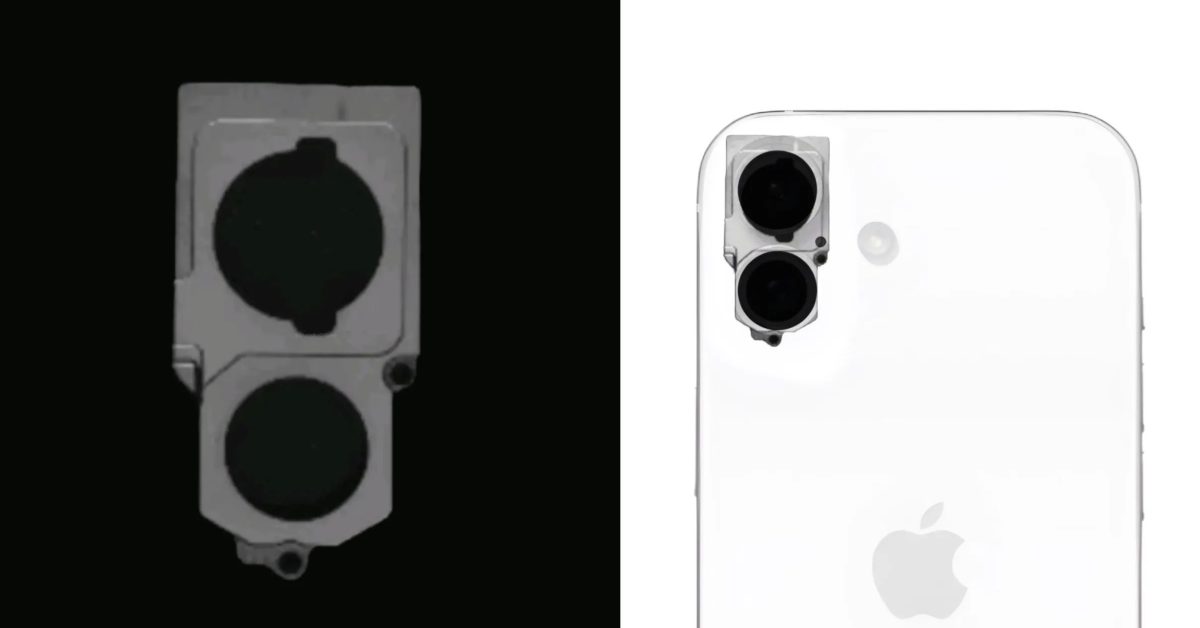
A leaked image allegedly shows the new vertically-oriented camera module design for the iPhone 16, suggesting a change from the current diagonal layout. This change is expected to enable the iPhone 16 and iPhone 16 Plus to record spatial video, similar to the current iPhone 15 Pro models. The authenticity of the component design has been independently verified, and this shift in camera layout may incentivize users to record Spatial Videos, especially with the recent availability of Vision Pro in the United States.
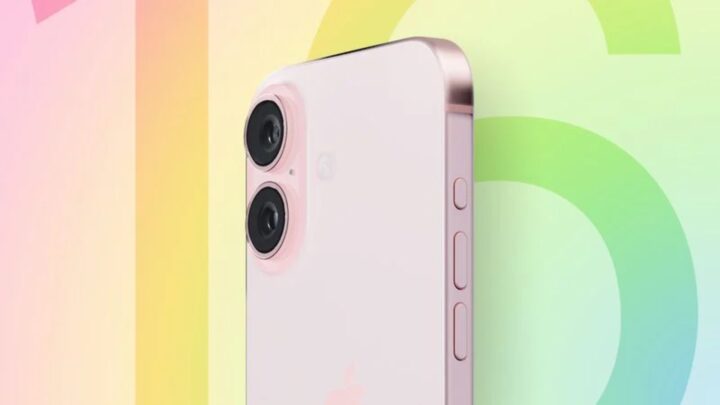
The upcoming iPhone 16 is rumored to feature vertically aligned rear cameras in a pill-shaped bump, as revealed by leaked schematics and renders. This change is expected to enable the device to record Spatial Video and bring design parity between the non-Pro and Pro models. Additionally, Apple is reportedly transitioning from a mechanical to a capacitive Action Button and adding a Capture Button on the iPhone 16.
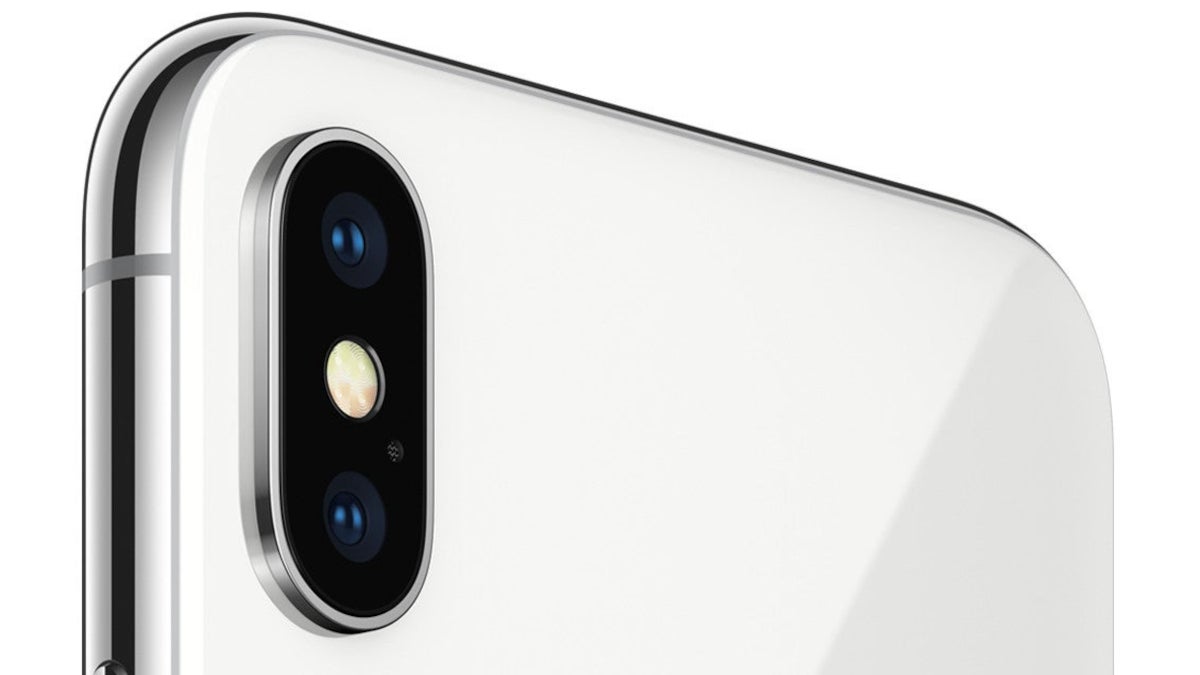
The latest prototype for the non-Pro iPhone 16 models features a rear camera design similar to the iPhone X, with two rear lenses arranged in a pill-shaped bump, including a Wide lens and an Ultra-wide lens. Leaker Majin Bu's tweet confirms the current rear camera design being tested by Apple. The prototypes also include a smaller mechanical Action Button and a flush-mounted pressure-sensitive Capture Button, allowing users to change zoom levels and control camera focus. The design may still change, but the vertical camera setup seems necessary for filming spatial video.
Leaks suggest that the iPhone 16 and iPhone 16 Pro may feature design elements borrowed from previous models, with the regular iPhone 16 potentially incorporating a vertically-stacked camera block to support Spatial video recording. The Pro models could see a new button arrangement and interior changes to accommodate features such as a periscope telephoto camera and the A18 Pro chipset. The official announcement is expected in September, with rumored upgrades including dual 48MP main and ultrawide cameras and Action buttons on all models.
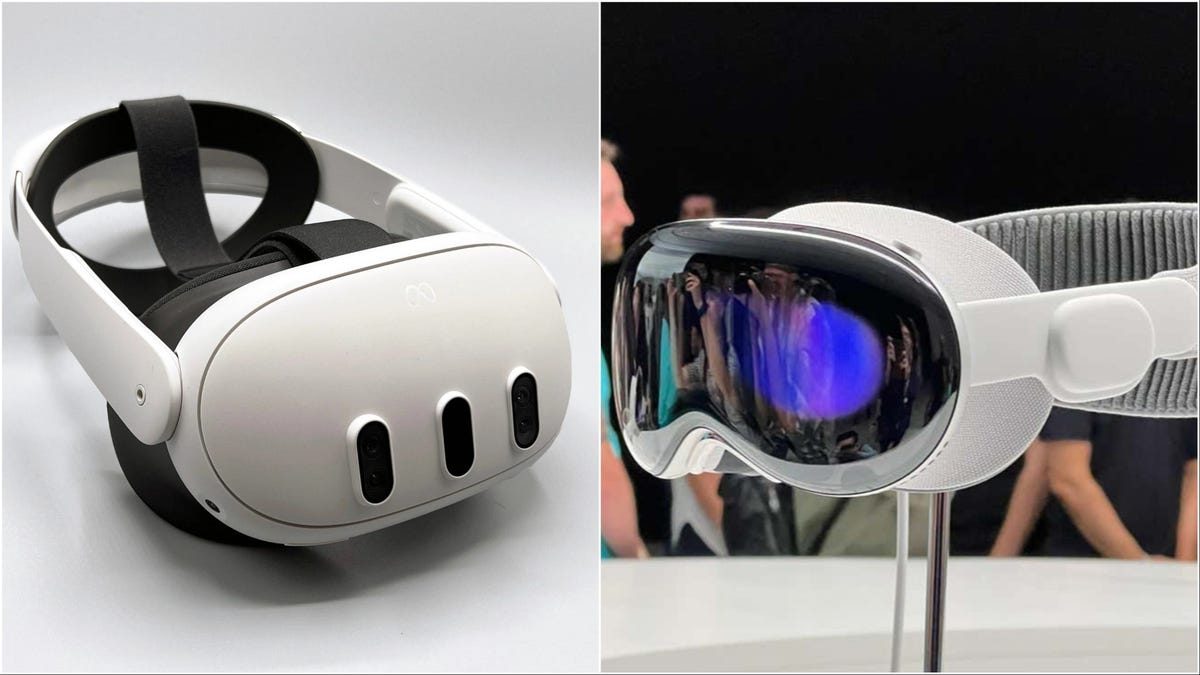
Meta's Quest 3 is set to introduce spatial video support, similar to Apple's Vision Pro, in its upcoming v62 release, allowing users to watch 3D videos with their VR headsets. The update also includes pinch controls and support for up to 15 spaces, aiming to enhance user experience and compete with Apple's mixed reality device. Despite significant financial losses in its Reality Labs division, Meta remains optimistic about the Quest 3's performance and expects it to be a popular choice in the mixed reality market.
Meta confirms that spatial video playback support for Apple's spatial video format is coming to Quest headsets, allowing users with iPhone 15 Pro or Pro Max to upload and view spatial videos on their devices. The update is set to roll out starting the week of February 7, 2024, and will be available for Meta Quest 3, Meta Quest Pro, and Meta Quest 2 headsets. This announcement comes just before the launch of Apple Vision Pro, continuing the competition between Meta and Apple in the augmented reality space.
Meta's Quest 3 will soon support spatial video playback, similar to Apple's Vision Pro headset, through an upcoming update v62, allowing users to view 3D footage captured with Apple's headset or iPhone 15 Pro / Pro Max. The update also includes new pinch gestures for control and other improvements, making the Quest 3 more versatile and competitive in the virtual reality market.
The Apple Vision Pro, set to launch in early 2024, has been receiving positive reviews from the press, with reports highlighting its emotional impact and immersive spatial video capabilities. While details about customization and the App storefront remain unknown, the hands-on experiences have generated excitement and anticipation for the device's release. The press believes that while not everyone may purchase the Vision Pro, its impact will be felt by most users, potentially triggering a seismic shift in the computing experience.
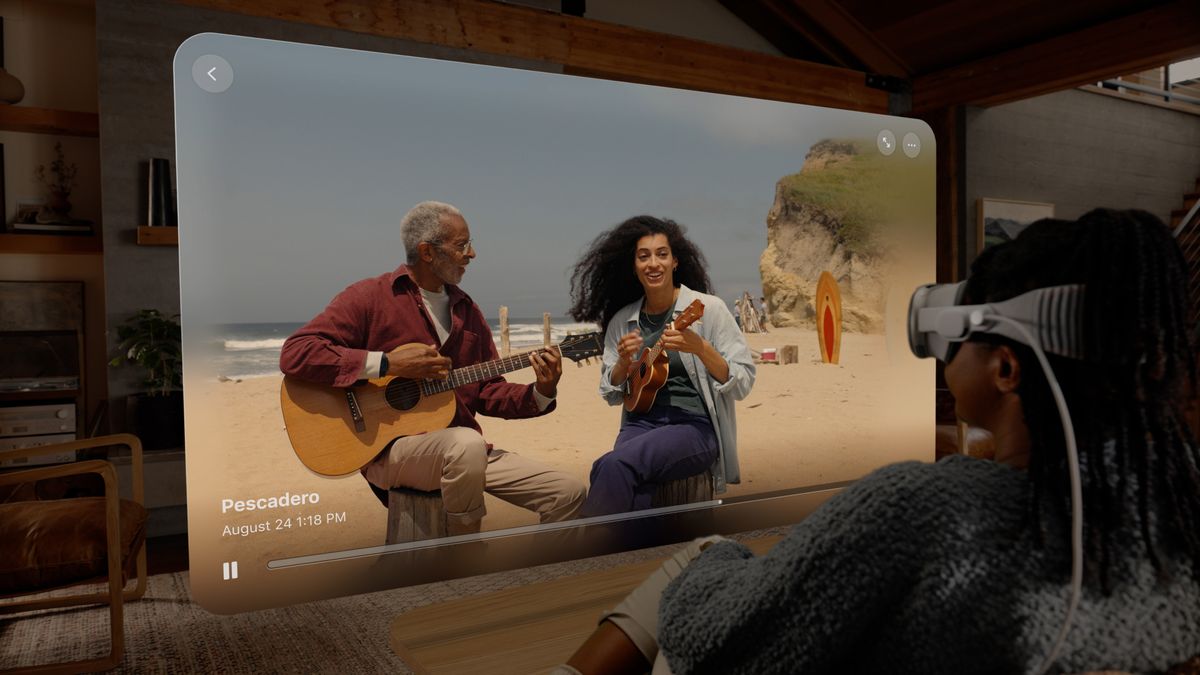
Journalists who had the opportunity to record and view their own spatial videos on the Apple Vision Pro headset have shared their experiences. They found that videos of family members were particularly compelling, with the 3D effect making it feel like they were "almost there." The quality of panoramic images and HDR photos was praised, and the wider view provided new details. Spatial videos were described as feeling alive and having the characteristics of a memory. However, too much movement in the videos could be disorienting. Apple is encouraging customers to capture their own spatial videos in preparation for the launch of the Vision Pro headset in early 2024.
Apple's upcoming mixed reality headset, the Vision Pro, allows users to watch stereoscopic 3D videos shot on the iPhone 15 Pro. CNET's Scott Stein had the opportunity to load his own spatial videos onto the headset and experience an immersive and lifelike viewing experience, feeling as if he was almost present with his family.
Apple invited select members of the press to relive their own spatial videos using Vision Pro, following the launch of iOS 17.2 with support for recording spatial video on iPhone 15 Pro. Journalists described the experience as impressive, with emotional moments of feeling almost present with loved ones. The frame rate limitation was noticeable but less prominent in less motion-intensive videos. The invitation garnered positive reviews from various publications, highlighting the immersive and emotional nature of reliving memories through Vision Pro.
This article discusses how to capture spatial video on the iPhone 15 Pro, highlighting its advanced camera features and providing tips for iPhone photography enthusiasts interested in video recording.