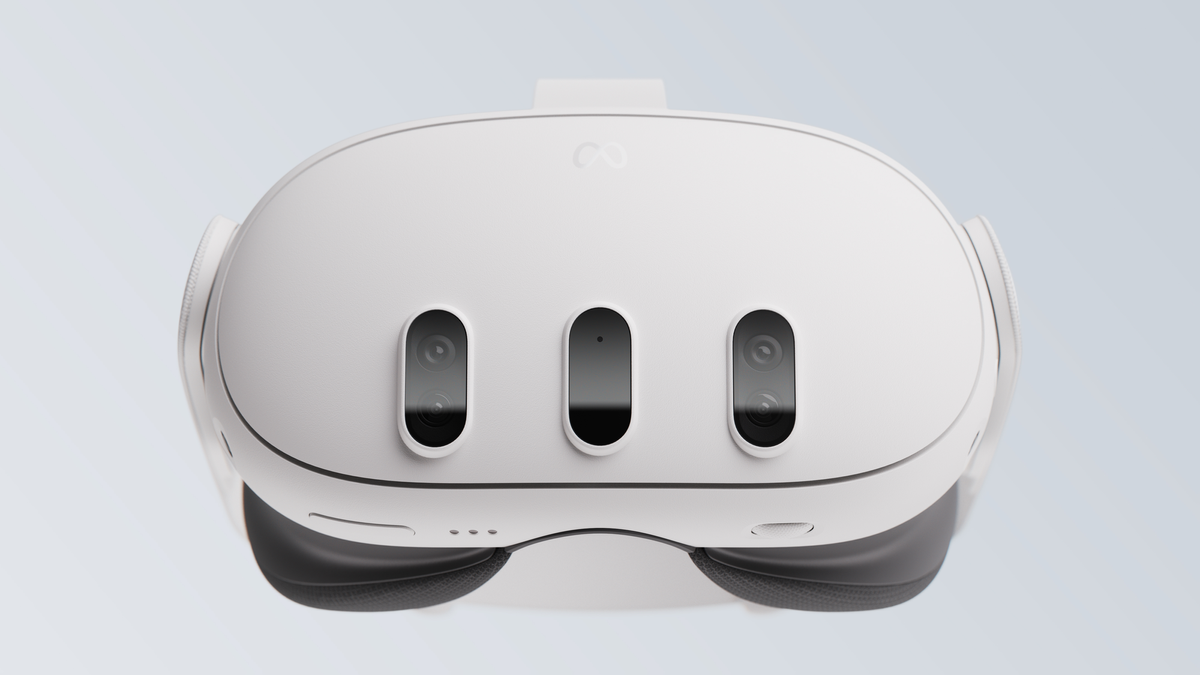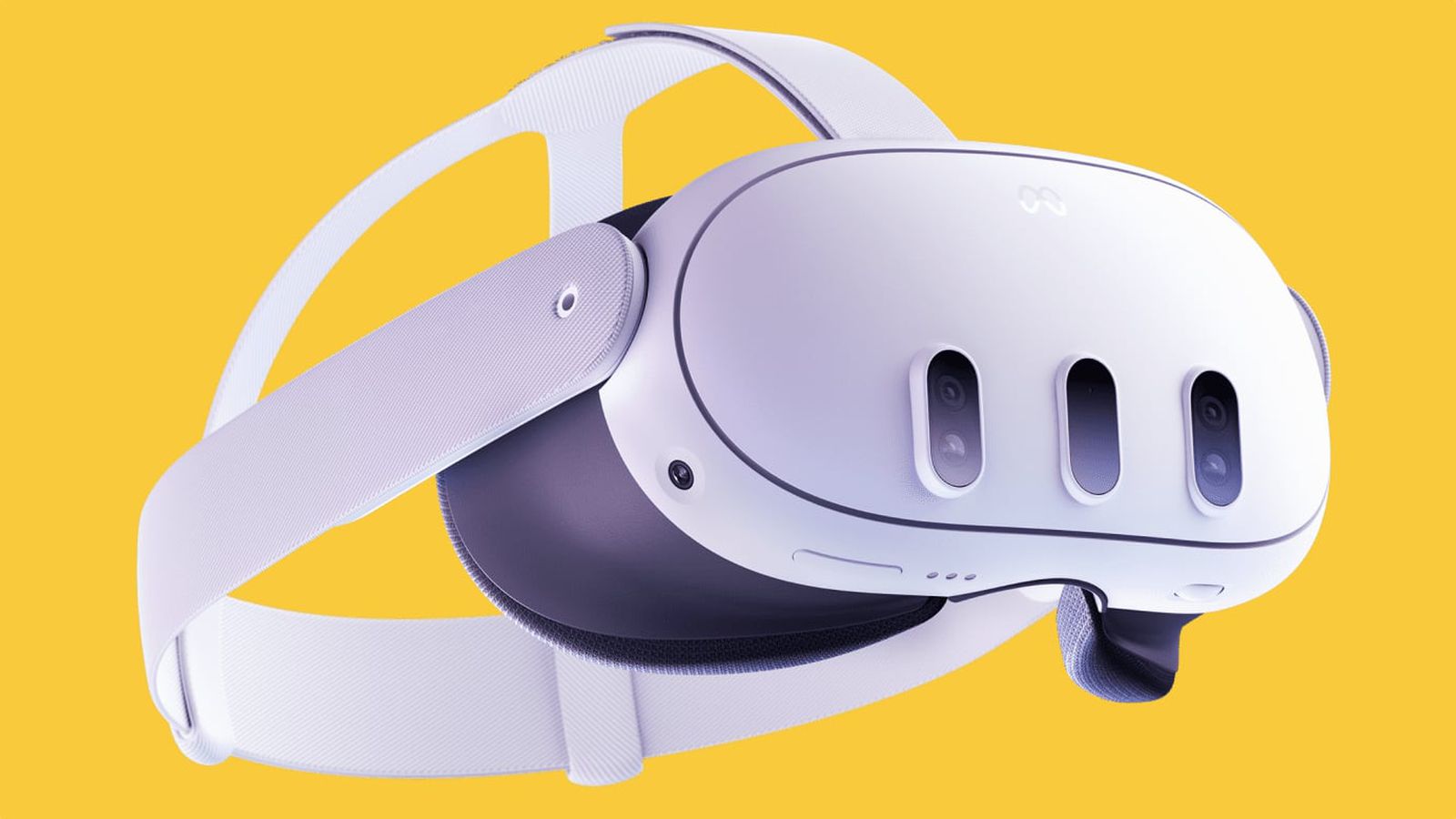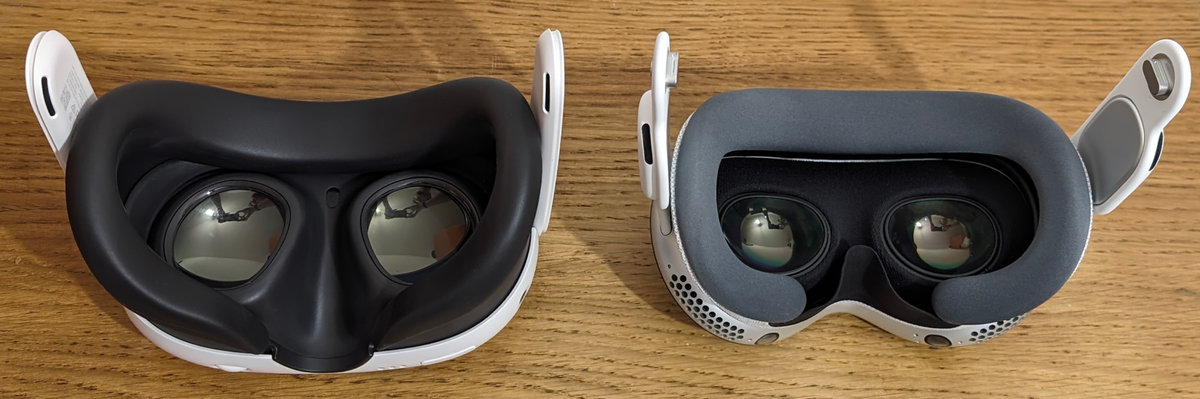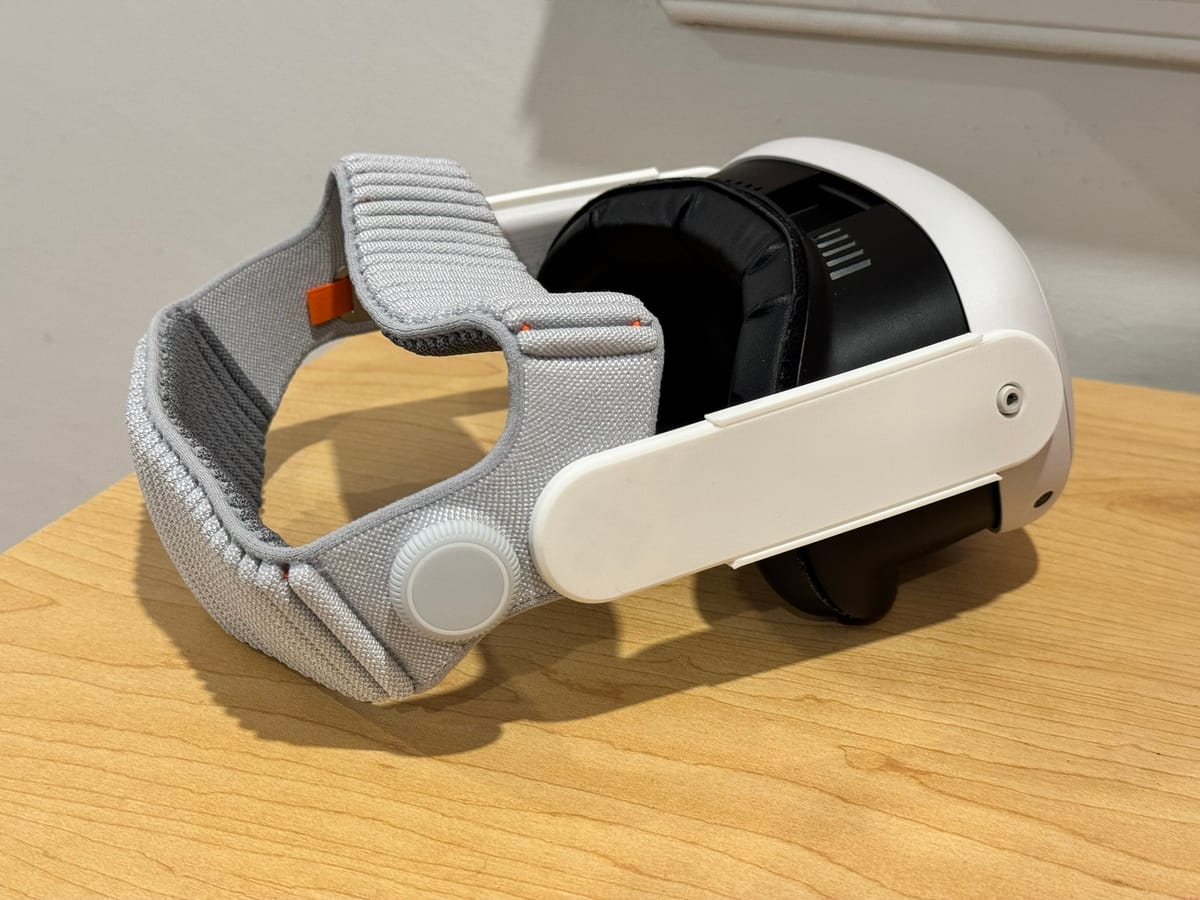
The article discusses how adapting Apple's Dual Knit Band to the Meta Quest 3 headset significantly improves comfort and balance, addressing the shortcomings of the stock strap by using a custom 3D-printed mounting solution, and highlights the benefits of Apple’s design approach for extended use.
Meta’s Quest 3 VR headsets are outselling Nintendo’s Switch 2 on Amazon, with Quest 3 models selling 154,000 units in the last 30 days compared to Switch 2’s 150,000, despite being released over a year earlier. The sales highlight Quest 3’s popularity, especially during the holiday season, though Meta faces challenges with user retention and profitability.
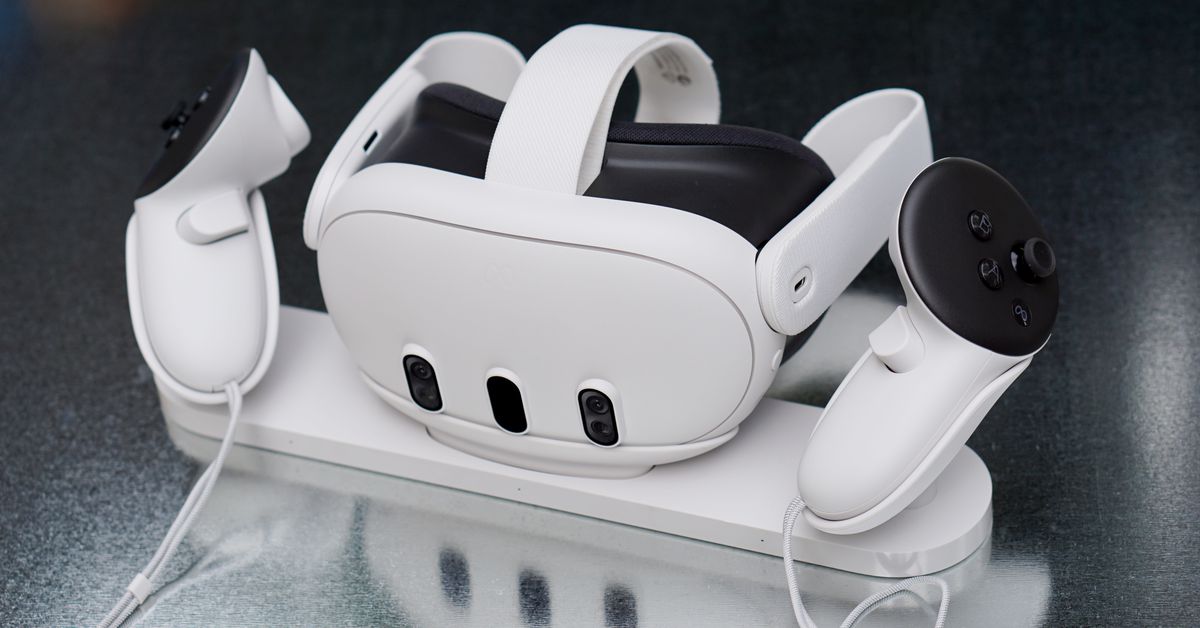
Best Buy offers a Black Friday deal on Quest 3, including a $75 gift card, a month of Xbox Game Pass Ultimate, and additional VR perks, making it a compelling purchase for VR enthusiasts. The Quest 3S is also on sale for $250 with similar perks but features older lenses, while the Quest 3 offers improved visuals and comfort at a higher price.
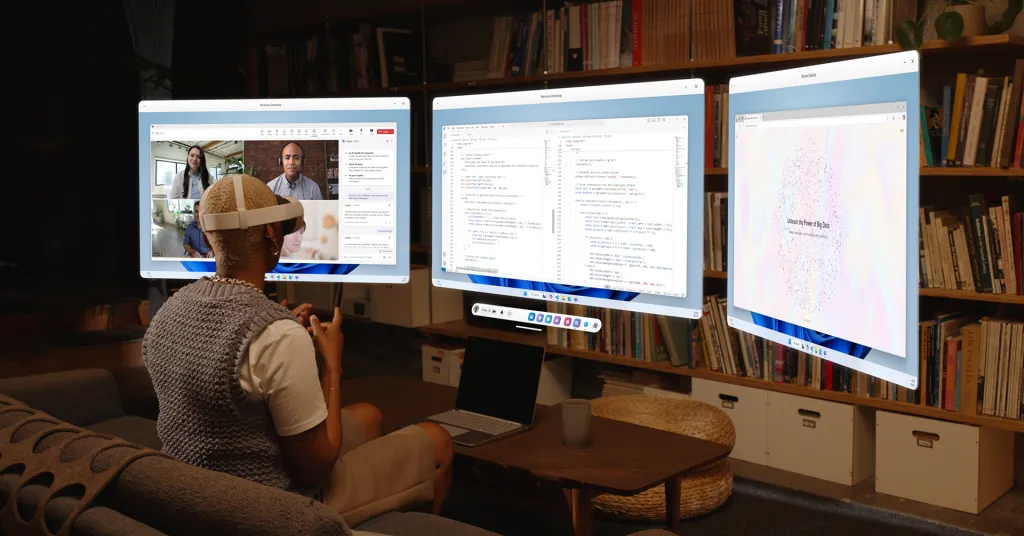
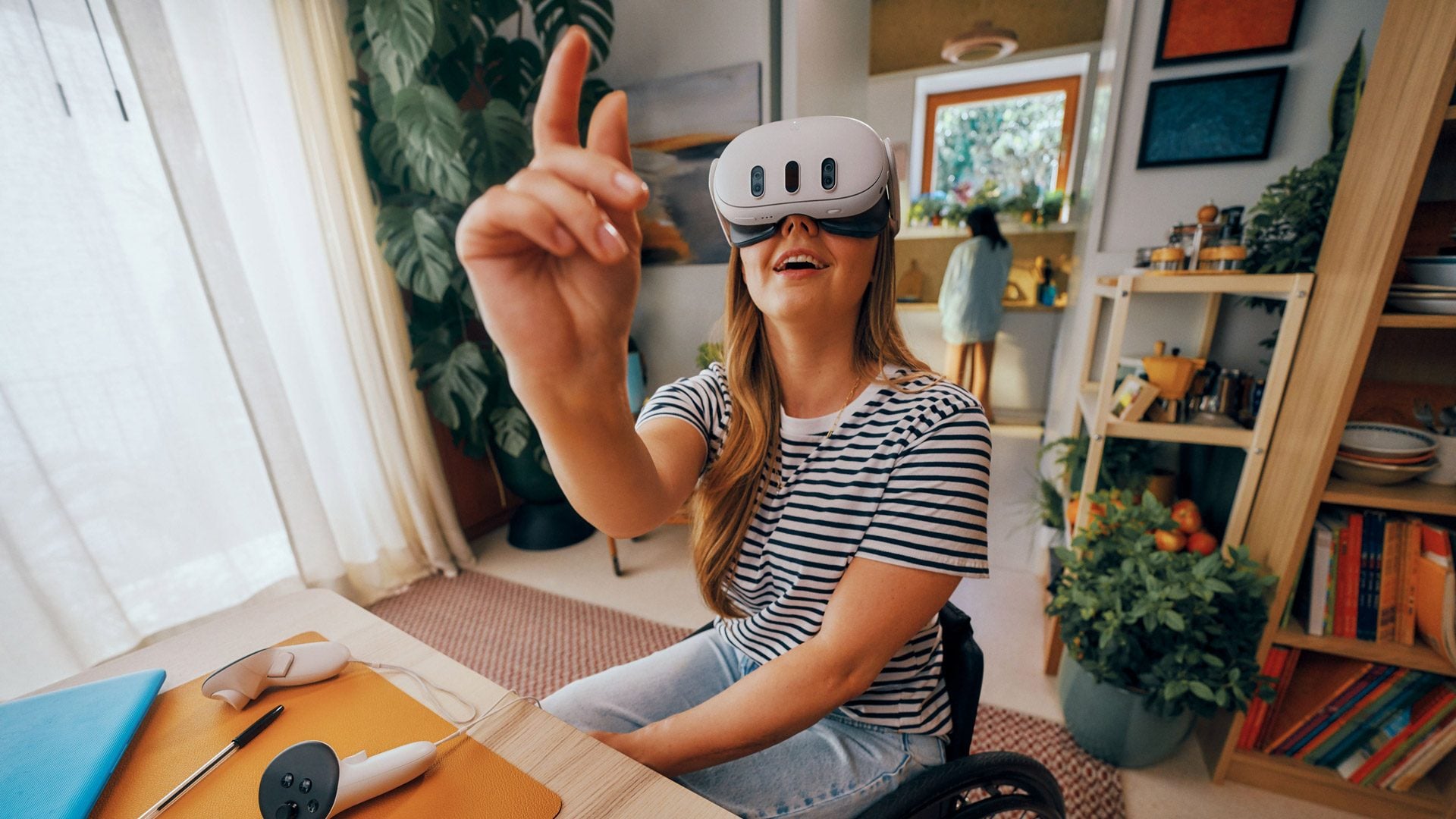
Microsoft has released its Windows 11 remote desktop feature on Meta's Quest 3 and Quest 3S headsets, allowing users to beam multiple high-resolution monitors and try an immersive ultrawide mode, similar to Apple’s Vision Pro, with additional features like resizing displays and a passthrough environment view.
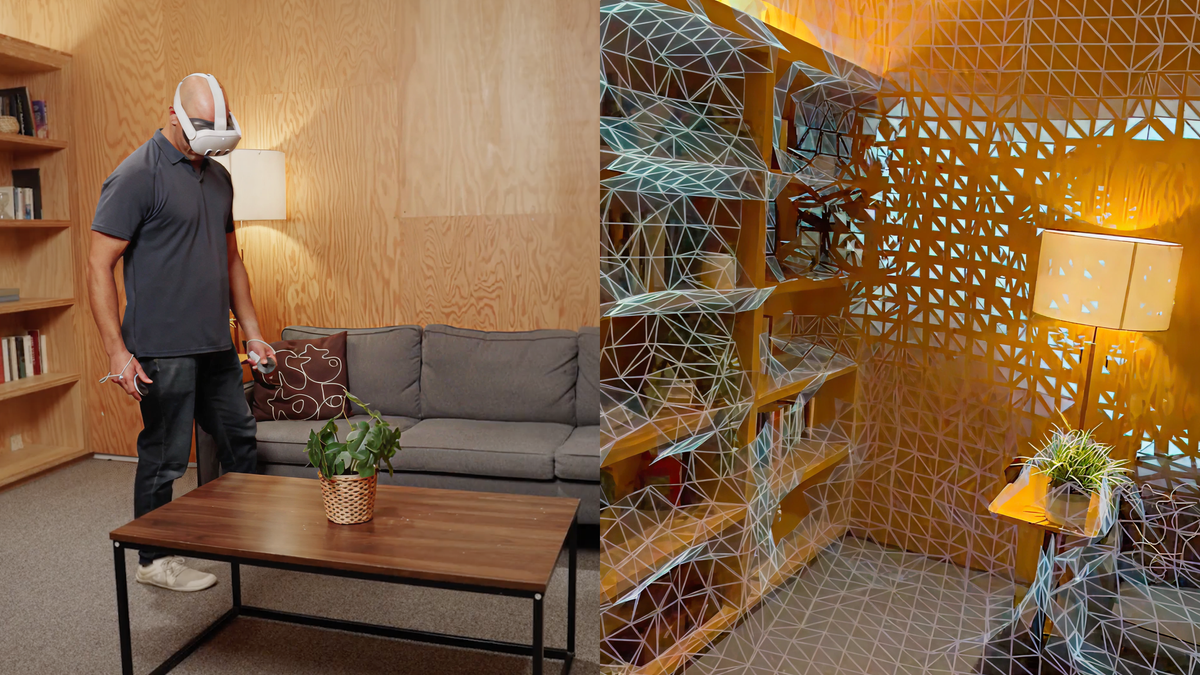
Meta Horizon Hyperscape for Quest 3 allows users to scan real-world environments and view them in VR with photorealistic graphics, leveraging advanced 3D reconstruction technology and cloud processing, with plans to add multiplayer features soon.
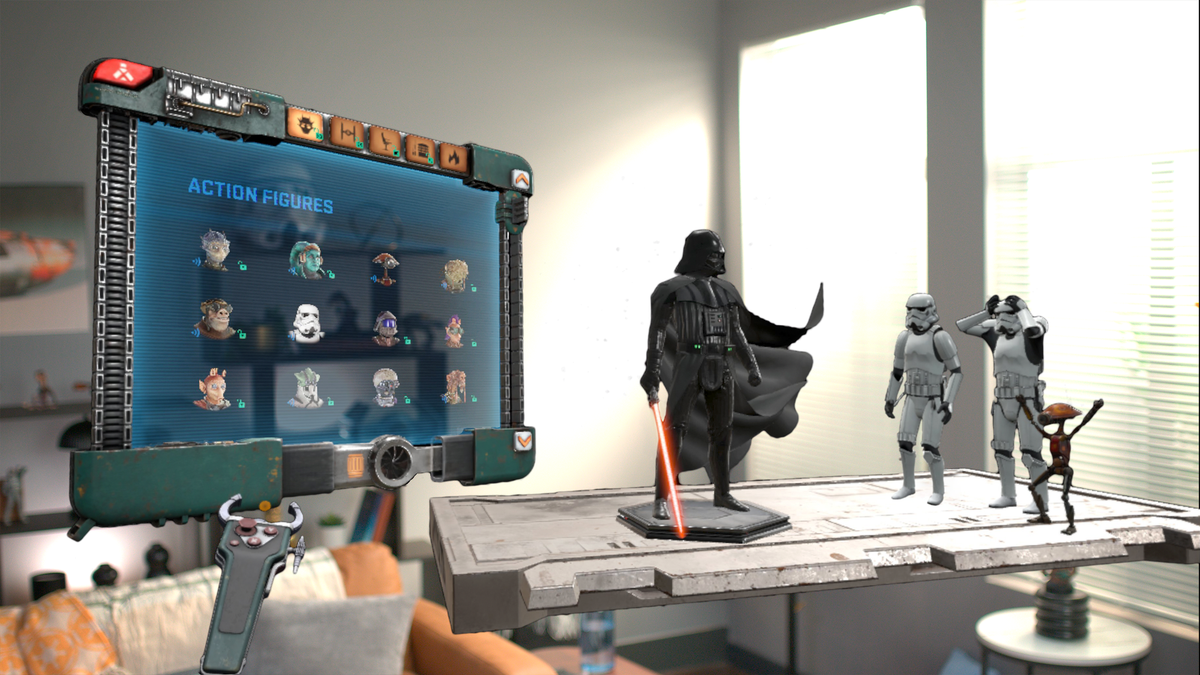
Star Wars: Beyond Victory is a mixed reality game launching on October 7 for Meta Quest 3 and 3S, featuring a Playset mode that allows players to build and interact with digital Star Wars scenes and figures in their own space, with realistic joint movement and interactive props, offering a nostalgic and immersive experience.
Meta Quest 3 headsets will support Windows 11 in mixed reality starting December, allowing users to create a large multiple-monitor workstation experience. This development is part of Meta's efforts to enhance the Windows VR experience on its devices. However, the release date for Windows Volumetric Apps remains unannounced.
Meta's new v66 update for the Quest 3 VR headset addresses key issues like hand distortion and menu access, introducing wrist buttons and improved background audio for multitasking. These features, along with high-resolution Netflix support and other enhancements, will also be available on Quest 2 and Quest Pro. Additionally, improvements in idle power drain and a new sleep mode option aim to reduce the headset's downtime.
The Quest v66 update by Meta significantly reduces passthrough distortion and warping on the Quest 3 headset. It also introduces new features like wrist-mounted menu buttons for hand tracking, background audio and media controls, a new sleep mode, and the ability to hide apps in the library. The update is rolling out gradually, so users may experience a delay in receiving it.
Meta's latest update for Quest 2 and Quest 3 headsets enhances the Netflix viewing experience by allowing high-resolution streaming via the built-in browser, introduces a travel mode optimized for air travel, and includes new content for existing apps like Beat Saber and Supernatural.
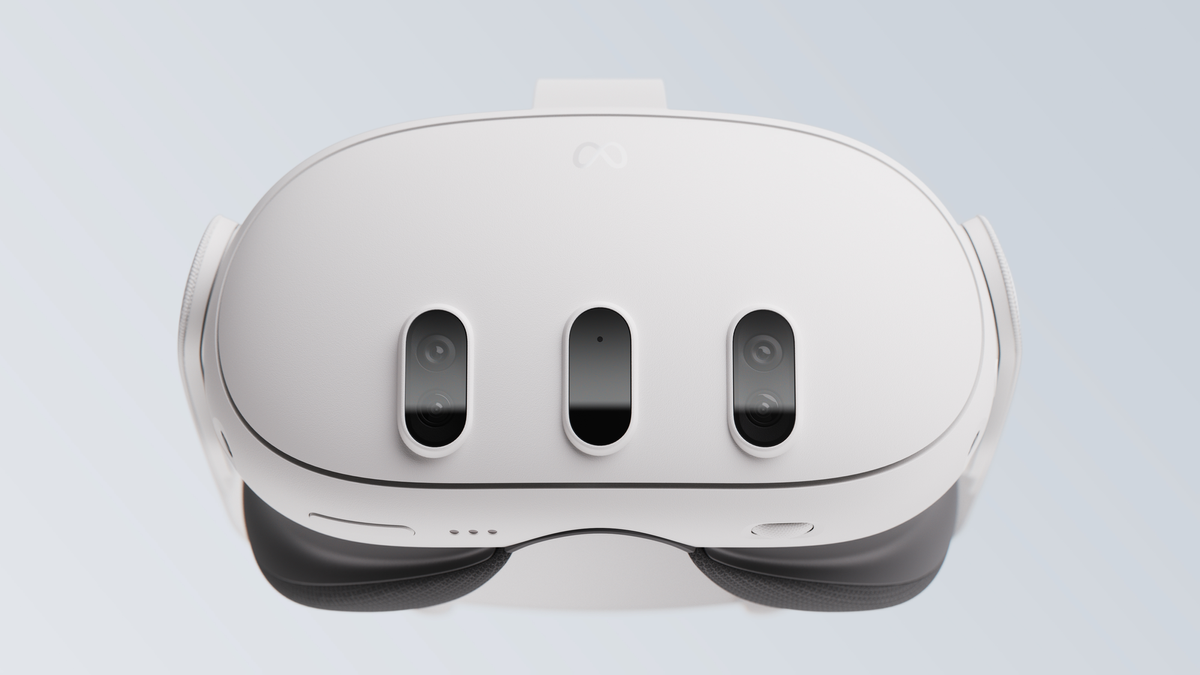
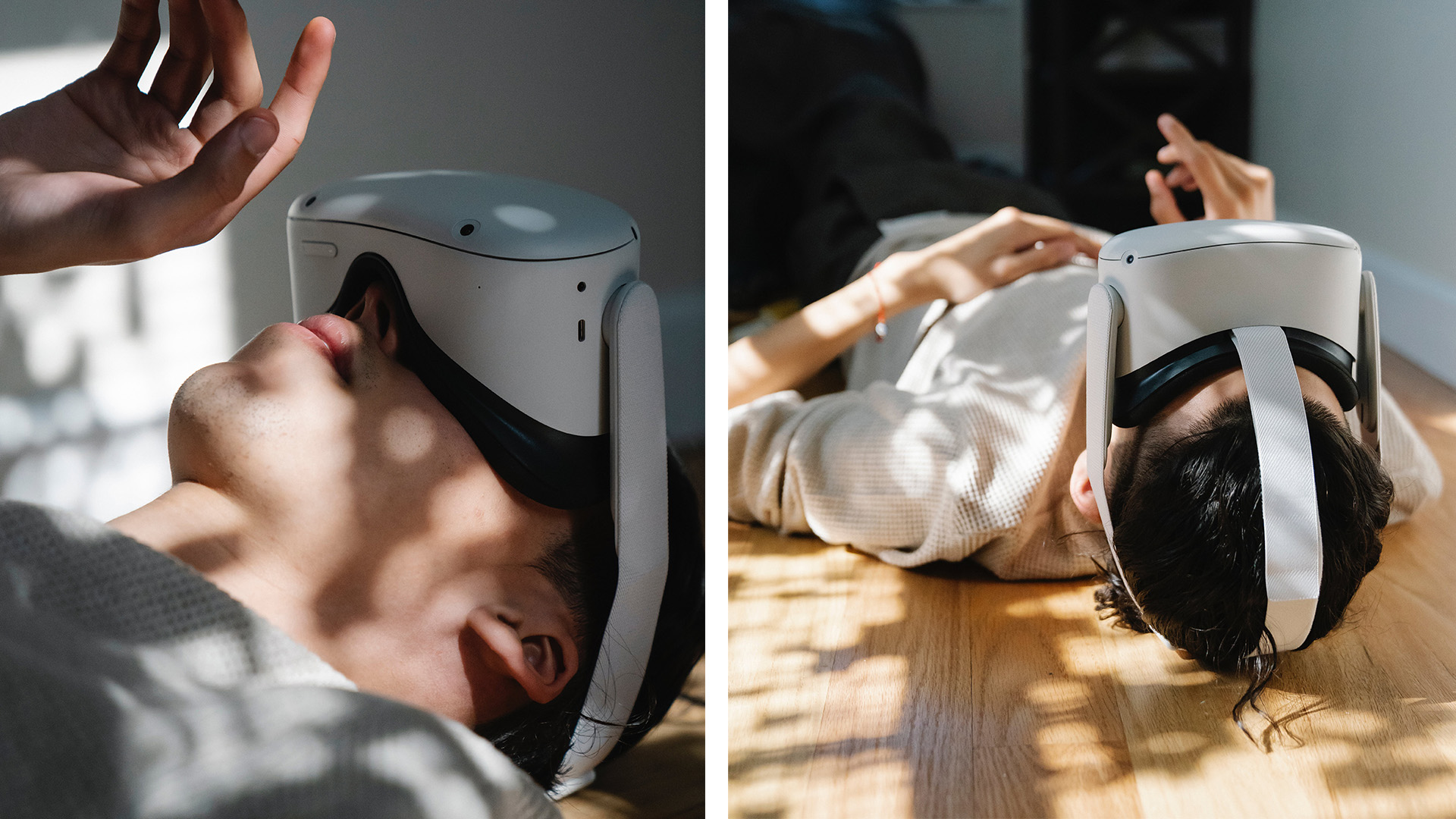
Meta's v64 software update for Quest 3 brings improved passthrough quality, support for external microphones, lying down mode, and continuous casting, enhancing the VR experience with better visuals, professional-grade audio, and added convenience for users.
The Meta Quest v64 system software update brings improved passthrough quality, external mic support, lying down mode, and continuous casting for Quest 3. The update enhances passthrough resolution, image quality, and reduces graininess, but doesn't address geometric warping distortion. It also allows the use of an external microphone and introduces lying down mode, previously available for Quest 2 and Quest Pro. Additionally, the update enables continuous casting even when the headset is taken off.
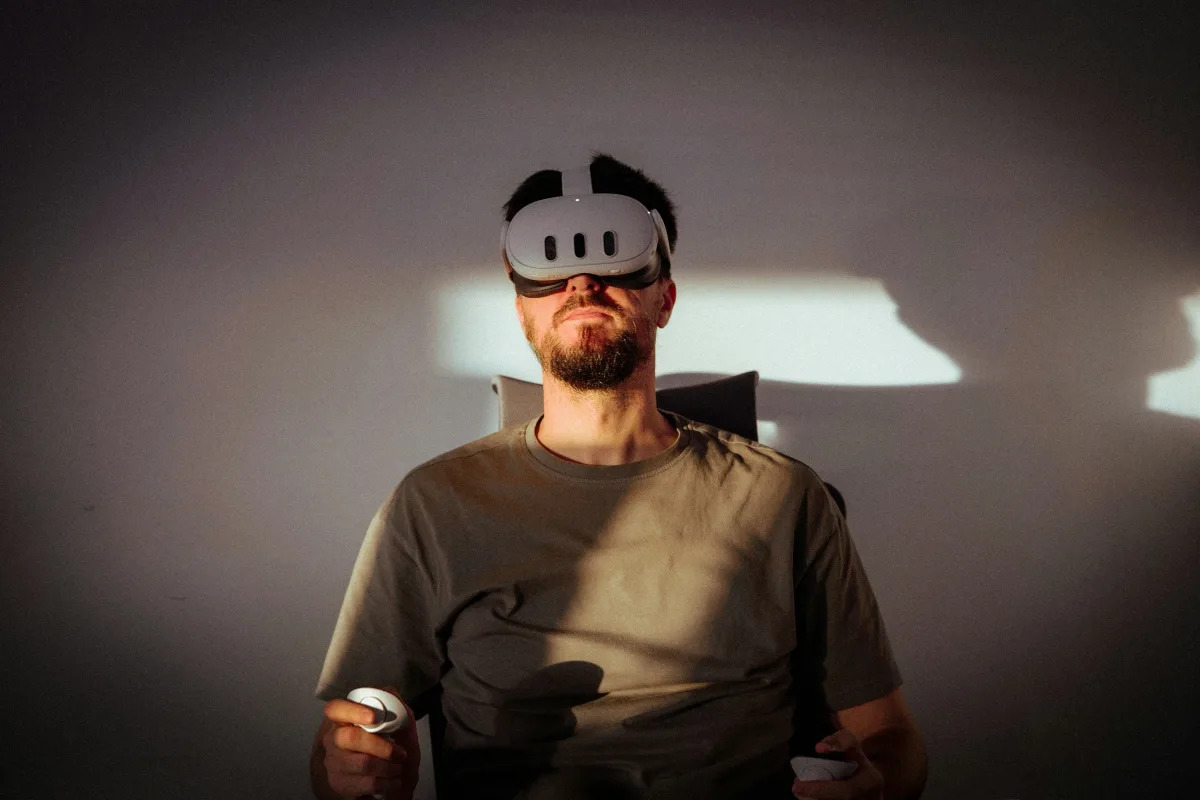
The lying down mode, introduced in the latest Quest update for Quest 2 and Quest Pro, will also be coming to Quest 3, according to Meta's CTO Andrew Bosworth. The delay is due to the different Guardian system in Quest 3, specifically the Smart Guardian feature, which requires adjustments to ensure reliable and safe implementation without compromising other safety features.
Meta CEO Mark Zuckerberg continues to criticize Apple's Vision Pro VR headset, reiterating his belief that the $3,500 Vision Pro is inferior to Meta's $500 Quest 3. He emphasized the importance of device weight, motion blur, and precision inputs, dismissing the Vision Pro's higher resolution as unnecessary given the tradeoffs. Zuckerberg also defended the Quest as more than just a gaming device, highlighting its social, browser, and video player apps. Analysts have noted that the Vision Pro is the device Meta aims to reach in 3-5 years, but Zuckerberg maintains that the Quest is currently superior in many ways.
Developers are experimenting with using both the Vision Pro and Quest 3 VR headsets simultaneously for quick passthrough testing, with one worn as an under-layer and the other held up as an outer-layer. The Vision Pro's go-to-sleep functionality makes it more convenient for this purpose, allowing developers to quickly test software on both devices. While wearing both headsets simultaneously wouldn't be useful for in-depth usability testing due to sensor placements, this method proves effective for glancing around inside VR quickly from the view inside another headset.