Immersive shows recreating the Titanic's voyage are popular worldwide, blending VR and video projections to offer transportative experiences, but critics question their ethical implications and accuracy, raising concerns about turning tragedy into entertainment while the market for such experiences continues to grow.
The first Netflix House has opened in King of Prussia Mall, offering fans immersive experiences like mini-golf, themed selfie spots, and multimedia shows, with plans for more locations including Dallas and Las Vegas, aiming to blend content with physical interaction and social media marketing.
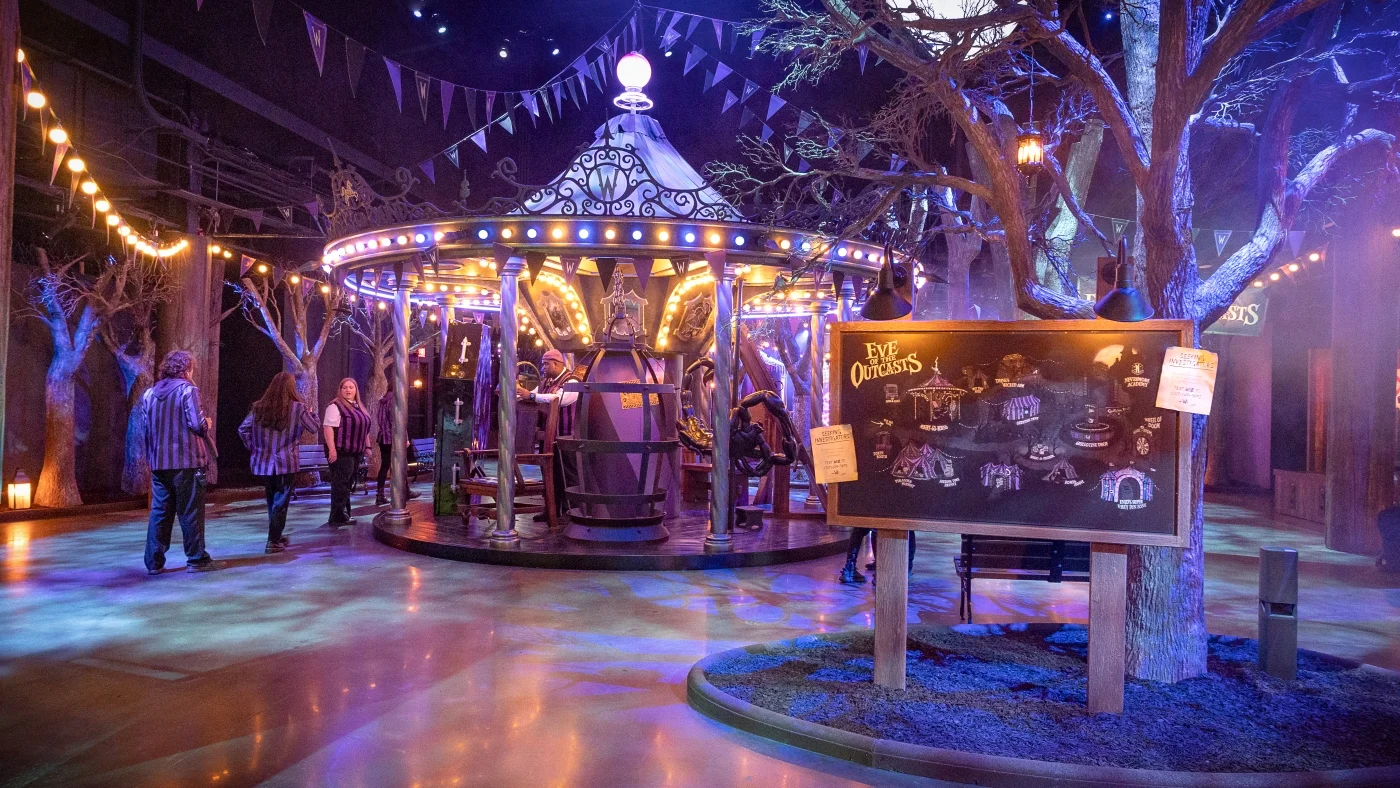
Netflix is expanding into physical entertainment with the opening of Netflix House in Pennsylvania, a large immersive attraction featuring shows like 'Wednesday' and 'Stranger Things,' with plans for additional locations in Dallas and Las Vegas, aiming to attract both local visitors and tourists, while also offering themed experiences, dining, shopping, and screenings.
Netflix has opened its first physical Netflix House outside Philadelphia, featuring immersive experiences based on popular shows like 'Wednesday' and 'One Piece,' along with tech-driven attractions like mini golf and VR, aiming to build fan engagement and adapt to the evolving entertainment landscape.
Netflix House Philadelphia, the company's first permanent entertainment venue, opens on November 12, featuring immersive experiences based on popular IPs like 'KPop Demon Hunters,' with plans for expansion to Dallas and Las Vegas, emphasizing local community engagement and flexible, rotating attractions.
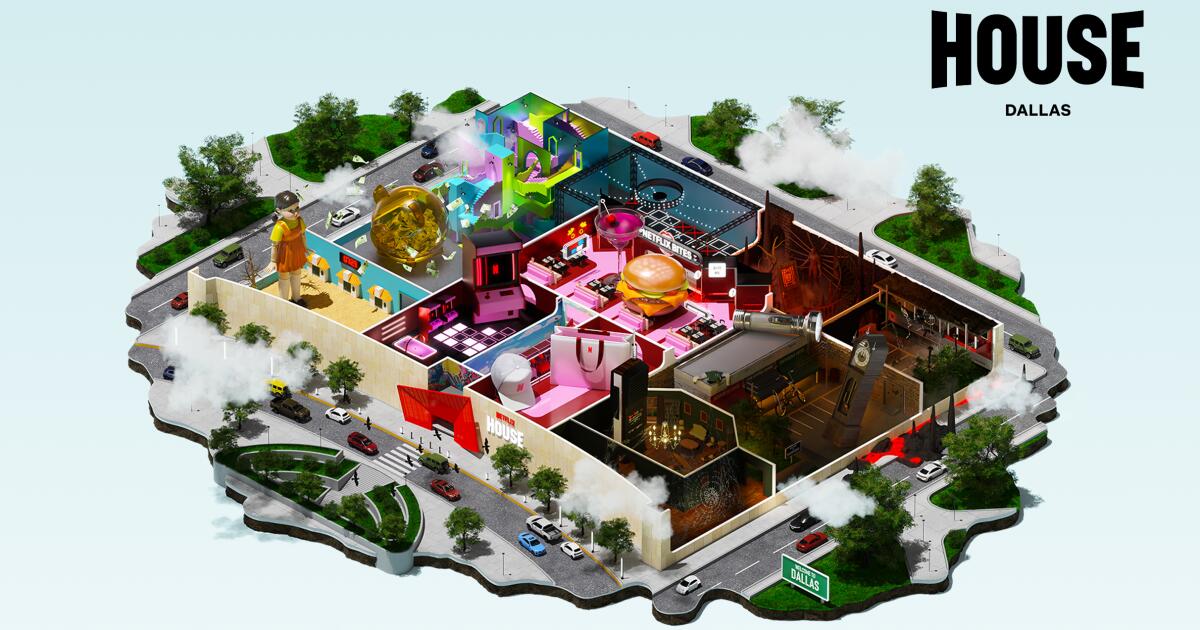
Netflix is opening its first two entertainment complexes in Dallas and near Philadelphia by the end of the year, featuring retail, dining, and immersive experiences based on popular shows, with a third location planned for Las Vegas in 2027.
Netflix is expanding its experiential entertainment with new Netflix House locations in Philadelphia, Dallas, and Las Vegas, featuring immersive experiences based on popular shows like Wednesday, One Piece, Stranger Things, and Squid Game, along with food, retail, and entertainment options, aiming to engage fans more frequently and create a new way to experience its content.
Netflix is expanding its physical presence with new Netflix House retail stores in Philadelphia, Dallas, and Las Vegas, offering merchandise, immersive activities, and themed experiences based on popular series like 'Wednesday', 'Squid Game', and 'One Piece'. These locations aim to engage fans through interactive games, virtual reality, and exclusive food and merchandise, continuing Netflix's efforts to connect with audiences beyond streaming.
Netflix will open its first permanent 'Netflix House' venues in Philadelphia and Dallas in late 2025, with a third location planned for Las Vegas in 2027. These large-scale venues will feature immersive experiences based on popular Netflix IPs like 'Wednesday,' 'Squid Game,' 'One Piece,' and 'Stranger Things,' including themed games, restaurants, and merchandise, with plans for future rotating experiences.
Visual effects house DNEG has acquired the exclusive license to Ziva from Unity, integrating the Ziva toolset into their technology stack to enhance digital character and creature work for film, TV, gaming, and immersive experiences. This move aligns with DNEG's strategy of investing in technology and supports their launch of DNEG IXP, enabling the creation of feature film-quality digital characters and creatures in gaming and immersive environments. The acquisition also brings a significant proportion of the Ziva team onboard, further strengthening DNEG's position in the industry.
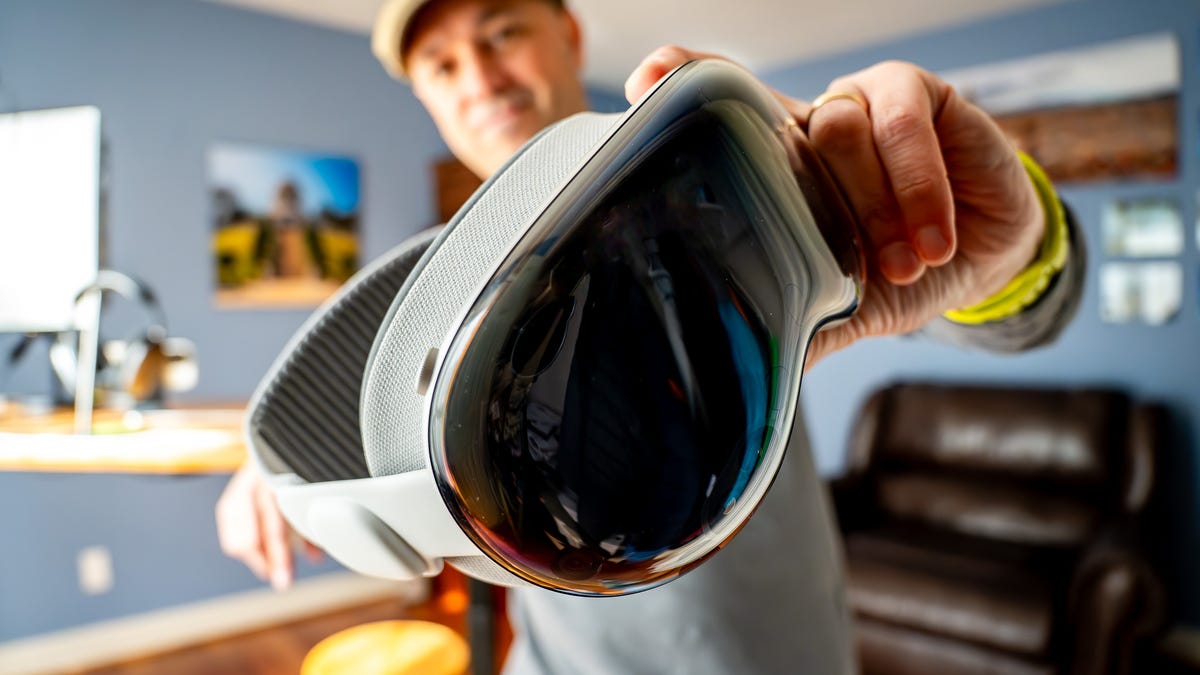
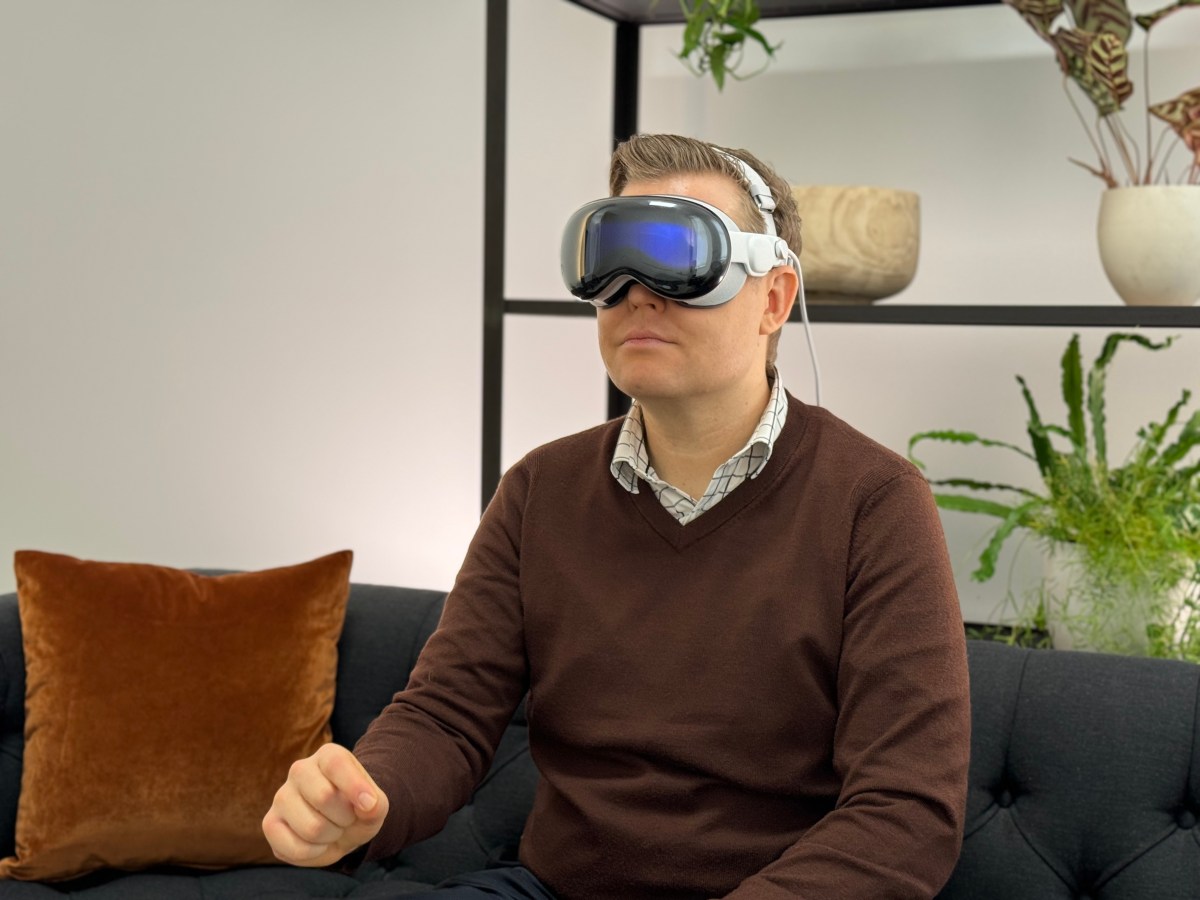
The Apple Vision Pro offers groundbreaking features like spatial video and immersive environments, but it has flaws such as the need for frequent recalibration, discomfort during extended use, and limited applications. While it showcases the future of technology, it may not be worth the $3,500 investment for most consumers. The headset's potential for immersive digital experiences and its spatial capture capabilities are impressive, but improvements in eye tracking, hand controls, collaborative experiences, form factor, and spatial captures are needed for future models. Despite its current limitations, the Vision Pro hints at the sci-fi future of technology and is expected to evolve into a more practical and affordable product in the future.
Apple's Vision Pro headset, available for pre-order on January 19th and launching on February 2nd, will feature 'Guest' and 'Travel' modes, and provide access to over 150 3D movies across various streaming services. The headset will also support immersive experiences, including 180-degree 3D 8K videos with spatial audio and exclusive Disney+ environments. While primarily marketed for passive media consumption, Vision Pro will also support real-time immersive experiences and volumetric apps, with the addition of 'Guest' mode for sharing the headset and 'Travel' mode for stabilizing visuals during travel.
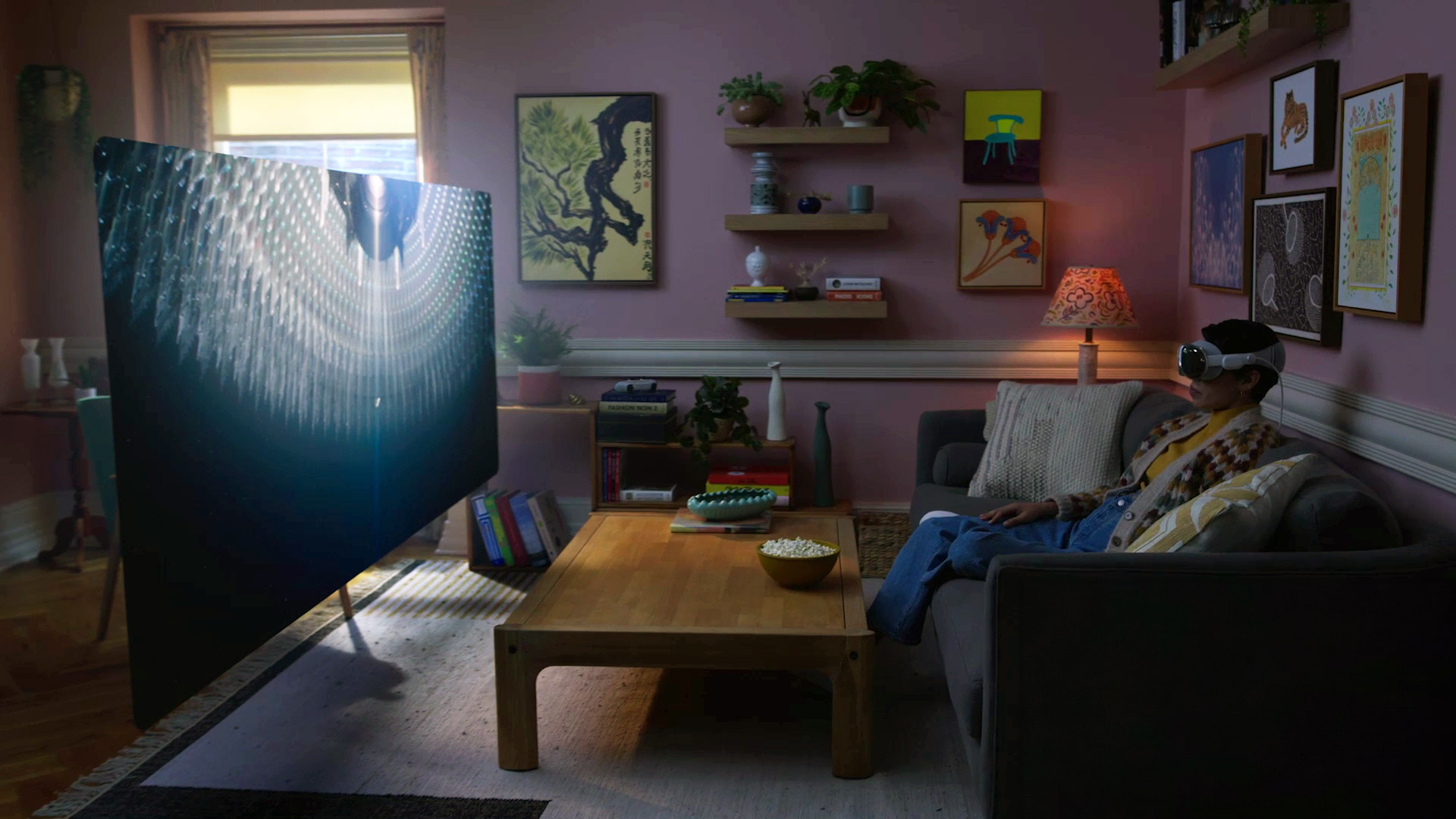
Apple's new Vision Pro headset offers a mixed reality experience, blurring the lines between augmented and virtual reality. With a focus on spatial computing, the device features high-resolution micro-LED screens and a spatial audio system. The headset's immersive capabilities were demonstrated through various experiences, including movie watching, spatial desktop usage, and interactive environments. However, with a price tag of $3,500 and limited content offerings, its appeal may be limited for now.
Researchers at the City University of Hong Kong and other institutes in China have developed a skin-integrated multimodal haptic interface that delivers multi-dimensional tactile signals directly on the skin, enhancing virtual reality (VR) and augmented reality (AR) experiences. The interface selectively stimulates different receptors, reproducing tactile sensations corresponding to various textures. By combining electrical stimulation and mechanical actuation, the researchers have achieved diverse and immersive tactile feedback effects. This innovation bridges the gap between these two approaches and opens new possibilities for creating highly immersive VR content accompanied by realistic tactile sensations.
Researchers have developed a non-contact technology that can simulate cold sensations in virtual reality (VR) without actually changing skin temperature. By combining cold airflow and light, the system induces cold sensations while maintaining consistent skin temperatures. This breakthrough has the potential to revolutionize VR experiences by providing instantaneous and sustained thermal sensations, enhancing immersion for users. The technology offers a novel approach to simulating persistent thermal experiences in VR environments, particularly in the Metaverse.