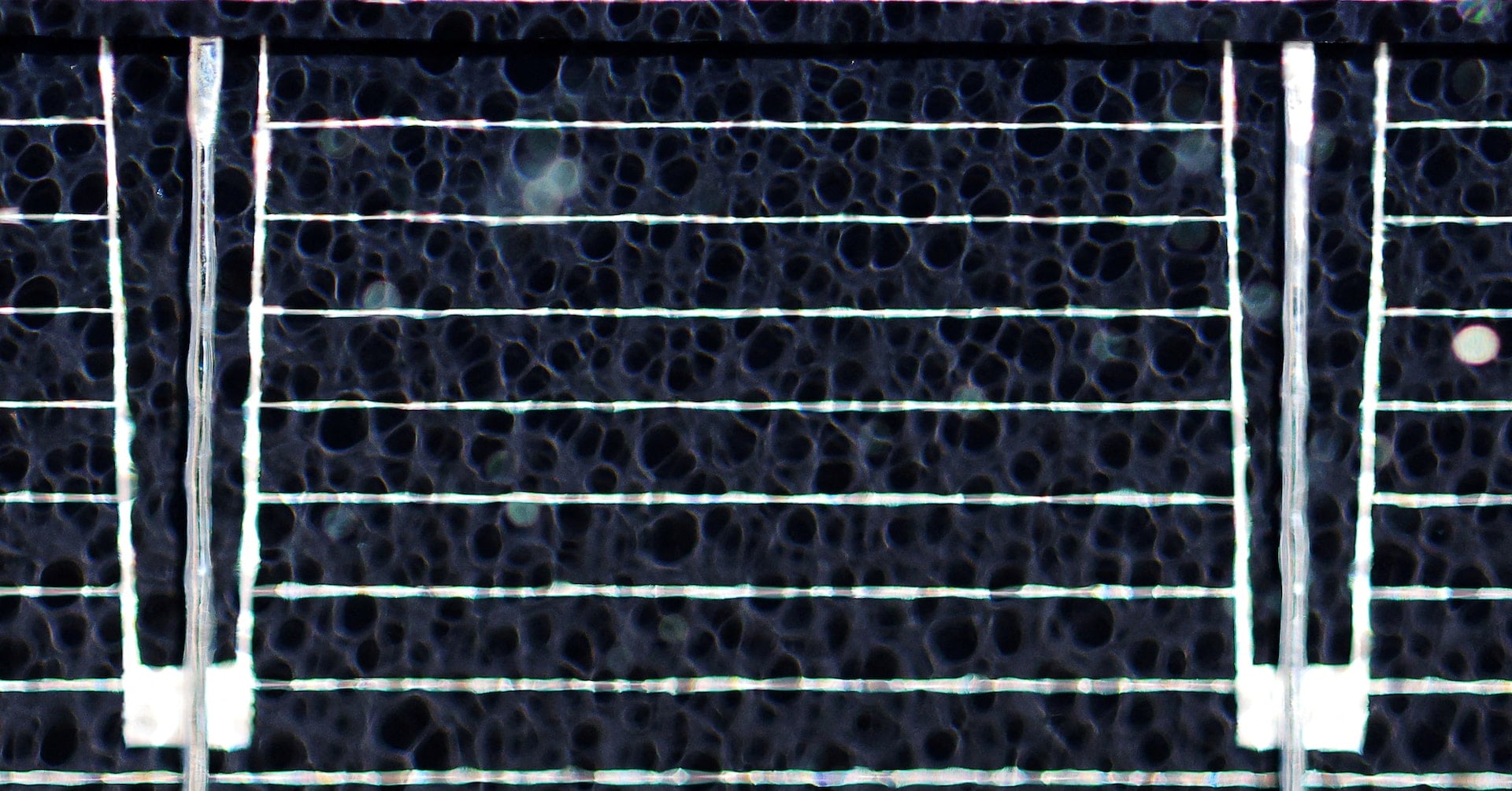
Researchers at Loughborough University have discovered that hotter solar panels improve energy storage efficiency, challenging traditional views and potentially enabling more affordable and effective solar systems in hot climates, with the optimal temperature around 45°C.
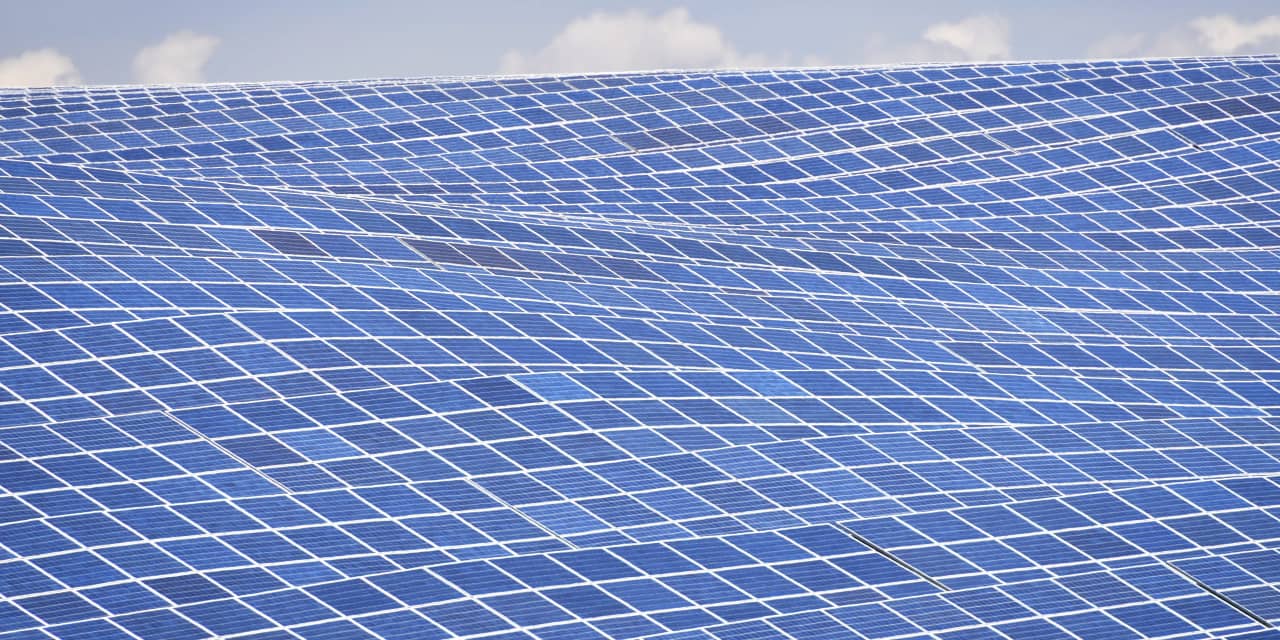
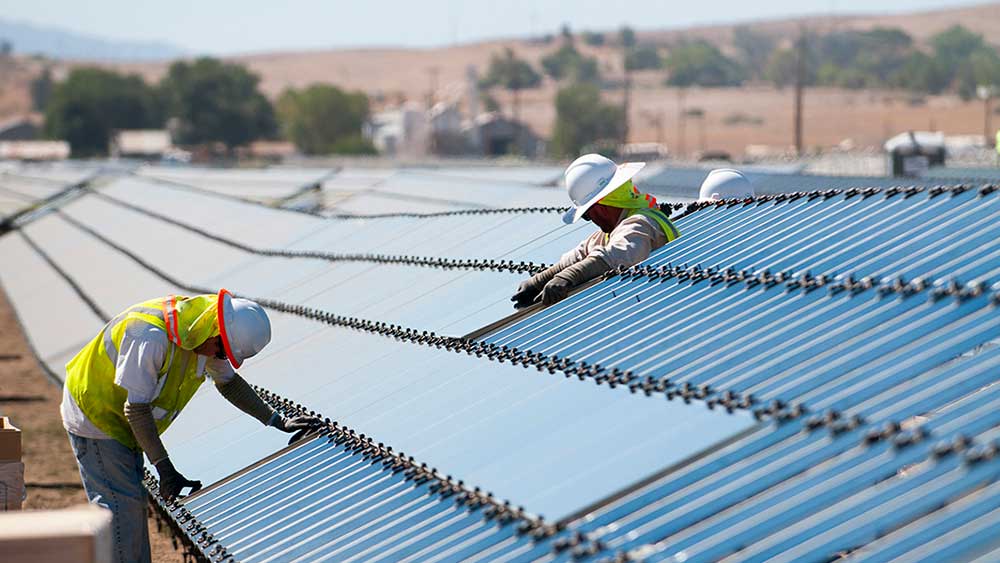
The Biden administration is expected to reverse a two-year-old trade exemption that allowed imports of a dominant solar panel technology from China and other countries to avoid tariffs, in response to a request by South Korea’s Hanwha Qcells. This decision is aimed at protecting a pledged $2.5 billion expansion of Qcells' U.S. solar manufacturing presence against competition from cheaper Asian-made products. The move has caused shares of solar manufacturers, including U.S.-based First Solar, to rise. The decision is part of the administration's efforts to address threats posed by China's massive investment in clean energy goods and to ensure a level playing field for U.S. companies and workers in the solar industry.
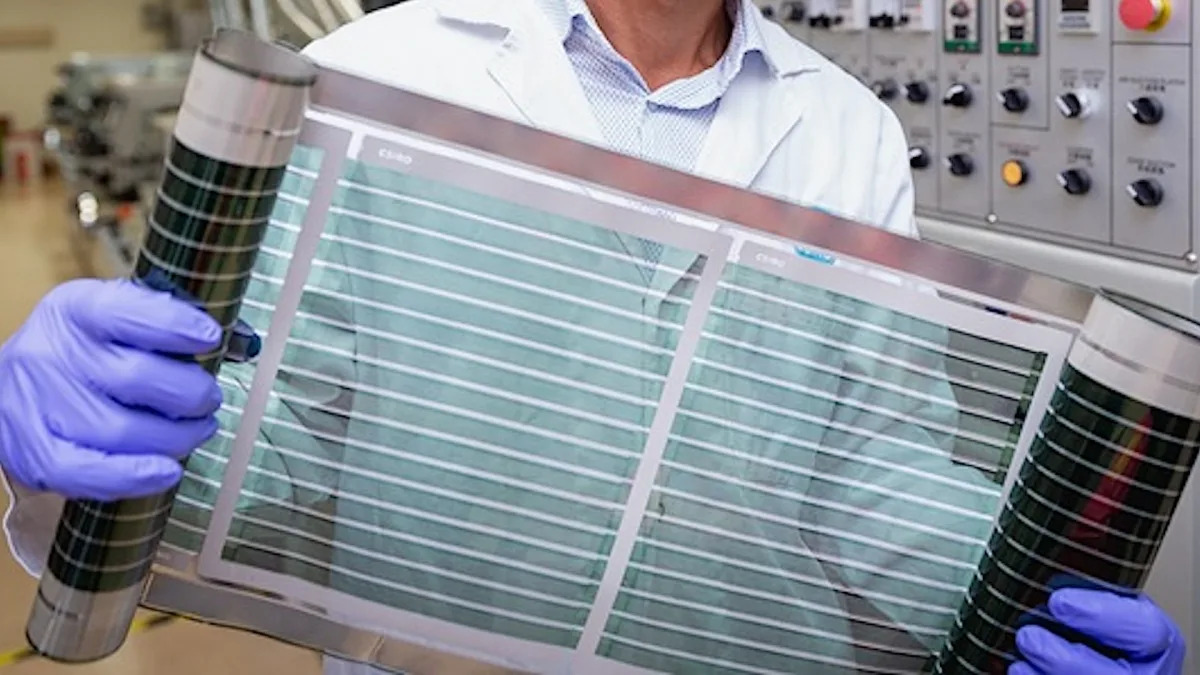
Scientists at Australia's CSIRO have made a major breakthrough in developing lightweight, printable solar cells with various applications, including integration into buildings, vehicles, clothing, and wearable devices. The cells, made using perovskite materials, have shown promising efficiency rates and are being produced using a cost-effective printing process. This innovation could lead to more accessible and sustainable solar power solutions, potentially reducing energy costs for homeowners and contributing to environmental benefits.
Ambient Photonics showcased innovative solar technology at CES 2024, featuring indoor solar cells that can power devices using ambient light, aiming to replace traditional batteries in small electronics like remotes, keyboards, and sensors. The solar cells, made of two glass sheets with a dye in between, can yield three times the energy of older cells, and are designed for low-light indoor environments. The company announced partnerships to develop ambient solar mice and a new consumer product with Google, and plans to release devices using their solar cells later this year, offering a potential solution to the reliance on traditional batteries in consumer electronics.
First Solar's stock surged after the U.S. Treasury released new rules allowing solar manufacturers to receive extra tax credits for making products in the U.S. The company also announced a deal to acquire European solar tech firm Evolar.
First Solar announced its acquisition of Evolar AB for up to $80 million, which caused FSLR stock to soar above a resistance level and lift other solar stocks as well. The acquisition is expected to speed up the development of next-generation solar technology, including highly efficient tandem devices. FSLR stock leapt 26.5% to 231.69 in huge volume, clearing resistance around 220 and regaining its 50-day moving average for the first time since late April.
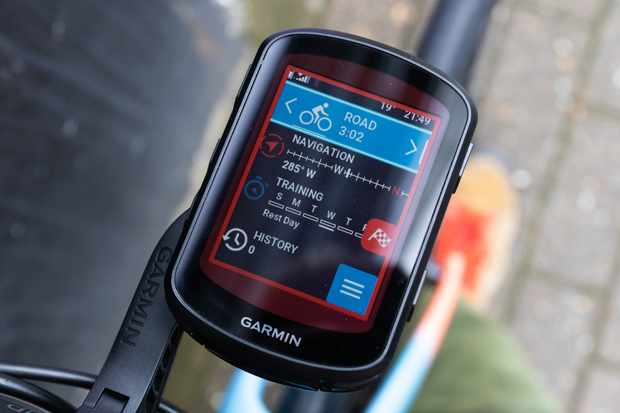
Garmin has launched its new Edge 840 and 540 Solar bike computers, which recharge with sunlight when riding. The new computers feature improved mapping, multi-band satellite tracking, and ClimbPro 2.0, enabling riders to see the profile of an upcoming climb without navigation. The Edge 840 Solar retails for £519.99/$599/€599.99/AU$879 and the 540 Solar for £449.99/$499/€499.99/AU$749. Garmin is also launching the Edge 840 and 540, which forego solar charging but otherwise share the same features.