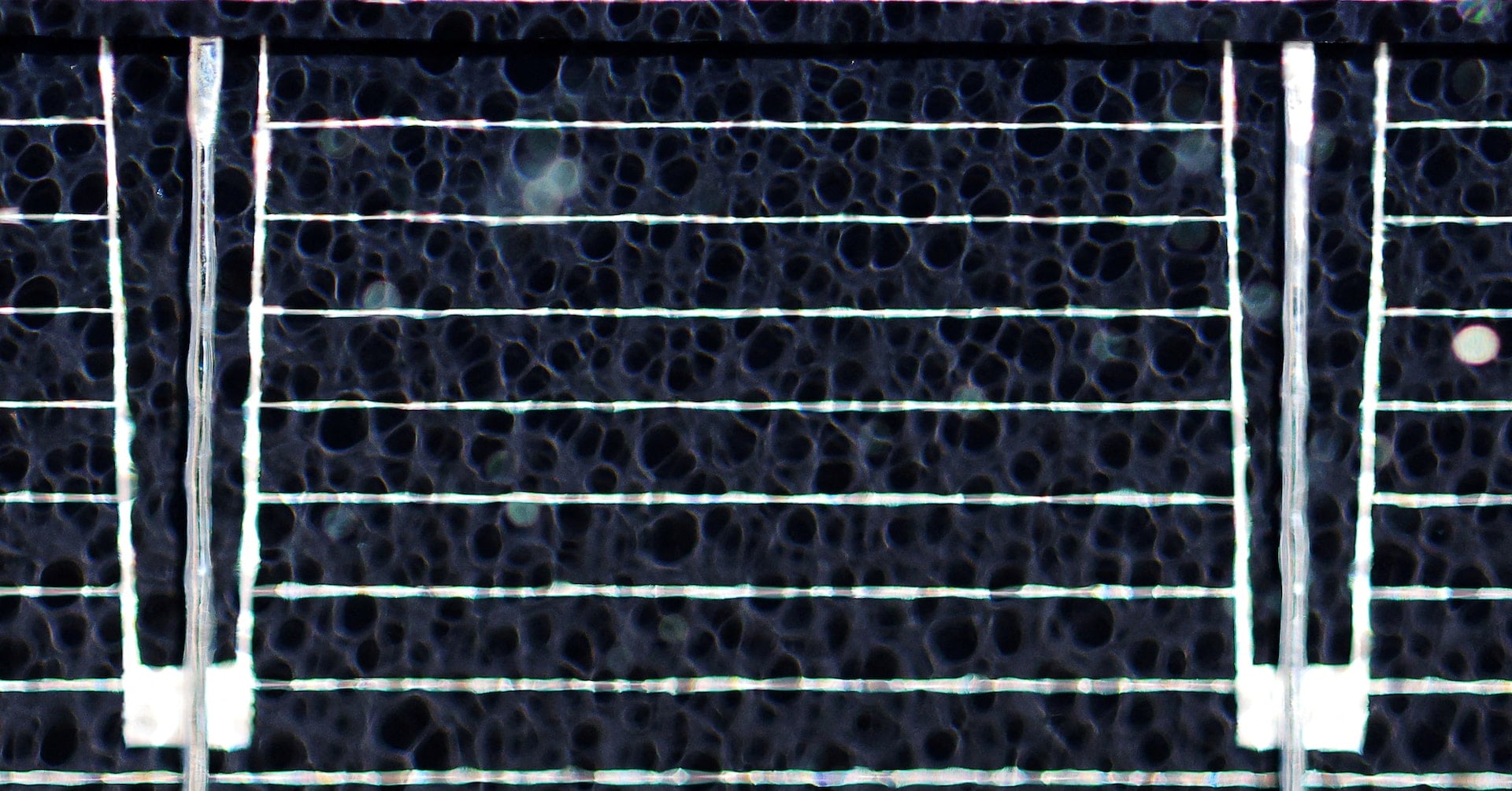
The Biden administration is expected to reverse a two-year-old trade exemption that allowed imports of a dominant solar panel technology from China and other countries to avoid tariffs, in response to a request by South Korea’s Hanwha Qcells. This decision is aimed at protecting a pledged $2.5 billion expansion of Qcells' U.S. solar manufacturing presence against competition from cheaper Asian-made products. The move has caused shares of solar manufacturers, including U.S.-based First Solar, to rise. The decision is part of the administration's efforts to address threats posed by China's massive investment in clean energy goods and to ensure a level playing field for U.S. companies and workers in the solar industry.
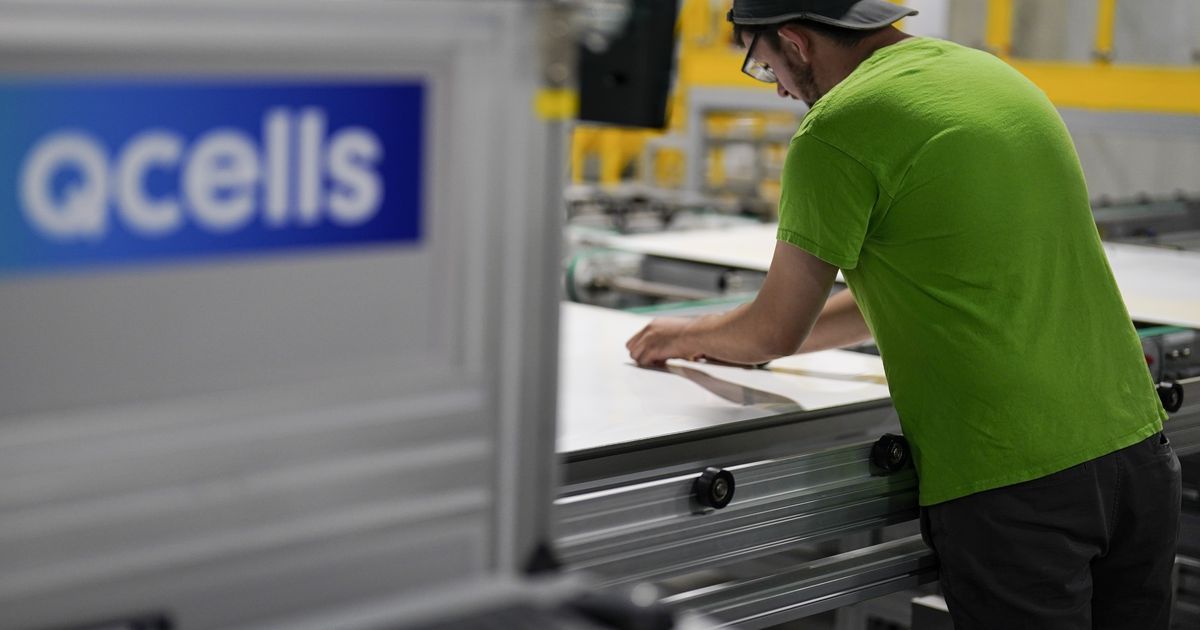
Solar panel manufacturer Qcells has completed the expansion of its Dalton factory in Georgia, making it the largest solar plant in the Western Hemisphere. The factory can now produce over 5.1 gigawatts of solar panels annually, adding 510 new jobs and employing a total of 1,800 people. Qcells is also building a second factory in Cartersville, which is expected to employ another 2,000 workers and have a fully integrated domestic supply chain. Once both plants are operational, Qcells will be able to produce 8.4 gigawatts of panels each year, contributing to Georgia's emergence as a major player in clean energy and electric vehicles. The expansion was made possible by federal tax credits and Georgia's economic development efforts.
The Biden administration has announced the largest community solar effort in US history, which will power 140,000 homes and businesses in Illinois, Maine, and Maryland. The deal was announced during Vice President Kamala Harris' visit to the Qcells solar panel factory in Georgia. The project will require the manufacturing of 2.5 million solar panels at Qcells' plant in Dalton, Georgia, and will be made possible by tax credits in the Inflation Reduction Act. Community solar projects allow people to tap into solar power generated at a shared site rather than on individual rooftops and are a way for renters and those without access to rooftop solar panels to receive the benefits of clean energy.
Vice President Kamala Harris will announce a commitment between Qcells and Summit Ridge Energy to deploy 1.2 GW of community solar power, generating enough clean electricity to power 140,000 homes and businesses. The deal will require the manufacturing of 2.5 million solar panels and is the largest community solar order in U.S. history. The new plan is catalyzed by tax credits in the Inflation Reduction Act, and the panels will likely be deployed in Illinois, Maine, and Maryland.
Vice President Kamala Harris is expected to announce a historic commitment from Qcells and Summit Ridge Energy to deploy 1.2 gigawatts of community solar power, which is enough electricity to power 140,000 homes and businesses. The announcement will be among the vice president’s expected remarks on how the administration has helped grow jobs, strengthen the economy, address climate change, boost infrastructure spending and encourage domestic manufacturing. The $2.5 billion expansion, which will result in 2,500 additional jobs, is the type of investment Harris and the White House are highlighting in its “Investing in America” tour to promote President Joe Biden’s legislative agenda ahead of a likely 2024 re-election campaign.