A historic surge in silver prices, driven by speculation, dollar skepticism and solar-demand, sparked a global buying frenzy, market distortions and smuggling into China, while squeezing manufacturers with higher costs and raising the risk of sharp reversals for investors.
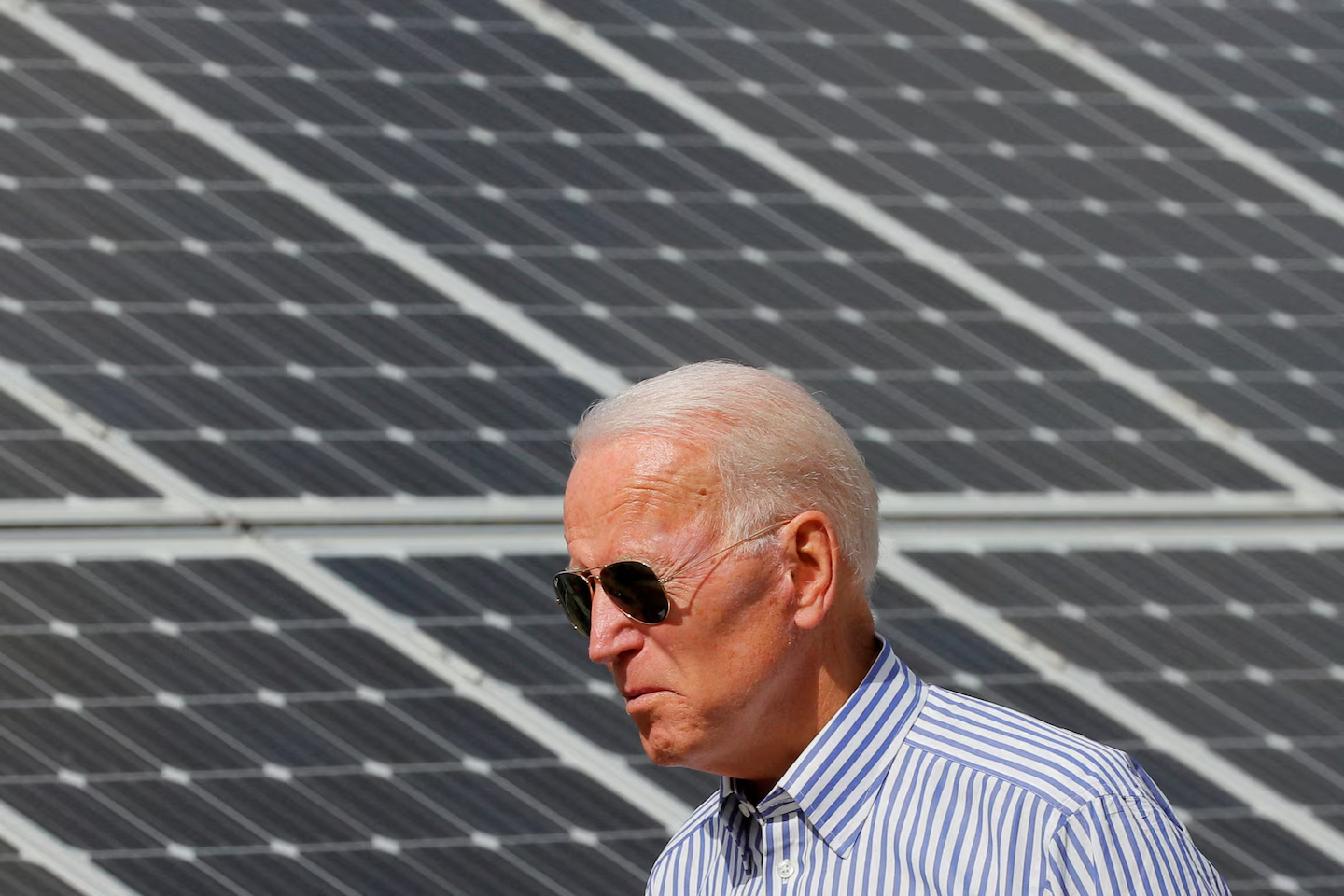
The U.S. solar manufacturing sector has seen significant growth due to recent incentives like the Inflation Reduction Act, but this progress is threatened by potential rollback of tax credits by Congress, which could slow domestic growth, increase costs, and leave the U.S. vulnerable to Chinese dominance in renewable energy supply chains.
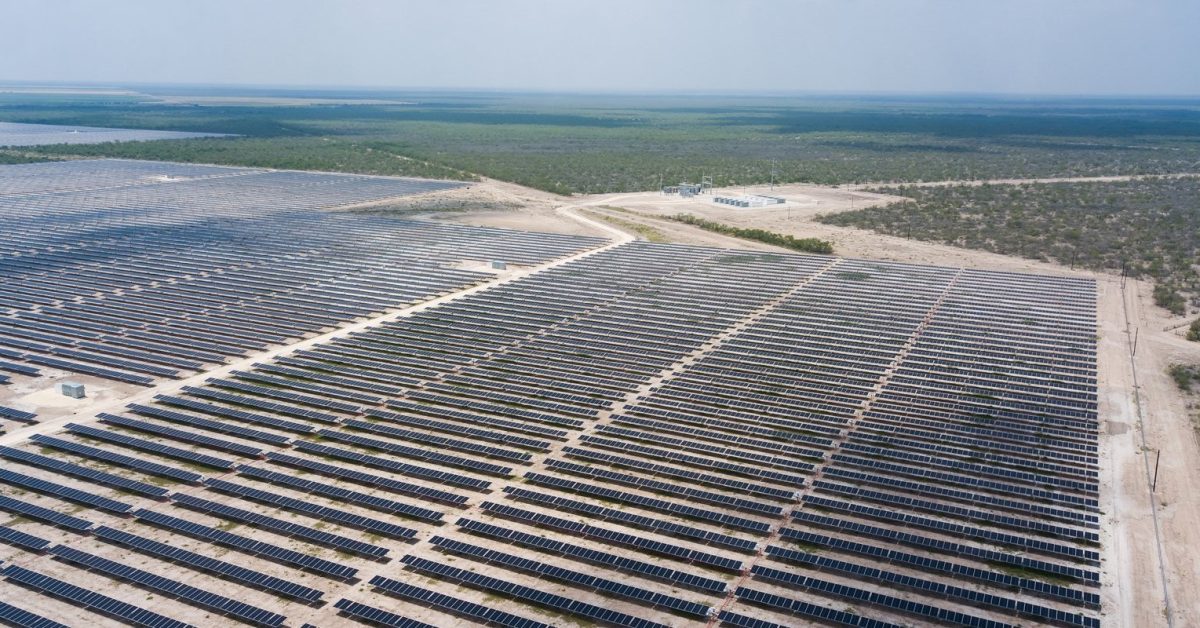
In Q1 2024, the US installed a record 11.8 GW of new solar panel manufacturing capacity, surpassing the total solar installations of 2018 and bringing the total installed capacity to 200 GW. This growth, driven by federal investments, saw significant contributions from states like Florida and Texas. Despite challenges in labor and equipment, the US solar industry is projected to continue its rapid expansion, potentially doubling its capacity by 2029.
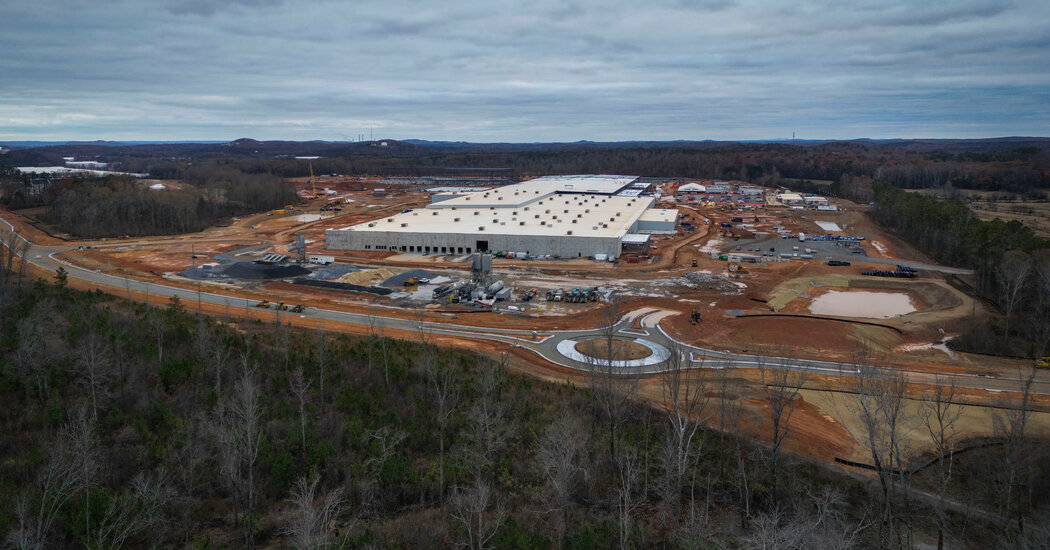
President Biden's clean energy push, as part of the Inflation Reduction Act, has led to a booming solar energy manufacturing industry in Georgia. However, the rapid expansion of solar panel production, both domestically and abroad, has created concerns of a potential glutted market that could drive down prices and threaten the industry's success. China's significant investment in solar panel components has resulted in production capacity that outstrips global demand, leading to lower prices. Some companies in the solar industry are calling for tougher enforcement of trade penalties and tax preferences for U.S.-made components to combat the influx of cheap Chinese imports. The Biden administration is monitoring the situation and considering potential policy responses, as the success of the clean energy initiative could become a political liability if not managed effectively.
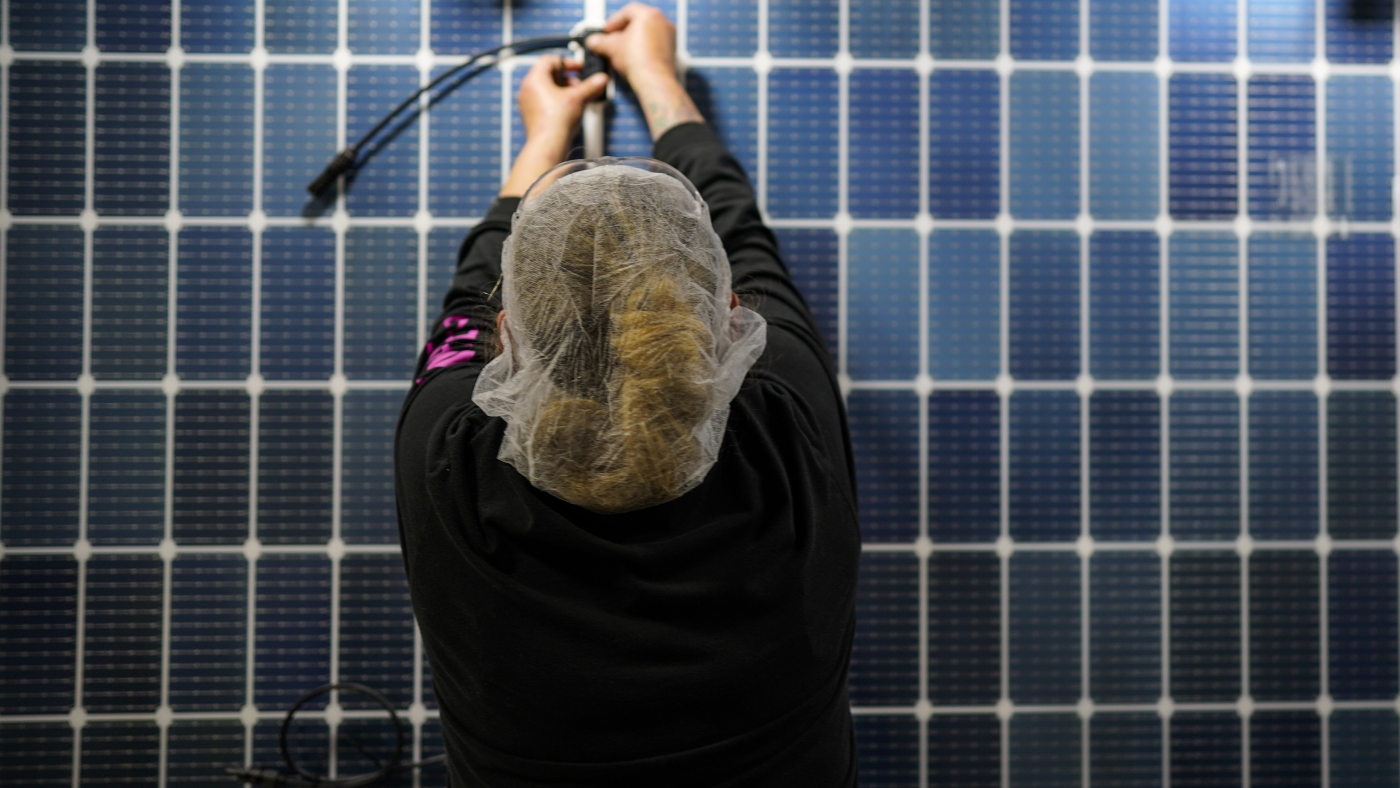
Solar manufacturing in the United States is experiencing a revival thanks to a combination of tax credits and trade protections provided by President Biden's Inflation Reduction Act. The law has incentivized solar companies to invest billions of dollars in new facilities, leading to the reshoring of solar jobs. Critics argue that while these efforts have been successful in the short term, they come at a high cost to taxpayers and may not be sustainable in the long run. However, proponents believe that the subsidies and tariffs are necessary to compete with China and build a robust domestic solar industry.
President Biden vetoed a resolution that would have restored tariffs on solar panels imported from certain Southeast Asian countries, saying that the resolution would undermine his administration’s efforts to create a strong domestic solar supply chain. The resolution, which passed the House and Senate in bipartisan votes, would have undone a Department of Commerce rule that suspended tariffs on solar panels imported from Cambodia, Malaysia, Thailand and Vietnam. Biden argued that the resolution would harm the development of the solar industry in the United States.