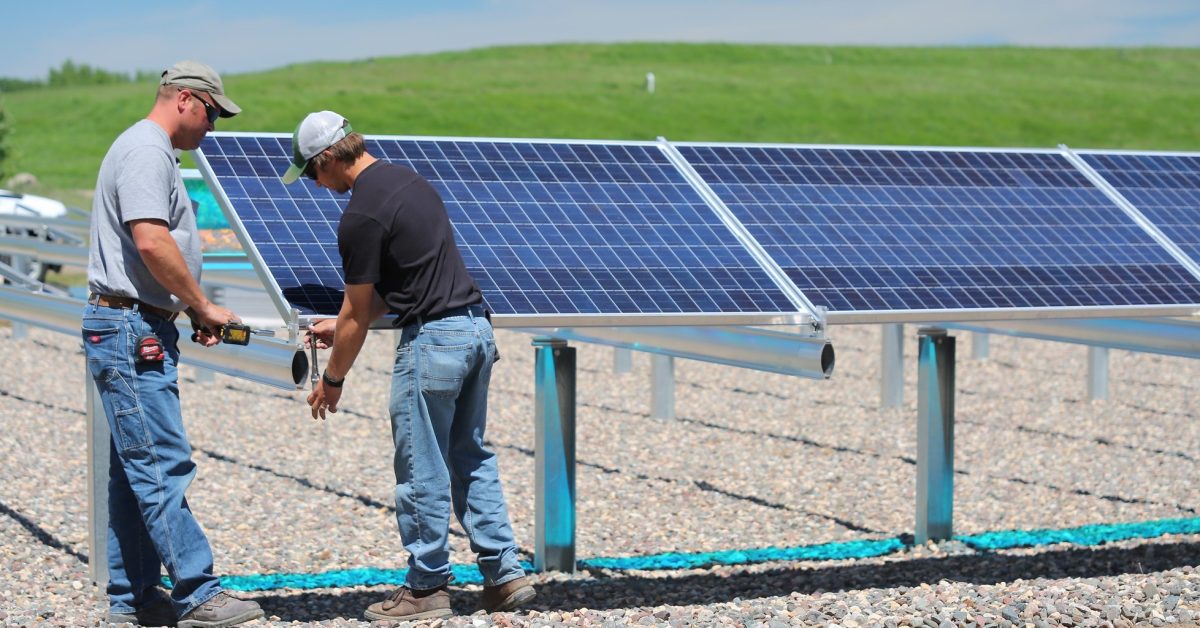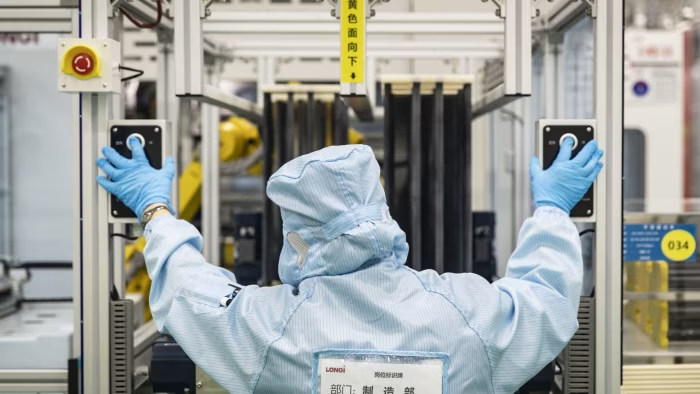
Chinese solar manufacturers face a significant overcapacity issue due to aggressive investments, leading to falling prices and profits. While this glut has caused financial strain domestically, experts suggest that leveraging this excess capacity for global renewable deployment could help meet climate goals and boost China's soft power. The industry is expected to stabilize as production constraints are implemented, but the overcapacity may persist, presenting both challenges and opportunities for China's role in global clean energy efforts.
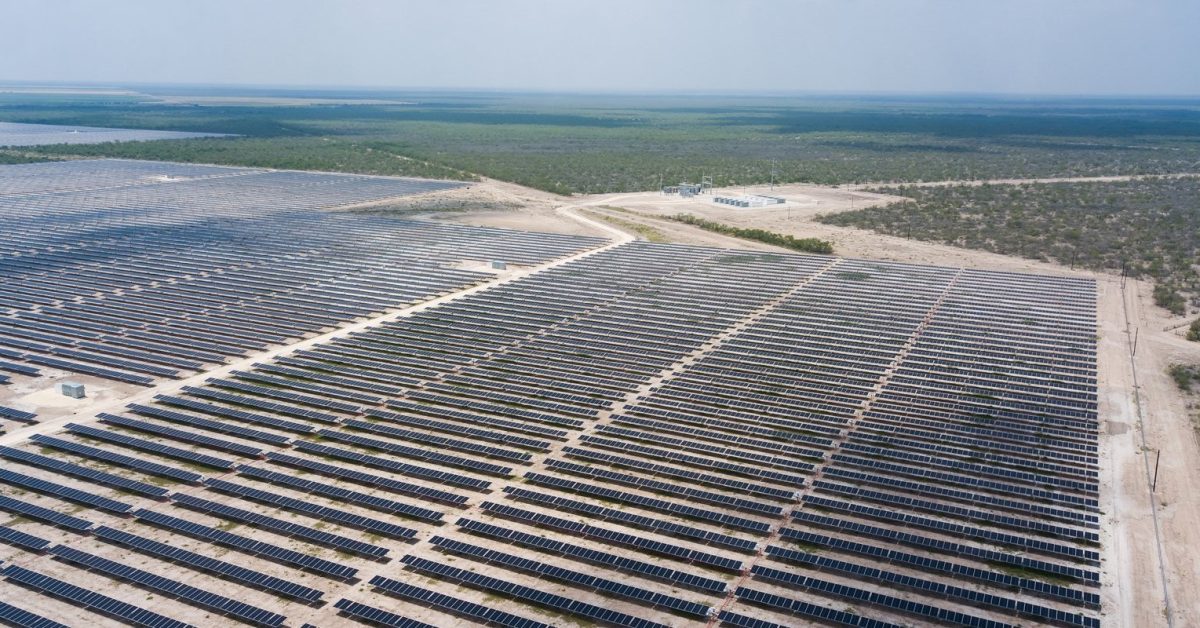
In Q1 2024, the US installed a record 11.8 GW of new solar panel manufacturing capacity, surpassing the total solar installations of 2018 and bringing the total installed capacity to 200 GW. This growth, driven by federal investments, saw significant contributions from states like Florida and Texas. Despite challenges in labor and equipment, the US solar industry is projected to continue its rapid expansion, potentially doubling its capacity by 2029.
The US solar market is expected to triple in size over the next five years, achieving a total installed solar capacity of 378 GW by 2028, due to strong Q1 2023 numbers and a surge in demand. The Biden administration’s Inflation Reduction Act has spurred a surge of new manufacturing announcements, with US module capacity expected to rise from fewer than 9 GW today to more than 60 GW by 2026. The residential segment installed 1.6 GW of solar capacity in Q1 2023, a 30% increase from Q1 2022, and the commercial market had a record first quarter, with 391 MW installed.