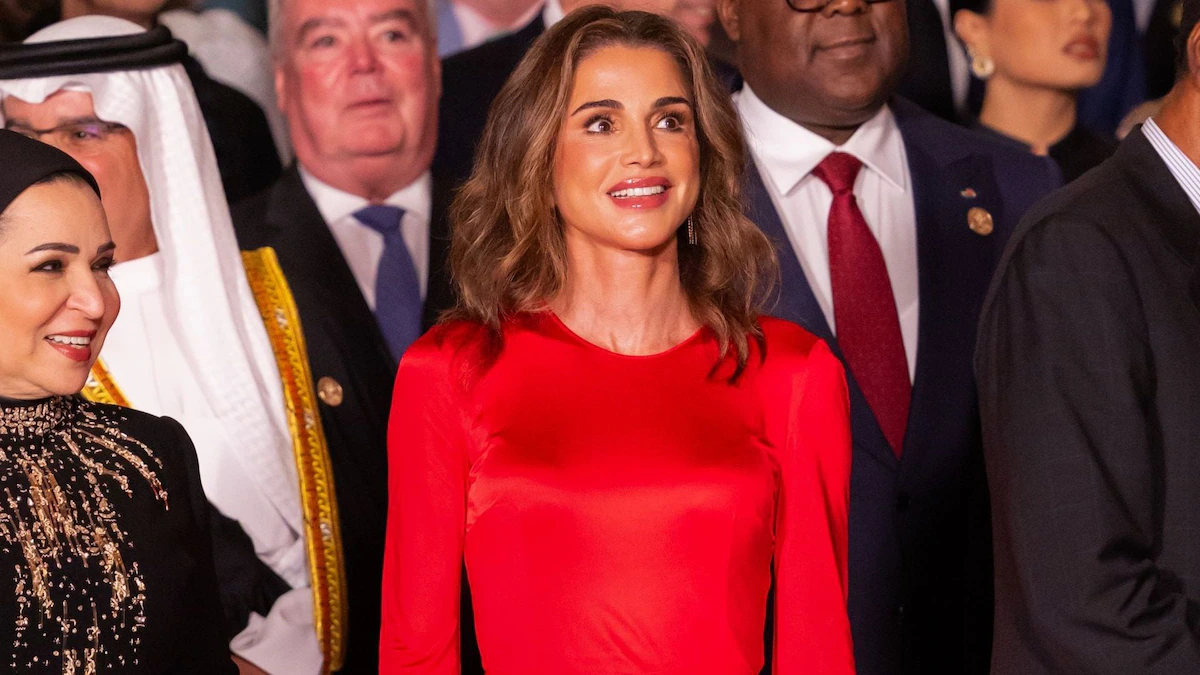
Queen Rania of Jordan attended the opening of the Grand Egyptian Museum wearing a custom-made red gown inspired by ancient Egyptian dress, symbolizing a blend of tradition and modernity, and highlighting cultural diplomacy during the event.
Bill Burr defends his decision to perform at the Riyadh Comedy Festival, citing a shift in his perception of Saudi Arabia from a dangerous place to a modern country with McDonald's and American brands, while facing criticism for participating in an event funded by the Saudi government. He frames his trip as a form of diplomacy and dismisses the controversy as outdated stereotypes and hypocrisy, highlighting the complex motivations behind his decision.
Marc Maron and other comedians criticized the Riyadh Comedy Festival for being used by Saudi Arabia to distract from its human rights abuses, with some comedians refusing to perform on principled grounds or due to financial incentives, amid broader controversy over cultural events in the country.
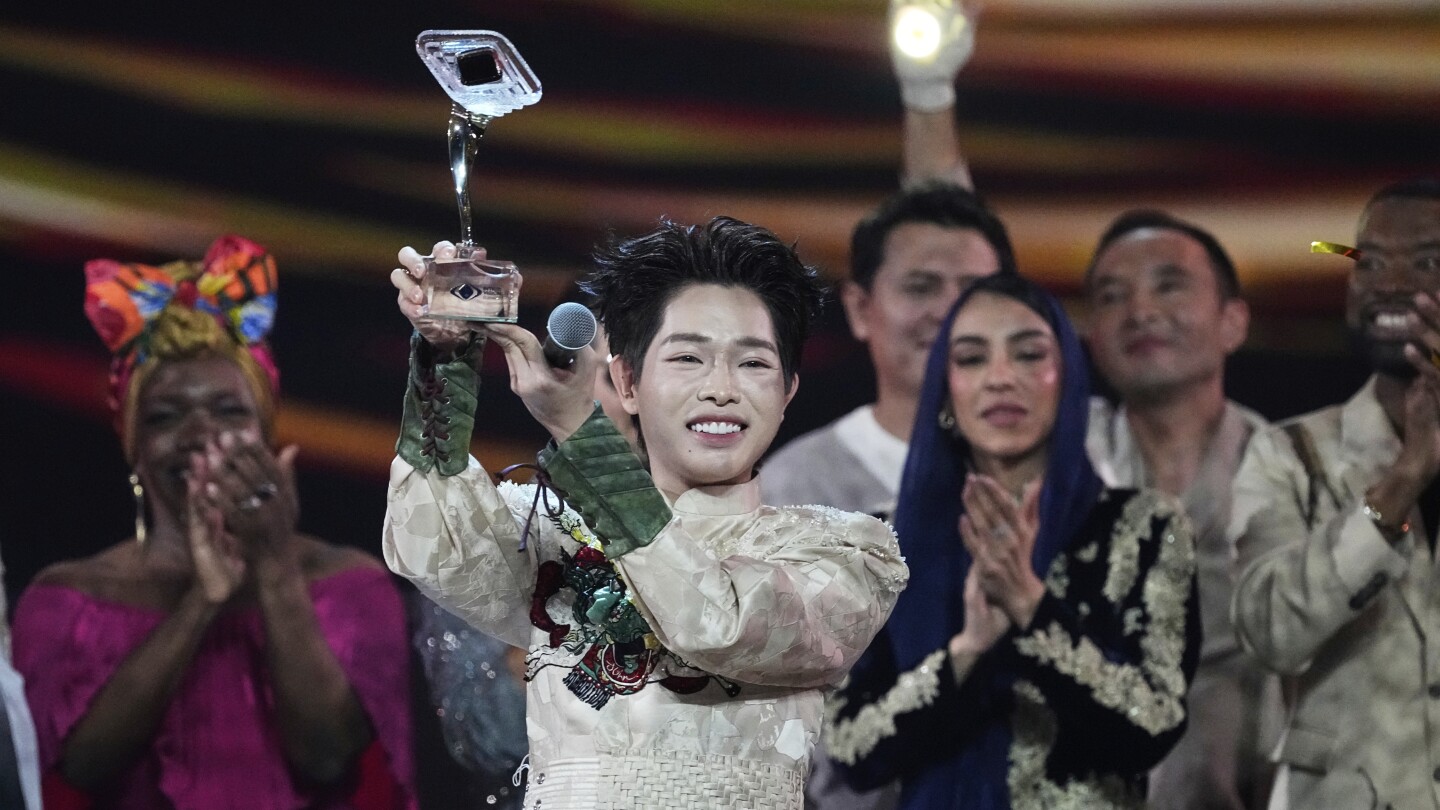
Russia's new Intervision song contest, seen as a geopolitical tool and a Russian answer to Eurovision, crowned Vietnamese singer Duc Phuc as its first winner amid political controversies and limited international fan engagement, with future editions planned in Saudi Arabia.
Vietnamese singer Duc Phuc won Russia's revived Intervision song contest, a Cold War-era alternative to Eurovision, which aims to promote traditional values and anti-Western narratives, with participation from over 20 countries, though the US withdrew due to political pressure.
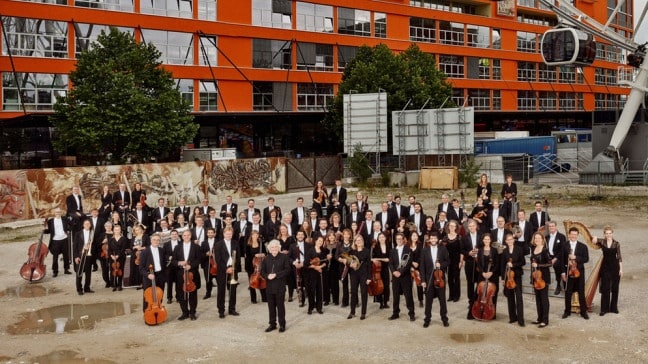
Sir Simon Rattle criticized the decision to ban Lahav Shani from the Flanders Festival in Ghent, emphasizing that music should promote peace and understanding, especially during conflicts like the Gaza crisis. The Bavarian Radio Symphony Orchestra expressed solidarity with the Munich Philharmonic, condemning the politicization of cultural events and advocating for artists who promote unity.
Woody Allen defended his participation in the Moscow film festival amid Ukrainian condemnation, emphasizing his belief in maintaining artistic dialogue despite political conflicts, and expressed admiration for Russian cinema, while Ukraine criticized his appearance as a betrayal of Ukrainian victims of Russian war crimes.
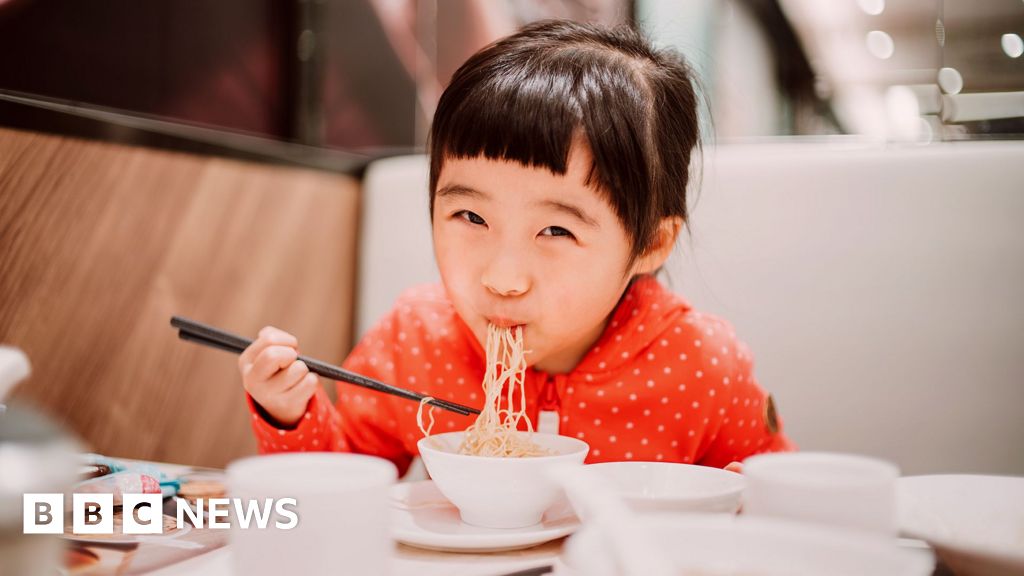
A new wave of Chinese restaurants is expanding globally, especially in Singapore, showcasing the country's diverse culinary traditions beyond stereotypes, and serving as a form of soft power to improve China's international image amidst geopolitical tensions.
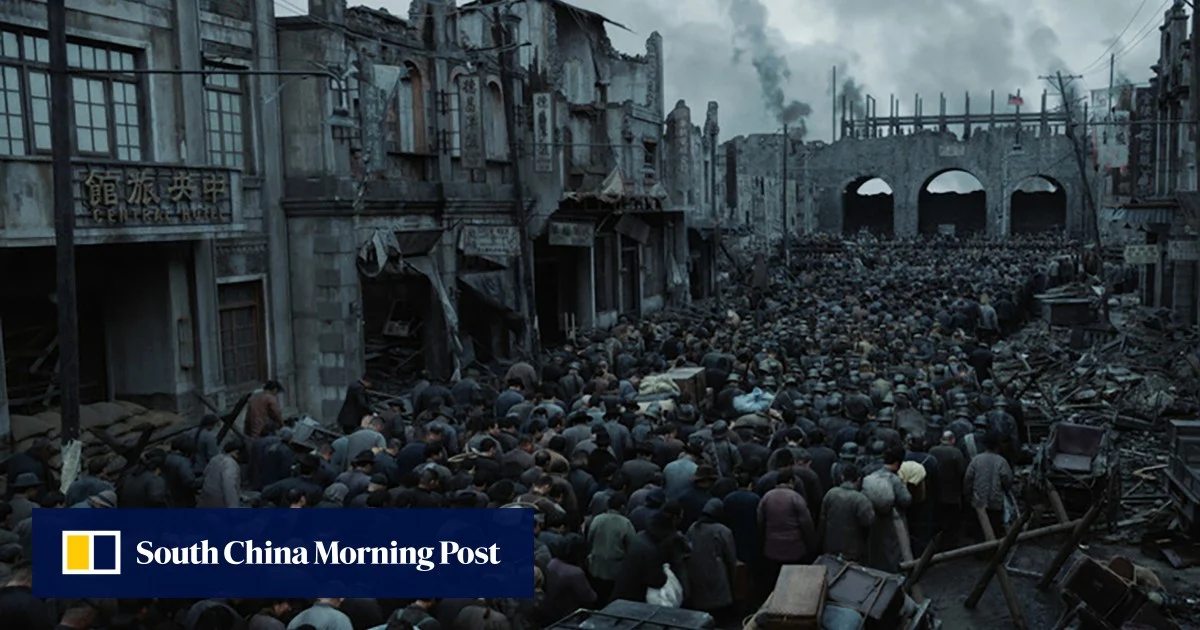
China's blockbuster film 'Dead to Rights' depicts the 1937 Nanking massacre, highlighting Japan's wartime atrocities and serving as a cultural effort to garner international recognition of Chinese suffering during WWII. The film has been a domestic success, grossing over US$300 million, and is part of an 'invisible' battle of public opinion and cultural influence.
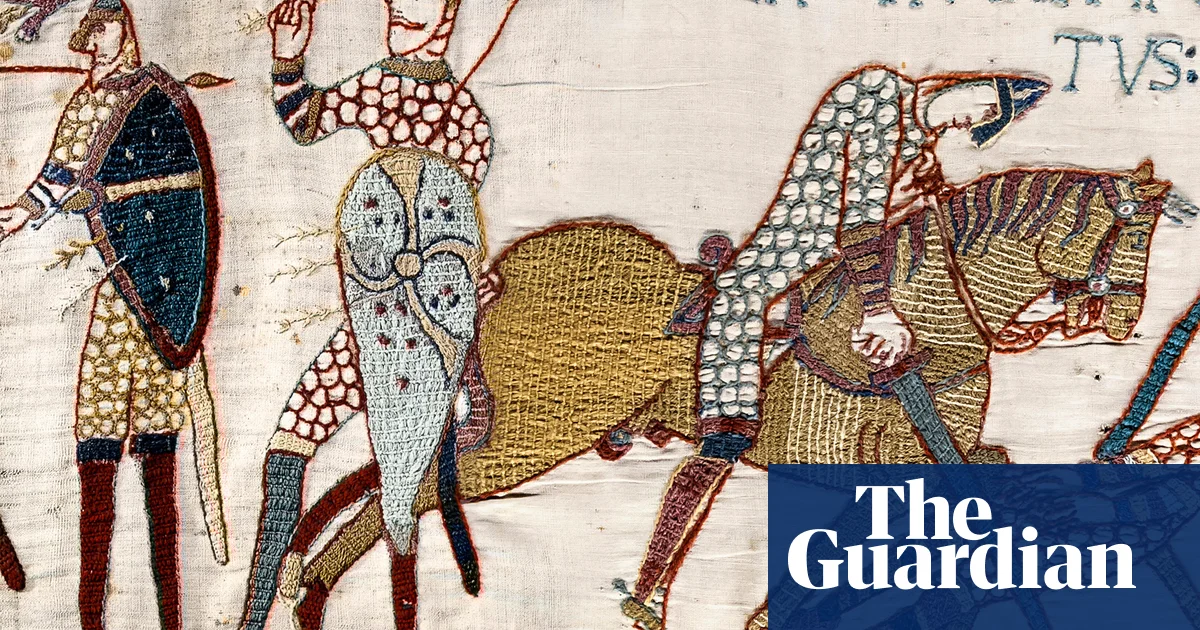
The Bayeux tapestry, a 70-meter embroidered artwork from the 1060s, vividly depicts the Norman conquest of England, highlighting themes of war, loyalty, betrayal, and the human cost of battle. Made likely by Anglo-Saxon women, it offers a detailed, emotionally charged narrative from the Norman perspective and will be exhibited at the British Museum in 2026 as part of a cultural exchange with France.
The European Space Agency will broadcast Johann Strauss II’s waltz 'Blue Danube' into deep space toward Voyager 1 to correct its omission from the original Golden Record, symbolizing a blend of cultural legacy and scientific exploration on ESA's 50th anniversary.
The King Abdulaziz Foundation for Research and Archives held seminars on Arabic heritage in India as part of the New Delhi World Book Fair, showcasing books, manuscripts, and traditional instruments. Indian scholars welcomed the initiative, emphasizing the deep-rooted historical and cultural ties between India and the Arab world, and highlighting India's contributions to Arabic language, history, and literature. The foundation's efforts to promote and preserve Arabic language and literature were acknowledged and appreciated during the discussions.
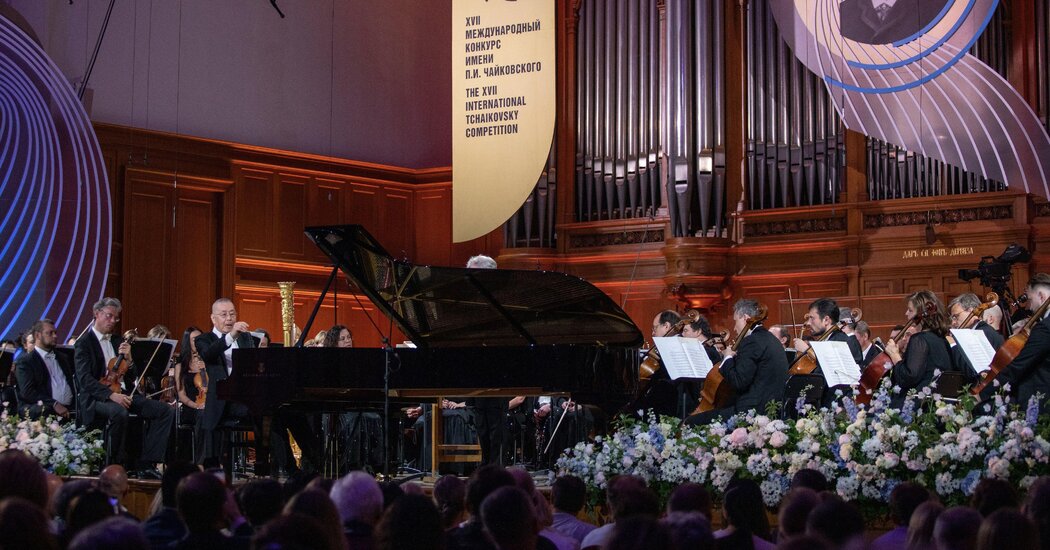
The International Tchaikovsky Competition, one of the world's most prestigious music contests, is facing challenges and diminished international participation due to Russia's invasion of Ukraine. The contest, organized and financed by the Russian government, was expelled from the international federation of music competitions, resulting in fewer contestants and jurors from the United States and Europe. A streaming deal was terminated, and foreign press representation is limited. Many arts leaders see the competition as a propaganda tool. Despite the war, some participants from various countries still chose to compete, while the Russian government emphasizes the competition's significance in promoting Russian culture. The winners' future prospects in terms of concert dates and recording deals remain uncertain.