The article warns about the dangers of hydrochlorothiazide (HCTZ), a medication for high blood pressure, especially during hot weather when dehydration can lead to dangerously low sodium and potassium levels, as exemplified by a case where a woman was hospitalized due to electrolyte imbalance caused by medication and heat.
A large study finds that even 'normal' high-end sodium levels are linked to increased risks of hypertension and heart failure, highlighting hydration as a key factor in preventing chronic diseases.
Kraft Heinz has removed Lunchables from the National School Lunch Program due to low demand, despite initial enthusiasm from school administrators for the protein-rich options. Concerns over high sodium levels and updated USDA standards focusing on healthier school meals may have contributed to the decision. The company plans to reconsider offering Lunchables in schools in the future.
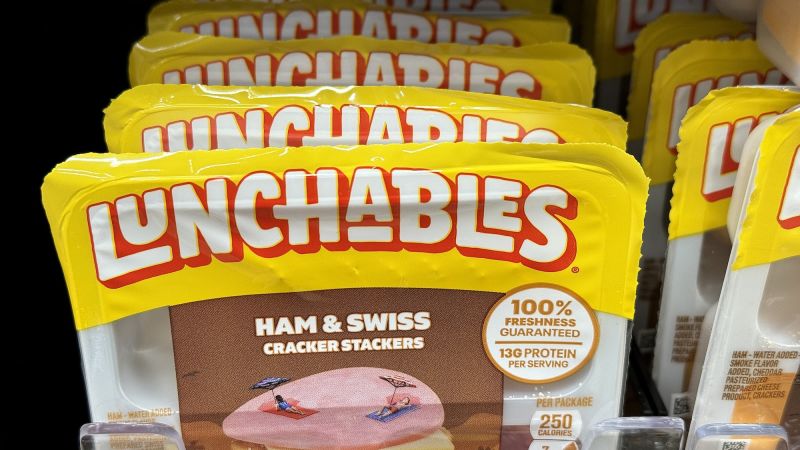
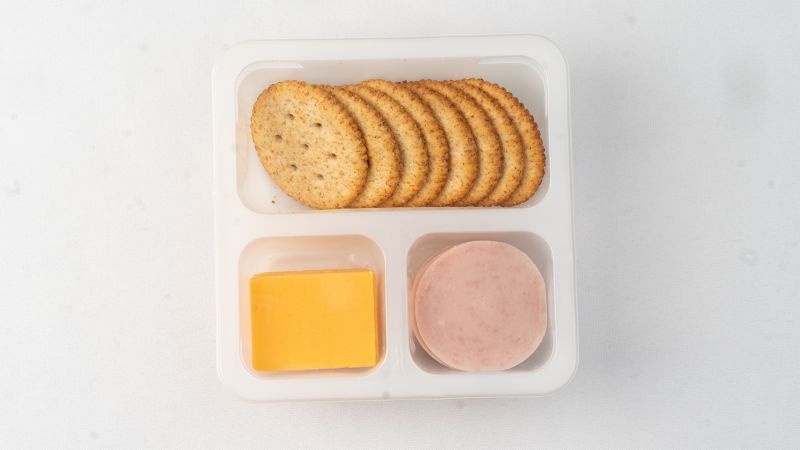
Kraft Heinz has removed Lunchables from the National School Lunch Program due to insufficient demand and concerns over high sodium, lead, and cadmium levels found in the meal kits by Consumer Reports. The decision aligns with calls for stricter nutritional standards in school lunches. Despite the removal, Kraft Heinz plans to revisit the program in the future. The school-specific Lunchables had higher sodium content than their store counterparts, raising health concerns.
Consumer Reports found that prepackaged lunch kits like Lunchables contain concerning levels of sodium and harmful chemicals, including lead and cadmium, which can lead to serious health problems over time. The sodium levels in these kits are high, ranging from 460 to 740 mg, nearly a quarter to half of a child’s daily recommended limit. The parent companies of these products have responded, stating that they adhere to safety standards and are working on ways to reduce sodium levels. Consumer Reports recommends parents to review school lunch menus for nutritious options and to consider packing lunches with healthy whole grains, proteins, fruits, and vegetables at home, while also encouraging kids to drink water or plain milk at lunch.
Consumer Reports has petitioned the USDA to remove Lunchables from school cafeterias due to high sodium levels and the presence of harmful chemicals such as lead, cadmium, and phthalates. The watchdog group found that the school versions of Lunchables contain even higher levels of sodium than those sold in stores, and also detected lead, cadmium, or both in all tested ready-to-eat meal kits. Additionally, concerns were raised about the presence of additives and preservatives in Lunchables.
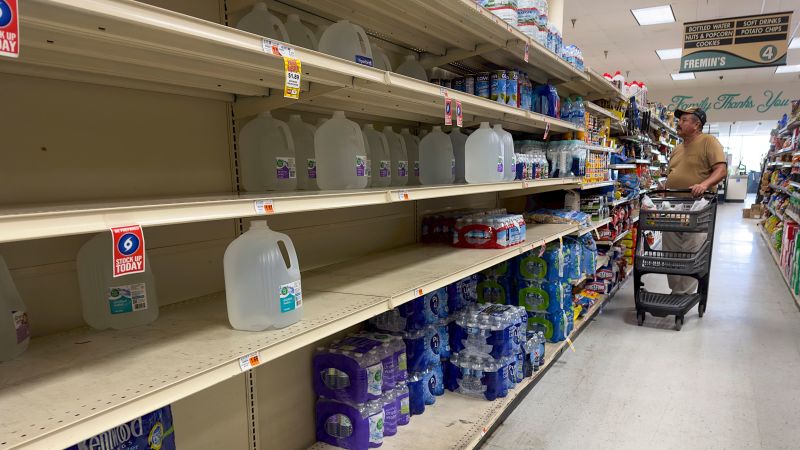
Louisiana is facing a threat to its drinking water as saltwater intrusion from the Gulf of Mexico is displacing the fresh water in the Mississippi River due to low river volume caused by extreme drought and record high temperatures in the Midwest. High salt levels in the tap water can make it unsafe to drink or cook with, and can also corrode pipes. Elevated salt levels pose health risks, particularly for those on low-salt diets, individuals with kidney disease, heart problems, high blood pressure, pregnant women, infants, and the elderly. The city of New Orleans is encouraging precautions, such as using ready-made formula or mixing powdered formula with bottled water for infants, and providing bottled water for pets. Without significant rainfall, parts of Louisiana could have undrinkable water for months.