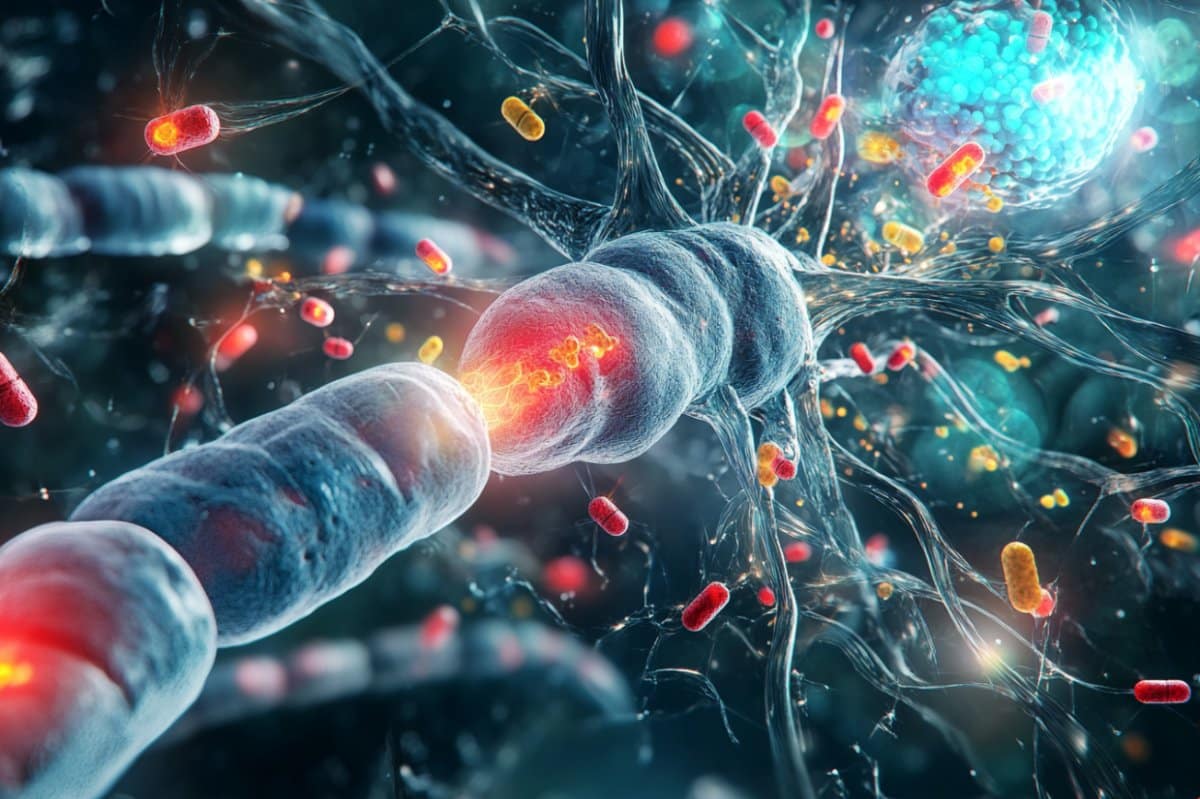
A new study from Hebrew University reveals that paracetamol not only acts in the brain but also directly blocks pain at its source by targeting sodium channels in nerve endings, opening new avenues for safer, more targeted pain treatments.
A study from Hebrew University reveals that paracetamol (acetaminophen) not only acts in the brain but also produces AM404 in peripheral nerves, which blocks sodium channels responsible for transmitting pain, offering a new understanding of its pain-relief mechanism and potential for targeted, side-effect-free treatments.
A new study reveals that acetaminophen (Tylenol) not only works in the brain but also directly affects pain-sensing nerves outside the brain by producing AM404, which blocks pain signals, potentially leading to safer and more effective painkillers.
Researchers have observed nerve plasticity within the axon initial segment (AIS) in real-time, shedding light on the adaptability of axons. The study reveals that the number of sodium channels in the AIS can change rapidly, within an hour, through a process called endocytosis. This adaptability allows for fine-tuning of neural activity and is crucial for learning and memory. The research team used innovative techniques, including live imaging, to observe these changes and identify the molecular mechanisms behind them. This groundbreaking research provides unprecedented insight into the intricate processes of neuroplasticity.
University of Queensland researchers have discovered that some of the world's most painful ant stings target nerves, like snake and scorpion venom. The ant neurotoxins bind to the sodium channels and cause them to open more easily and stay open and active, which translates to a long-lasting pain signal. The research team believes that understanding pain at a molecular level can help develop new ways to treat it. Ants developed their defensive neurotoxins to fend off predators during the time of the dinosaurs and have since become one of the most successful animal groups on Earth.