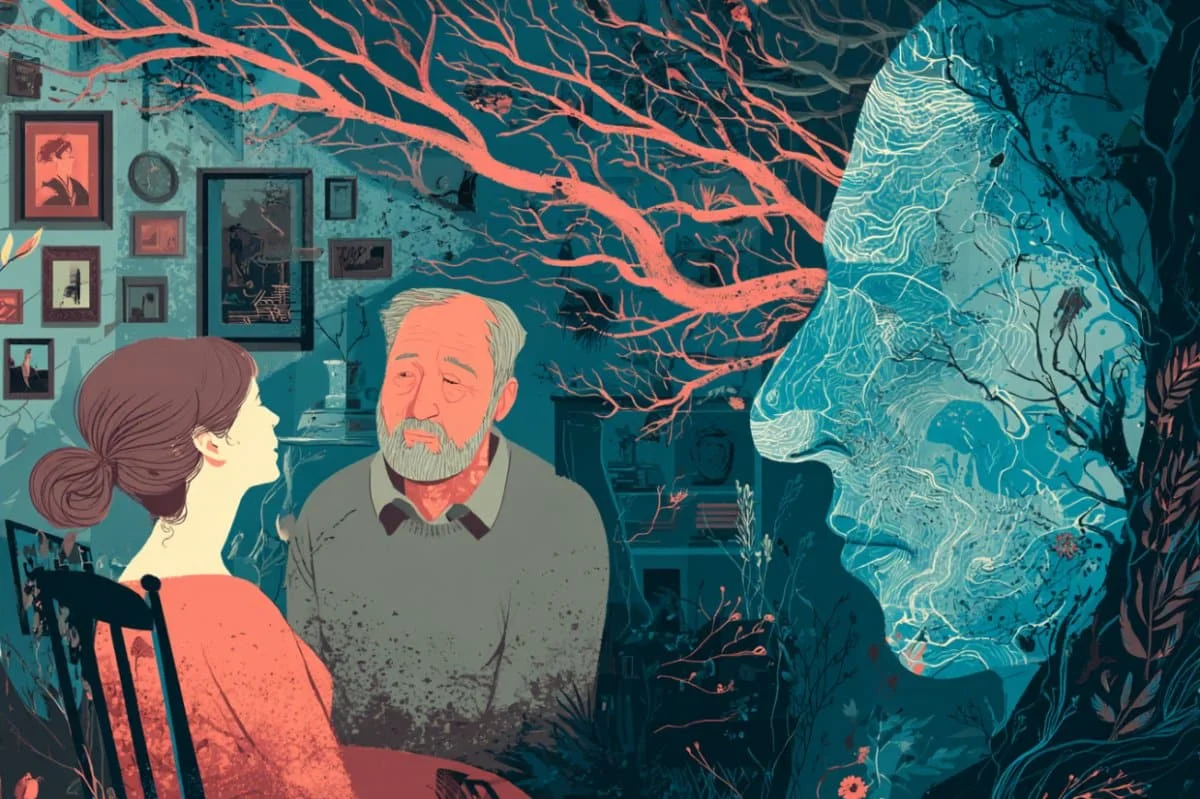
A study reveals that the breakdown of protective neural nets in the hippocampus's CA2 region causes social memory loss in Alzheimer's disease, and that preventing this breakdown with enzyme inhibitors could offer a new therapeutic approach.
Research from the University of Virginia suggests that the breakdown of perineuronal nets around neurons in the brain contributes to social memory loss in Alzheimer's disease. In mice, preventing the degradation of these nets with MMP inhibitors preserved social memory, independent of amyloid pathology, indicating a new potential therapeutic target for the disease.
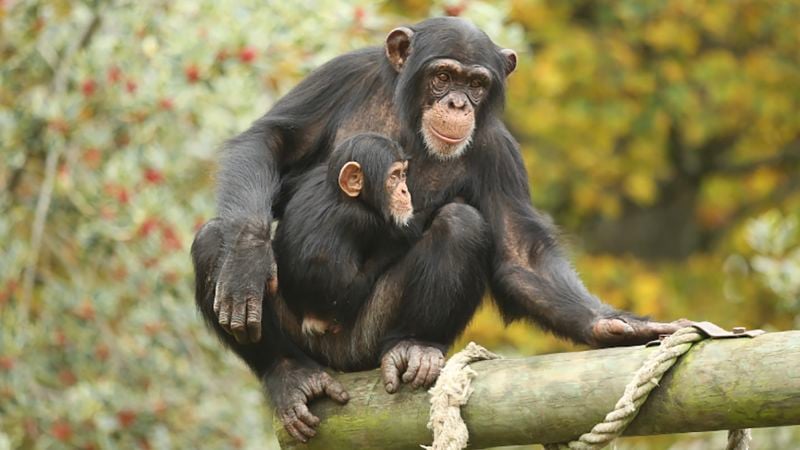
New research has found that apes, including chimpanzees and bonobos, can recognize old friends they haven't seen for decades, marking the longest-lasting social memory documented outside of humans. The study used photographs of deceased or departed apes and found that the participating apes looked significantly longer at those they knew, regardless of the time that had passed since their last interaction. The research suggests that apes' social memory could extend beyond 26 years and may be comparable to humans. The study highlights the importance of conservation efforts and raises questions about the possibility of apes missing their loved ones. Future research will explore if apes can recognize former friends in their current appearance and investigate social memory in other primates.