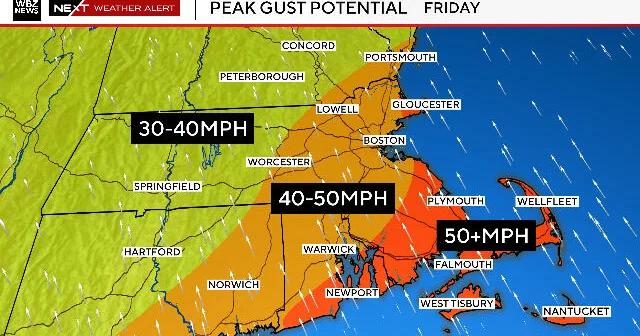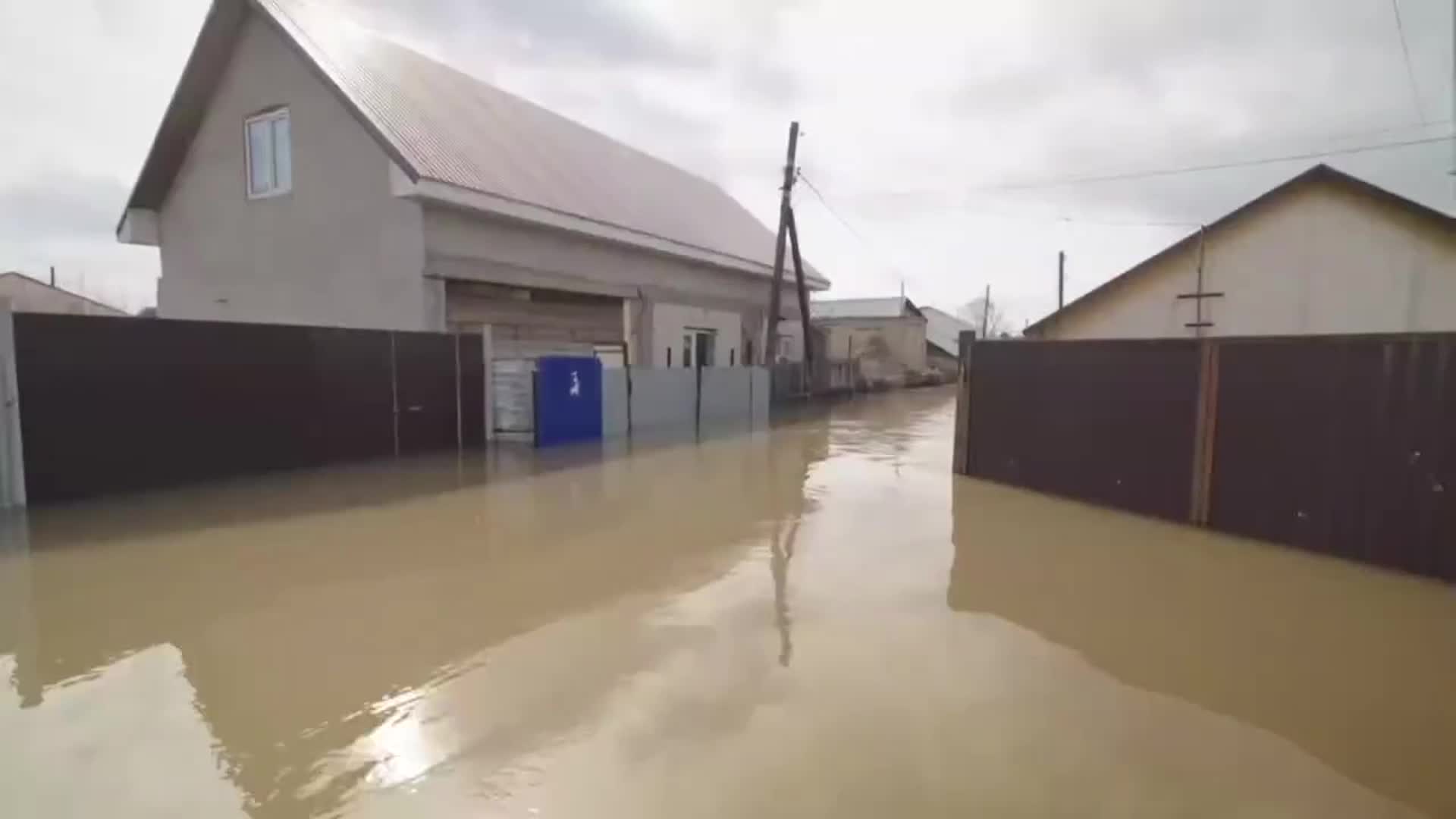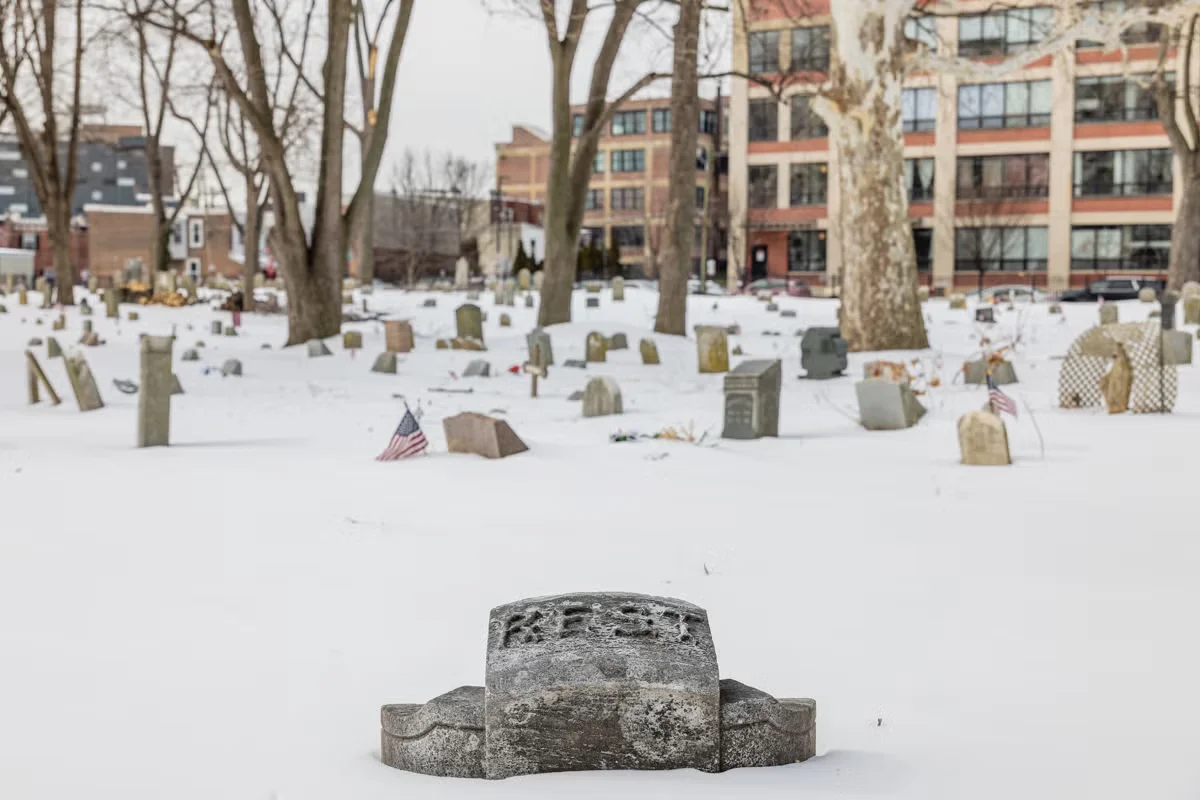
A major weather shift is expected in Massachusetts on Friday, bringing heavy rain, strong southerly winds peaking between 40-60 mph, and a significant reduction in snow cover due to rain and wind, with potential for scattered wind damage and localized flooding. Temperatures will rise into the upper 50s, and the rain will clear by late afternoon, with a chance of light snow around Christmas.
Warmer temperatures are expected to continue into Wednesday, with a chance of showers and fog developing as more moisture arrives. Some areas may experience freezing rain overnight, and temperatures should reach above 50 degrees tomorrow, aiding in the snow melt. The increase in humidity will lead to widespread fog, but the rapid snow melt may limit its development.
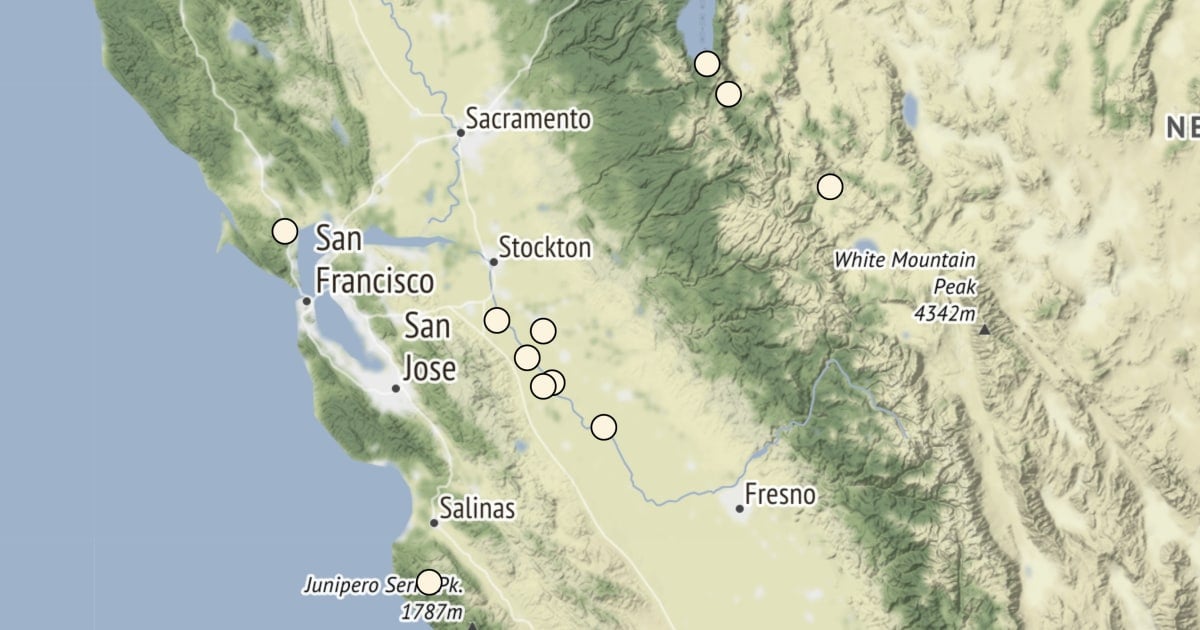
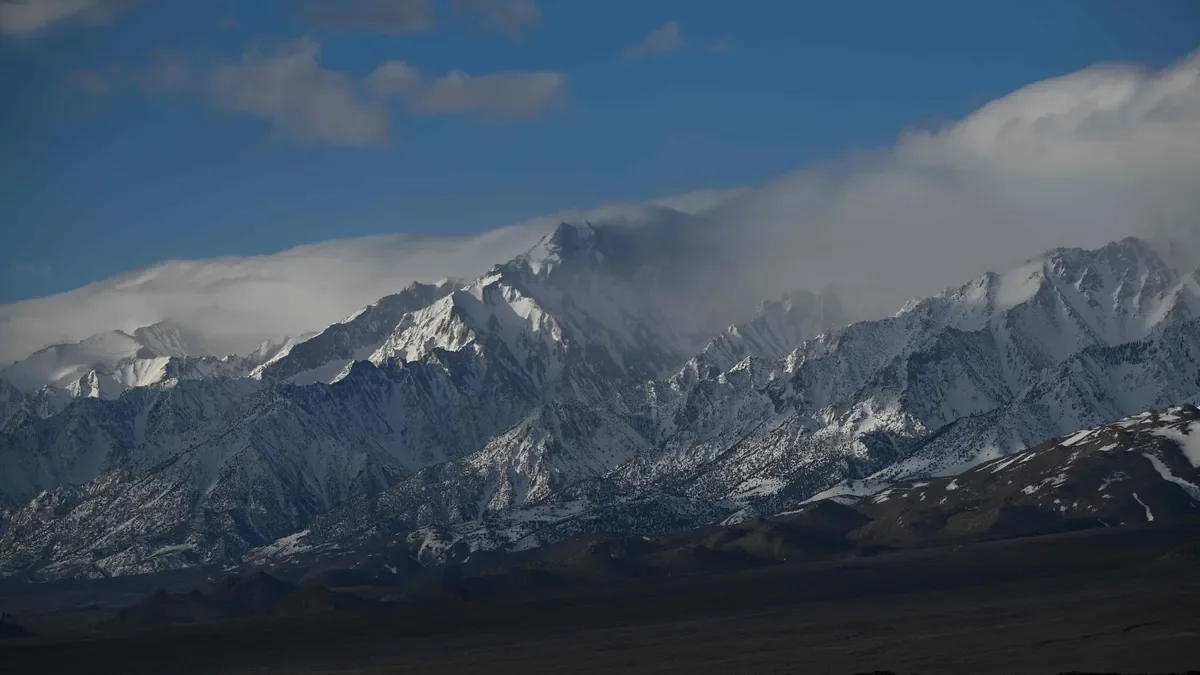
NBC News is tracking river levels across California as heavy snowfall and rain have left the Sierra Nevadas with dozens of inches of frozen water, which will flow down rivers into the Central Valley during the big snow melt. Some parts of the state, like Tulare Lake in the San Joaquin Valley, are already flooding. The map below shows which rivers are at or above flood level and will be updated every morning.
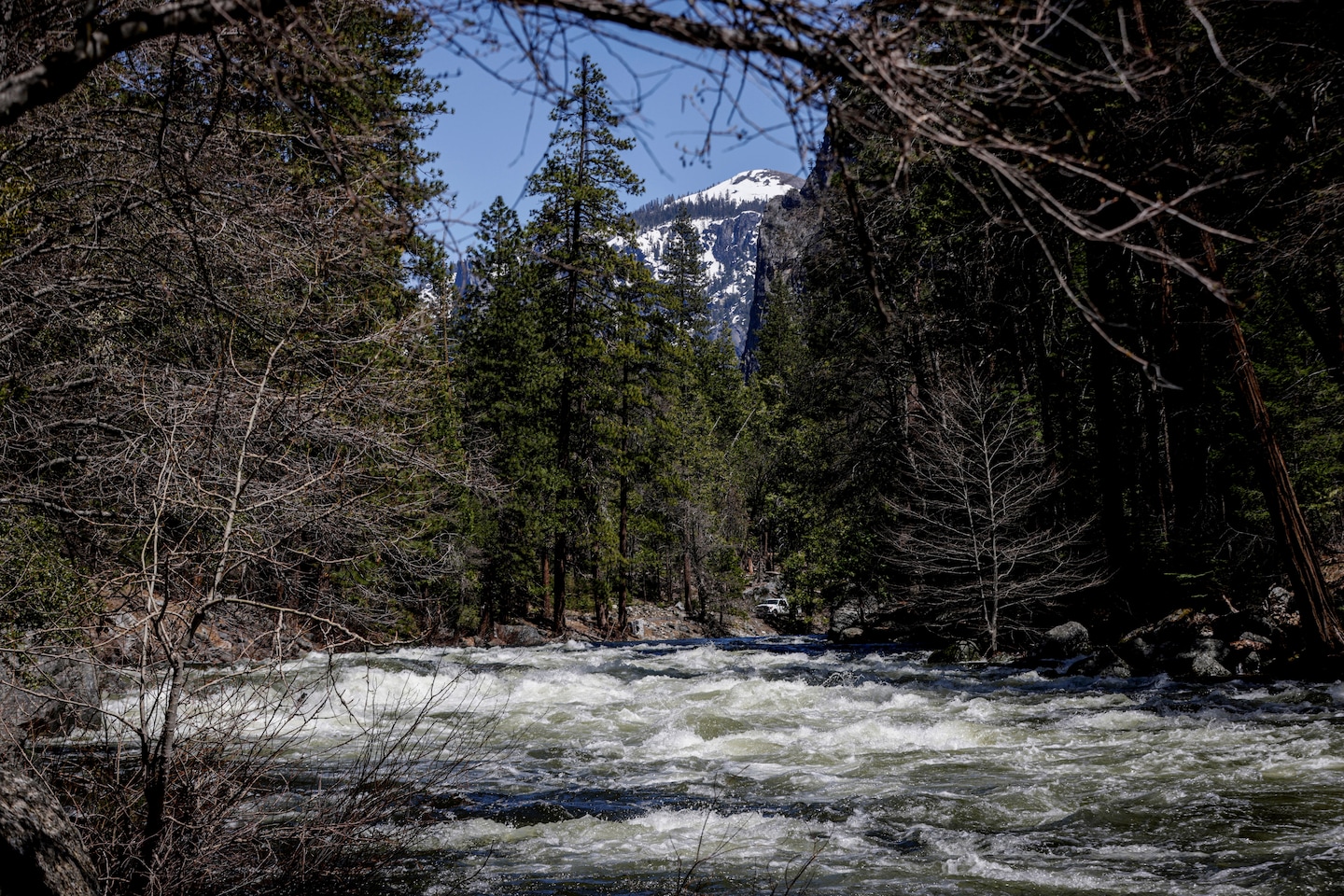
Yosemite National Park will close most of Yosemite Valley from Friday at 10 p.m. through at least Wednesday due to the threat of flooding from melting snow. The park is particularly prone to flooding because of its flat terrain surrounded by mountains. The Merced River at Phono Bridge has a greater than 98 percent chance of exceeding its flood stage of 10 feet. The closure covers a large area east of El Capitan Crossover, which crosses the Merced River toward the western end of the park.
Warmer temperatures are expected across the US this week, with some areas experiencing highs 10-20 degrees above historical averages. The Gulf Coast and Southeast may see heavy rain and flooding mid to late week due to a developing low-pressure area in the Gulf of Mexico, although the chance for a tropical or subtropical storm is now less likely. Areas with an abundance of snow are on flood watch due to rapid snowpack melting, while the Pacific Northwest will experience more rain.