Tag

Sloan Digital Sky Survey

All articles tagged with #sloan digital sky survey

"Invisible Galaxy 'Nube' Unveils Dark Matter Clues"
astronomy1 year ago

"Invisible Galaxy 'Nube' Unveils Dark Matter Clues"

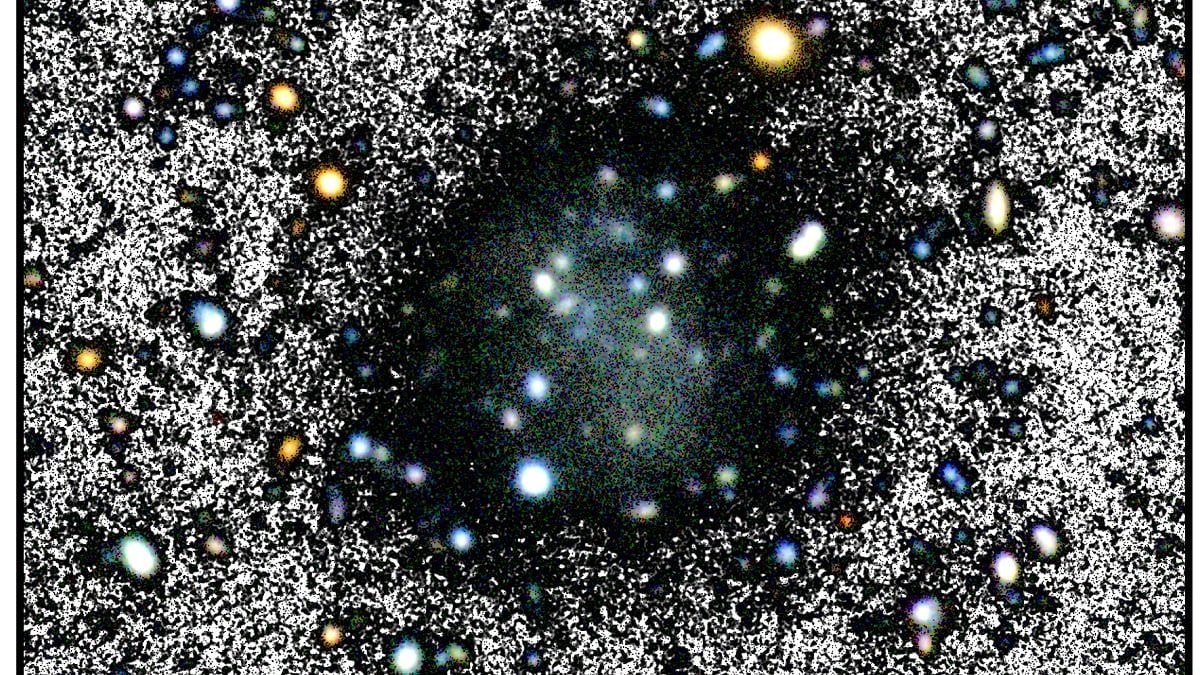
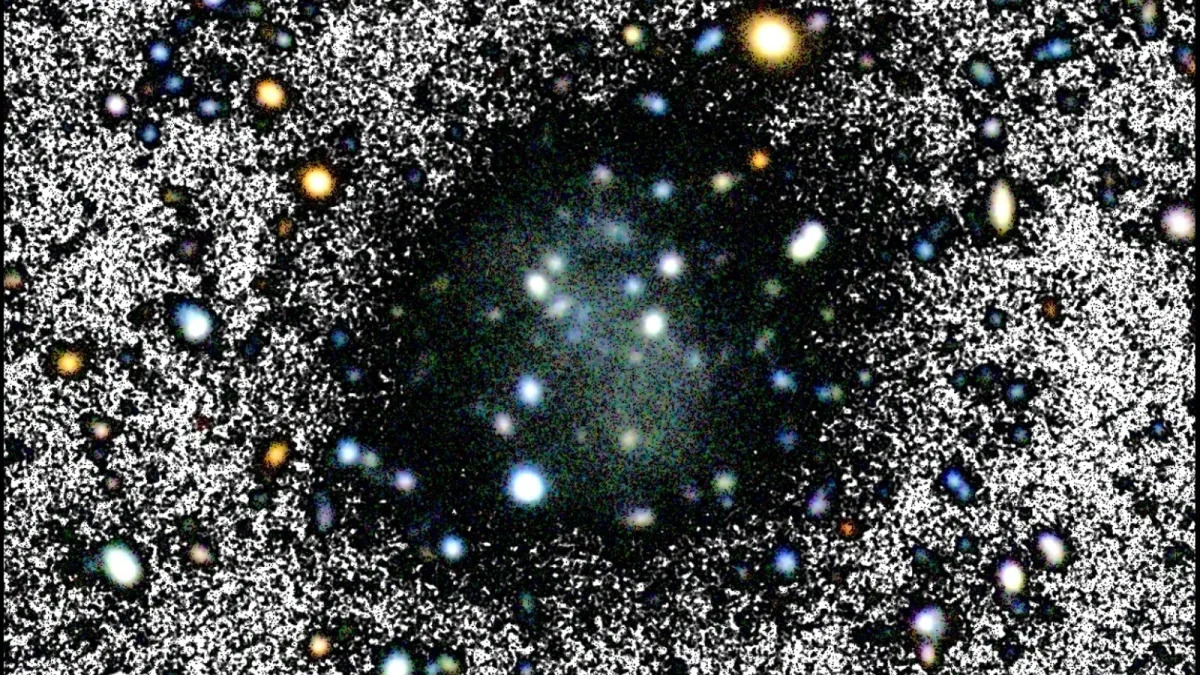
Astrophysicists have discovered a nearly invisible dwarf galaxy named Nube, located 300 million light-years from the Milky Way, with high levels of dark matter and low mass at its center, causing it to emit barely any light and evade detection for years. This discovery challenges current understanding of dark matter and the universe, as the galaxy's existence contradicts previous assertions about the relationship between dark matter and mass. Further research is needed to determine the exact location of Nube and its implications for our understanding of the universe.
"Galactic Dance Suggests Universe Is Younger Than Previously Believed"
astronomy2 years ago

"Galactic Dance Suggests Universe Is Younger Than Previously Believed"

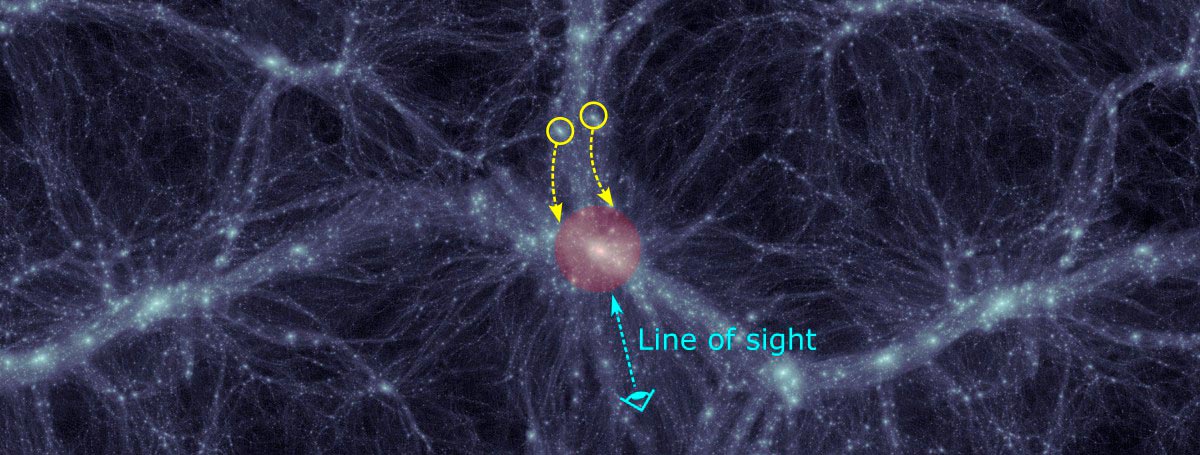
A study using Sloan Digital Sky Survey data suggests that the Universe may be younger than previously estimated, challenging conventional cosmological models. By analyzing satellite galaxy motions around massive groups, researchers found a notable excess of pairs exhibiting correlated velocity offsets, indicating the presence of recently accreted or infalling satellite galaxies. This discrepancy between observations and simulations implies that massive galaxy groups are younger in the real Universe, presenting a challenge to the current cosmological model and providing valuable insights into the Hubble tension problem.

Astronomers Baffled by 'Almost Invisible' Dwarf Galaxy Challenging Dark Matter Theory
astronomy2 years ago

Astronomers Baffled by 'Almost Invisible' Dwarf Galaxy Challenging Dark Matter Theory

Astronomers have discovered an "almost invisible" dwarf galaxy named Nube, which challenges current understanding of the cosmos. Nube is extremely diffuse, emitting barely any light and is 10 times fainter and wider than expected. Its unusual properties cannot be explained by existing dark matter theories, leading to speculation about the nature of dark matter particles. The discovery has prompted a search for similar galaxies to further unravel this cosmic mystery.

"Unveiling a Cosmic Megastructure: A Challenge to Universe Theories"
astronomy2 years ago

"Unveiling a Cosmic Megastructure: A Challenge to Universe Theories"

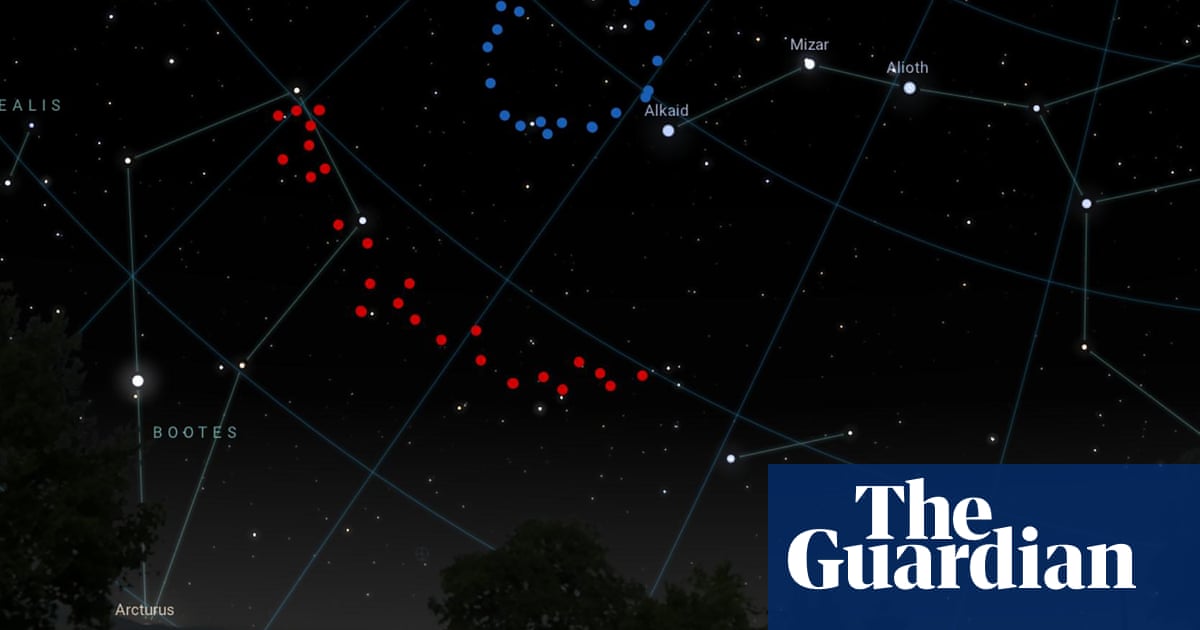
Astronomers have discovered a ring-shaped cosmic megastructure called the Big Ring, with a diameter of about 1.3bn light years, challenging existing theories of the universe. This structure, along with others like the Giant Arc, defies the cosmological principle and raises questions about the standard model of cosmology. The Big Ring was discovered using data from the Sloan Digital Sky Survey and is located near the constellations of Boötes the Herdsman. Its existence suggests the need for a rethinking or expansion of current cosmological theories.

"Discovery of Hidden Galaxy Alters Universe's Understanding"
astronomy2 years ago

"Discovery of Hidden Galaxy Alters Universe's Understanding"

Scientists have discovered a nearly invisible galaxy, named "Nube," that challenges our understanding of the universe. This dim and thinly spread out galaxy is ten times fainter and ten times larger than galaxies with similar star counts. Its existence contradicts our current understanding of cosmology, as it does not follow the typical pattern of star density in galaxies. The discovery raises questions about the nature of dark matter and challenges existing cosmological models.
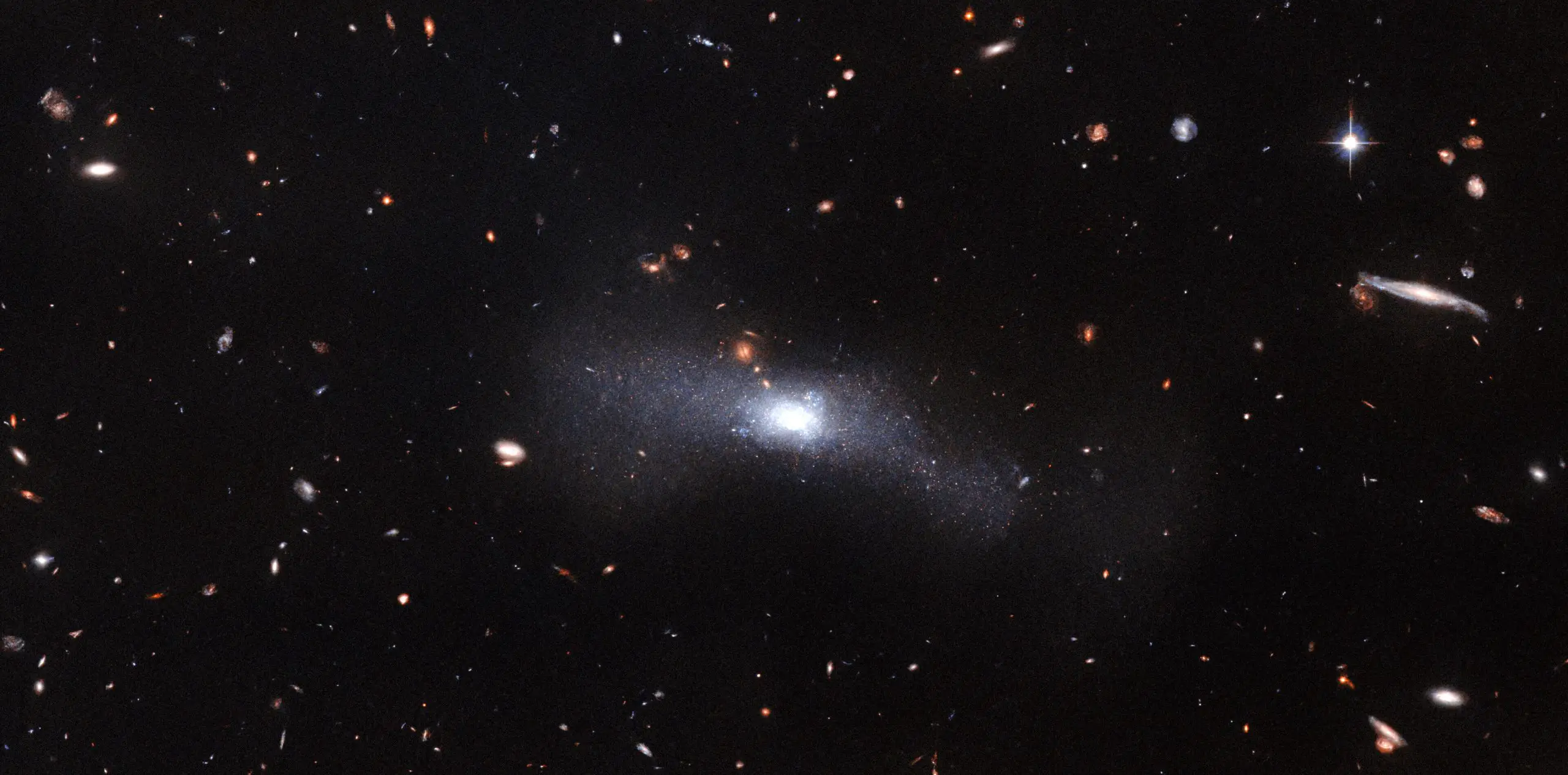
Hubble Space Telescope Reveals Enigmatic Galaxy SDSS J103512.07+461412.2
astronomy2 years ago

Hubble Space Telescope Reveals Enigmatic Galaxy SDSS J103512.07+461412.2

The Hubble Space Telescope has captured an image of galaxy SDSS J103512.07+461412.2, located in the Ursa Major constellation. This galaxy's name comes from the Sloan Digital Sky Survey (SDSS), which uses coordinates to provide identification and precise location. The SDSS naming convention includes the right ascension (RA) and declination (Dec) of an object, allowing for detailed positioning in the night sky. SDSS J103512.07+461412.2 is located 23 million light-years from Earth and is part of the massive SDSS catalog, which has recorded hundreds of millions of astronomical objects.