Tag

Skin Cells

All articles tagged with #skin cells

science2 years ago

Unveiling a Novel Human Sensation: The Hairy Truth Behind Touch

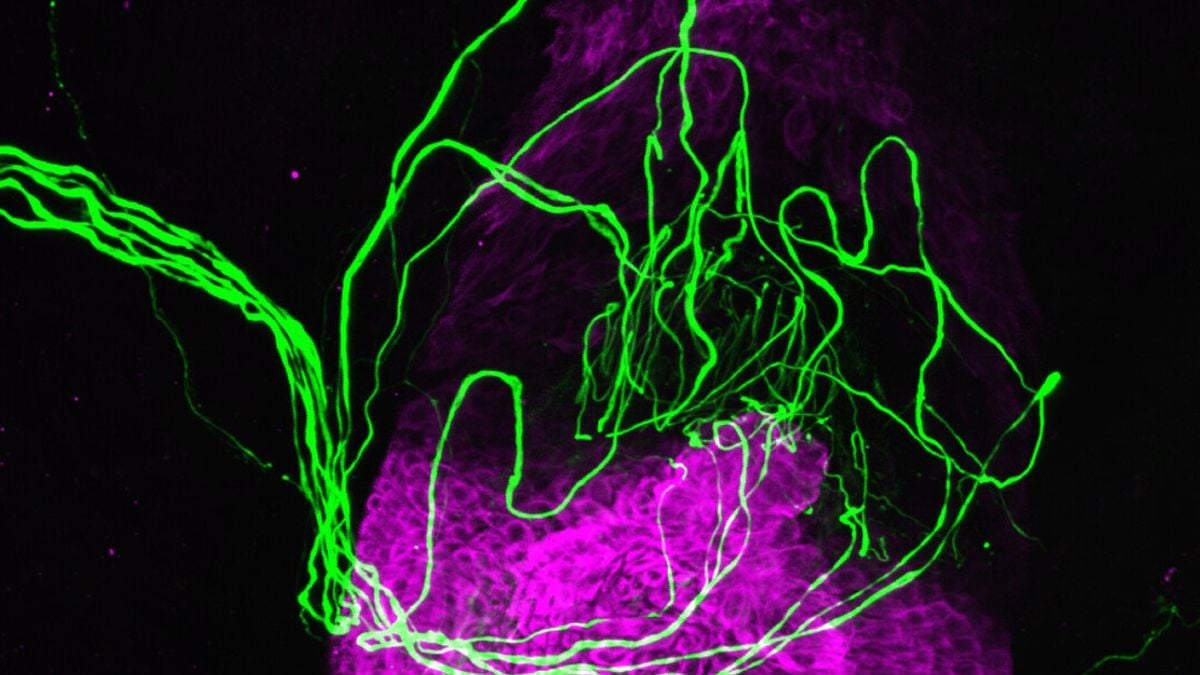
Scientists have discovered a previously unknown way that humans feel touch. Cells within the outer layer of hair follicles can detect touch and release neurotransmitters that activate nearby sensory neurons, which relay information to the brain. This expands the known ways humans sense touch and may have implications for understanding skin diseases such as eczema. The research is still in its early stages, but it could open up new therapeutic avenues.

science-and-technology2 years ago

"Groundbreaking Discovery Unveils Hidden Human Sense of Touch"

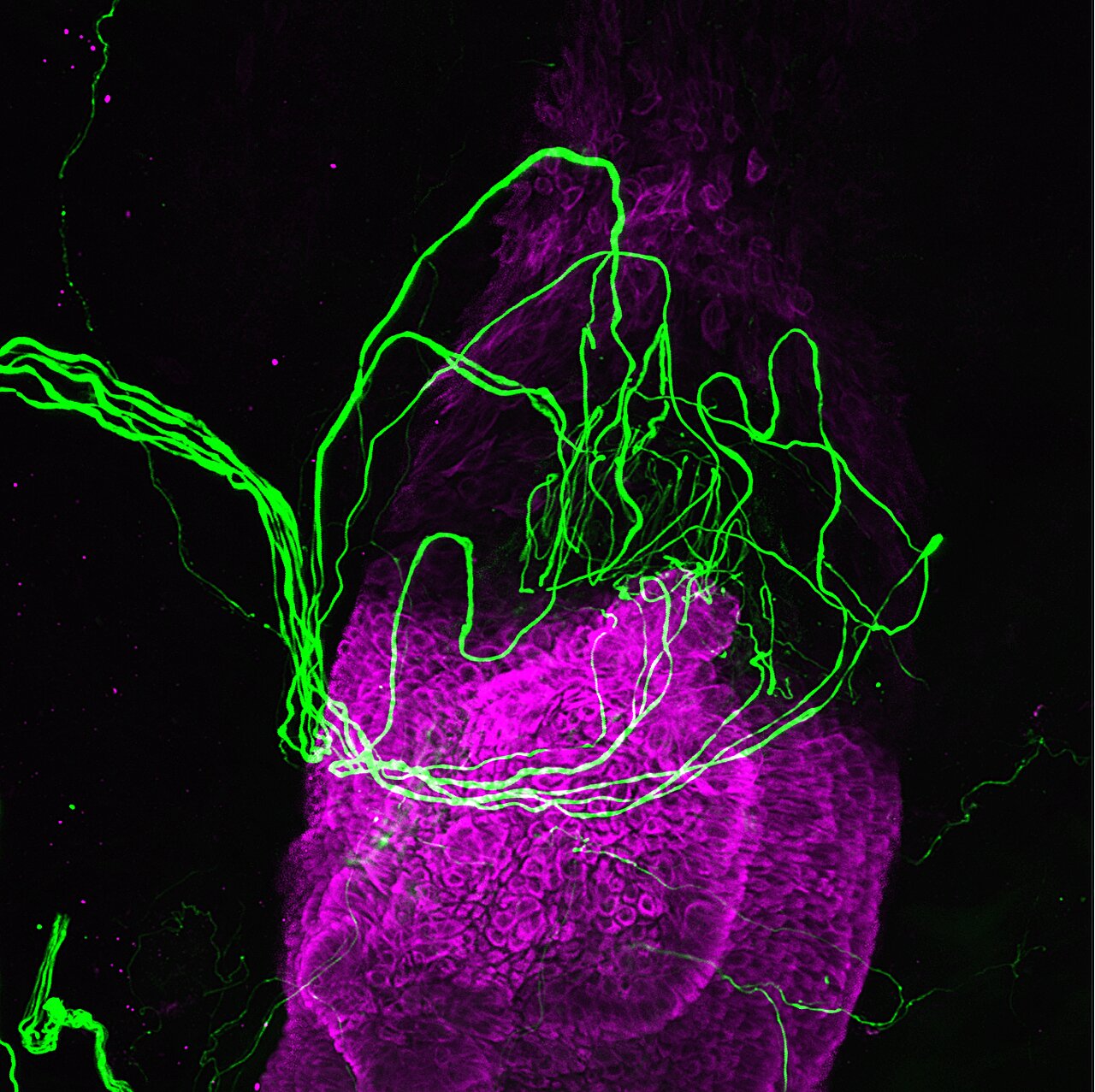
Scientists from Imperial College London have discovered that hair follicles have touch-sensitive receptors, in addition to nerve endings in the skin. Using RNA sequencing, the researchers found that cells in the outer root sheath of hair follicles had a higher percentage of touch-sensitive receptors. When these cells were mechanically stimulated, sensory nerves were activated, indicating that touch had been registered. The experiments also revealed the release of neurotransmitters serotonin and histamine by the hair follicle cells, potentially opening up new avenues for research into skin diseases such as eczema. The findings shed light on the intricate biological interaction between hair follicle cells and low-threshold mechanoreceptors, raising questions about the specific role of hair follicles in processing light touch.

science-and-technology2 years ago

Unveiling the Secret Sensory Mechanism of Hair Follicles

Researchers at Imperial College London have discovered a hidden sensory mechanism within hair follicles that allows us to feel touch. They found that cells within hair follicles can detect touch and release neurotransmitters histamine and serotonin in response. This finding may help in understanding the role of histamine in inflammatory skin diseases like eczema. The study was conducted in cell cultures and further research is needed to confirm the findings in living organisms.

science2 years ago

Hacking Human Cells for Squid Camouflage Insights

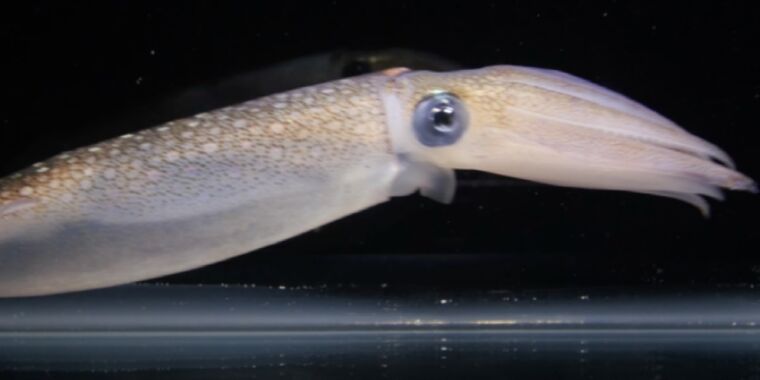
Researchers at the University of California, Irvine, have found a way to replicate the properties of squid skin cells in mammalian (human) cells in the lab, which could help unlock the key to camouflage. Squid skin is translucent and features an outer layer of pigment cells called chromatophores that control light absorption. Underneath the chromatophores, there is a separate layer of iridophores, which can be tuned to reflect different wavelengths of light. The researchers are focusing on the iridophores to achieve transparency by changing how light is scattered.