London residents have captured diverse wildlife through photography, highlighting the city's natural beauty in a new BBC documentary, Wild London, narrated by Sir David Attenborough, showcasing animals like kingfishers, foxes, snakes, and hedgehogs in their urban habitats.
'General Hospital' dominated the Daytime Emmys with six major wins, including drama series, while Paul Telfer and Nancy Lee Grahn received lead acting honors. Sir David Attenborough set a record as the oldest winner at age 99. The event celebrated various achievements across soap operas, talk shows, and culinary programs, highlighting notable winners and their inspiring stories.
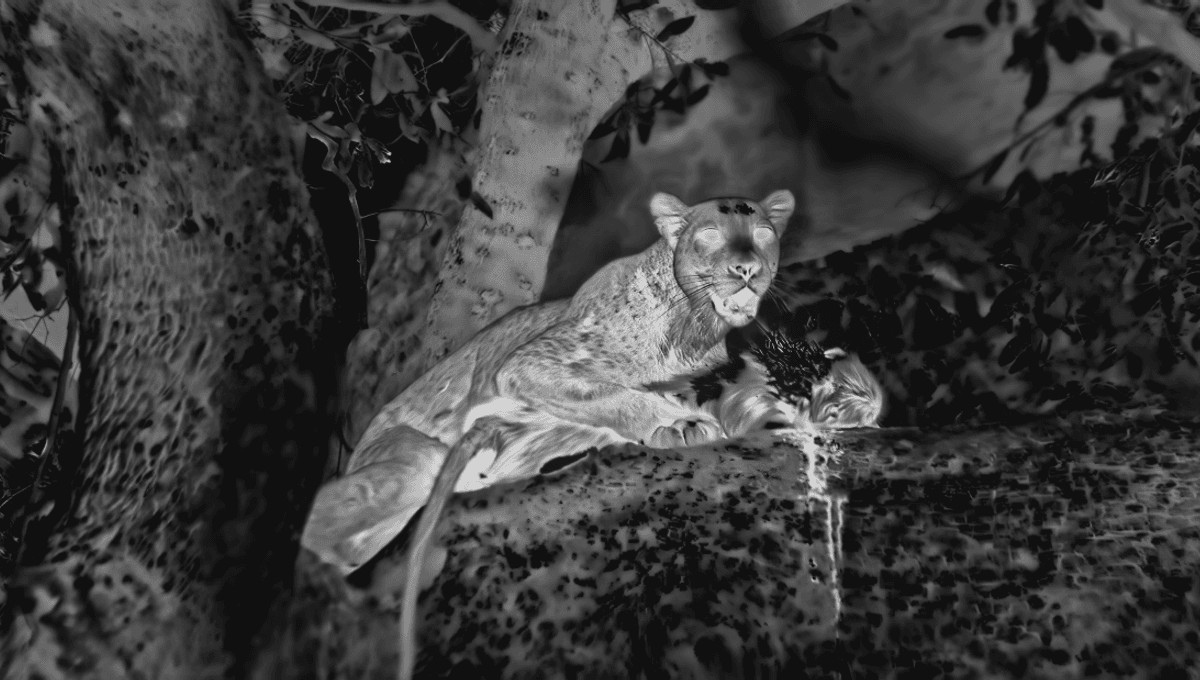
The latest series from Sir David Attenborough and the BBC, Mammals, features world-first footage of an African leopard hunting yellow baboons at night, showcasing the remarkable sight adaptations that enable leopards to proficiently stalk and kill prey in darkness. The episode, Dark, highlights the incredible ways wildlife have evolved to be active at night, with a focus on the African leopard as a poster animal for thriving in the dark. The series also explores how some species have adapted to be active at night in response to human impact, featuring world-first coverage of various fascinating natural behaviors.
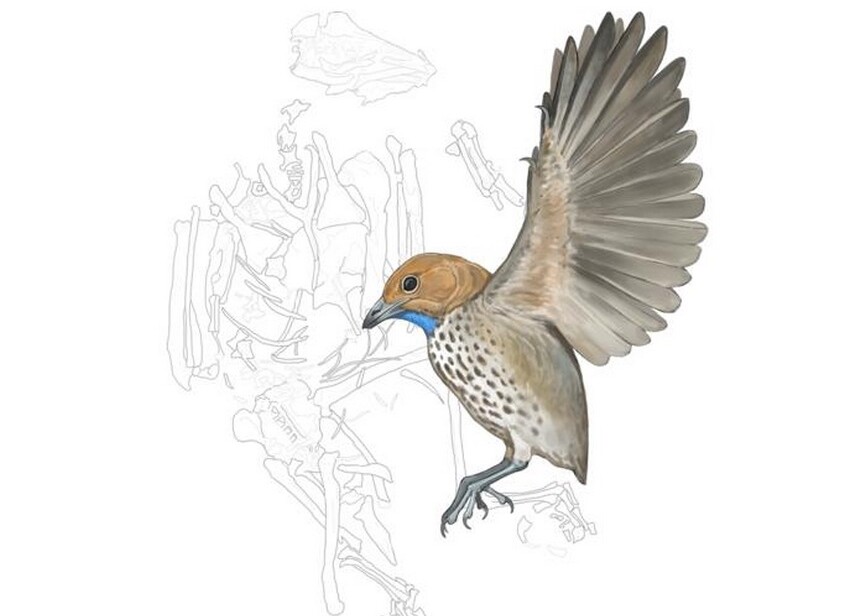
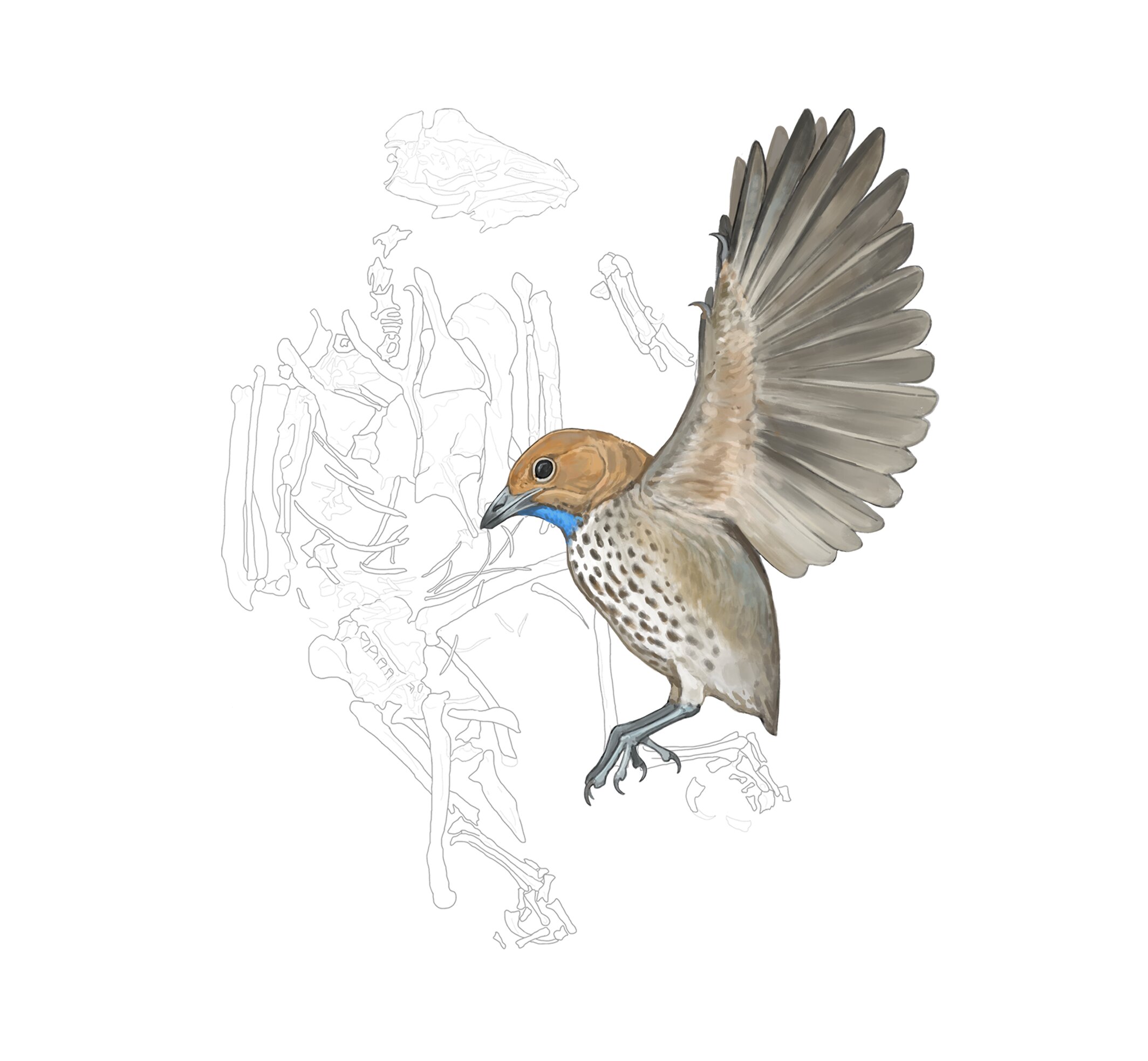
A newly discovered fossil bird, named Imparavis attenboroughi in honor of Sir David Attenborough, has pushed back the era of toothless birds by 50 million years. This bird, a member of the enantiornithines group, evolved toothlessness much earlier than previously thought, challenging the understanding of bird evolution. The fossil, found in northeastern China, exhibits unique wing bones suggesting powerful flight capabilities and a potentially unique diet. The discovery sheds light on the complex evolutionary history of birds and their diverse adaptations.
A new species of fossil bird, named Imparavis attenboroughi in honor of Sir David Attenborough, has been described as the first of its kind to evolve toothlessness. The bird belonged to a group called enantiornithines, which went extinct 66 million years ago. The discovery pushes back the timeline for toothlessness in this group by about 48 to 50 million years, challenging previous assumptions. The fossil's unique wing bones suggest it may have had strong wing beats, and its toothless beak hints at a potentially unique diet compared to other enantiornithines. The researchers also revisited a previously described fossil bird, Chiappeavis, and suggest that it too was an early toothless enantiornithine, indicating that toothlessness may not have been as unique in Early Cretaceous enantiornithines as previously thought.
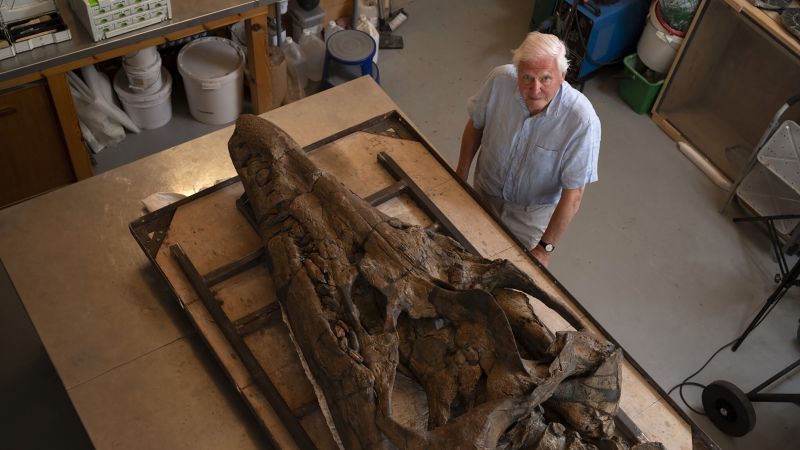
The remarkably well-preserved skull of a gigantic pliosaur, a prehistoric sea monster, has been discovered on England's Jurassic Coast. The fossil, about 150 million years old, is almost 3 million years younger than any other pliosaur find and could potentially be a new species. The skull, measuring almost 2 meters long and weighing over half a metric ton, provides insights into the characteristics of these apex predators. The discovery and excavation process will be featured in the upcoming BBC documentary "Attenborough and the Jurassic Sea Monster," presented by Sir David Attenborough.