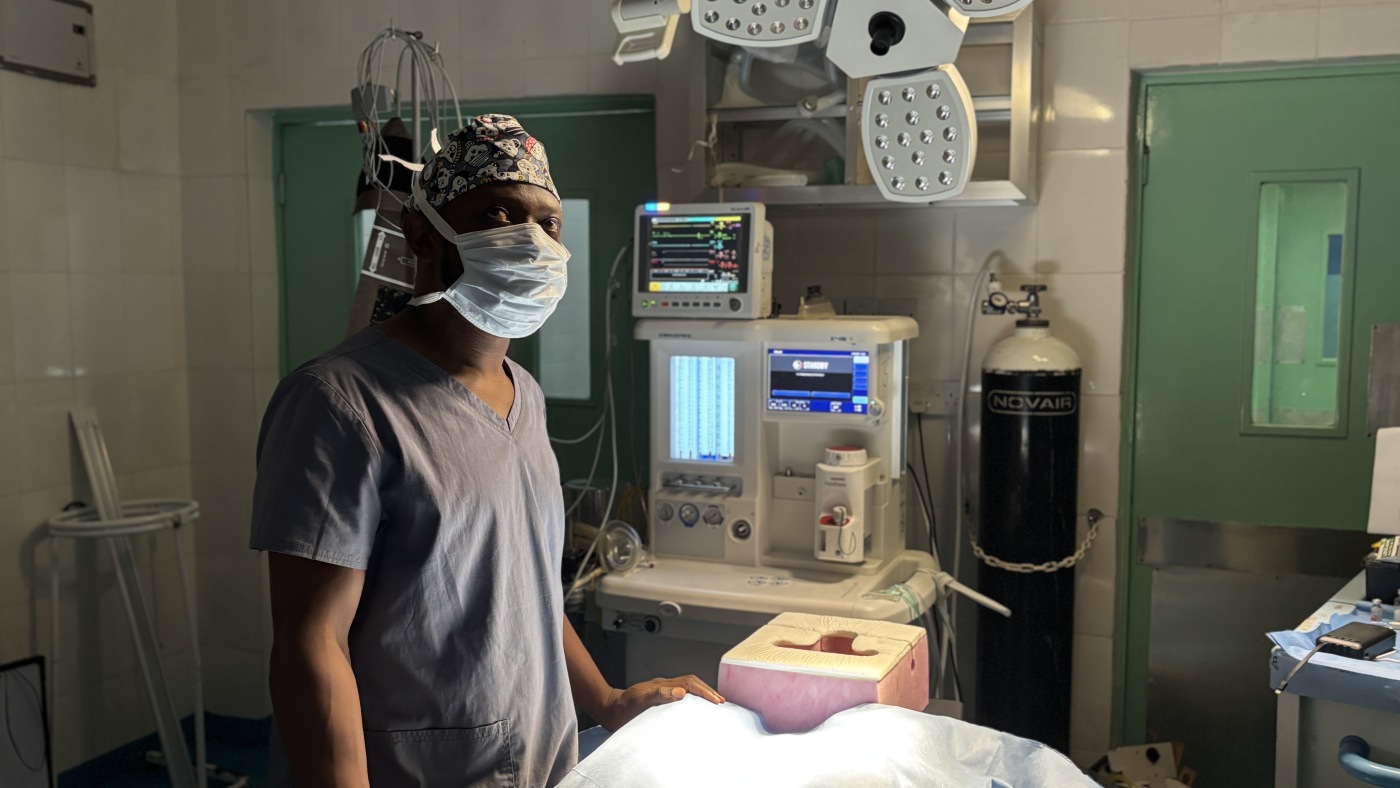
Dr. Alieu Kamara, Sierra Leone's first and only neurosurgeon, has begun providing life-saving neurosurgical care to a country of 8 million, overcoming significant resource challenges with international support, and inspiring a new era of medical self-sufficiency.
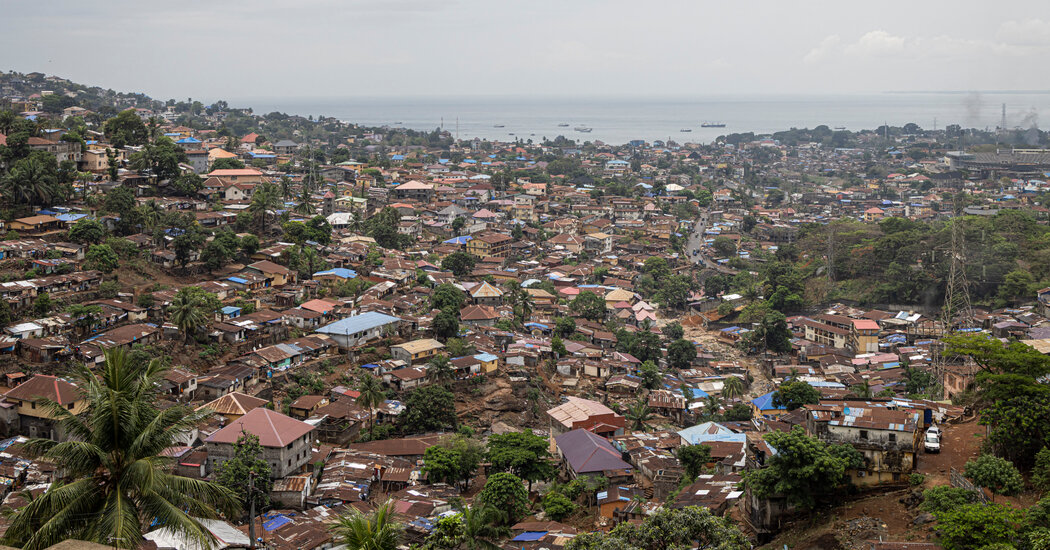
Sierra Leone is experiencing a rapid surge in mpox cases, overwhelmed by limited healthcare resources and vaccine shortages, with international support notably diminished compared to past outbreaks like Ebola, raising regional and global health concerns.
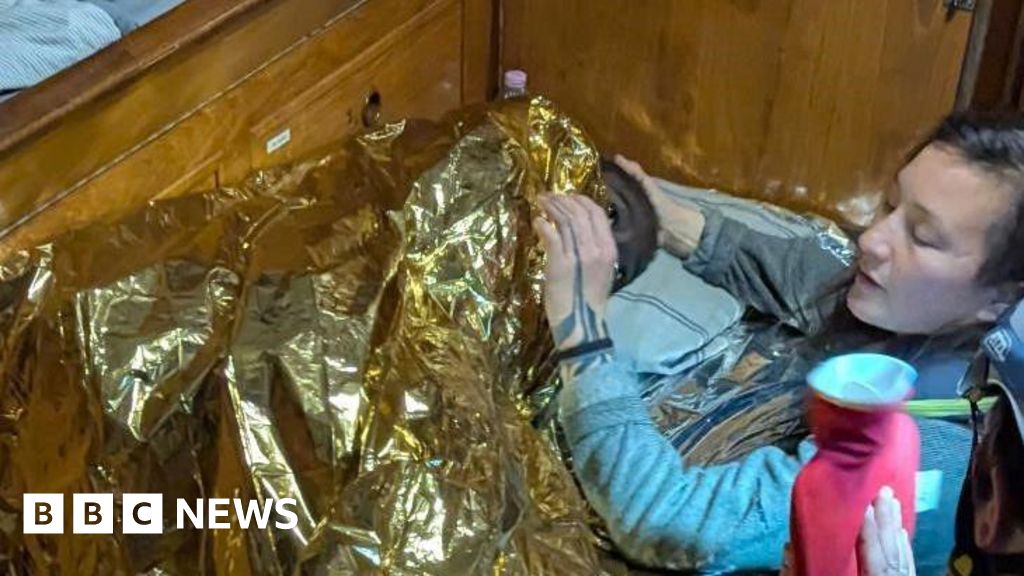
An 11-year-old girl from Sierra Leone was rescued after clinging to inner tubes for three days in the Mediterranean Sea following the sinking of a migrant boat she was on, which left 44 others presumed dead. Rescuers from Compass Collective found her during a storm and handed her over to Italian authorities on Lampedusa. The incident highlights the ongoing migrant crisis, with thousands dying annually while attempting to reach Europe.
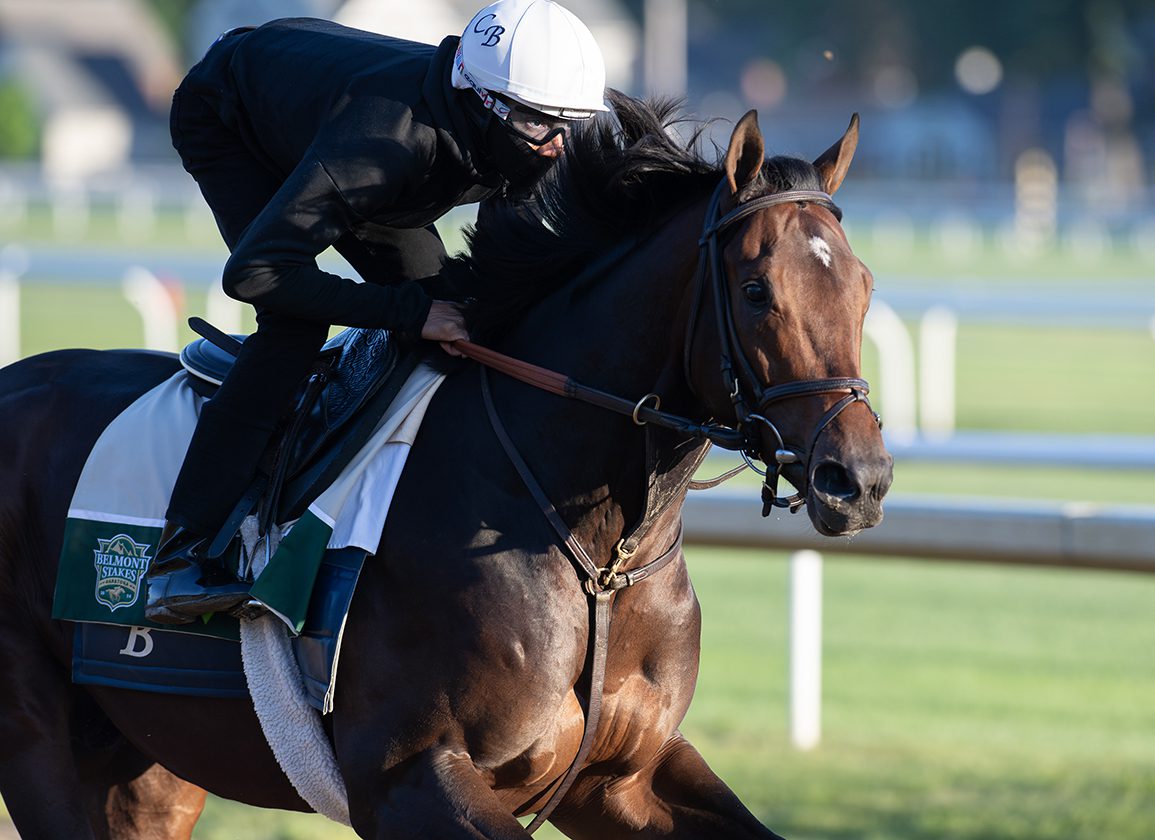
Sierra Leone, trained by Chad Brown, has been named the 9-5 morning-line favorite for the 156th running of the $2 million GI Belmont Stakes, which will be held at Saratoga Race Course due to construction at Belmont Park. The race, featuring a field of 10, includes notable contenders like Kentucky Derby winner Mystik Dan and Preakness winner Seize the Grey. This year's Belmont will be run at 1 1/4 miles instead of the traditional 1 1/2 miles.
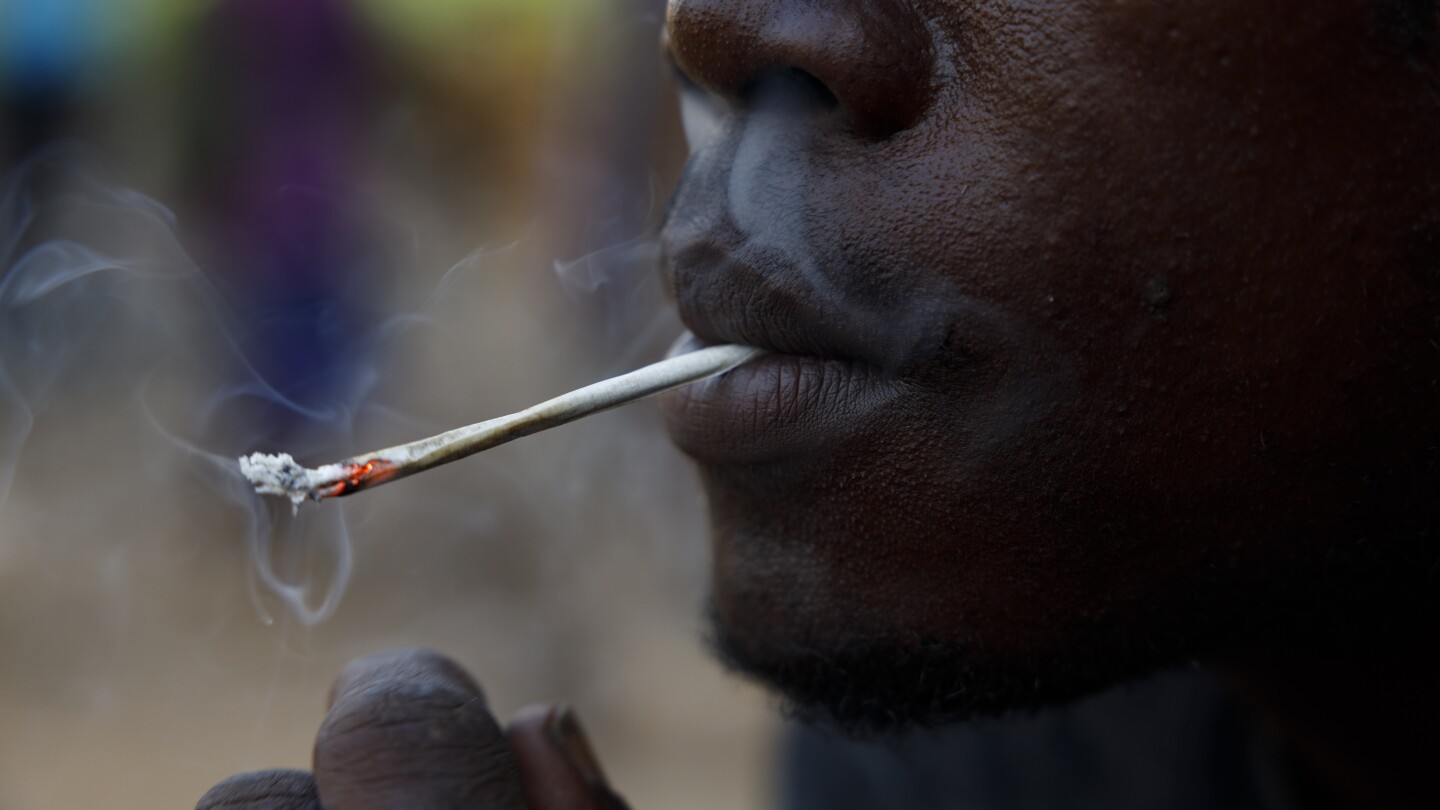
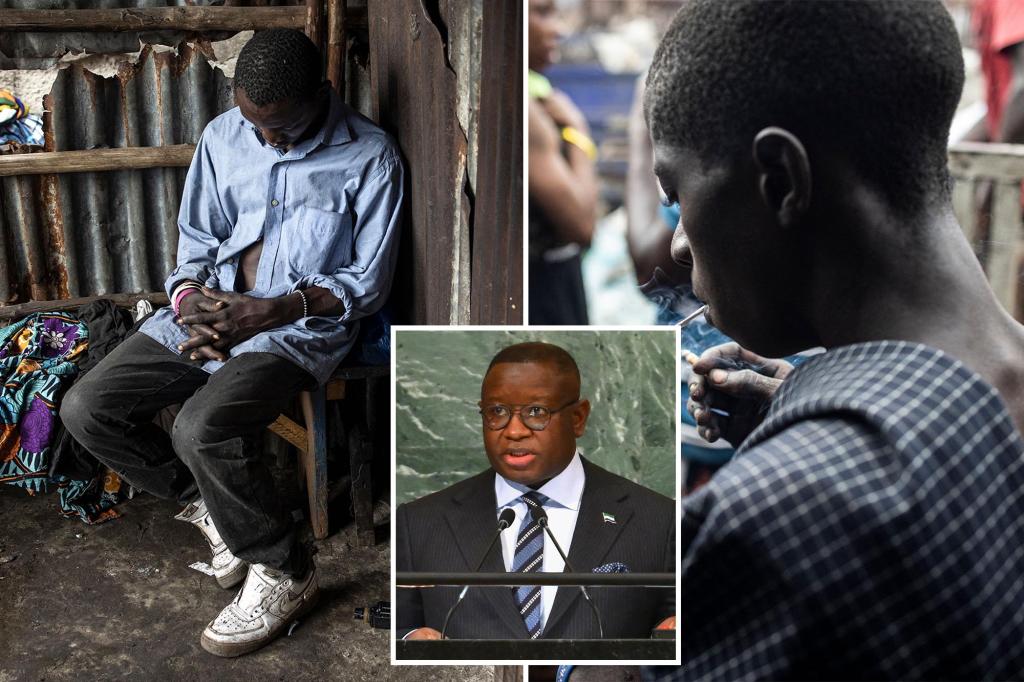
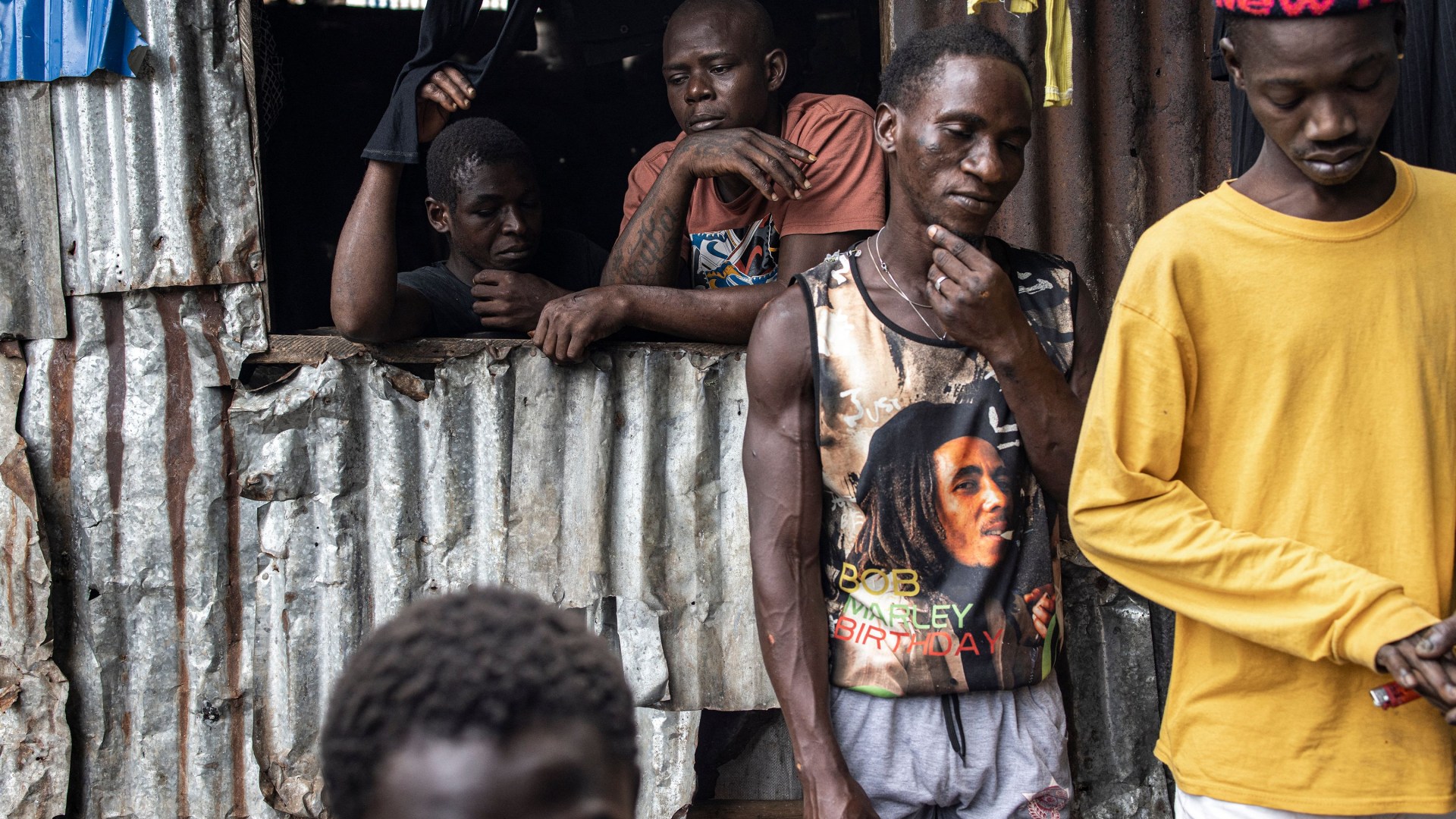
In Sierra Leone, the synthetic drug kush is devastating the youth, leading to severe addiction and limited healthcare services. Community volunteers in Freetown have set up an unconventional rehabilitation center, sometimes using extreme measures like chaining to prevent escape. President Julius Maada Bio has declared a state of emergency and launched a task force to combat the epidemic. The crisis has led to significant social and health issues, with families and communities struggling to cope.
In Sierra Leone, a synthetic drug called kush is devastating the youth, leading to severe addiction and health issues. With limited healthcare services, communities have resorted to extreme measures, including chaining addicts, to combat the crisis. The government has declared a war on kush, but the drug's changing composition and widespread availability complicate efforts. Community volunteers and organizations are stepping in to provide makeshift rehabilitation, but the situation remains dire, affecting families and the nation's future workforce.
In Sierra Leone, the homemade drug kush, made from a mixture that includes ground-up human bones, has become a national emergency, leading to a surge in addiction and deaths among young men. President Julius Maada Bio addressed the issue as a grave threat, with police guarding cemeteries to prevent bone theft. The drug, which induces a lengthy and hypnotic high, has caused a 4,000% increase in psychiatric hospital admissions and led to hundreds of deaths from organ failure. The country's only rehab center struggles to accommodate the growing number of addicts, leaving many homeless and trapped in a cycle of addiction.
In Sierra Leone, the synthetic drug kush, a potent and unpredictable form of synthetic cannabinoid, has become widespread, particularly among unemployed youth seeking an escape from poverty. The drug, often cut with harmful additives, is easily accessible and cheap, leading to devastating consequences such as addiction, health issues, and social disintegration. The country's limited resources and infrastructure for drug enforcement and rehabilitation are struggling to address the crisis, with concerns that the epidemic may spread to neighboring countries.
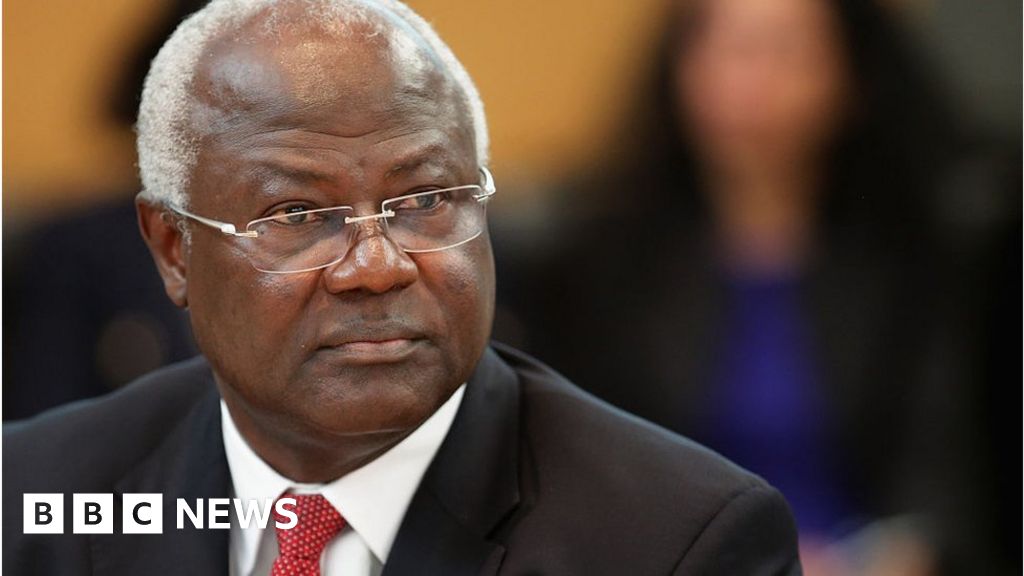
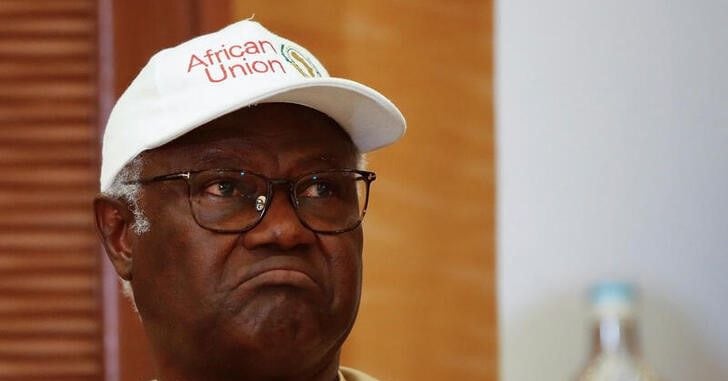
Former Sierra Leone President Ernest Bai Koroma has been granted permission by the High Court to leave for Nigeria for medical treatment, despite facing trial for his alleged involvement in a coup attempt last year. It is widely believed that a deal has been reached for him to go into exile in Nigeria if the charges are dropped. The current president has called this a "humanitarian gesture," but the trial is set to start in March. The attempted coup occurred following a disputed election, and tensions have been high in the country.
A new drug called "kush" is causing a crisis in West Africa, with around a million people addicted and a dozen deaths per week. The drug, rumored to contain ground-up human bones, is a mixture of cannabis, fentanyl, tramadol, formalin, and formaldehyde. Users exhibit violent behavior and self-harm, leading to an overwhelmed psychiatric hospital in Sierra Leone. While the rumor of human bones in the drug is likely unfounded, it has led to grave robbing and desecration of over 1,000 graves in the region.
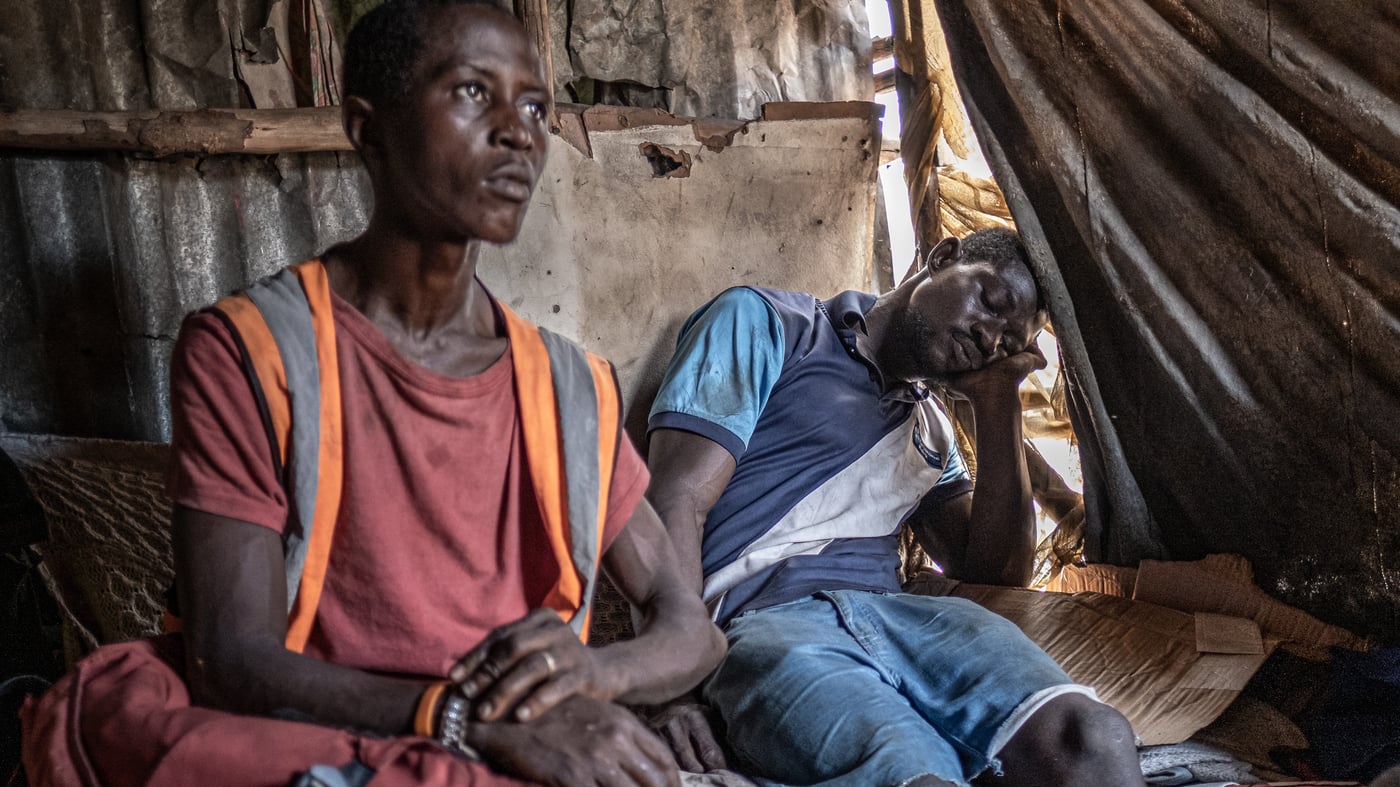
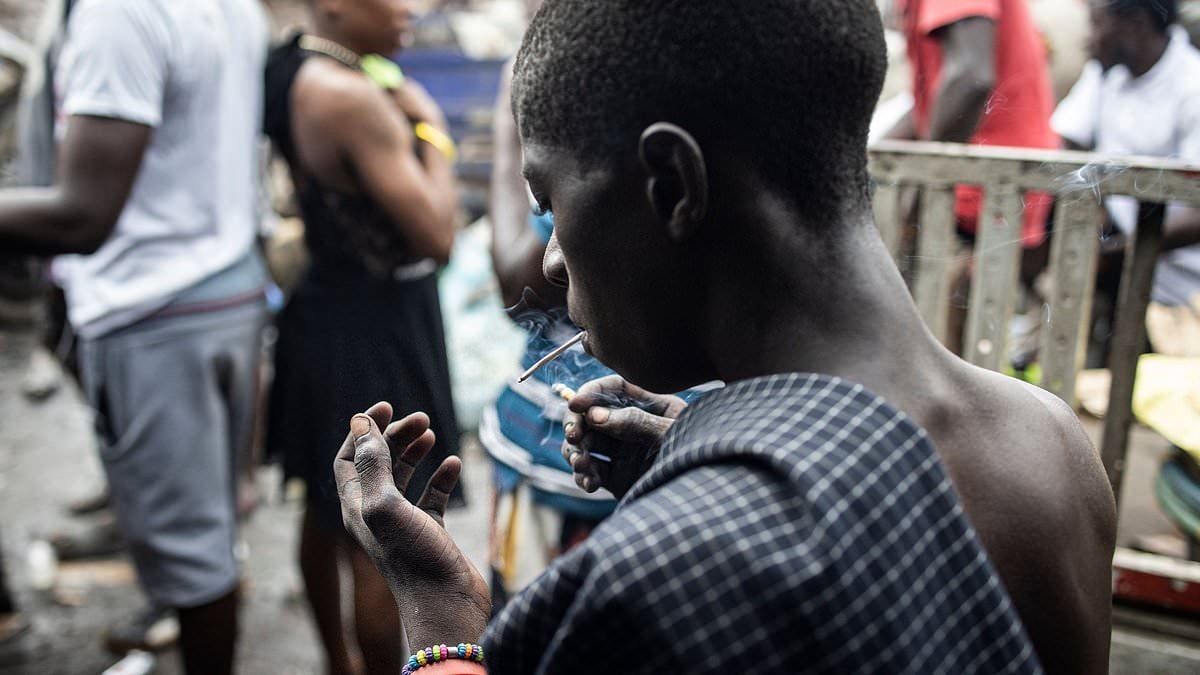
A new highly addictive drug called "Kush" made with human bones is causing a crisis in Sierra Leone, with dealers resorting to grave robbing to keep up with demand. The drug, which is openly sold and smoked on the streets, has led to widespread addiction and a surge in deaths, with an estimated dozen users dying weekly. Young people, facing poverty and lack of opportunities, turn to Kush to escape their harsh realities, leading to devastating consequences including homelessness, violence, and health issues. The psychiatric hospital is overwhelmed with cases, but resources are limited, and many patients relapse without proper follow-up treatment. The problem has also spread to neighboring countries, with an estimated one million people addicted across the region.
A new synthetic drug called 'kush' containing human bones is causing a devastating addiction crisis in Sierra Leone, leading to around a dozen deaths weekly and prompting dealers to rob graves to meet demand. Priced at 20p a joint, the highly addictive drug is openly sold and smoked on the streets, leaving users looking like 'zombies.' The drug, made from toxic chemicals, herbs, cannabis, disinfectant, and human bone fragments, has led to a surge in addiction-related admissions at the country's psychiatric hospital, but limited resources make follow-up treatment difficult.
Sierra Leone's former president, Ernest Bai Koroma, has been summoned by the police for questioning as part of their investigation into a failed coup attempt that occurred on November 26. The government has stated that the coup was led mostly by Koroma's bodyguards. So far, 71 people have been arrested in connection with the ongoing investigation. Koroma has expressed his willingness to cooperate with the police and called for the rule of law to prevail in the country.
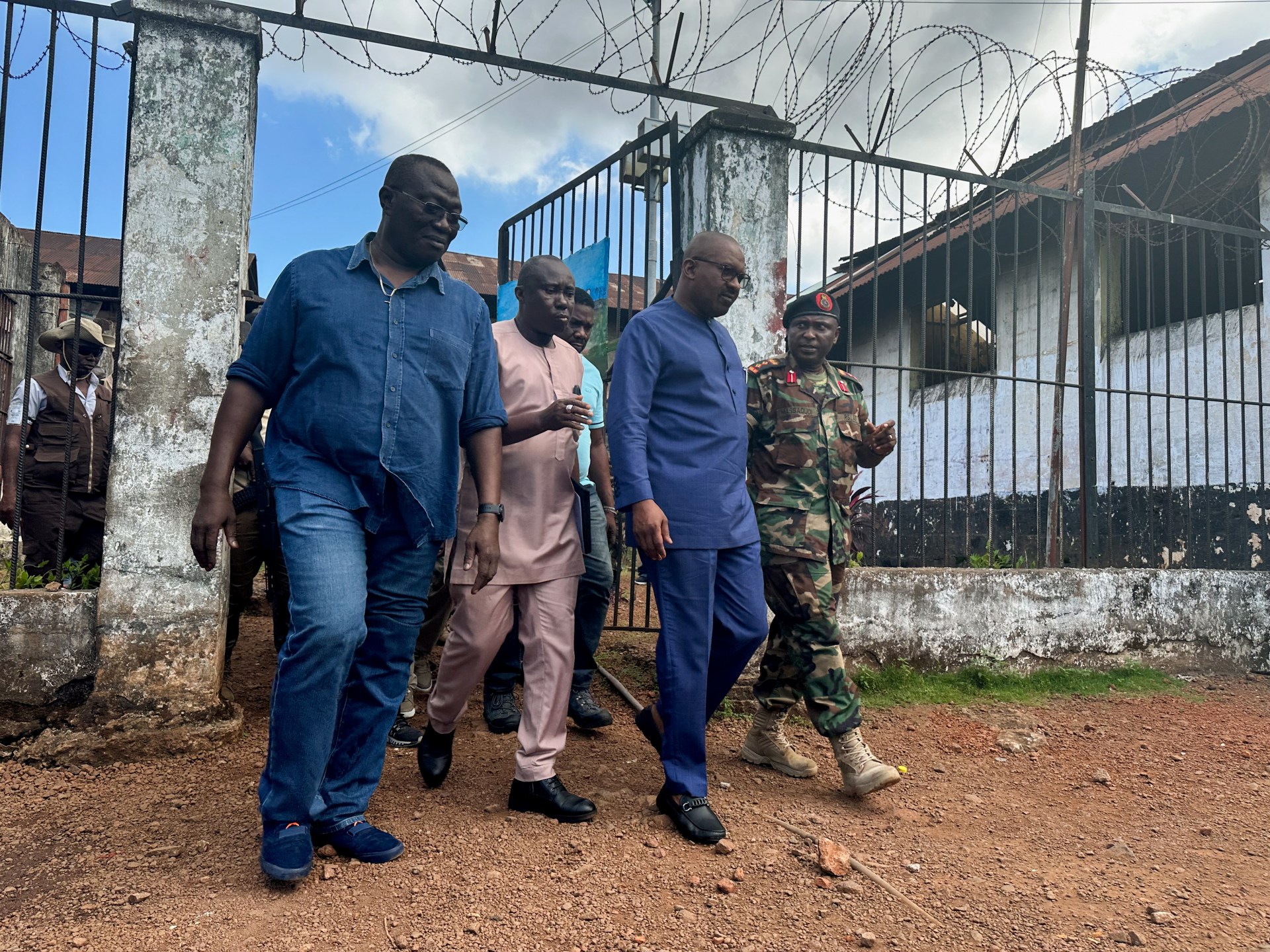
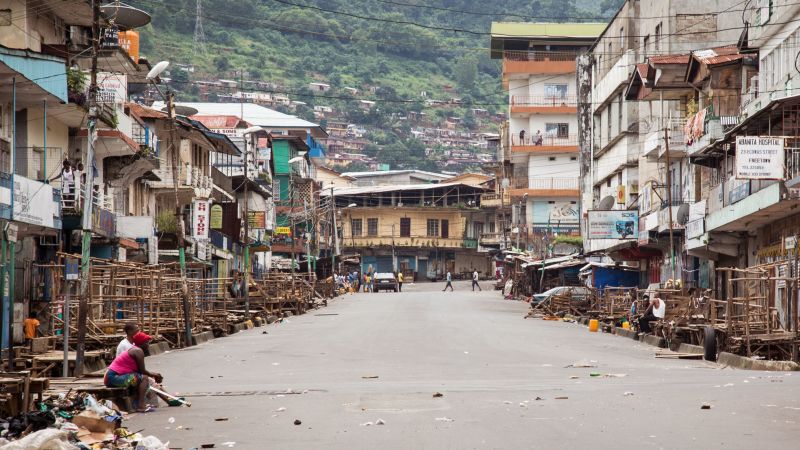
Sierra Leonean officials have confirmed that the recent attacks on military barracks and prisons in the capital, Freetown, were a failed coup attempt. Thirteen military officers and one civilian have been arrested in connection with the incident. The government is actively pursuing the remaining leaders involved in the coup attempt. Tensions remain high in Freetown, with checkpoints, closed schools and banks, and a curfew in place. The country has been experiencing political frictions since a disputed election in June, and the economic impact of the COVID-19 pandemic and Russia's invasion of Ukraine has further exacerbated the situation.
Fresh gunfire was heard in a suburb of Sierra Leone's capital, Freetown, as security forces searched for suspects linked to a jailbreak and a failed attack on a military barracks that resulted in over 13 deaths. Dozens of inmates escaped during the jailbreak, and a manhunt is underway to recapture them. The country has imposed a nationwide curfew, and flights have been disrupted at Freetown International Airport. The motive behind the attacks is still under investigation, and the international community has condemned the violence.