Dr. Zain Hasan warns that five common medications, including Wellbutrin, Accutane, anticoagulants, beta blockers, and tamoxifen, can cause hair loss. These drugs, taken by millions, may trigger hair follicles to enter a resting phase, leading to alopecia. While hair loss from these medications is often reversible, patients are advised to consult their doctors before discontinuing use.
Scientists at the University of Copenhagen have discovered a new drug candidate that targets the Neurokinin 2 Receptor (NK2R) to reduce appetite and increase calorie burning without causing nausea, a common side effect of current weight loss drugs like Ozempic. This breakthrough could lead to more effective treatments for obesity and type 2 diabetes, as it improves insulin sensitivity and energy expenditure. The findings, published in Nature, show promise in both mice and nonhuman primates, suggesting potential for human application.
Scientists at the University of Copenhagen are developing a new weight loss drug that targets Neurokinin 2 Receptors (NK2R) to reduce appetite and increase calorie burning without causing nausea, a common side effect of current treatments like Wegovy and Mounjaro. Early trials on mice and primates show promising results, including weight loss and improved insulin sensitivity, potentially offering a safer alternative for those with obesity and type 2 diabetes. This development comes amid concerns over the side effects and misuse of existing GLP-1-based weight loss medications.
Elyse Ramsay's father, Tim, died suddenly after taking the weight-loss drug Saxenda for 19 days, leading his family to suspect the medication contributed to his death. Despite the coroner initially ruling the cause of death as 'undetermined', an investigation into Saxenda's role is ongoing. Elyse warns against using such drugs for non-diabetic weight loss due to potential severe side effects, highlighting the risks of obtaining them from unregulated sources.
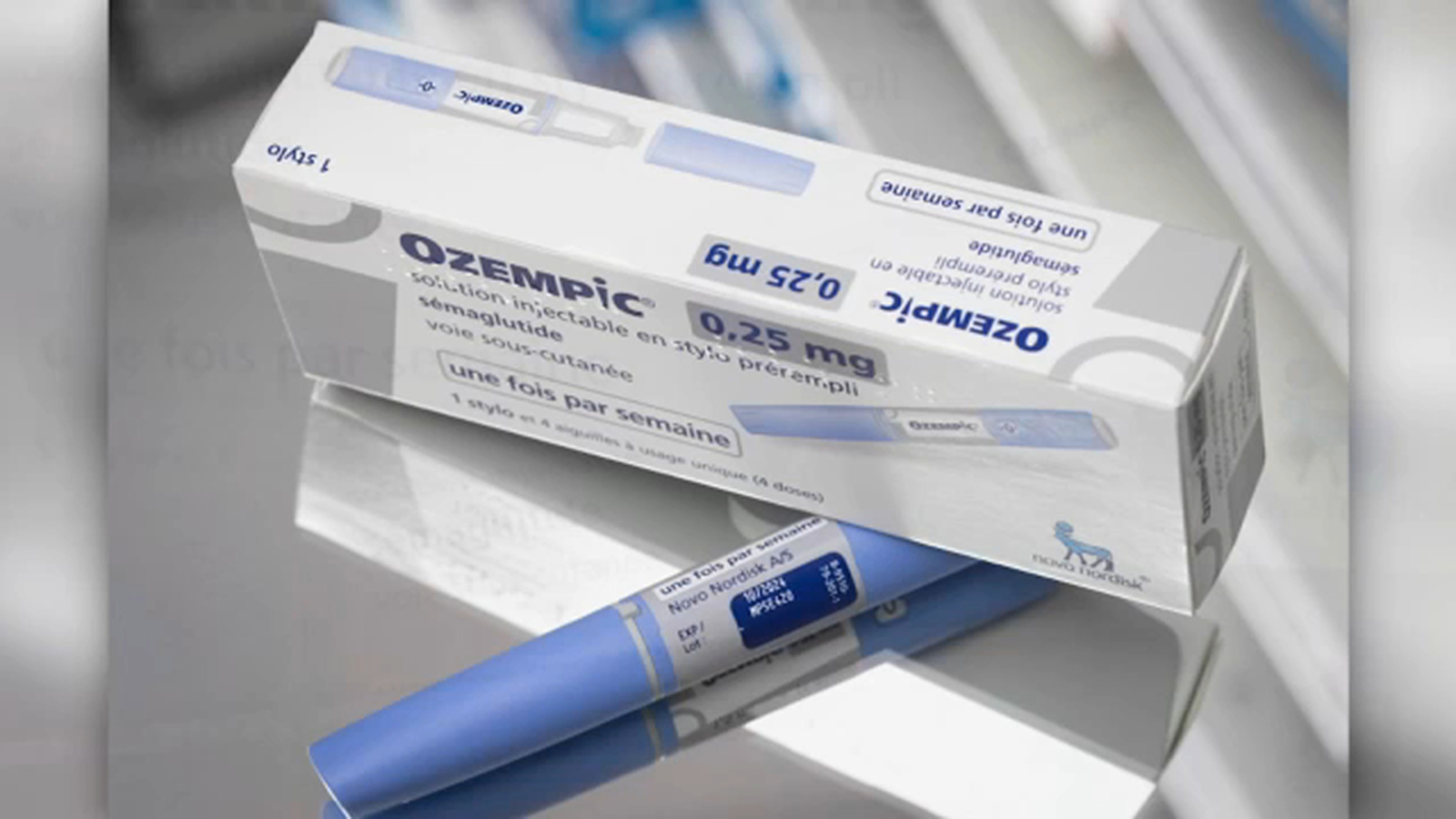
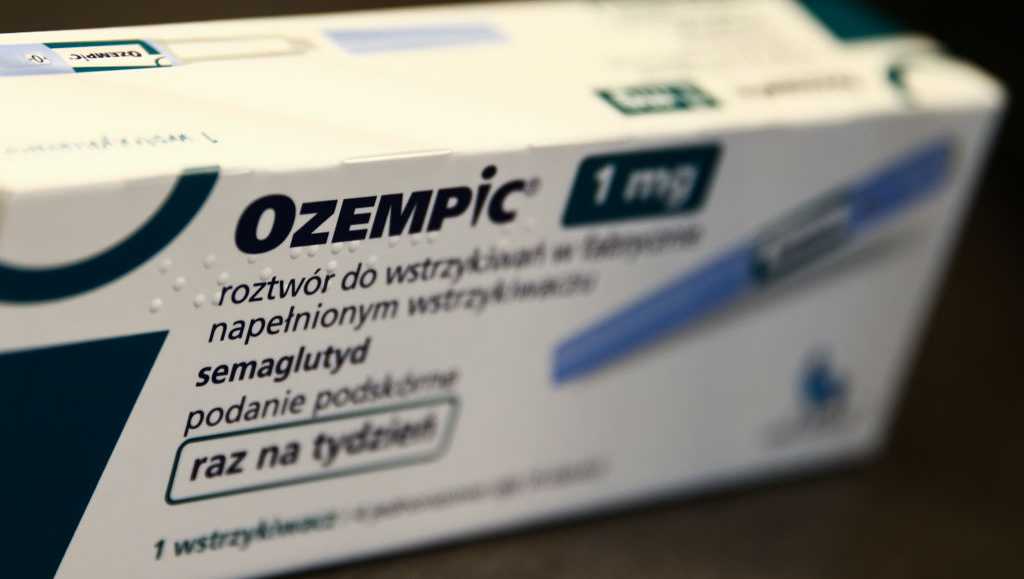
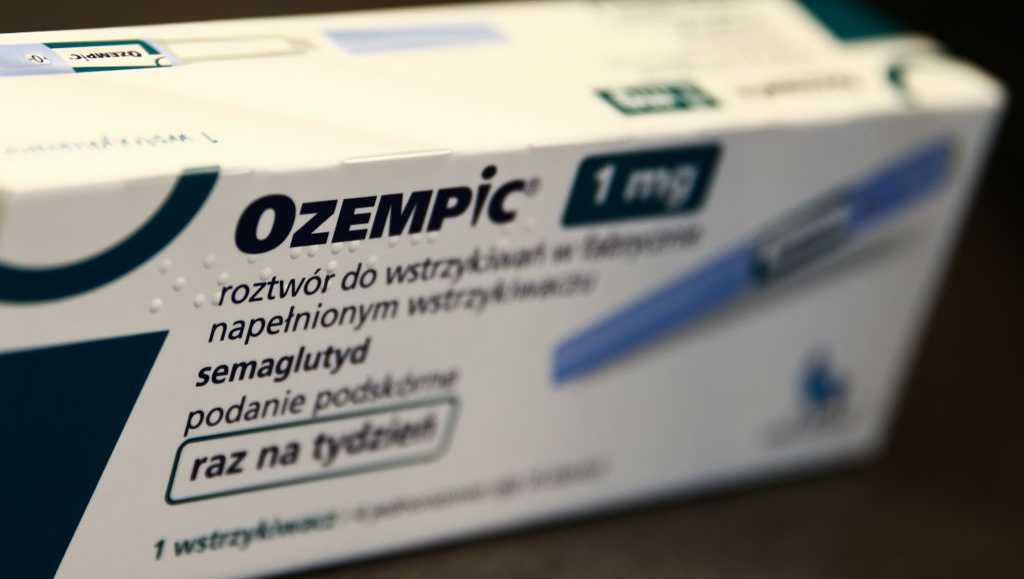
The FDA is reviewing side effects reported with GLP-1 receptor agonists like Ozempic, Mounjaro, and Wegovy, used for diabetes and weight loss. Side effects under investigation include hair loss, suicidal thoughts, and aspiration. While the FDA has not established a causal relationship between the drugs and these risks, they are assessing the need for regulatory actions such as label changes. Patients are advised to consult healthcare providers about concerns, and the FDA continues to monitor drug safety post-approval. Novo Nordisk and Eli Lilly, manufacturers of these drugs, emphasize patient safety and are cooperating with the FDA.
The FDA is investigating reports of serious side effects, including hair loss, suicidal thoughts, and airway obstruction, in patients using GLP-1 receptor agonists like Ozempic and Mounjaro, which are diabetes and weight loss drugs. While these drugs are known for their benefits in stimulating insulin secretion and reducing appetite, the potential new risks are not currently listed as side effects. Novo Nordisk, the manufacturer, acknowledges the FDA's review but stands by the safety and efficacy of its products when used as directed.
Dr. Rahul Jandial appeared on KTLA 5 Morning News to discuss the unexpected and potentially concerning effects of weight loss drugs. While the specific details of these effects were not provided in the excerpt, the segment highlights the importance of being aware of the possible unusual outcomes when using such medications. For more information, Dr. Jandial's insights can be followed on social media and through CityOfHope.org.
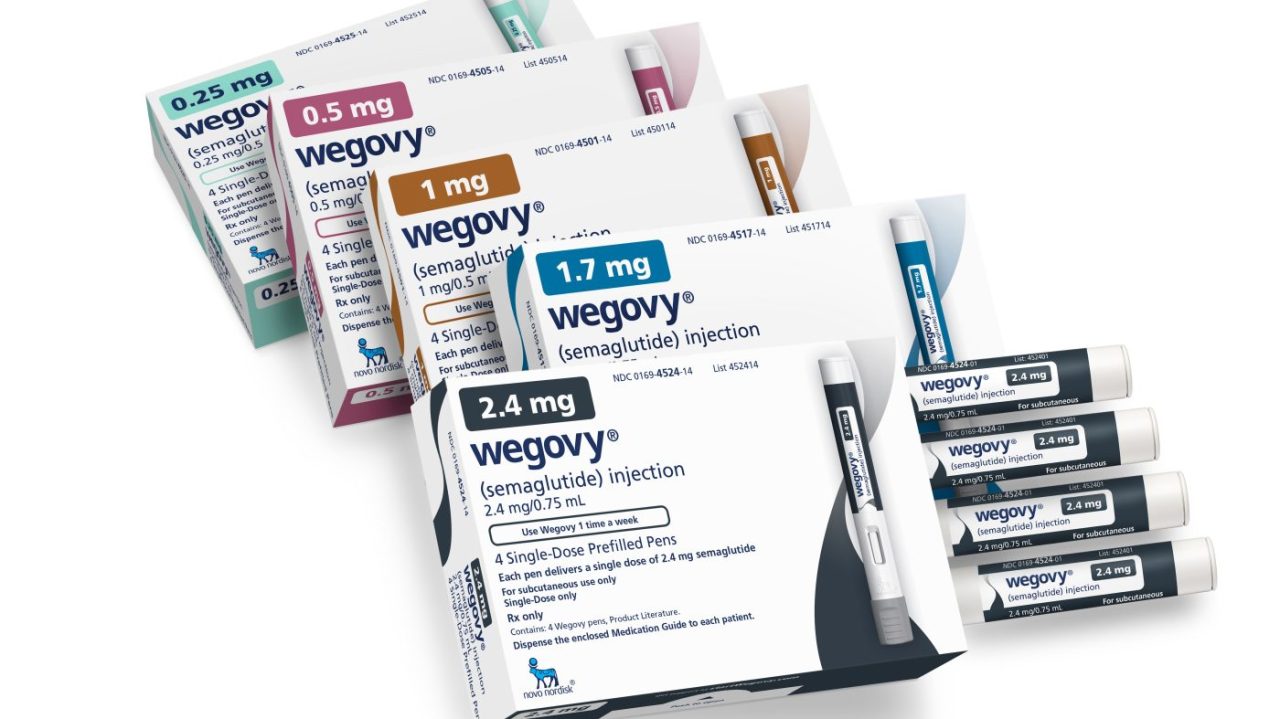
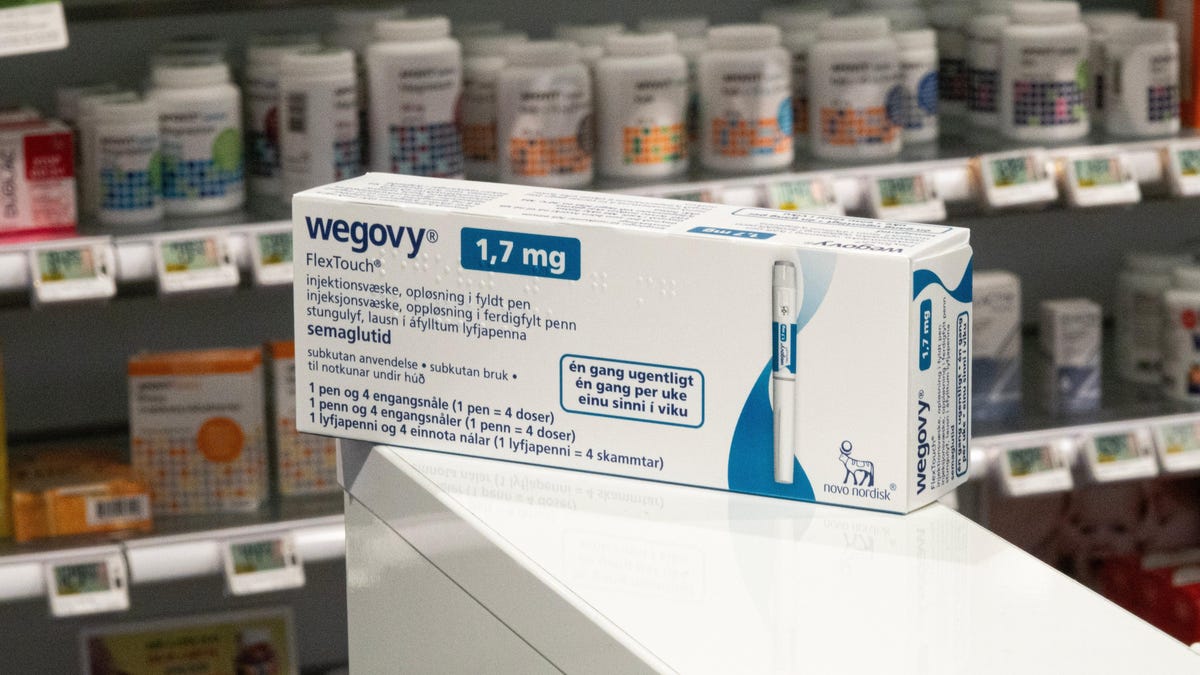
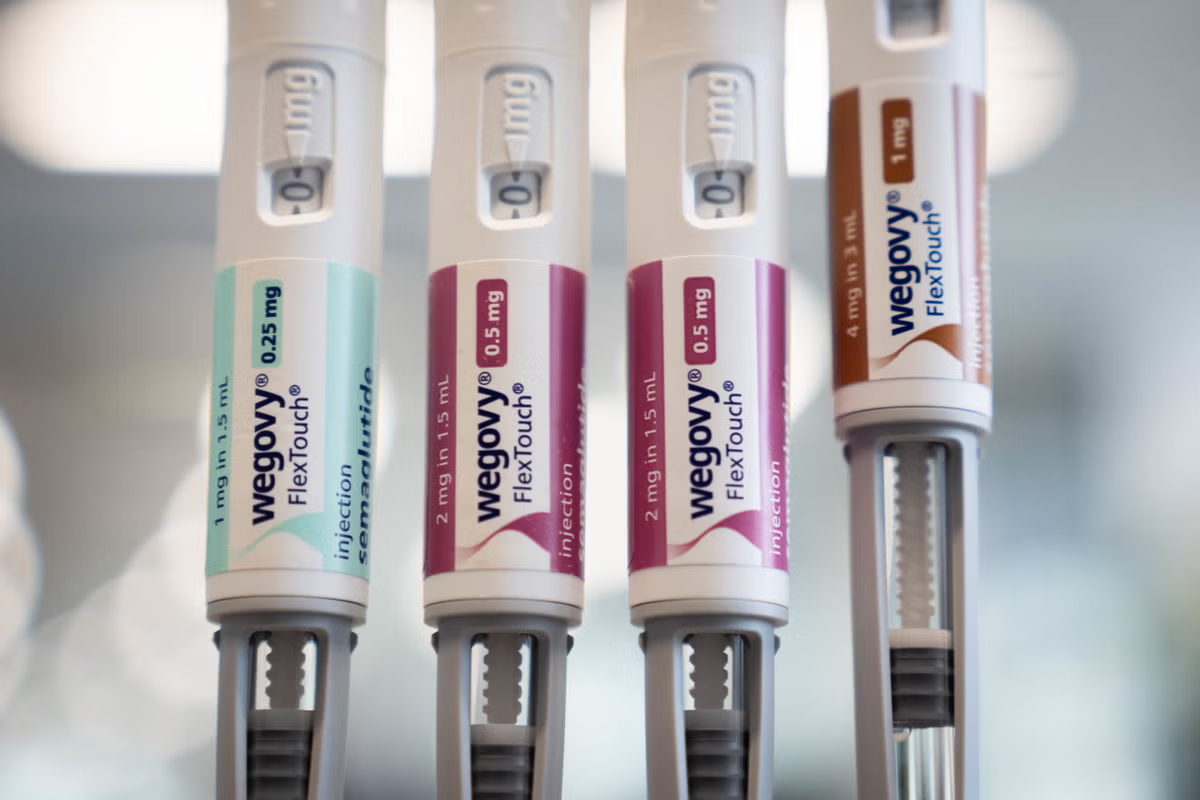
The FDA is investigating reports of potential serious side effects, including hair loss and suicidal thoughts, associated with the use of Wegovy and similar weight loss drugs. These drugs, which have been effective in clinical trials for obesity treatment, are now under scrutiny for adverse events reported post-approval. While these reports do not establish causation, they have prompted the FDA to consider regulatory actions, which could range from updated drug labeling to more severe restrictions if the risks are found to outweigh the benefits.
The FDA is investigating reports of serious side effects, including hair loss and suicidal thoughts, in individuals using GLP-1 receptor agonists like Ozempic, Mounjaro, and Wegovy, which are medications for diabetes and weight loss. While these reports have prompted a review, the FDA has not yet established a causal relationship between the drugs and the reported risks. The agency is considering regulatory actions such as label changes or the development of a Risk Evaluation and Mitigation Strategy. Novo Nordisk, the manufacturer of several GLP-1 agonists, has emphasized their commitment to patient safety and is cooperating with the FDA in monitoring the drugs' safety profiles.
The FDA is investigating reports of hair loss and suicidal thoughts among users of GLP-1 receptor agonists, such as Ozempic, Mounjaro, and Wegovy, which are medications for diabetes and weight loss. While these side effects, along with aspiration, have been reported to the FDA Adverse Event Reporting System, the FDA has not yet established a causal relationship between the drugs and the risks. The FDA's ongoing drug safety monitoring may lead to regulatory actions like label changes or the development of a Risk Evaluation and Mitigation Strategy. Novo Nordisk, the manufacturer of several GLP-1 agonists, emphasizes their commitment to patient safety and the efficacy of their medications when used properly.
The FDA is investigating reports of hair loss and suicidal thoughts among users of GLP-1 receptor agonists, such as Ozempic, Mounjaro, and Wegovy, which are medications for diabetes and weight loss. While these side effects, along with aspiration, have been reported to the FDA Adverse Event Reporting System, the FDA has not yet established a causal relationship between the drugs and the risks. The FDA's ongoing drug safety monitoring may lead to regulatory actions like label changes or the development of a Risk Evaluation and Mitigation Strategy. Novo Nordisk, the manufacturer of several GLP-1 agonists, emphasizes their commitment to patient safety and the importance of using these medications under professional medical care.
The FDA is investigating reports of hair loss and suicidal thoughts among users of GLP-1 receptor agonists, a class of drugs used for diabetes and weight loss, including brands like Ozempic, Mounjaro, and Wegovy. While these side effects have been reported to the FDA's Adverse Event Reporting System, the agency has not yet established a causal relationship between the drugs and the risks. The FDA continues to monitor drug safety post-approval and may take actions such as updating labels or implementing risk strategies if necessary. Novo Nordisk, a manufacturer of these drugs, has stated their commitment to patient safety and ongoing collaboration with the FDA.
The FDA is investigating reports of serious side effects potentially linked to popular weight loss drugs, including Ozempic, Wegovy, Mounjaro, and Zepbound. These side effects include hair loss (alopecia), aspiration during surgery, and suicidal ideation. While some side effects have led to updates in drug labels and calls for further study, the FDA has not yet confirmed a causal relationship between these medications and the reported issues. The European Medicines Agency is also reviewing the risk of suicidal thoughts associated with these drugs. The FDA's postmarketing surveillance aims to ensure drug safety throughout their lifecycle.
Many medications can cause hair loss as a side effect, either by halting hair growth or causing hair to shed prematurely. Common culprits include retinoids, antifungals, mood stabilizers, blood thinners, cholesterol-lowering drugs, antithyroid medications, hormonal medications, antihypertensives, and chemotherapy. While hair loss from medication is often reversible after stopping or reducing the drug, some cases may require alternative treatments like Rogaine (minoxidil) or Latisse (bimatoprost). Patients experiencing medication-induced hair loss should consult their healthcare provider for guidance and potential treatment options.
A new study warns against the use of analgesics like paracetamol, ibuprofen, and codeine for treating acute non-specific low back pain due to their potential to increase the risk of adverse side effects. The study found that these medicines might have a small impact but it is not clinically meaningful. Health experts suggest physical activity as the key to reduce the pain, as sitting for too long and being sedentary makes the muscles around the spine weak and thus it loses its grip.