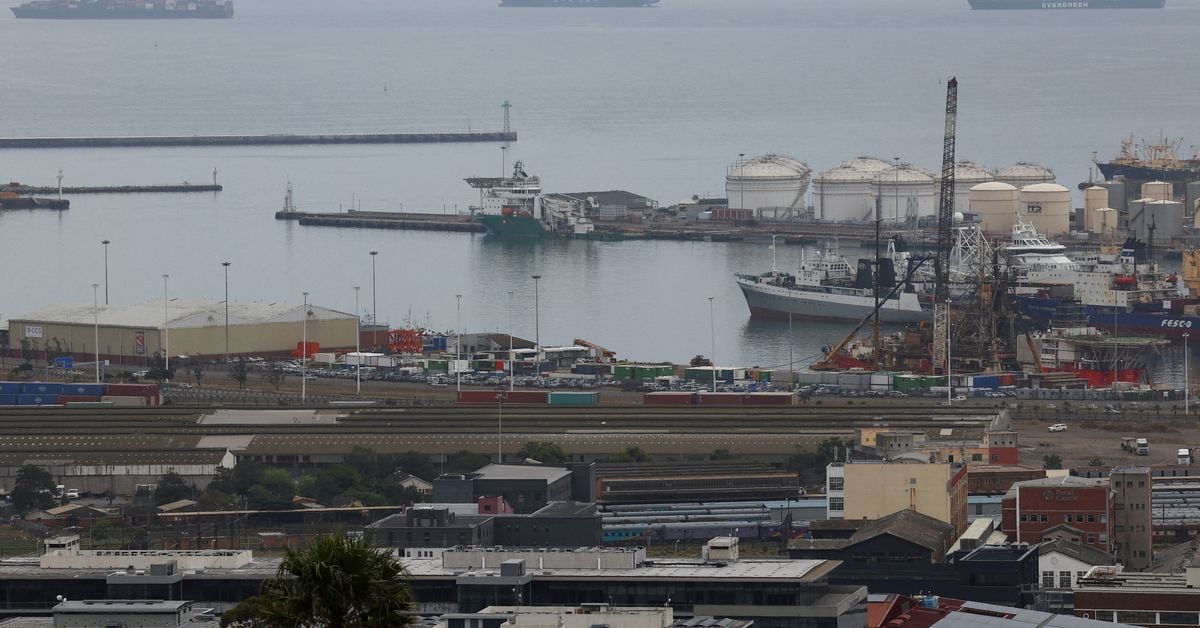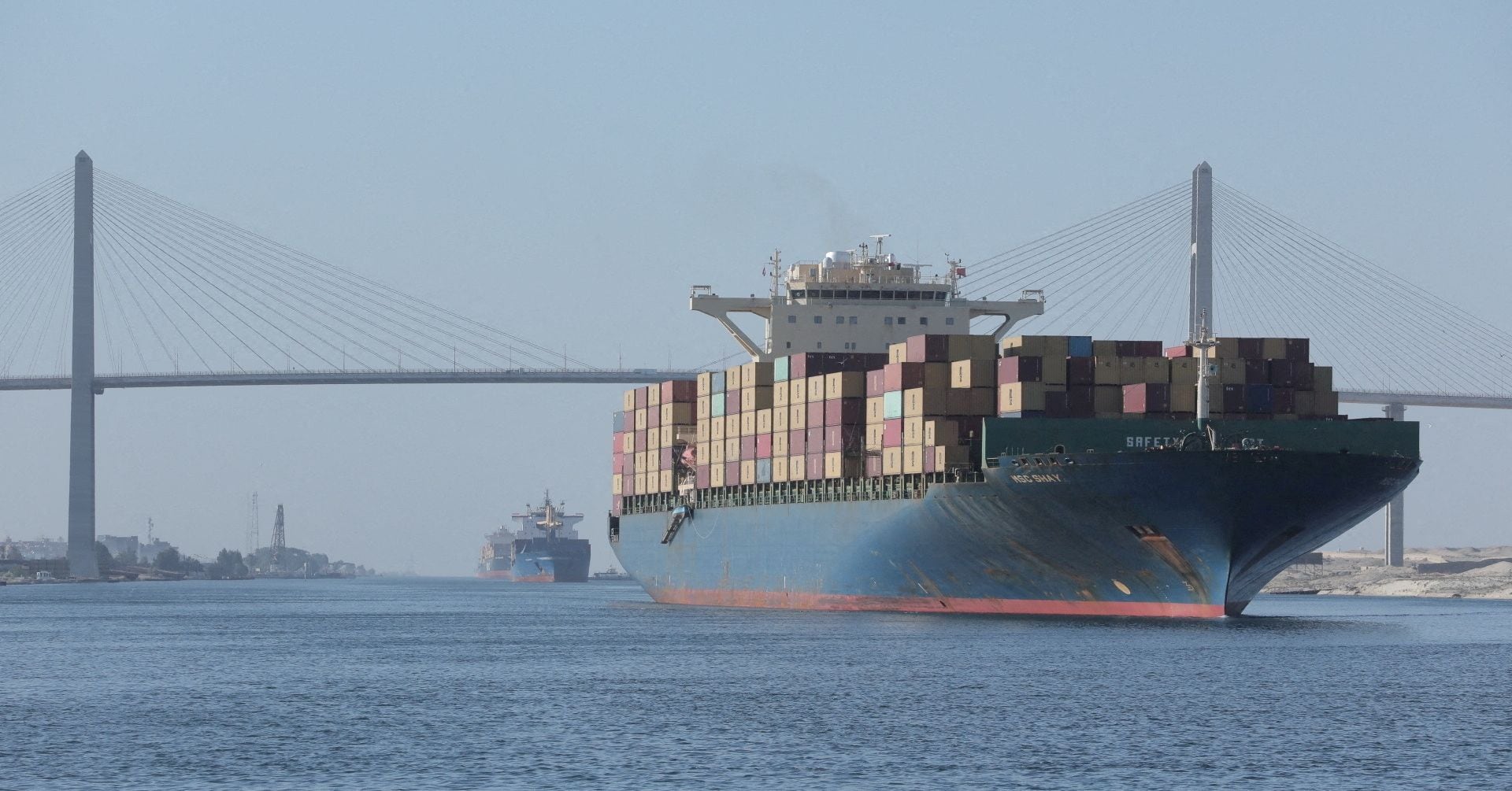
The re-routing of ships around Africa to avoid potential attacks in the Red Sea is increasing demand for bunker fuel at ports in Africa and the Mediterranean, with prices rising significantly. Attacks by Yemen's Houthi militia on merchant ships in the Red Sea have led to tensions in the Middle East, prompting ships to divert around the southern tip of Africa. This has caused congestion in bunkering ports around Africa and put pressure on port infrastructure. Bunker fuel demand has risen at ports in Mauritius, Gibraltar, the Canary Islands, and South Africa, with prices jumping in Cape Town. Singapore and Rotterdam are expected to see increased demand for bunker fuel as ships seek competitive prices and hedge against route uncertainties.
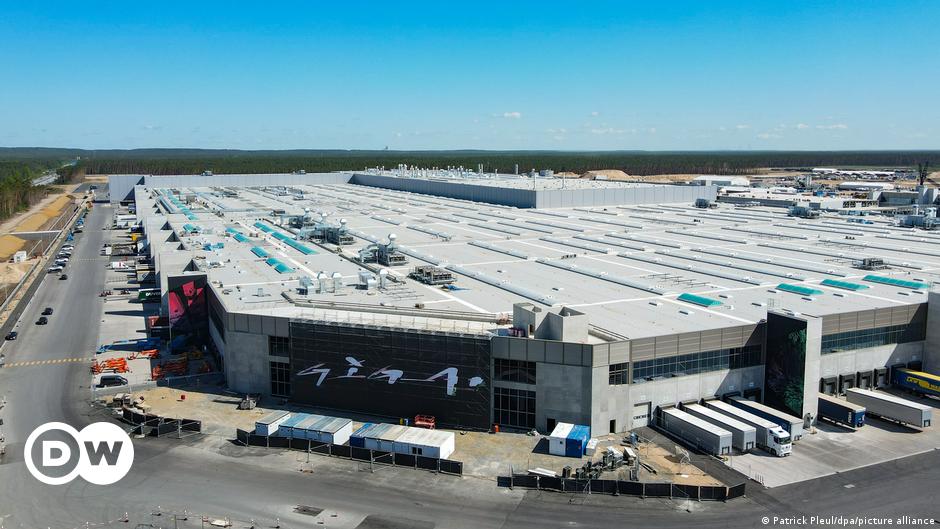
Tesla will suspend most car production at its German factory for two weeks due to a lack of components caused by shifts in shipping routes in the Red Sea, where Iranian-backed Houthi militants have been attacking ships. The disruption has forced shipping companies to avoid the Suez Canal, leading to longer and more expensive journeys around South Africa's Cape of Good Hope. This has impacted various industries, with Tesla being the first to announce a production interruption due to the crisis.
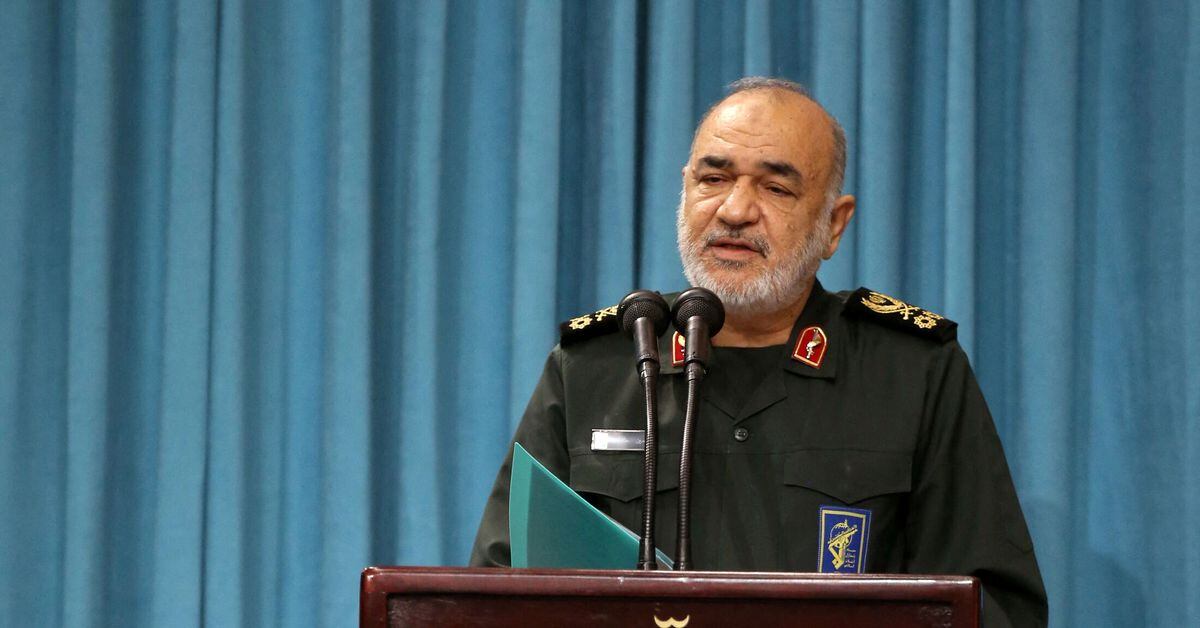
Major General Hossein Salami, the commander of Iran's Revolutionary Guards, has declared a readiness to confront what he refers to as "the enemy" in response to the presence of foreign naval forces in strategic shipping routes. This statement comes amid heightened tensions as Iran's allies, the Houthi movement, have attacked vessels in support of Hamas against Israel. Salami emphasized the need to defend Iran's national interests and warned foreign powers to maintain their distance from the region. The IRGC has also showcased new military capabilities, including a new ship and missile launchers, to challenge global naval powers, while the Iranian warship Alborz has been deployed to the Red Sea to secure shipping routes.
Shipping companies rerouting around the Cape of Good Hope to avoid Houthi attacks in the Red Sea are facing difficulties in finding suitable ports for refueling and restocking. African ports, including major ones like Durban, Cape Town, and Ngqura, are struggling with red tape, congestion, and poor facilities. This has led to limited options for ships seeking replenishment along the rerouted route. Ports in Mauritius and Namibia, such as Port Louis and Walvis Bay, are being considered as top options for bunkering en route. Additionally, rough weather conditions and bureaucracy pose further challenges for vessels navigating the longer East-West route via the southern tip of Africa.
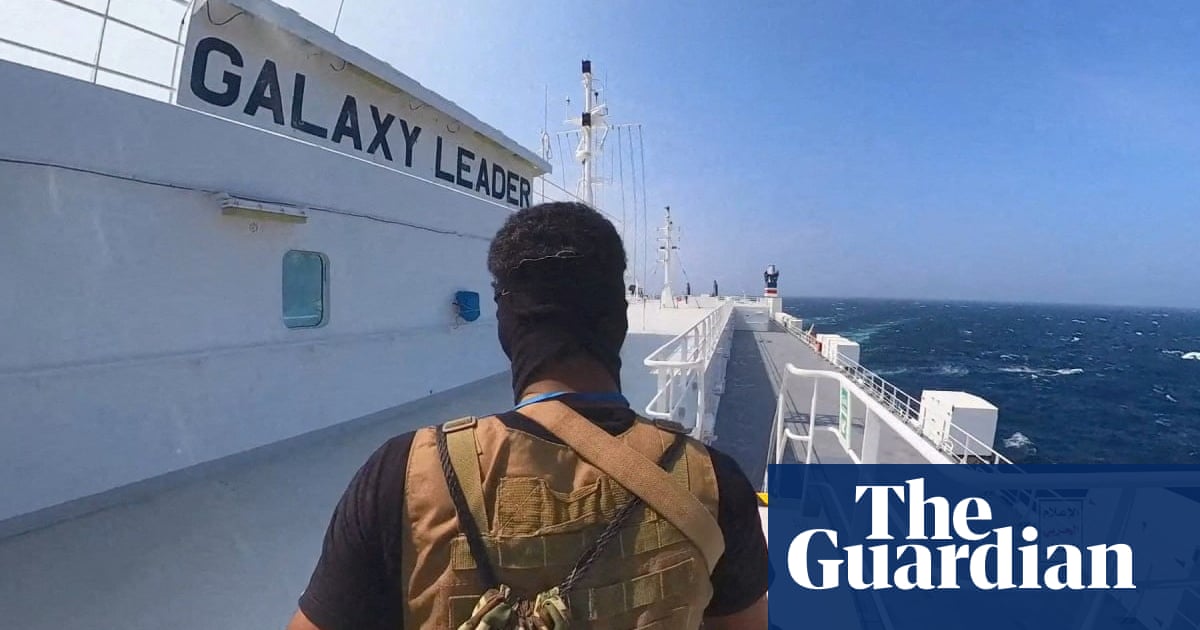
Over 100 container ships have been rerouted from the Suez Canal to avoid attacks by Houthi rebels off the coast of Yemen, causing disruption to global trade. The diversions add significant time and distance to shipping routes, potentially delaying product deliveries by three to four weeks. The Houthi rebels, aligned with Iran, have targeted vessels in response to Israel's bombardment of Gaza. The US plans to lead a naval coalition to protect shipping in the Suez Canal. The disruption has led to higher oil prices and could eventually impact consumer energy tariffs and supply chains. While the retail industry is not expected to be affected this Christmas, extended disruptions could lead to shortages of products and parts for manufacturers.
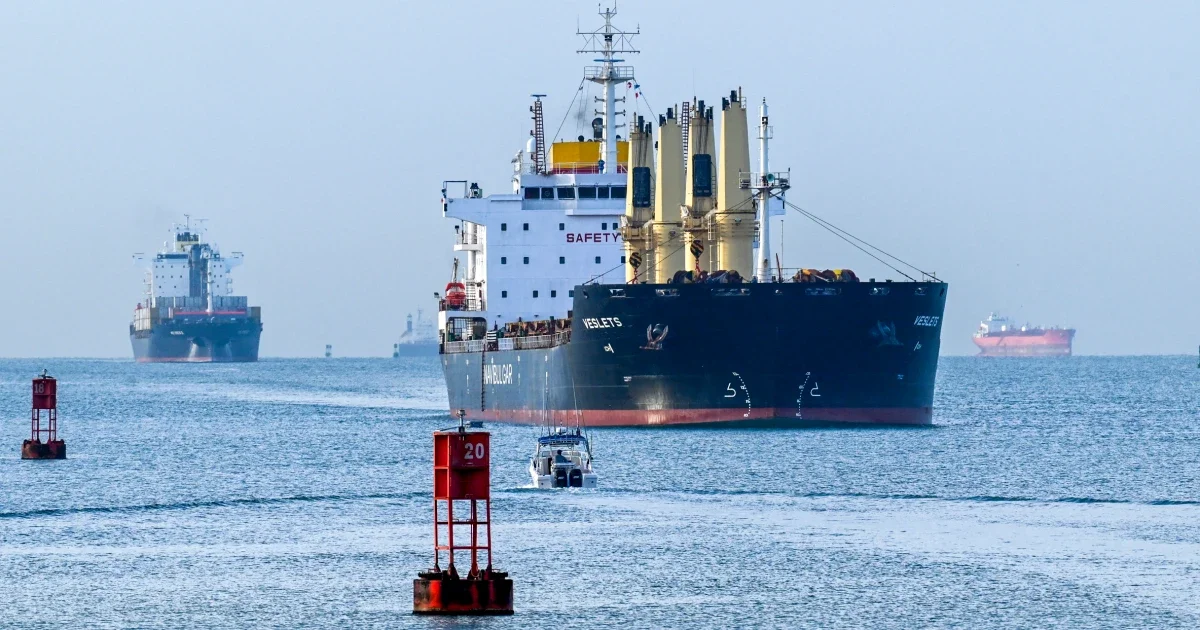
Major shipping routes, including the Panama Canal and the Rhine River, are facing water shortages due to climate-driven extreme weather events. The onset of El Niño is expected to worsen the situation, potentially leading to more severe droughts in 2024. The restrictions on the Panama Canal have caused a backlog of ships, highlighting the vulnerability of global shipping and supply chains. Analysts warn that climate-related disruptions could increase, posing risks to food security and regional economies. The impacts of extreme weather events on major waterways emphasize the need to understand and address the vulnerabilities of maritime chokepoints in the face of the climate crisis.