
Tag

Shell Galaxy

All articles tagged with #shell galaxy

"Unveiling the Enigmatic Layers of NGC 3923: A Captivating Shell Galaxy"
space2 years ago

"Unveiling the Enigmatic Layers of NGC 3923: A Captivating Shell Galaxy"

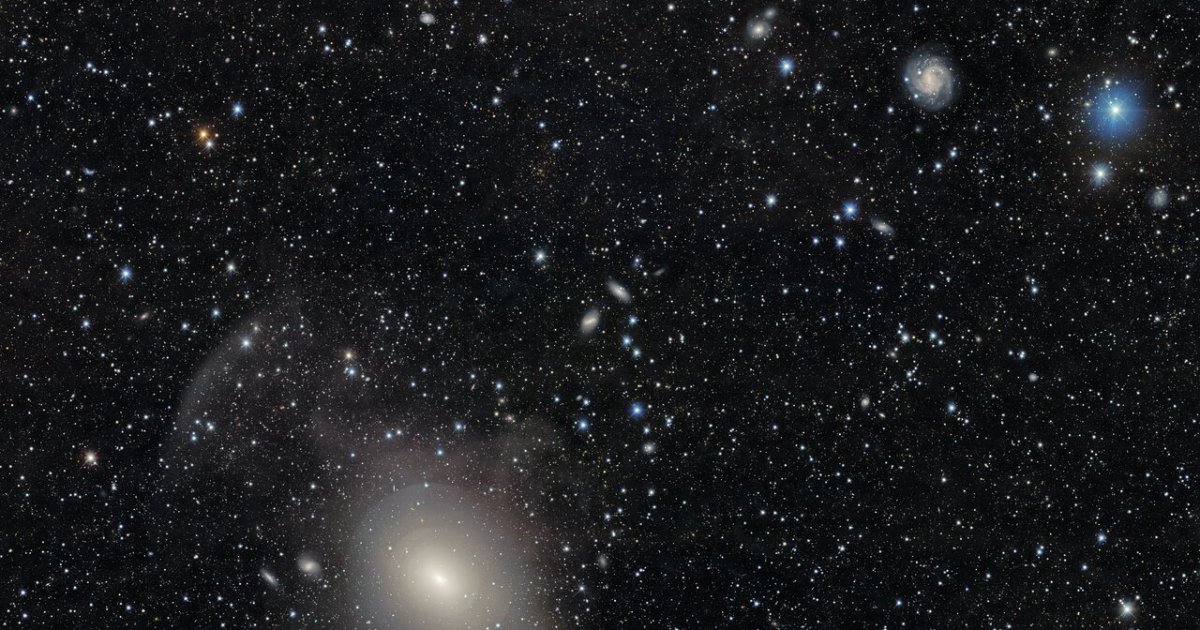
The Dark Energy Camera has captured an image of a "galactic onion," a shell galaxy called NGC 3923 with multiple layers spread out over 150,000 light-years. The image also showcases a nearby galaxy cluster exhibiting gravitational lensing. Shell galaxies are formed when two galaxies merge, with the larger galaxy gradually peeling off stars from the smaller galaxy's disk, creating concentric bands or shells. The image can be viewed in detail on the NOIRLab website.
"Dark Energy Camera Uncovers Shell Galaxy's Layered Secrets"
astronomy2 years ago

"Dark Energy Camera Uncovers Shell Galaxy's Layered Secrets"

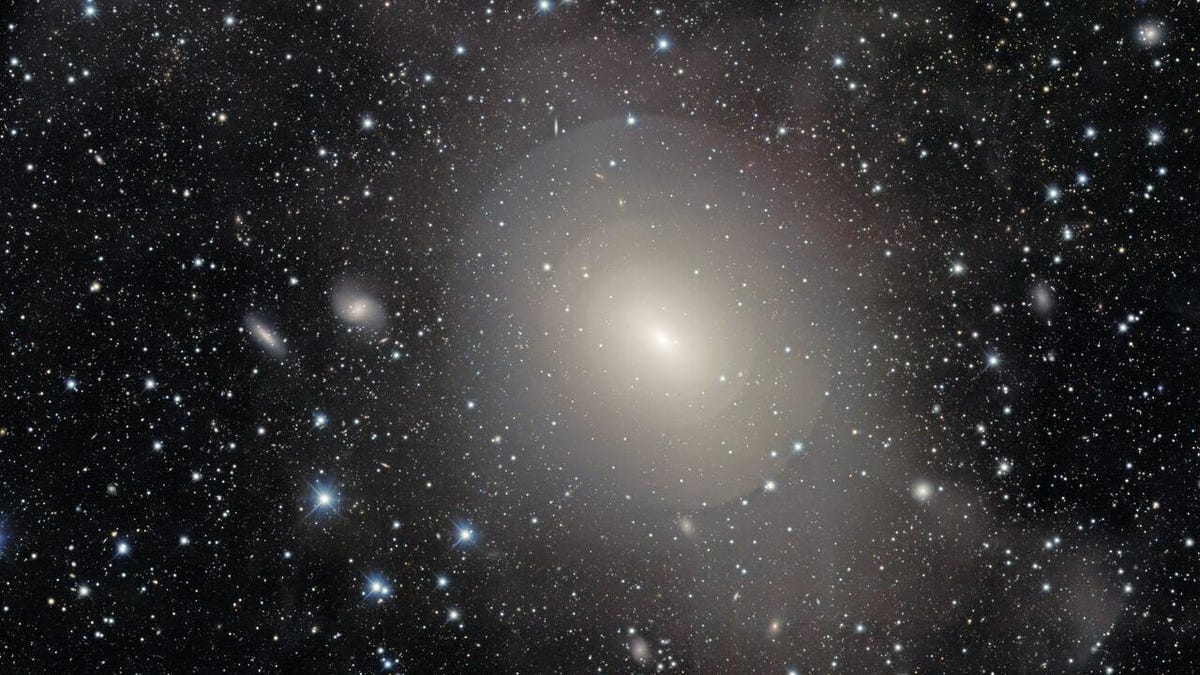
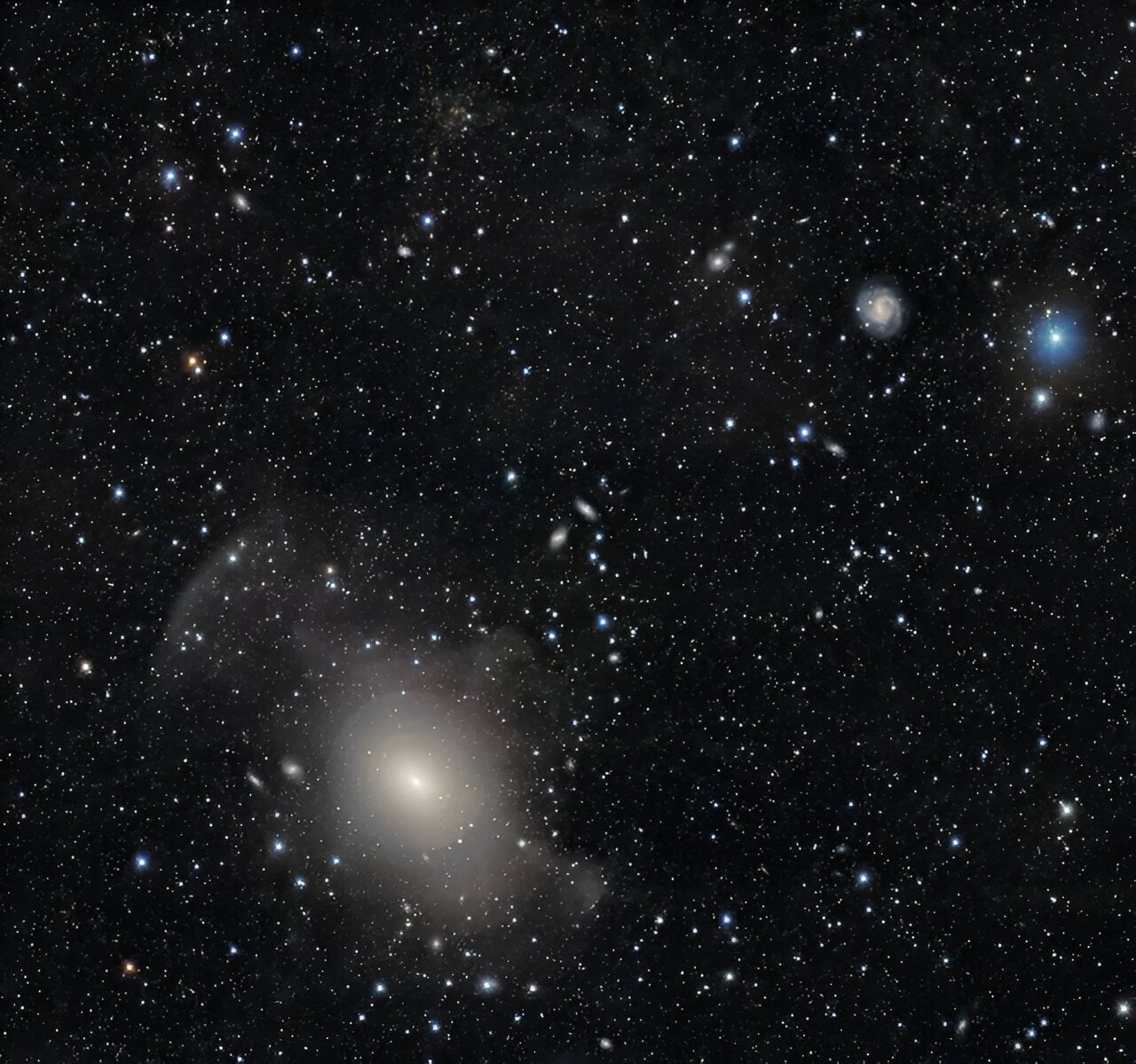
The Dark Energy Camera has captured an image of the shell galaxy NGC 3923, revealing its onion-like layers of concentric rings within its galactic halo. Shell galaxies make up 10% of all elliptical galaxies and NGC 3923 is about 50% larger than the Milky Way, with the largest known shells. The image also features a gravitational lens around the galaxy cluster PLCK G287.0+32.9, which bends light and magnifies distant objects. Gravitational lenses have been used to spot ancient light and provide evidence for dark matter.

"DECam Reveals Mesmerizing Layers of NGC 3923 Shell Galaxy Amid Gravitational Lensing"
astronomy2 years ago

"DECam Reveals Mesmerizing Layers of NGC 3923 Shell Galaxy Amid Gravitational Lensing"

The Dark Energy Camera (DECam) has captured a stunning image of the shell galaxy NGC 3923, showcasing its concentric layers. Located in the constellation Hydra, NGC 3923 is about 70 million light-years away and is larger than the Milky Way. The galaxy's layered structure is believed to have formed through a merger with a smaller spiral galaxy, resulting in the gradual mixing of stars and the formation of concentric bands. The image also reveals gravitational lensing, allowing astronomers to study the nature of dark matter and the expansion of the universe.