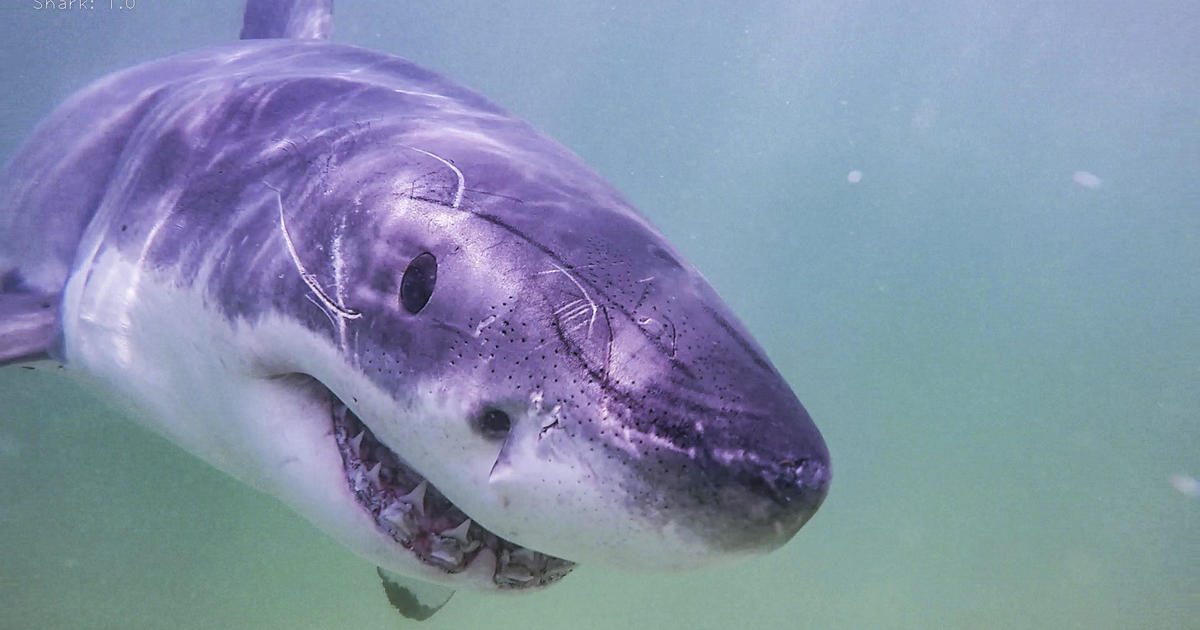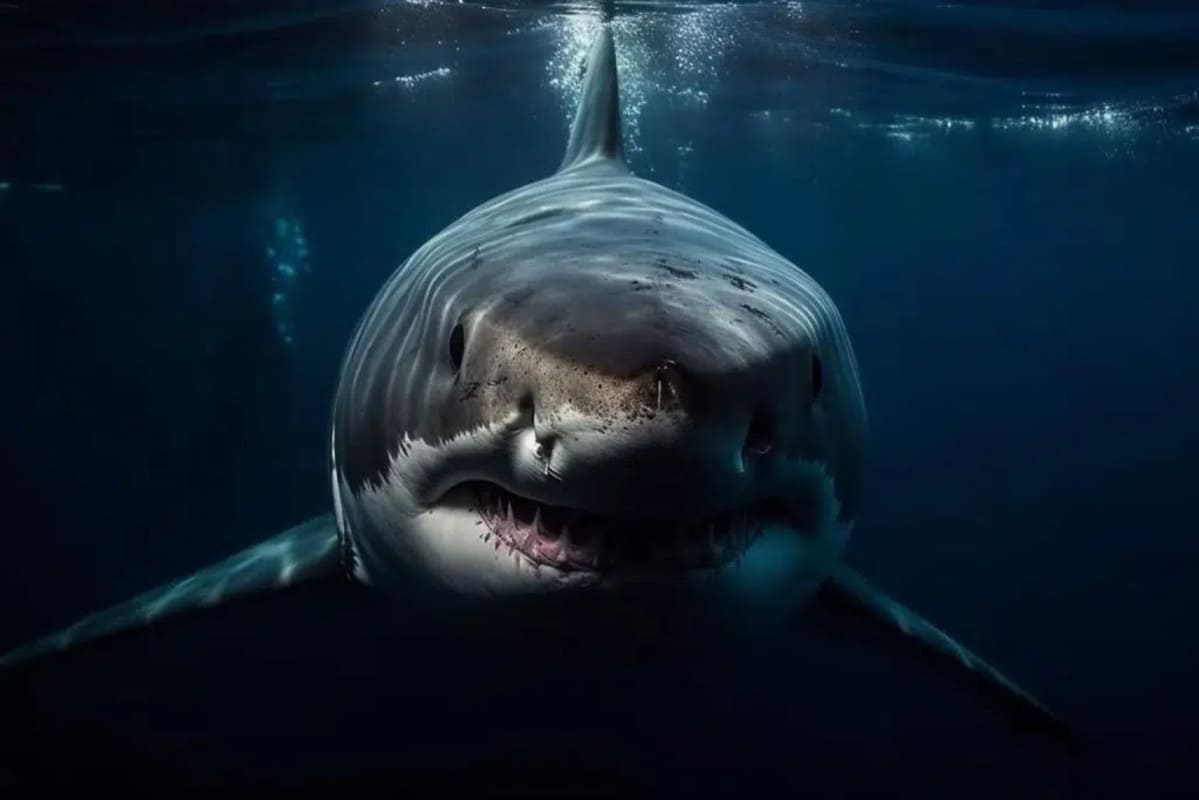
A massive great white shark named Contender, over 14 feet long and weighing 1,650 pounds, has been tracked near North Carolina's coast, highlighting the importance of understanding shark migration for conservation and safety. The shark's journey underscores the need for respect and awareness of marine ecosystems, especially during peak migration seasons, as scientists gather data to protect these vital predators and their habitats.

Carnival Cruise Line's new private island, Celebration Key in the Bahamas, is considered safe for swimming despite concerns about sharks, as shark attacks are extremely rare and the area is monitored. Guests can enjoy various water activities, including a glass-bottom boat and shark experience, or opt for freshwater lagoons and other non-ocean activities to avoid sharks altogether.
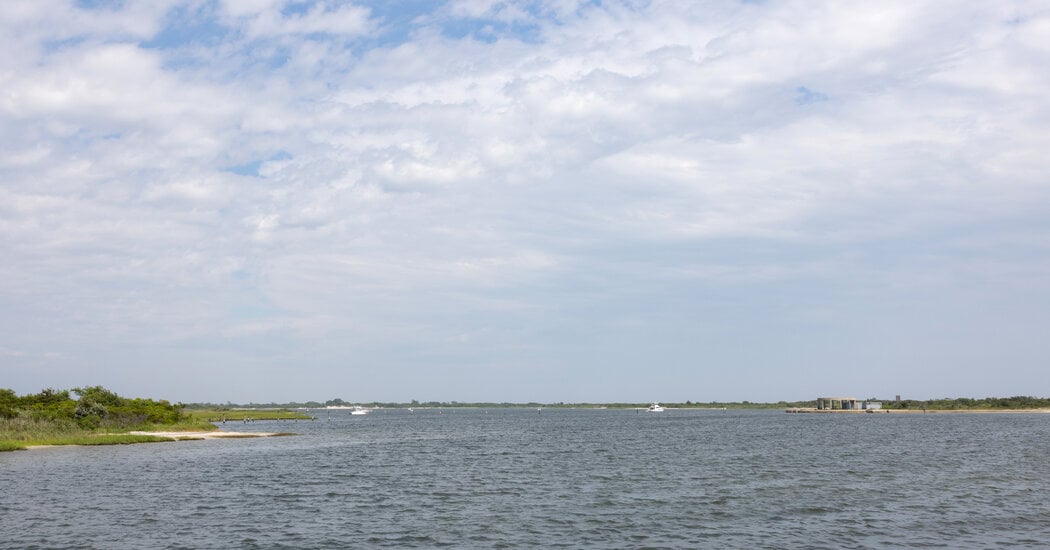
A woman was likely bitten by a juvenile sand tiger shark at Jones Beach, Long Island, resulting in minor injuries and prompting a temporary beach closure for safety measures. This incident marks the first shark attack of the season at a New York State park, amid recent global shark attack reports, highlighting ongoing safety advisories for swimmers.
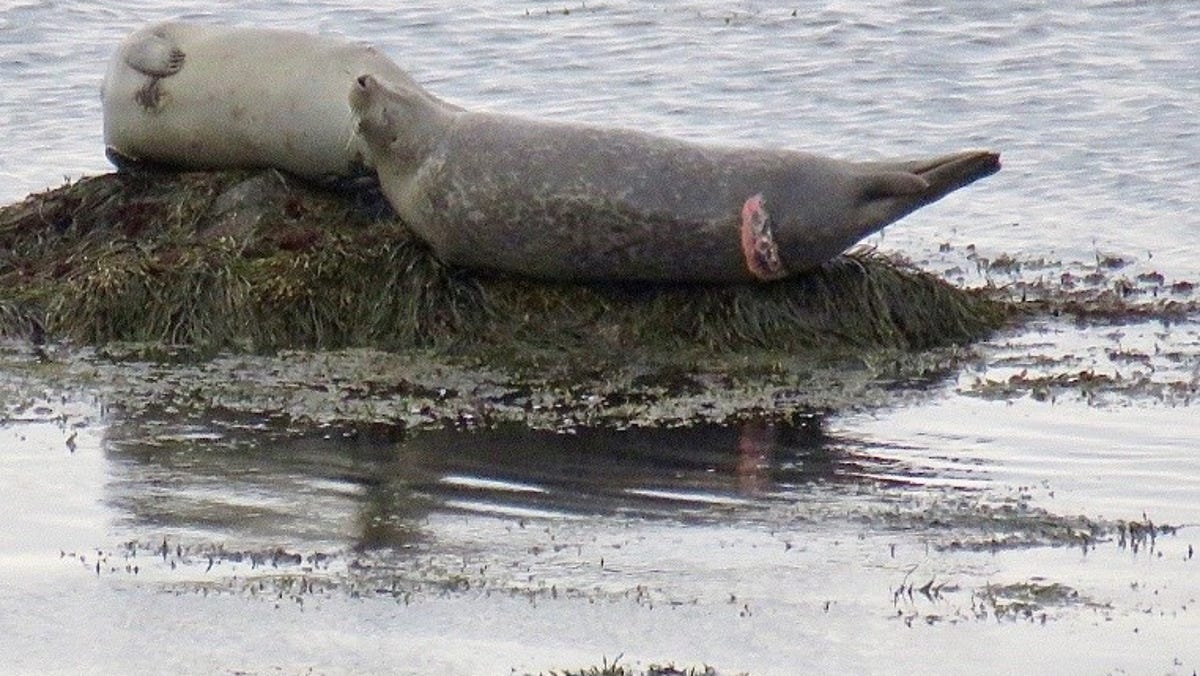
Great white sharks have returned to Massachusetts waters, with recent sightings and bites on whales and seals. The New England Aquarium urges the public to be cautious and follow shark safety guidelines, especially with the upcoming Memorial Day Weekend. The shark population in Cape Cod peaks in late summer due to the abundance of seals, their primary prey. Beachgoers are advised to stay aware of their surroundings and avoid areas with seals or schools of fish.
Researchers are warning beachgoers in Cape Cod to be vigilant for Atlantic white sharks after recent sightings and evidence of shark bites on marine mammals. With the summer season starting, the New England Aquarium advises people to review shark safety guidelines and use the Sharktivity app to track shark activity. The presence of sharks is expected to increase as waters warm, peaking between August and October.
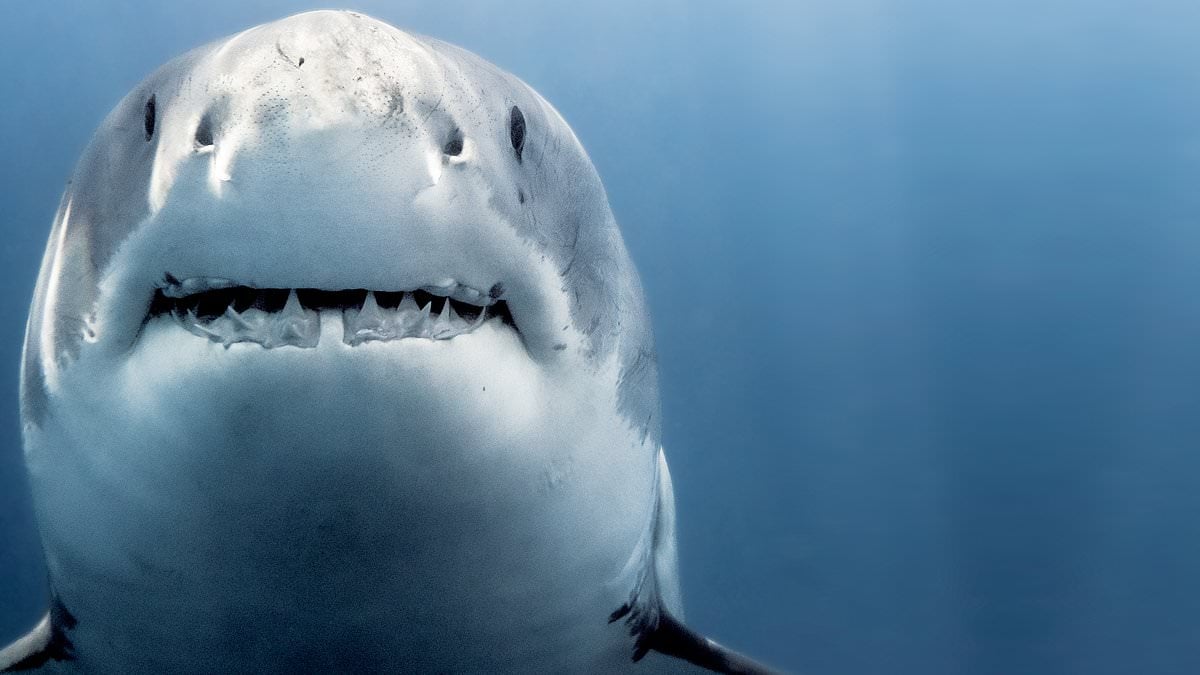
Shark expert and conservationist Mike Coots, who lost his leg to a tiger shark in 1997, shares his dos and don'ts for avoiding shark attacks. He advises maintaining clear visibility and eye contact with sharks, avoiding distractions from cameras, not splashing or panicking in the water, and always facing the shark. Coots emphasizes that sharks are not actively hunting humans and that their portrayal in movies and media has led to misconceptions. His new photo book, "Shark: Portraits," aims to showcase the beauty and importance of sharks in our oceans.