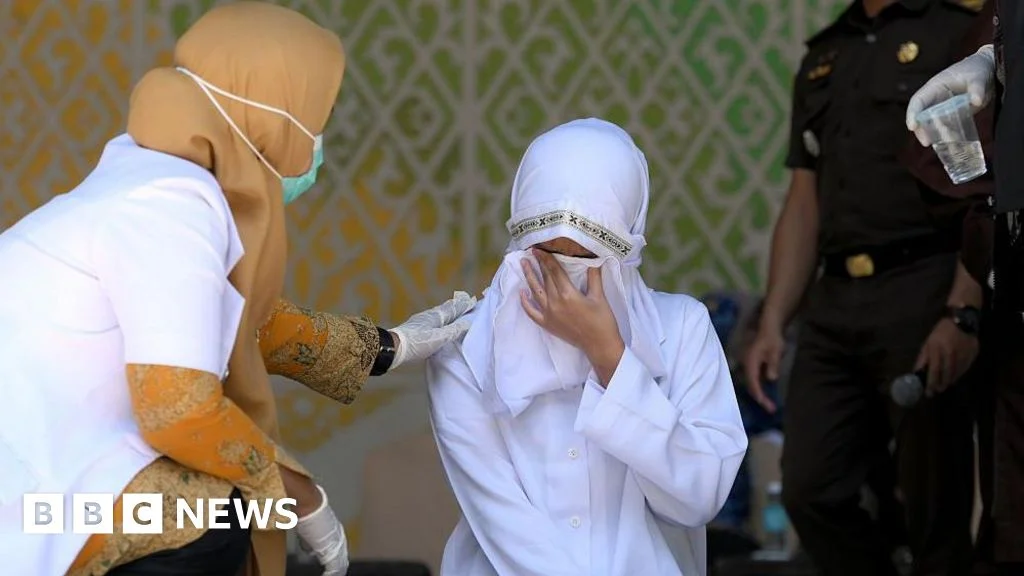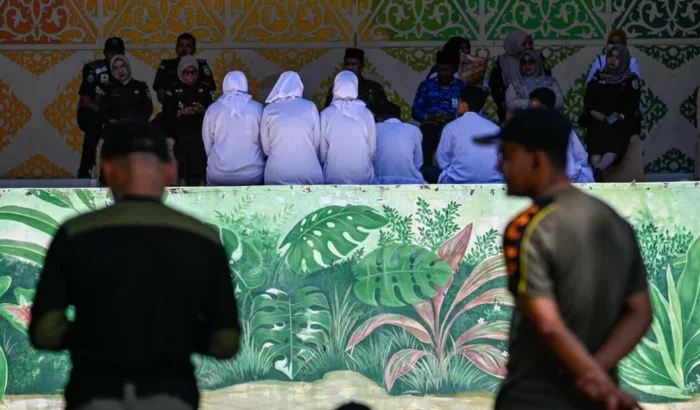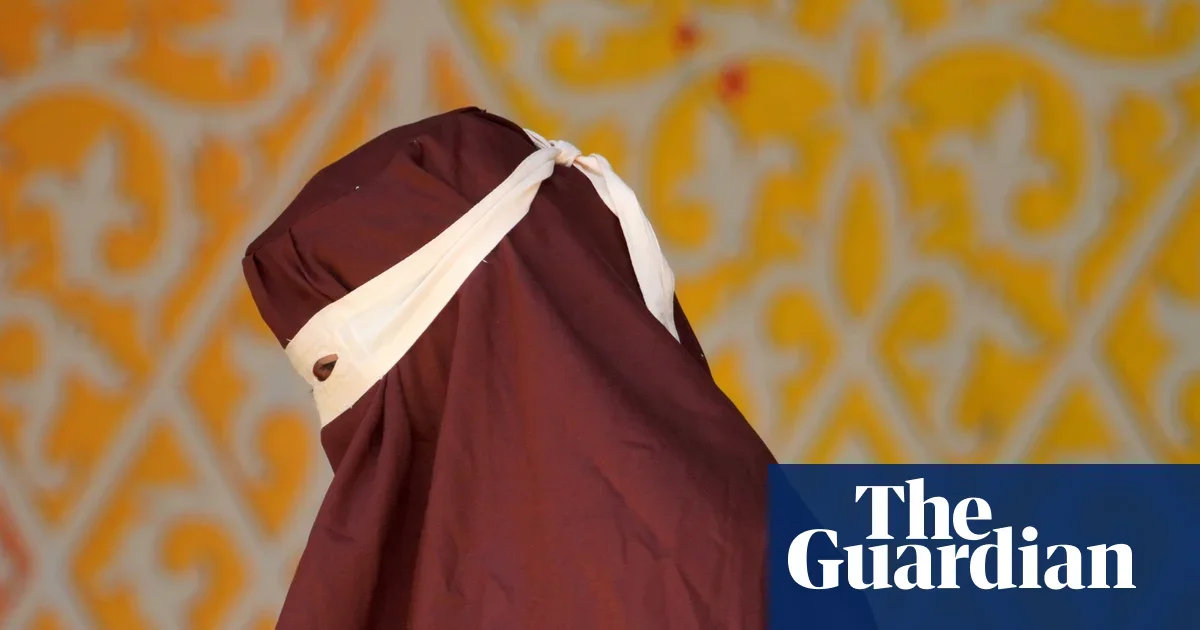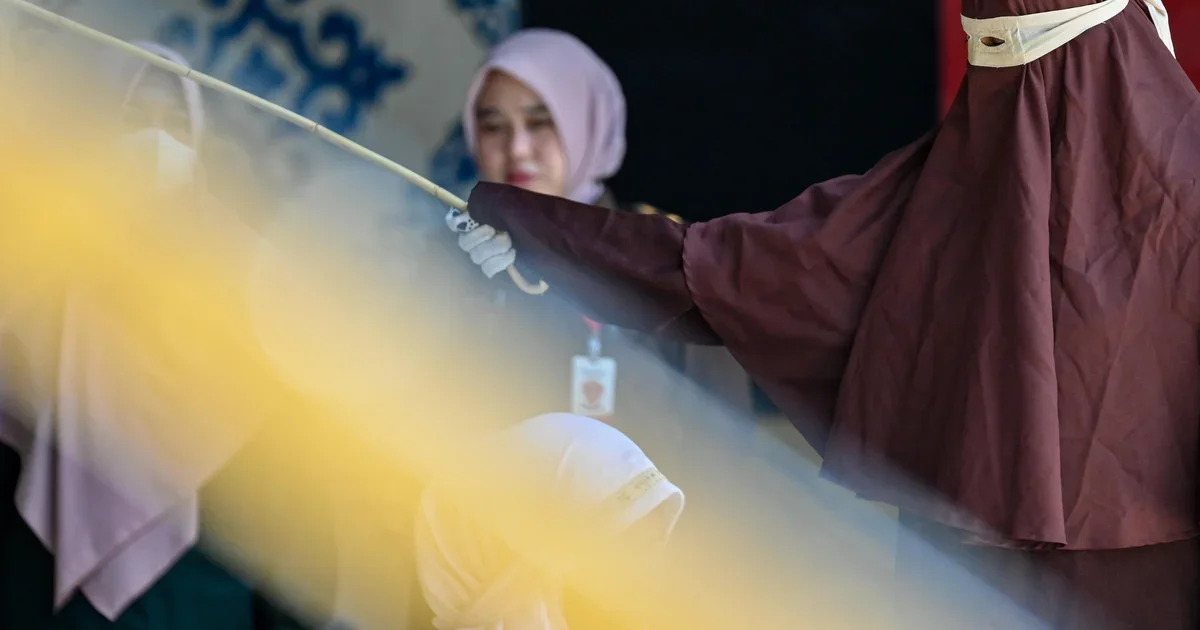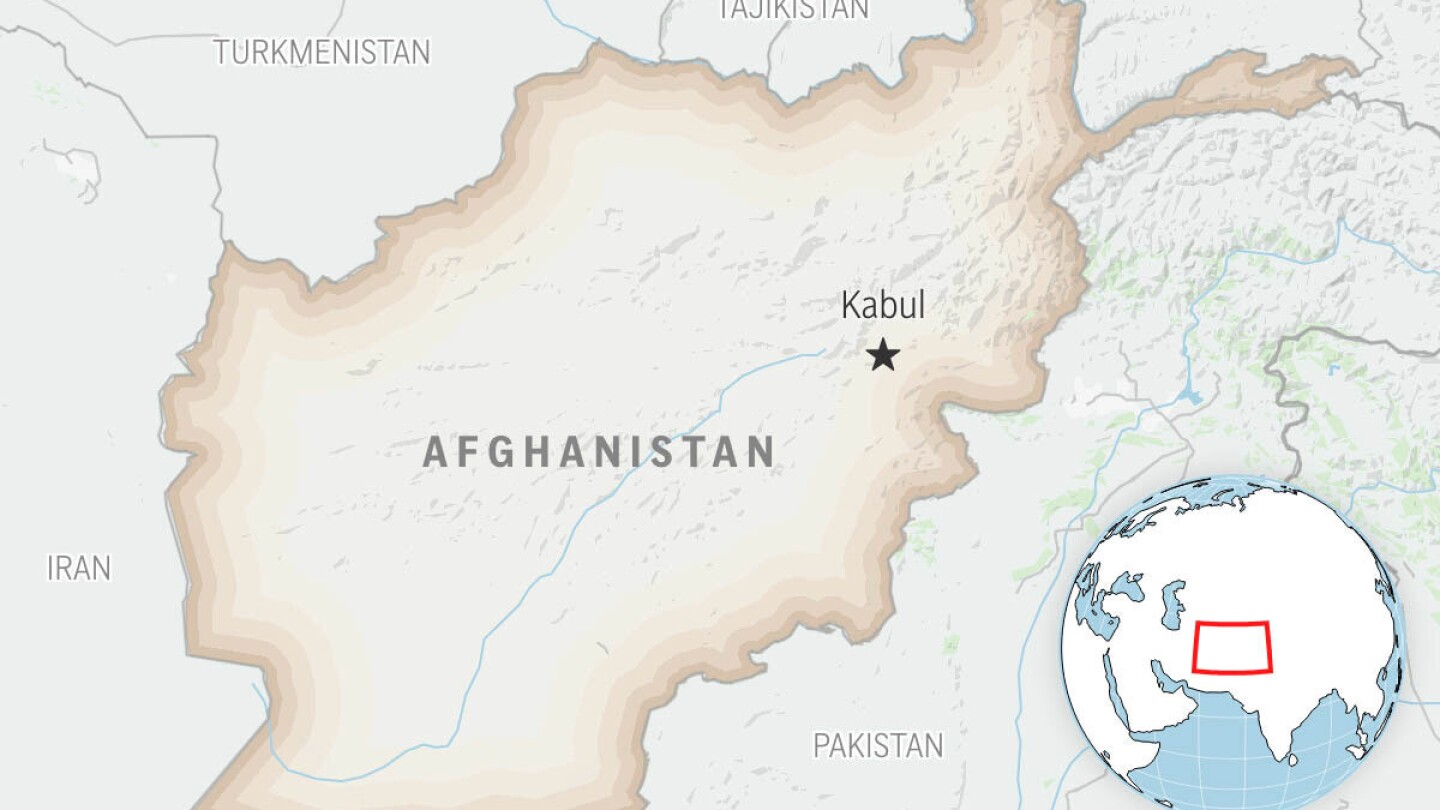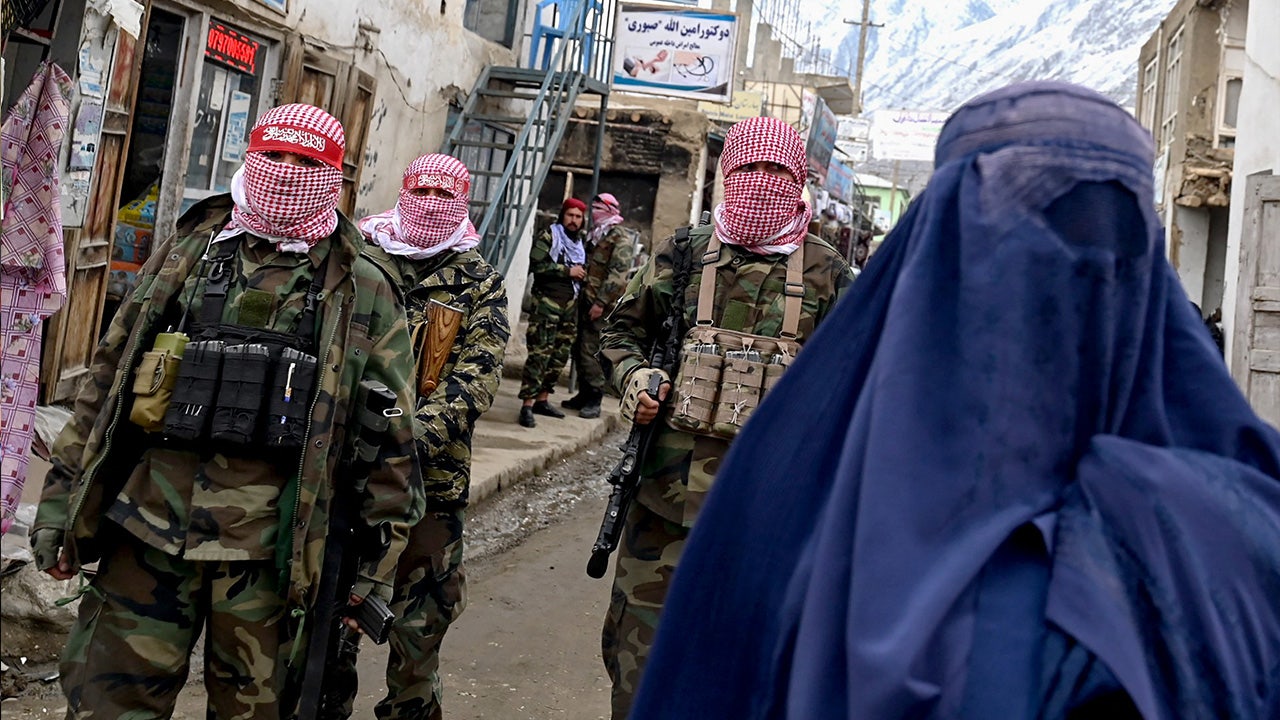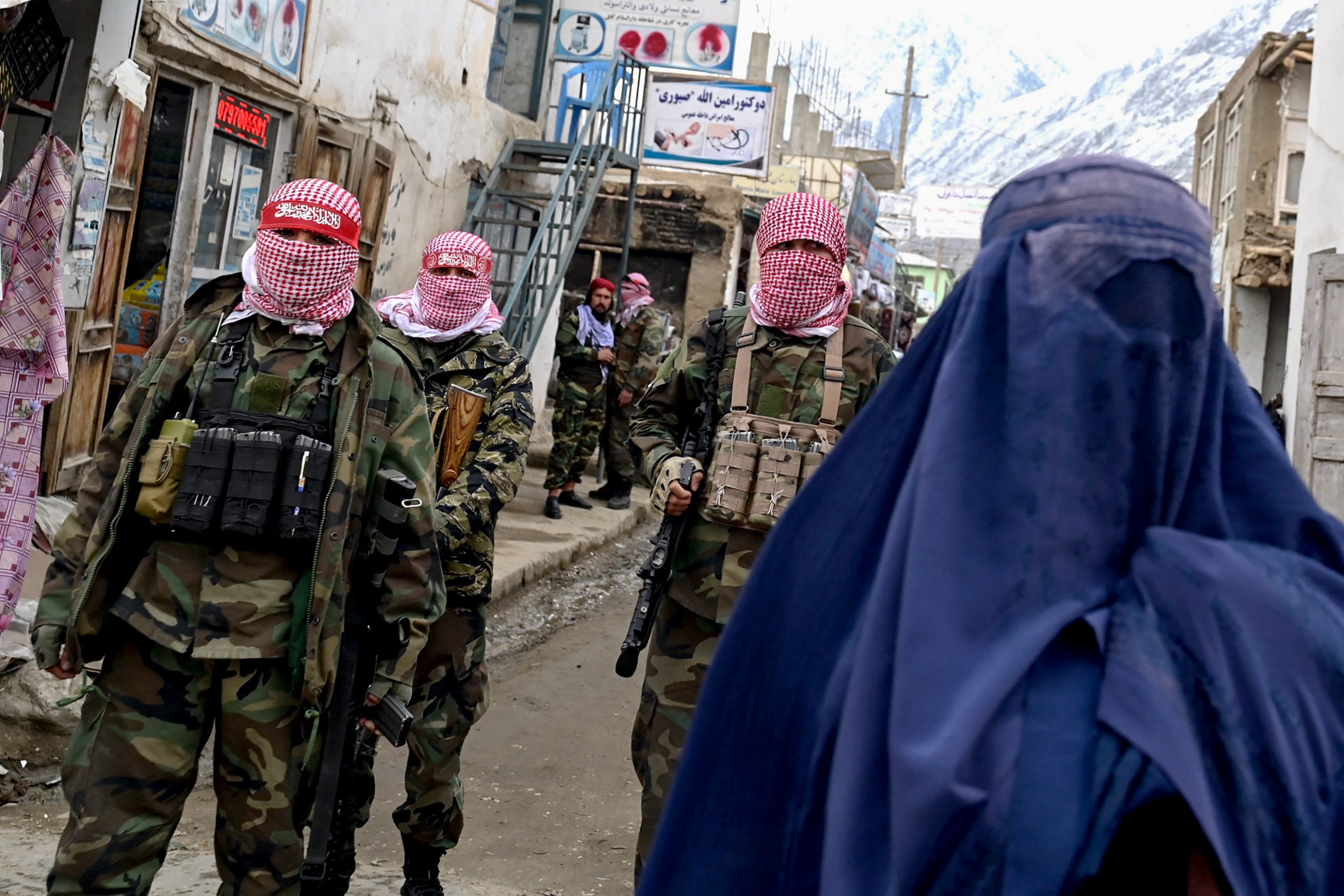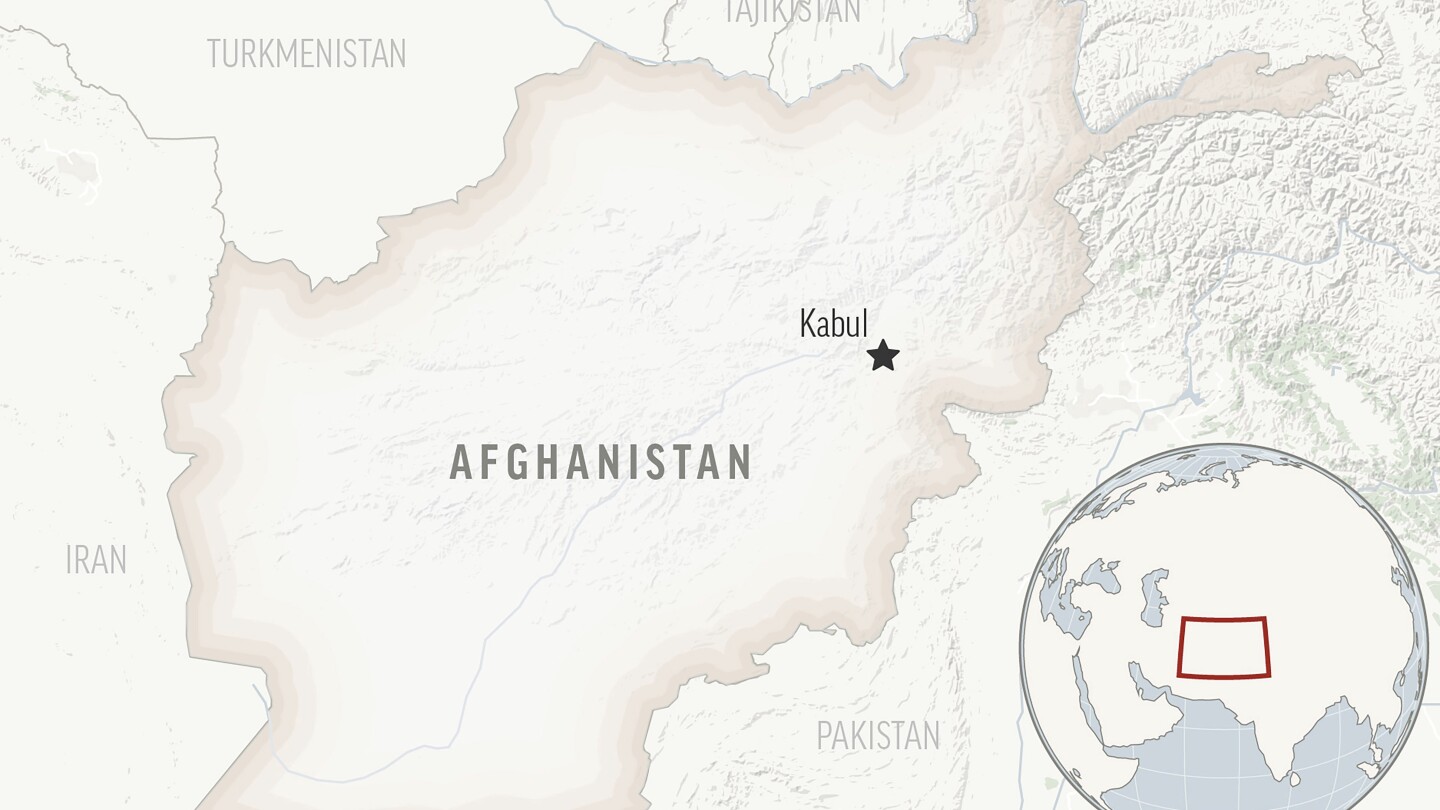
The Taliban in Afghanistan carried out a public execution in Khost, marking the 11th such event since their 2021 return to power, amid international condemnation and strict enforcement of Sharia law.
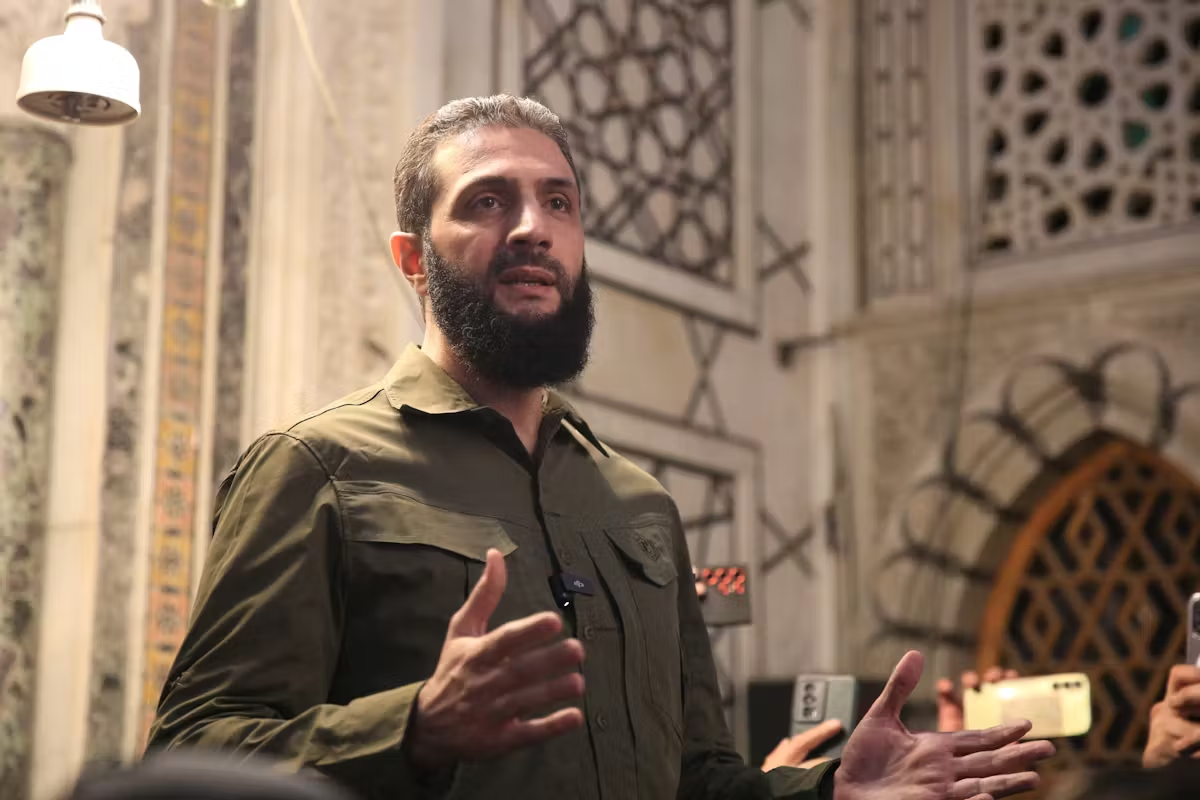
Mohammad al-Jolani, leader of the Syrian rebel group Hayat Tahrir al-Sham (HTS), has emerged as a key figure following the toppling of Bashar al-Assad's regime. Once affiliated with Al-Qaeda and ISIS, al-Jolani has a $10 million FBI bounty on his head due to his past terrorist activities. Despite accusations of human rights violations, he is attempting to rebrand himself as a moderate leader advocating for a tolerant Syria under Sharia law. Al-Jolani's governance in Idlib has been marked by efforts to provide civil services, though reports of abuses persist. His recent public appearances and interviews suggest a strategic shift to improve his image internationally.
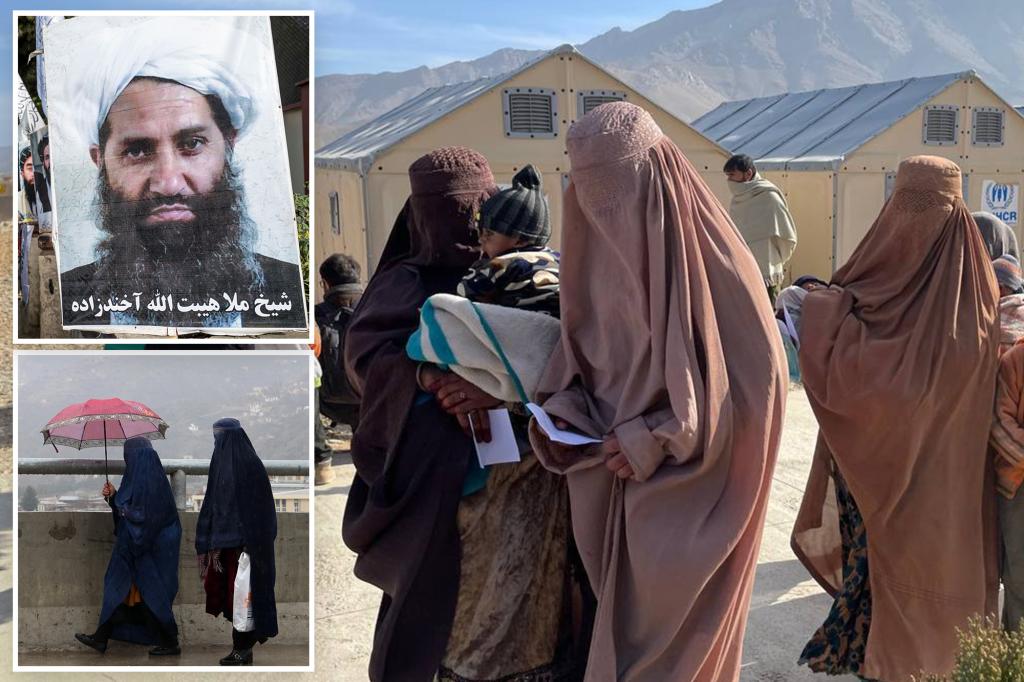
Taliban leader Mullah Hibatullah Akhundzada has announced plans to reinstate public stoning and flogging of women in Afghanistan, disregarding international outcry and human rights concerns. The reclusive leader's message, delivered via state television, signals a return to brutal treatment of women under Taliban rule, prompting criticism from human rights groups and fears of a regression to the oppressive era of the 1990s. The announcement underscores the ongoing erosion of women's rights since the Taliban seized control in 2021, with the international community facing scrutiny for its perceived silence on the matter.
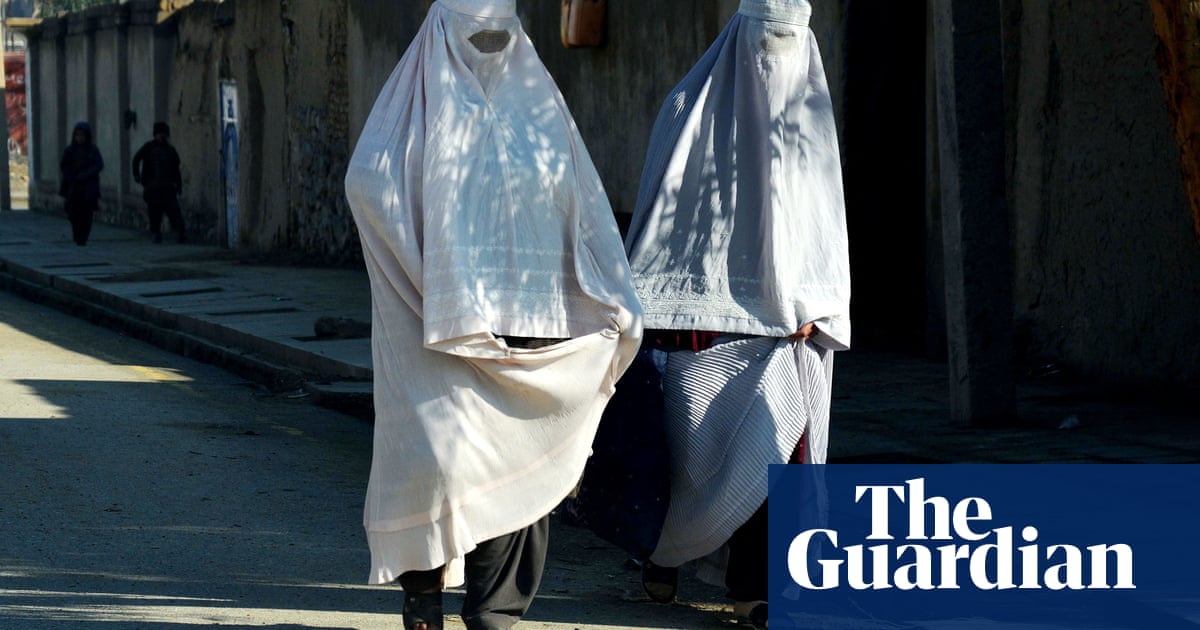
The Taliban's announcement of resuming public stoning of women for adultery has been met with horror by human rights groups, who criticize the international community's silence. The Taliban's leader justified the move as a struggle against western influences, and Afghan women's rights groups warn that the dismantling of women's rights and protections is almost complete. Since taking power, the Taliban has replaced existing laws with their interpretation of sharia law, banned female lawyers and judges, and executed public floggings and punishments, leaving Afghan women powerless to defend themselves.
The Taliban's supreme leader, Mullah Hibatullah Akhundzada, declared in a voice message that the group would publicly stone women to death for adultery and implement other harsh punishments, defying international calls to respect human rights, particularly women's rights. Akhundzada dismissed Western criticism, stating that women's rights contradict the Taliban's extreme interpretation of Islam and vowing to continue opposing democratic values, emphasizing their commitment to bringing sharia law to Afghanistan.
The Taliban has carried out three public executions in the past week, marking a significant increase in such acts as a means of intimidating the Afghan people. The executions, which included shooting and flogging, were reportedly for crimes such as murder and adultery. Experts believe the Taliban is using these public displays to assert their dominance and impose their version of Sharia law. The international community has condemned these actions as a violation of human rights, and the State Department emphasized that the Taliban's relationship with the international community is contingent upon their respect for the rights of all Afghans.
The Taliban carried out a public execution of a man convicted of murder in northern Afghanistan, marking the third such death sentence in five days and the fifth since seizing power in August 2021. The execution, which took place in heavy snowfall at a sports stadium in Shibirghan, was carried out by the victim's brother and witnessed by thousands. The Taliban has also executed two men for stabbing and flogged individuals for adultery and immoral acts, drawing strong criticism from the United Nations for their severe punishments and disregard for human rights.
The enactment of a law banning polygamy in the Indian state of Uttarakhand has sparked division among Muslim women, with some celebrating it as a victory for secular law over sharia rulings, while others view it as a Hindu nationalist agenda that interferes with Islamic practices. The law, part of the Uniform Civil Code, aims to modernize Muslim personal laws and ensure equality for women, but faces opposition from some Muslim leaders who argue that it violates the right to practice religion.
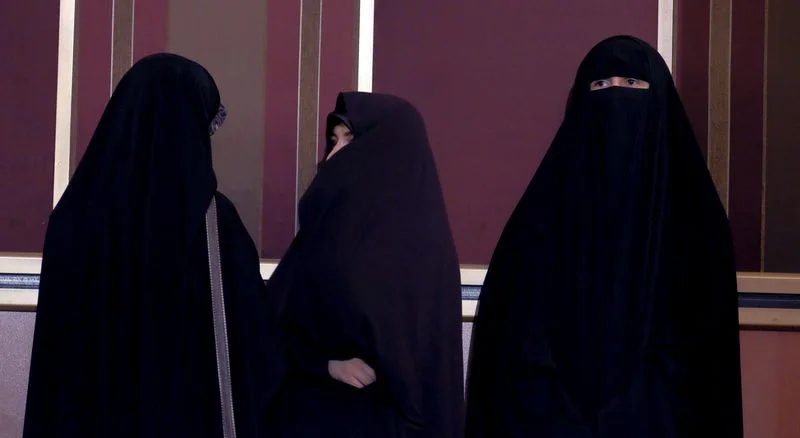
Iran's judiciary chief, Gholamhossein Mohseni Ejei, has threatened to prosecute women who appear in public without a hijab "without mercy". The warning follows a statement from the interior ministry reinforcing the mandatory hijab law. Under Iran's Islamic sharia law, women are obliged to cover their hair and wear long, loose-fitting clothes. The statement urged ordinary citizens to confront unveiled women, emboldening hardliners to attack women with impunity.
Iran's judiciary chief, Gholamhossein Mohseni Ejei, has threatened to prosecute women who appear in public unveiled "without mercy". This comes after an Interior Ministry statement reinforced the government's mandatory hijab law. Under Iran's Islamic Sharia law, women are obliged to cover their hair and wear long, loose-fitting clothes. Violators have faced public rebuke, fines or arrest. A growing number of Iranian women have been ditching their veils since the death of a 22-year-old Kurdish woman in the custody of the morality police last September.