Kim Kardashian has expressed regret over a 2009 photoshoot with Justin Bieber when he was 16, which she now considers inappropriate, especially in light of ongoing discussions about the sexualization of Bieber during his teen years.
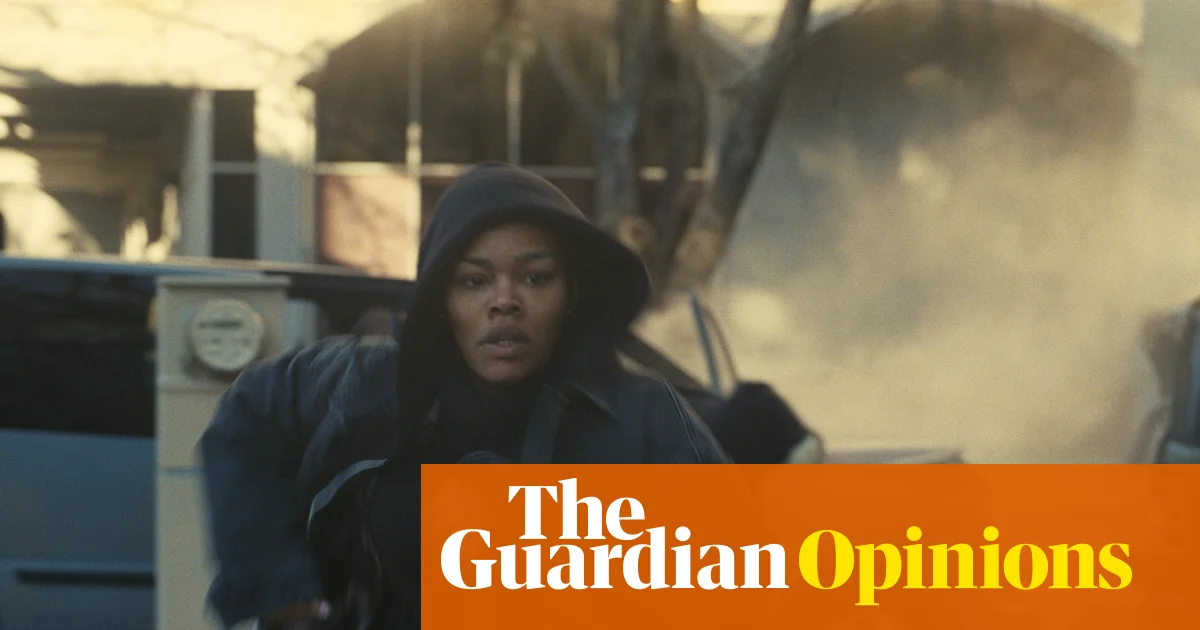
The article critiques Paul Thomas Anderson’s film for its problematic portrayal of Black women, highlighting issues of racial stereotypes, sexualization, and interracial depictions that reflect ongoing cultural stereotypes and fail to challenge them effectively.
A disturbing trend of dildo-throwing at WNBA games has been linked to crypto enthusiasts aiming to create memes, reflecting a broader issue of disrespect and sexualization of women in society. The incidents have prompted criticism from WNBA officials and highlight ongoing issues of misogyny and objectification.
A study published in Humanities and Social Sciences Communications reveals a concerning trend of self-sexualization among female streamers on Twitch.tv, with women engaging in self-sexualization to a much greater extent and intensity than men. The research highlights the prevalence of sexualized content in categories like ASMR and "Pools, Hot Tubs & Beaches," raising concerns about the pressures and incentives driving self-sexualization on digital platforms and its potential implications for audience attitudes towards gender and sexuality. The study's authors emphasize the need for further research and conversations on this important topic to create more inclusive and healthy online communities.
H&M pulls an ad for school clothing in Australia after facing backlash for allegedly sexualizing underage girls, prompting an apology from the Swedish fashion giant. The ad featured two young girls in school uniform with the caption "Make those heads turn in H&M’s Back to School fashion," leading to criticism on social media. This incident adds to a series of controversies involving fashion brands' advertising campaigns, including Zara and Balenciaga, sparking discussions about the portrayal of children in marketing.
H&M has pulled an advert for school uniforms in Australia following accusations of sexualizing young children. The campaign, featuring two primary school-aged girls under the slogan "Make those heads turn in H&M's Back to School fashion," received criticism on social media and has been withdrawn. H&M has apologized for the offense caused and stated that they will review their campaign presentations in the future. This incident has reignited concerns about the premature sexualization of young girls in advertising, with calls for retailers to commit to not selling products that exploit children's sexuality.
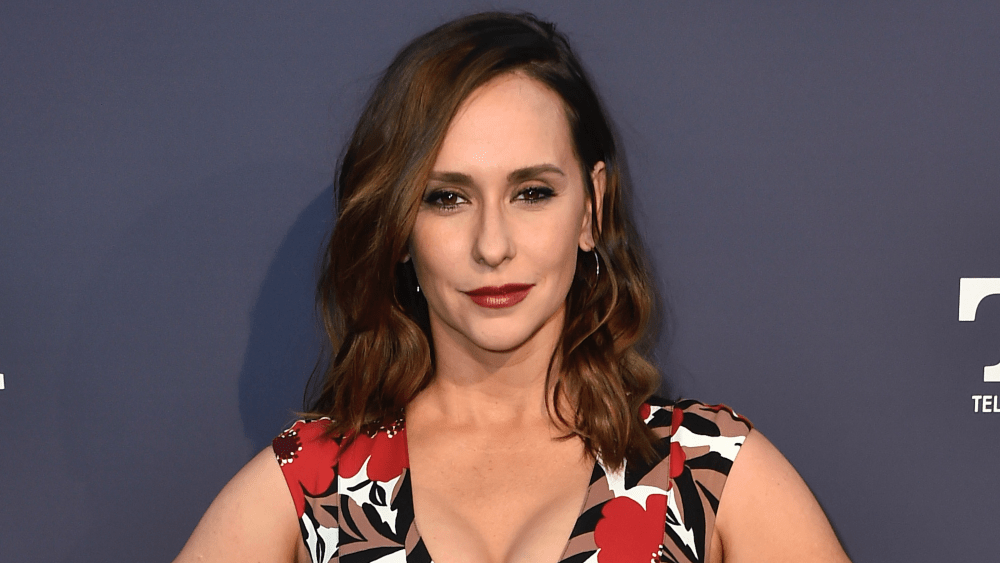
Actress Jennifer Love Hewitt revealed on a podcast that she was sexualized from a young age, including being featured on the cover of Maxim at 17. She recalled feeling confused and lacking self-confidence when directors asked her to be "sexier" on set. Despite fans expressing a desire for her to return to her younger appearance, Hewitt embraces her current self at 44 and acknowledges that she has moments of feeling sexy.
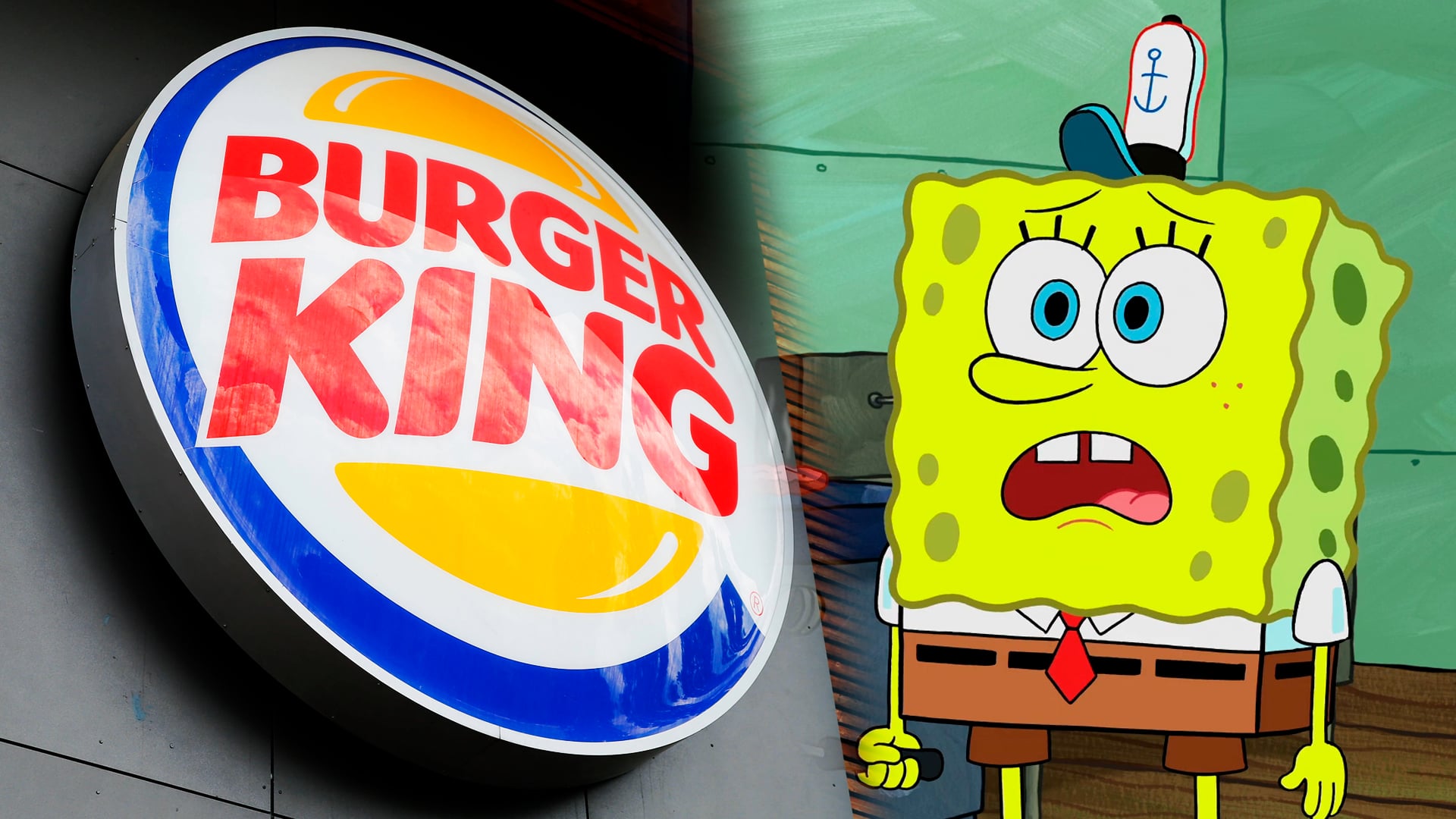
Burger King faced backlash in 2009 for a controversial ad featuring SpongeBob SquarePants, where dancers with square-shaped rear ends gyrated to a parody of Sir-Mix-A-Lot's song "Baby Got Back." Critics argued that the ad sexualized a character primarily marketed to children, sparking a heated debate. Burger King defended the ad, stating it was meant for adults to enjoy and goof around with pop culture figures. The commercial had a short lifespan on TV but continued to circulate on social media, reigniting controversy. This incident was not the first time SpongeBob faced criticism, and Burger King has a history of edgy commercials.
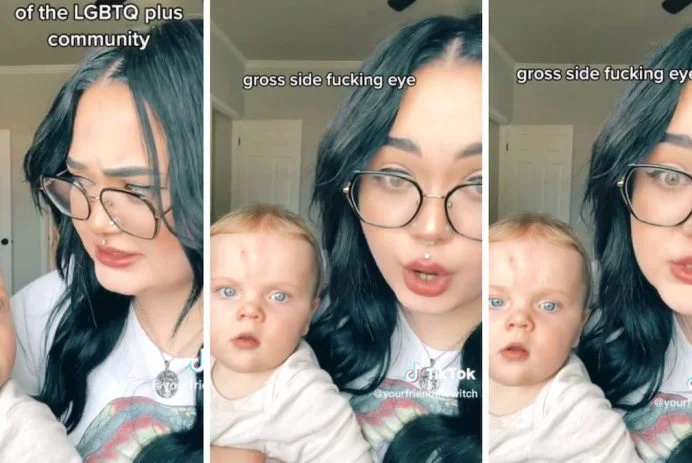
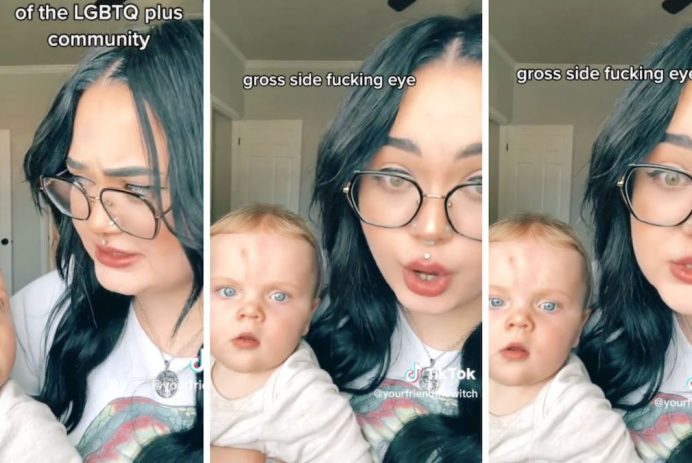
A young mother shopping in Walmart was left uncomfortable after a stranger made a sexualized remark about her baby. The mother, known as @yourfriendthewitch on TikTok, shared the encounter on the platform, where it gained over 2 million views. Many TikTokers applauded the mother's response, which involved jokingly suggesting her daughter was part of the LGBTQ+ community. The incident highlights the issue of sexualization of babies, which has been noted by other TikTokers who have shared their own experiences.
A young mother shopping in Walmart was left uncomfortable after a stranger made a sexualized remark about her baby. The mother, known as @yourfriendthewitch on TikTok, shared the encounter on the platform, where it gained over 2 million views. Many TikTokers applauded the mother's response, which involved jokingly suggesting her daughter was part of the LGBTQ+ community. The incident highlights the issue of sexualization of babies, which has been noted by other TikTokers who have shared their own experiences.
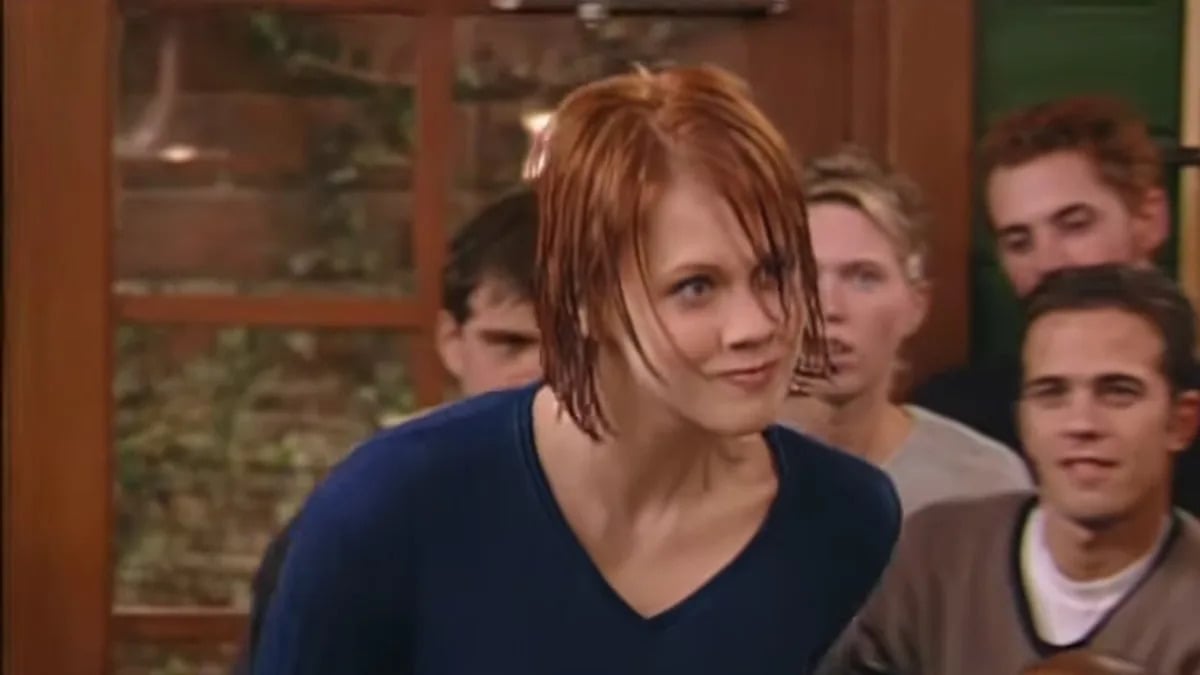
Maitland Ward, who played Rachel McGuire on Boy Meets World, has called out Disney for requiring young female stars "to be sexual" during the late '90s and early 2000s. The actress, who has previously discussed being "sexualized" on the show, claims that the issues mainly came from the "Disney machine" and not the cast members. Ward also recalled being asked to try on lingerie for the show's producers multiple times and attributes these encounters to Rachel being the character who most frequently removed her clothes on the show. Despite the issues, Ward still remembers her time on the show as an "innocent time" with a cast that was "very much family."
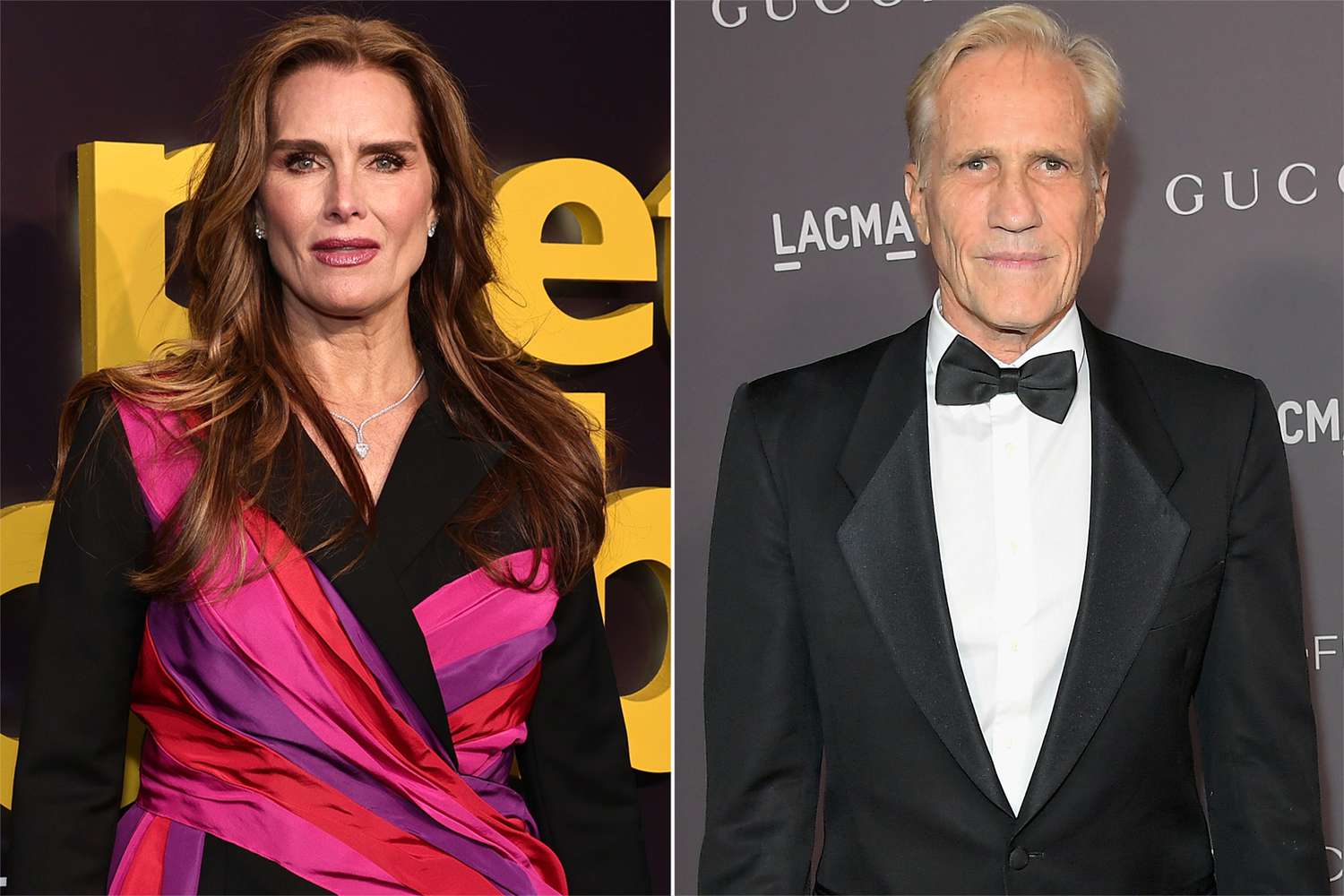
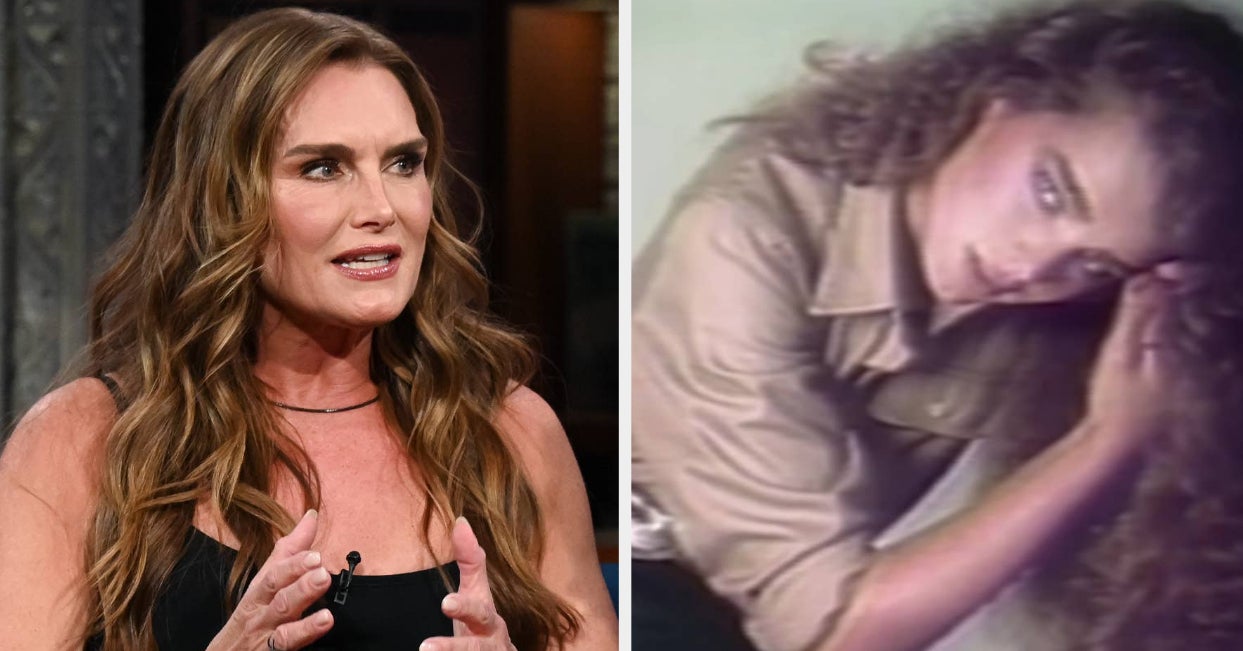
Brooke Shields ignored a call from "The Blue Lagoon" director Randal Kleiser after the release of her revealing documentary, "Pretty Baby: Brooke Shields." In the documentary, Shields details her traumatic experiences as a sexualized young girl in Hollywood, including her roles in "Pretty Baby" and "The Blue Lagoon." Shields says that the filmmakers "wanted to sell my actual sexual awakening" and that she was "just there, a pawn, a piece, a commodity." Shields also discusses a sexual assault she experienced after graduating college and the difficulty of interpreting her experiences due to victim shaming. Shields' daughters have also reacted to the documentary, with one feeling outraged and the other believing that women need to see it.
Brooke Shields revealed on Drew Barrymore's talk show that Randal Kleiser, the director of her controversial film The Blue Lagoon, had called her after the release of her documentary Pretty Baby, which explores her experiences of being sexualized and objectified in Hollywood from a young age. Shields, who was 14 when she starred in the film, said she let the call go to voicemail because she didn't want to bring up the past. She also discussed how her experience working on films as a child was more about being "a pawn" than her actual onscreen performance.
Brooke Shields reflects on her controversial Calvin Klein ads at the age of 15, admitting that she was "naïve" for not realizing how sexual they were. The ads received backlash and were even banned on several channels. Shields has grown increasingly vocal in condemning Calvin Klein and the media industry for overly sexualizing her. In her new documentary, Pretty Baby, she also reflects on being sexualized in movie roles prior to the infamous Calvin Klein campaign.
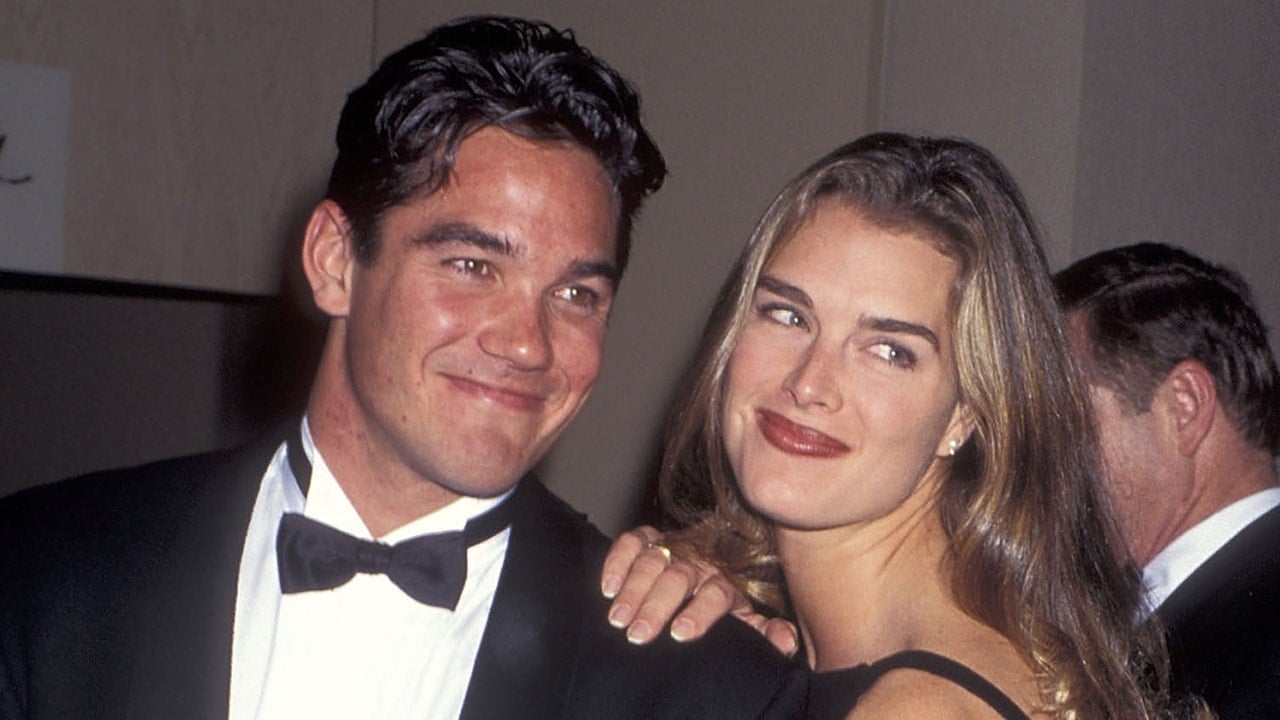
Brooke Shields apologized to Dean Cain for not fully enjoying their college romance due to feeling shame from being sexualized in films at a young age. Shields opens up about this and being sexually assaulted in her upcoming documentary, "Brooke Shields: Pretty Baby." She hopes her daughters can celebrate their bodies and sexuality without shame.