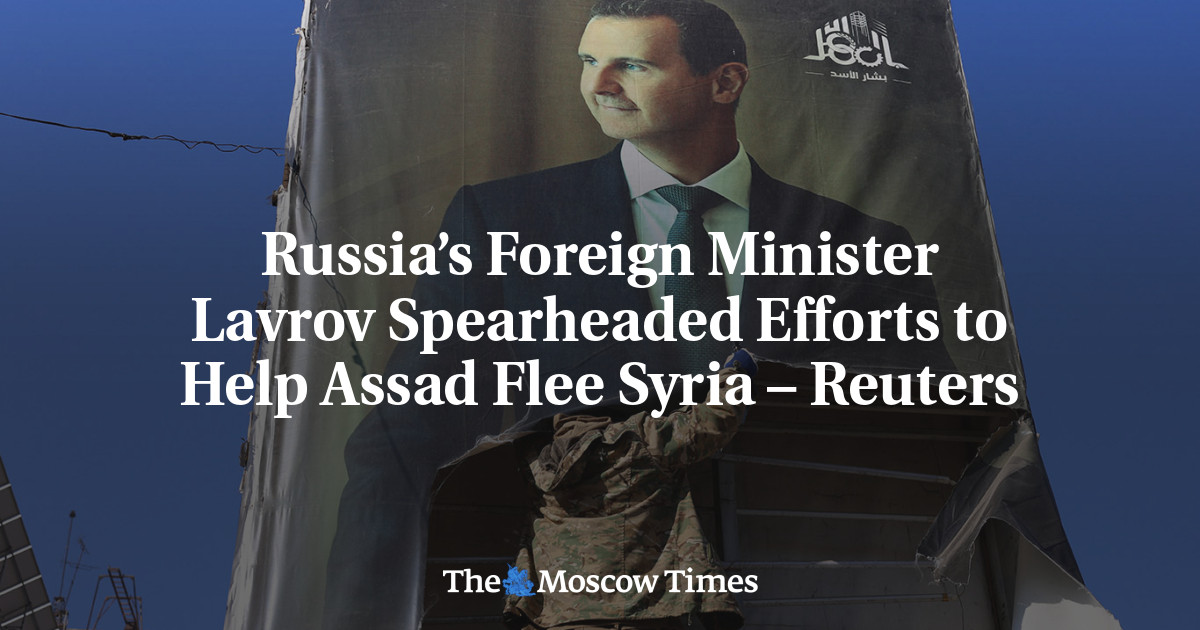
Russian Foreign Minister Sergei Lavrov led efforts to facilitate the safe escape of former Syrian President Bashar al-Assad from Syria as Damascus fell to Islamist rebels, according to Reuters. Lavrov coordinated with Turkey and Qatar to leverage their connections with rebel groups and ensured Assad's safe passage to Russia. Despite Russia's previous military support for Assad, Moscow refused further intervention, focusing instead on its ongoing conflict in Ukraine. Assad's appeals for more military aid were ignored, and Russian intelligence reportedly organized his escape, convincing him he could not win against the rebels.
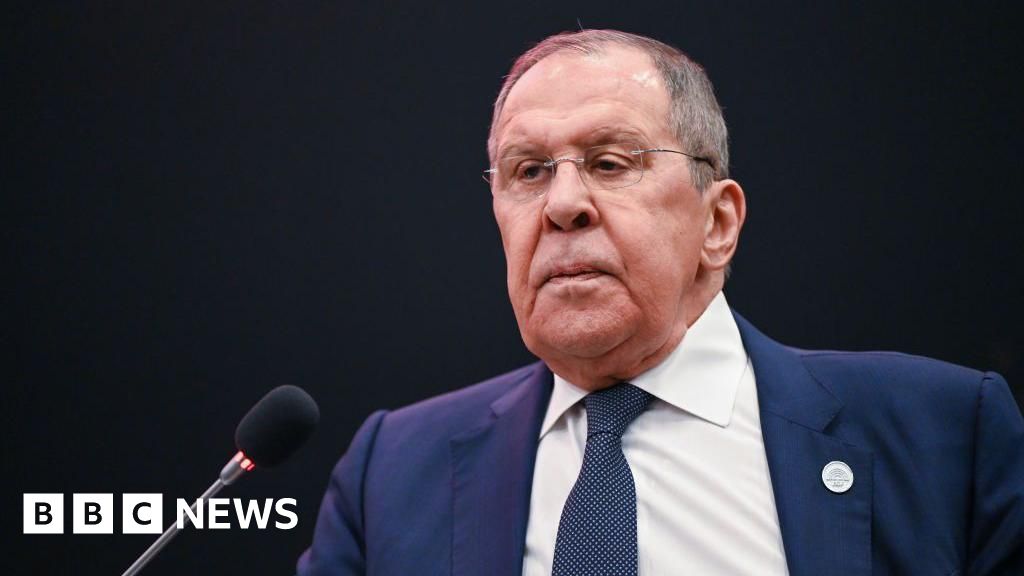
Russian Foreign Minister Sergei Lavrov attended a European security summit in Malta, marking his first visit to an EU state since Russia's invasion of Ukraine. His presence was controversial, with Ukraine's representative walking out and Poland's foreign minister refusing to meet him. Lavrov accused the West of inciting a new Cold War, while U.S. Secretary of State Antony Blinken criticized Russia's actions in Ukraine. The summit highlighted tensions within the OSCE, with Russia's involvement being questioned by several member states.
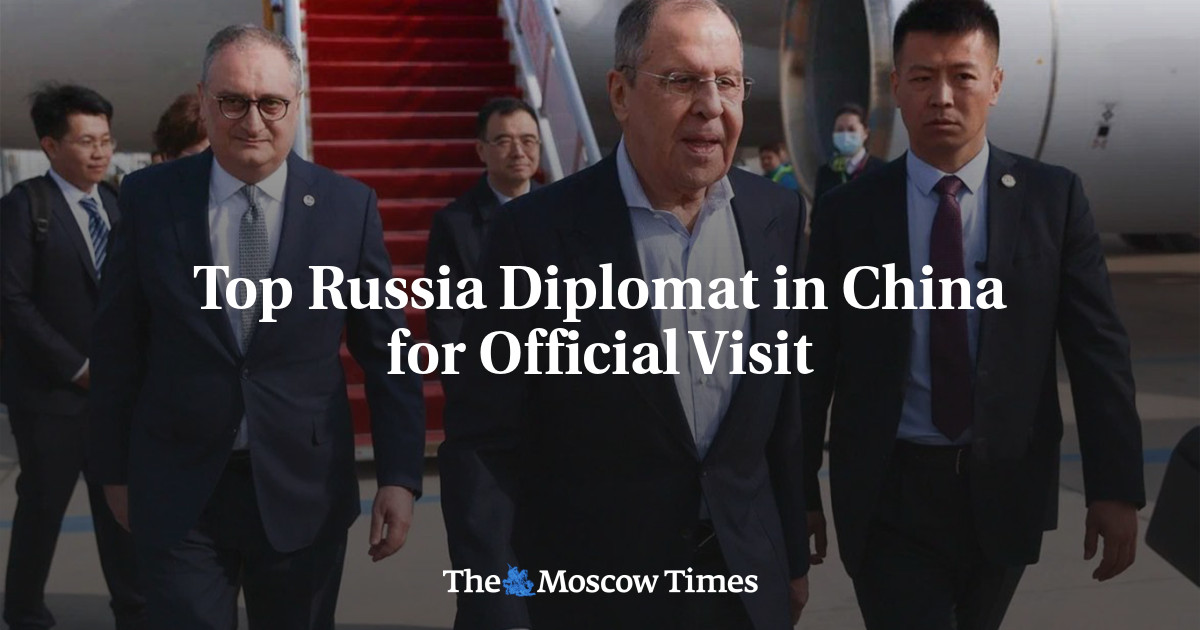
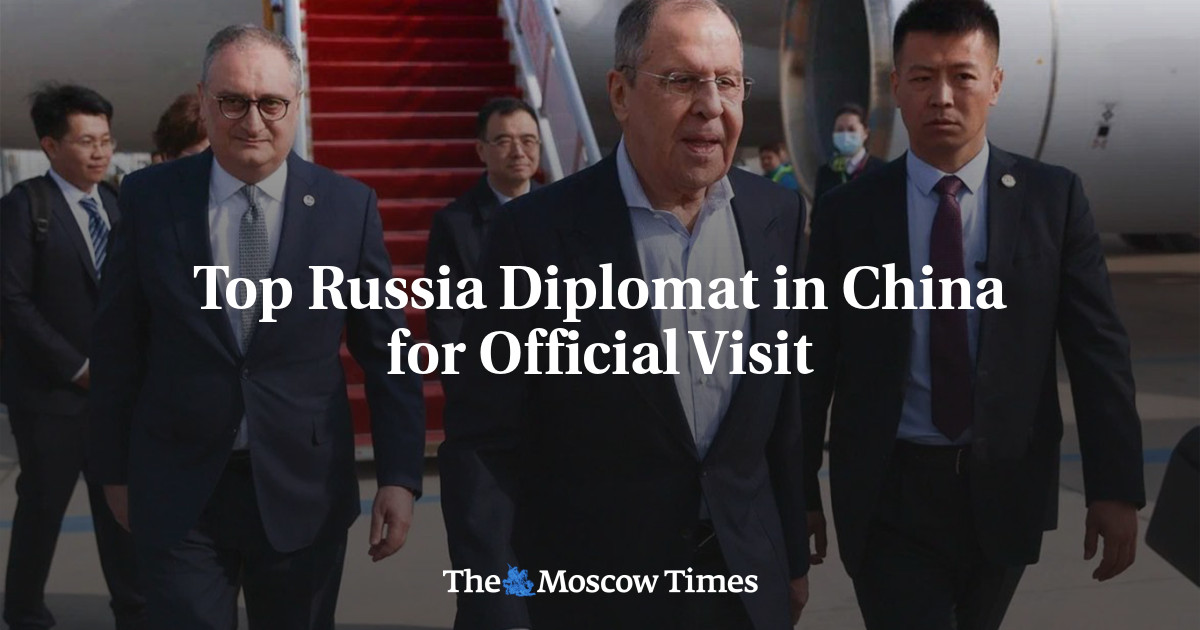
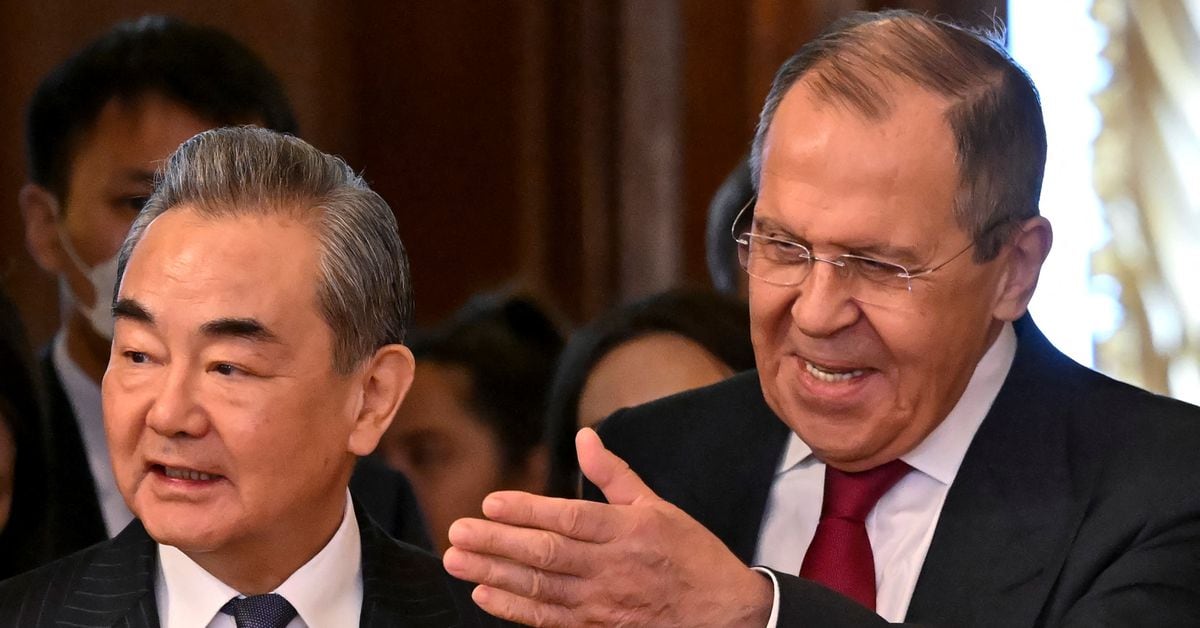
Russian Foreign Minister Sergei Lavrov is in China for a two-day official visit to strengthen diplomatic ties amid Russia's ongoing invasion of Ukraine. The visit aims to deepen cooperation on bilateral and international issues, including the Ukrainian crisis and the Asia-Pacific region. China and Russia have strengthened their diplomatic relations in recent years, with China being Russia's leading trade partner. Despite Western pressure, China maintains its neutrality in the Ukraine crisis and asserts that it will continue to promote peace talks while controlling exports of dual-use items.
Russian Foreign Minister Sergei Lavrov is set to visit China for discussions with his Chinese counterpart Wang Yi on "burning subjects" including the Ukrainian crisis and the situation in the Asia-Pacific region, as the two nations strengthen their ties following Russia's assault on Ukraine. The visit follows a pattern of rapprochement between the two countries, with Chinese leader Xi Jinping declaring "unlimited friendship" with Russia and emphasizing mutual political trust. While China sees itself as a neutral party in the Ukraine conflict, it has become Russia's leading trade partner and is urged by Western nations to play a greater role in restoring peace in Ukraine.
Russian Foreign Minister Sergei Lavrov praised China's 12-point peace plan for Ukraine as the most reasonable proposal so far, citing its analysis of the conflict's root causes. This comes amid Russia's willingness to engage in talks about Ukraine, while criticizing Ukrainian President Zelenskiy's peace formula. Lavrov's comments also coincide with President Putin's consideration of visiting China for his first overseas trip of his new term, signaling Russia's openness to discussing peace initiatives.
Russian Foreign Minister Sergei Lavrov dismissed Ukraine's proposed peace plan as pointless, stating that it was based on unacceptable notions such as Russia's withdrawal from captured areas. Lavrov insisted that a peace summit would not succeed until its fundamental bases were changed to allow Russian participation. He also criticized U.S. proposals to discuss arms deals, stating that they reflected poorly on those dealing with foreign policy in the United States.
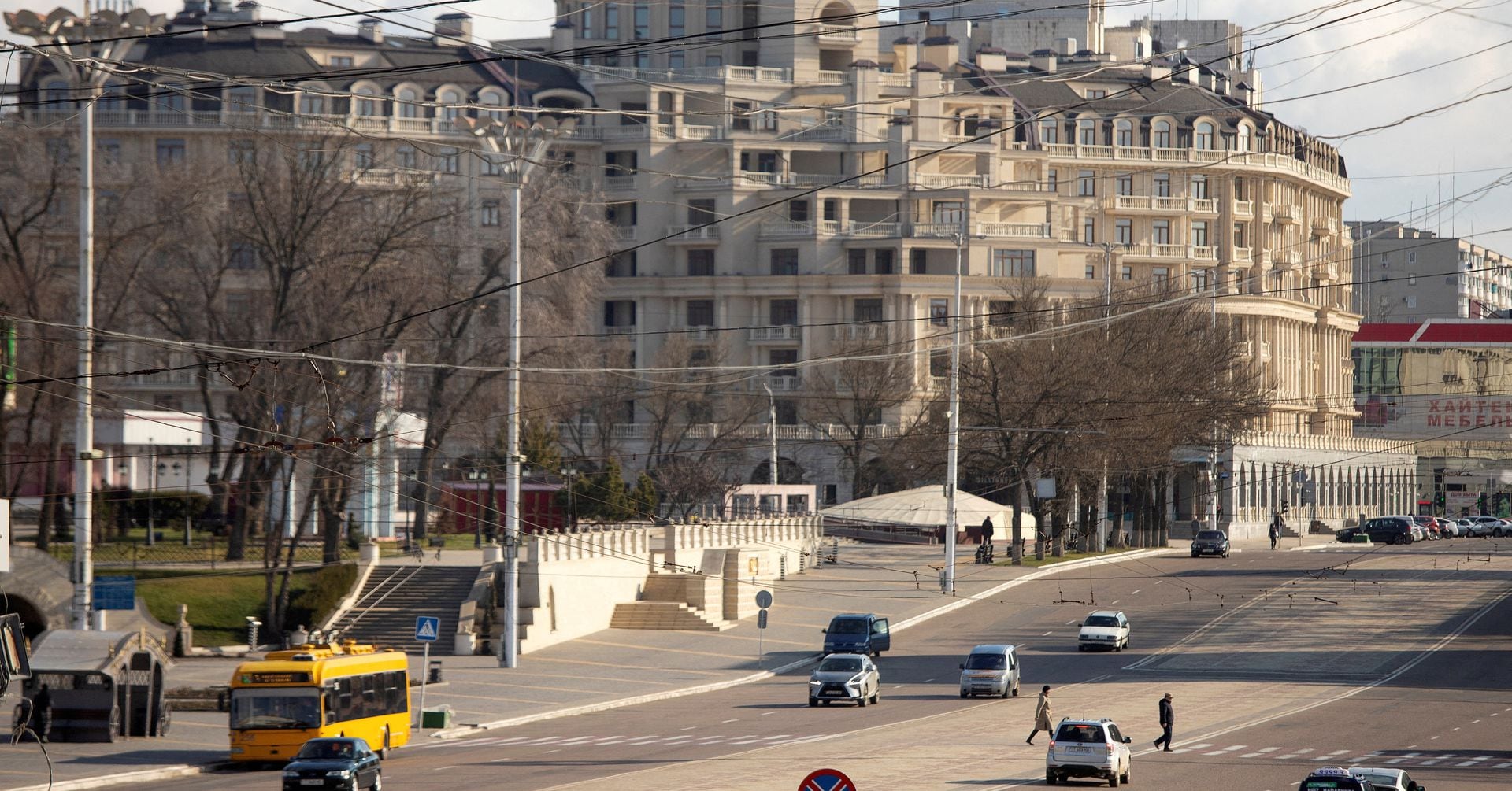
Moldova's Foreign Ministry rebuked Russia's criticism of its democracy, stating that Russia has no moral authority to lecture on democracy and freedom due to its treatment of opposition politicians and its actions in Ukraine. Tensions between the two countries have escalated after Moldova's breakaway Transdniestria region sought Moscow's help, leading to accusations of destabilization from the Chisinau government. The statement comes amidst concerns over Russia's invasion of Ukraine and fears of further aggression towards Transdniestria.
Russia's foreign minister, Sergei Lavrov, has issued a warning to the West, claiming that its "500-year domination of the world" is coming to an end. Lavrov likened the war in Ukraine to past battles with Hitler and Napoleon, stating that Russia has grown stronger as a result. He described the West's actions as a "hybrid war" based on "cancel culture." Lavrov also criticized the US for its support of Ukraine and suggested that a ceasefire is up to the Ukrainians to decide. Meanwhile, former Russian president Dmitry Medvedev warned of the potential for a nuclear World War Three and criticized the Biden administration's actions towards Ukraine.
Russian Foreign Minister Sergei Lavrov criticized Israel for using Hamas' terror attack as justification for punishing the Palestinian people collectively. He called for international monitoring in Gaza. Israeli tanks made a major push into the center of Khan Younis in the southern Gaza Strip. President Putin has blamed the war on the failure of US diplomacy in the Middle East, positioning Russia as an important player in the region.
Russian Foreign Minister Sergei Lavrov criticized NATO, the EU, Ukraine, and the West during a speech at the Organisation for Security and Cooperation in Europe (OSCE) meeting in North Macedonia. Lavrov referred to the OSCE as an "appendage" of NATO and the EU and blamed NATO's expansion for the return of war to Europe. He also accused the OSCE of being on the brink of irrelevance. Lavrov's presence at the meeting led to boycotts by the Baltic countries and Ukraine. Western ministers criticized Lavrov's remarks, with Danish Foreign Minister Lars Lokke Rasmussen stating that Russia's attempts to blame others were transparent.
Russian Foreign Minister Sergei Lavrov is set to visit North Macedonia, a NATO member country, for an OSCE meeting, marking his first visit to a NATO country since Russia's military intervention in Ukraine. Lavrov's plane will need to fly through Bulgarian or Greek airspace, both NATO members, to reach Skopje. Lavrov's visit comes amidst heightened tensions between Russia and the West, with Lavrov stating that the security situation in Europe is more dangerous now than during the Cold War. He also expressed Moscow's focus on safeguarding its economy, life, and security rather than rebuilding ties with Europe.
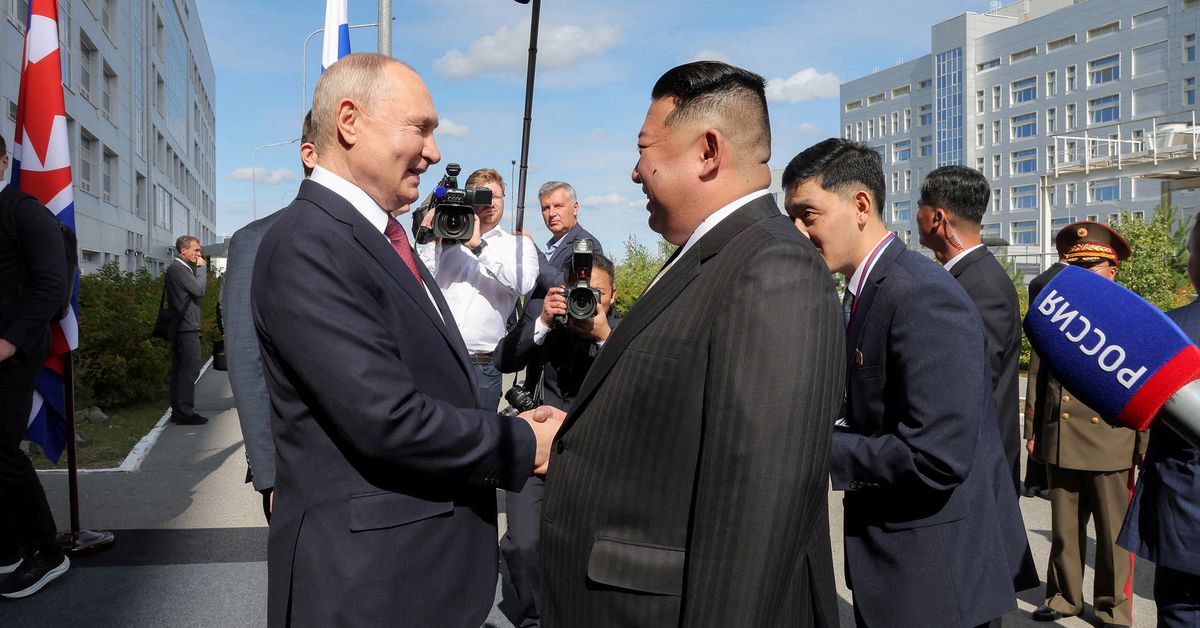
North Korean leader Kim Jong Un met with Russian Foreign Minister Sergei Lavrov and expressed his commitment to fulfilling the agreements made during his summit with Russian President Vladimir Putin. The two leaders discussed ways to enhance cooperation and build stronger relations, including in areas such as military cooperation, the economy, culture, and advanced science and technology. North Korea and Russia aim to strengthen ties amid perceived hostility from the US-led Western camp. North Korea also criticized the US deployment of strategic assets and joint military exercises, warning that they would be the first targets of destruction if any signs of attack were detected.
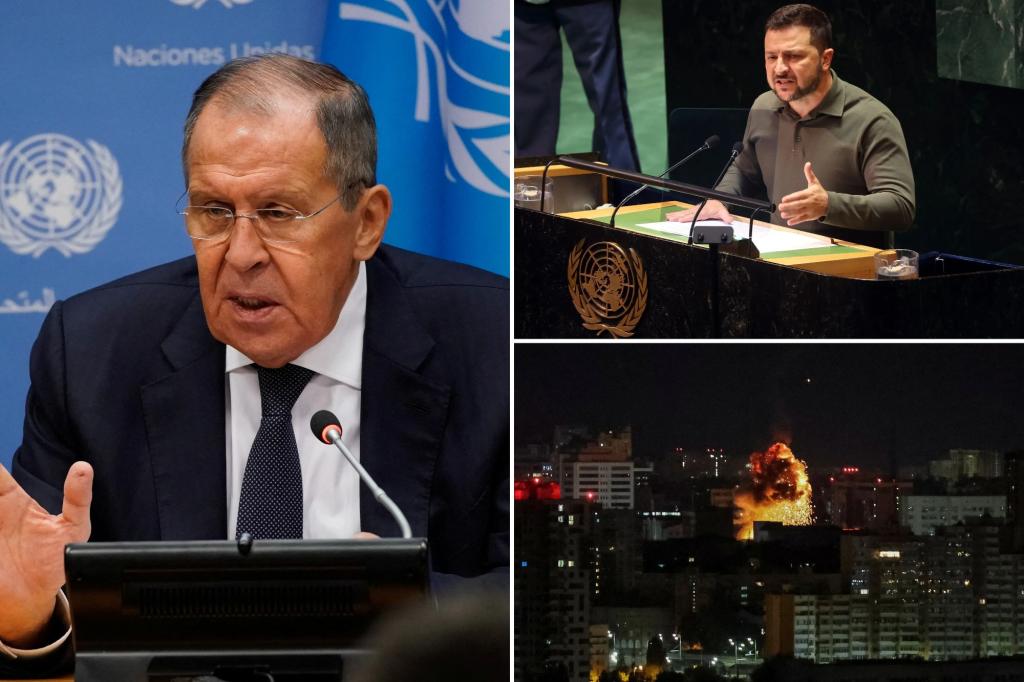
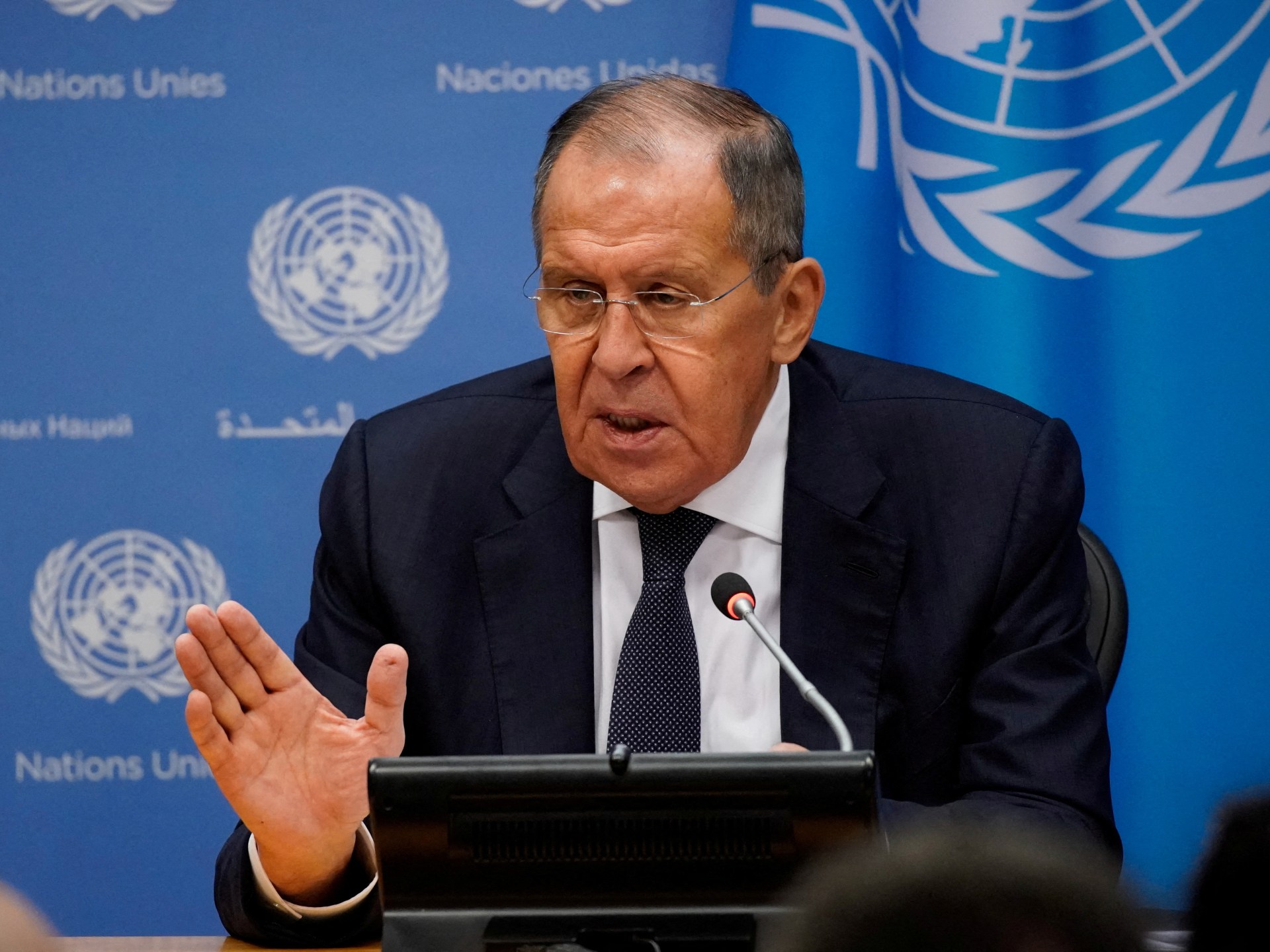
Russian Foreign Minister Sergei Lavrov ridiculed Ukraine's 10-point peace plan at the United Nations, calling it "completely not feasible" and insisting that the war would have to be settled "on the battlefield" if more realistic terms couldn't be offered. Lavrov accused the United States and its Western allies of actively waging war against Russia with Ukrainian forces, stating that they were "directly at war" with Russia. He blamed the US and its allies for starting and prolonging the war in Ukraine, while offering little to address the current fighting. As Russia faces increasing isolation on the world stage, it continues to clamp down on public dissent in the country.
Russia's Foreign Minister Sergei Lavrov criticized the West as an "empire of lies" and accused it of adopting a neo-colonial mindset in its efforts to gain support for Ukraine in the war. Lavrov dismissed Ukraine's peace proposal and the latest UN proposals, blaming the West for not delivering on promises and imposing sanctions. Meanwhile, Ukraine continues its counteroffensive against the Russian invasion, launching missile attacks on Crimea. Relations between Ukraine and Poland are strained over grain imports, with Poland extending a ban on Ukrainian grain.