Tag

Sensory Deprivation

All articles tagged with #sensory deprivation

"Enhancing Mental Health Through Flotation Therapy"
health-and-wellness1 year ago

"Enhancing Mental Health Through Flotation Therapy"

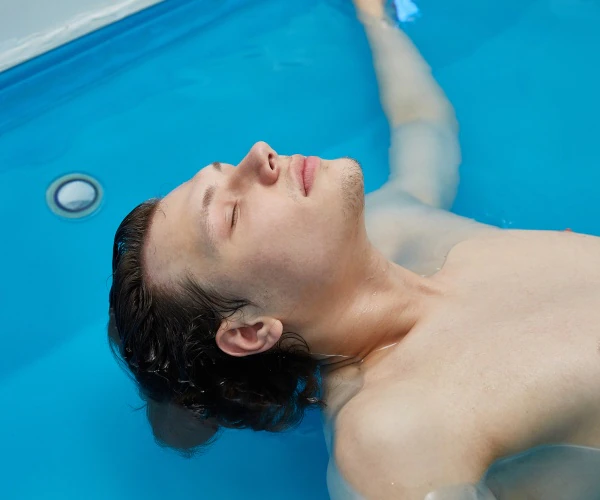
Flotation therapy, involving floating in a tank of warm, salt-saturated water, has been found to reduce symptoms of mental health conditions such as anxiety and depression, lower blood pressure, decrease muscle soreness, and potentially reduce cravings in those with addiction. Research suggests it can also improve focus, concentration, athletic performance, and cardiovascular health, while promoting relaxation and improving sleep. Additionally, some individuals have reported overwhelming happiness, euphoria, and spiritual experiences after floating.

"Unraveling Human Emotions: The Intricacies of the Brain"
neuroscience2 years ago

"Unraveling Human Emotions: The Intricacies of the Brain"

A study on the brain's representation of emotions reveals that emotions are encoded abstractly, independent of sensory experiences, and involve a distributed network in the brain. Individuals with congenital sensory deprivations exhibit similar emotional brain responses to those with typical sensory development, highlighting a universal neural basis for emotions. The ventromedial prefrontal cortex plays a crucial role in forming abstract representations of emotions, indicating its significance in emotional processing beyond sensory input.

"The Power of Light: Exploring Darkness Retreats and Aaron Rodgers' Influence on People"
health-and-wellness2 years ago

"The Power of Light: Exploring Darkness Retreats and Aaron Rodgers' Influence on People"

Darkness retreats, where individuals spend days in total darkness with only their thoughts, have gained attention on social media and have been tried by celebrities like Aaron Rodgers. Participants have reported emotional breakthroughs and self-discovery, but mental health experts caution that the psychological effects of darkness retreats have not been thoroughly studied. The experience can be challenging and intense, and it may not be suitable for everyone, especially those with claustrophobia or high anxiety. While some find it calming, others may feel trapped or triggered by past trauma. Experts suggest that there are less intense ways, such as meditation, to achieve similar feelings of gratitude and self-reflection.