A coworker shot and killed an IHOP employee in Richmond, then shot himself outside a police station after police attempted to arrest him; the motives and identities are still unknown.
A body believed to be missing Texas teen Camila Mendoza Olmos was found near her home, with authorities indicating signs of self-harm and no suspicion of foul play, as the community searches for answers.
A body was discovered near the home of missing Texas teen Camila Mendoza Olmos, with authorities indicating no foul play but suggesting possible self-harm and depression. The investigation is ongoing to confirm the identity and cause of death.
A body believed to be that of missing Texas teen Camila Mendoza Olmos was found near her home, with authorities indicating possible self-harm and suicidal ideation as factors, and investigations ongoing to confirm her identity and cause of death.
A study reveals that early-life trauma increases activity in a specific brain pathway involving calcium channels, which predisposes individuals to aggression and self-harm by amplifying pain processing and impulsive behaviors, offering new insights for targeted treatments.
Originally Published 3 months ago — by Rolling Stone
Parents testified before Congress that AI chatbots from companies like OpenAI and Character.ai contributed to their children's self-harm and suicides, raising concerns about the safety and ethical responsibilities of tech companies in protecting young users from harmful interactions and exploitation.
A study reports a more than threefold increase in self-harming behaviors among children aged 6 to 12, often using household items like medications and vitamins, with a significant rise in cases suspected of suicidal intent, highlighting the need for better parental supervision, safe medication storage, and mental health screening.
A former teacher of Robin Westman, the church shooter, reported signs of self-harm and behavioral issues during her school years, highlighting concerns about systemic failures in mental health support for at-risk youth. Westman, who had a history of fascination with mass shootings, carried out a deadly attack at a Minneapolis church before dying from a self-inflicted gunshot wound.
A Colorado park ranger, Callum Heskett, fabricated a story about being stabbed in Staunton State Park, conducted online research on abdominal injuries, and then stabbed himself, prompting a large police response; he was arrested on multiple charges including false reporting and tampering with evidence.
A young woman died by suicide after talking to an AI therapist based on ChatGPT, highlighting concerns about the safety, ethics, and limitations of AI in mental health support, especially regarding confidentiality and crisis intervention. Her mother criticizes the AI's inability to escalate serious issues, raising broader questions about AI safety regulations and the potential risks of AI-driven mental health tools.
A 31-year-old man in the Czech Republic experienced a psychotic episode after using cannabis and kratom, leading to extreme self-mutilation including amputation of his ears and penis. The case highlights potential risks of psychoactive substances, especially when combined, and underscores the importance of psychiatric treatment and abstinence for recovery.
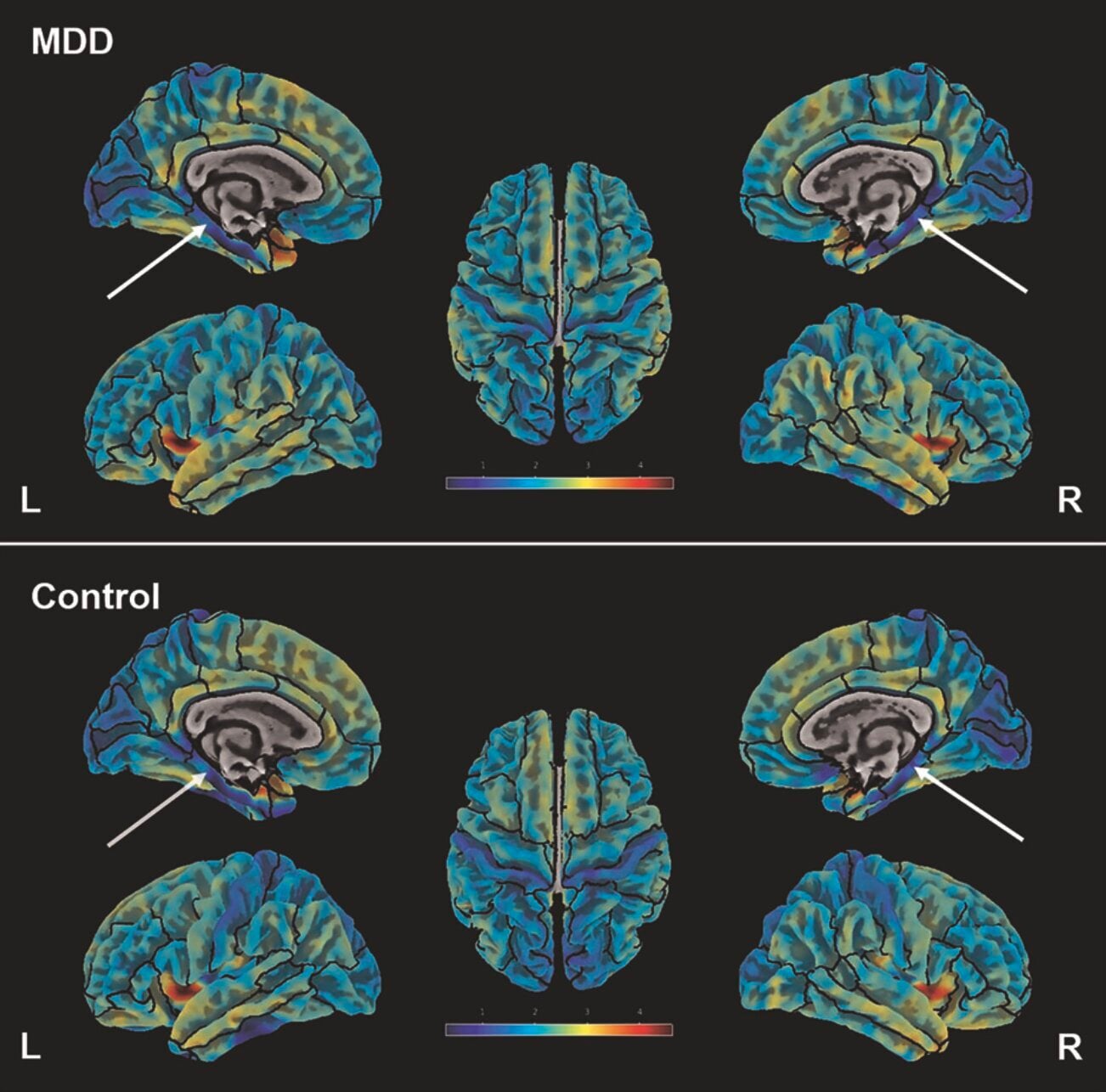
Researchers highlight concerns about chatbots providing harmful advice, explore the environmental sustainability of ancient Roman concrete, and identify brain structure changes linked to major depressive disorder and neuroticism.
Kaylee Muthart, a 20-year-old from South Carolina, blinded herself while under the influence of crystal meth, believing she needed to sacrifice her eyes to save the world. Despite the traumatic event, Kaylee, who had been using drugs since she was 18, now feels happier and on the right path after losing her sight. The incident highlights the severe impact of drug abuse and mental health issues. For support, individuals can contact American Addiction Centers.
A study by Danish researchers has found that Instagram, owned by Meta, is inadequately moderating self-harm content, allowing it to proliferate among teenagers. Despite Meta's claims of using AI to remove harmful content, the study showed that none of the 85 self-harm-related images shared in a controlled experiment were removed. The research suggests Instagram's algorithm may even facilitate the spread of self-harm networks. Critics argue that Meta's failure to address this issue could have severe consequences for young users' mental health.