Many Americans in their 80s are turning to self-employment or starting businesses due to age-related job rejection and financial instability, with some viewing entrepreneurship as a way to find purpose and supplement income, despite the risks and challenges involved.

A study analyzing data from 2000 to 2015 shows that entrepreneurs tend to earn more than paid employees as they age, with self-employed individuals making up to 70% more by age 55, but significant income inequality exists among the self-employed, with most income concentrated among the top earners. The findings challenge stereotypes about entrepreneurs and highlight their potential for higher earnings and growth, especially in small businesses and trades.
A study suggests that women who are self-employed may have a lower risk of cardiovascular issues due to factors like reduced stress and greater control over their lifestyle, though more research is needed to confirm causation. The findings highlight the potential health benefits of work environment and autonomy, emphasizing the importance of healthy habits regardless of employment type.
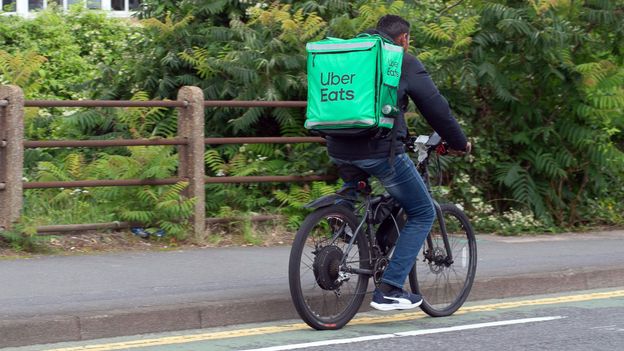
More people are turning to side hustles to supplement their income, but are facing unexpected tax bills due to the different tax rules for self-employment. Governments are cracking down on unreported income from side gigs, with the UK and US implementing new reporting rules for digital platforms. Many side hustlers are unprepared for the extra paperwork and tax obligations, leading to potential penalties and investigations. Tax experts suggest updating tax rules to better align with the changing nature of work to help people accurately report their taxable profits.
According to Instagram's year-end trend report, one in three Gen Zers believe that the best way to achieve financial success is through some form of self-employment, signaling a shift away from the traditional American Dream narrative. Gen Zers are becoming less convinced that climbing the corporate ladder and buying a home is the path to wealth, as they witness economic uncertainty, housing market challenges, and stagnant wages. Many Gen Zers are experiencing worker burnout and financial stress, leading them to seek alternative ways to earn income, such as side hustles and freelancing. Social media platforms like TikTok offer opportunities for self-employment and the potential for fame, money, and a flexible lifestyle.
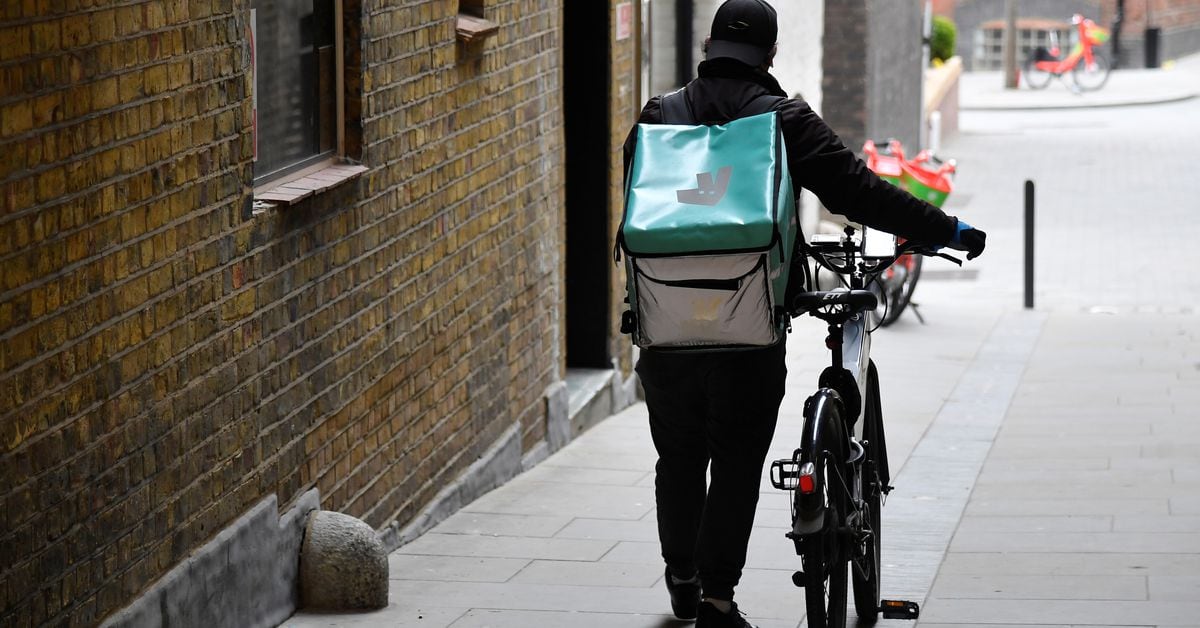
The United Kingdom's Supreme Court has ruled that Deliveroo riders cannot be represented by a trade union for collective bargaining purposes. The Independent Workers Union of Great Britain (IWGB) had sought to negotiate pay and conditions on behalf of Deliveroo riders, but the court unanimously dismissed their appeal. The court stated that Deliveroo riders do not have an employment relationship with the company and are not entitled to compulsory collective bargaining. The ruling provides certainty for platform economy companies with flexible operating models, while the IWGB expressed disappointment and emphasized the importance of worker unity in demanding change.
Orissa Kelly, a 28-year-old self-taught "foot archer," earns around $130,000 annually by performing around the world. She uses her feet to shoot a bow and arrow while in a handstand position, sometimes with flaming arrows. Kelly charges anywhere from $2,500 to $5,000 for shows and has performed on television and during NBA halftime shows. She spends money on food and has a healthy savings account, a habit she learned from her mom. When her foot-archery career slows down, Kelly plans to focus on different ways to make money online, such as through writing e-books or creating online courses.