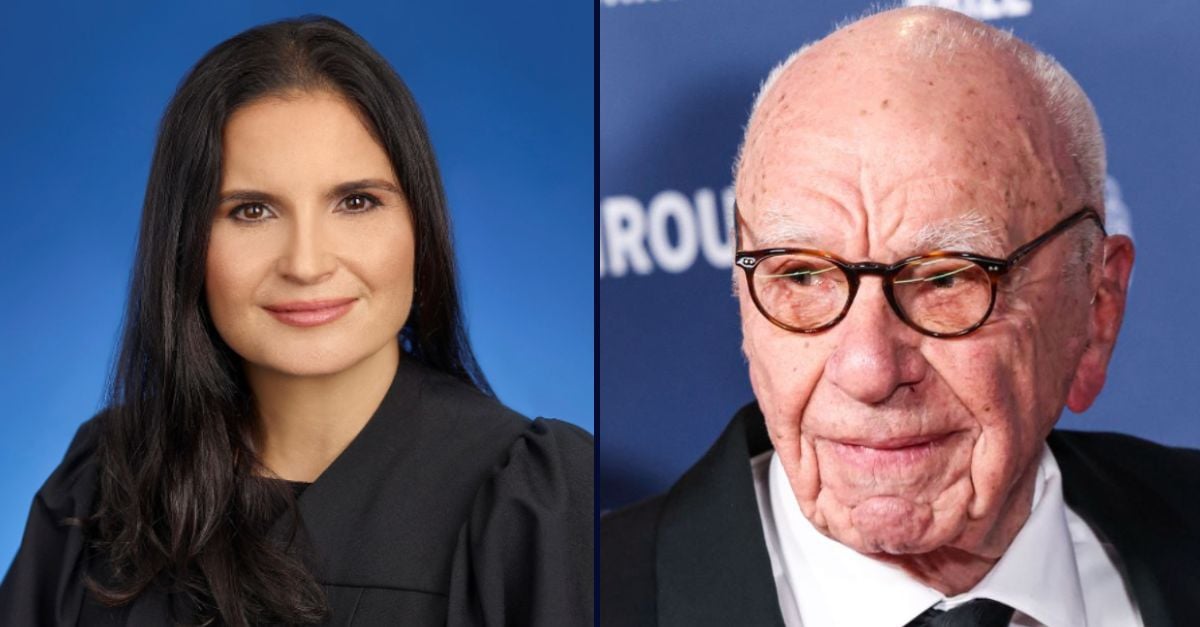
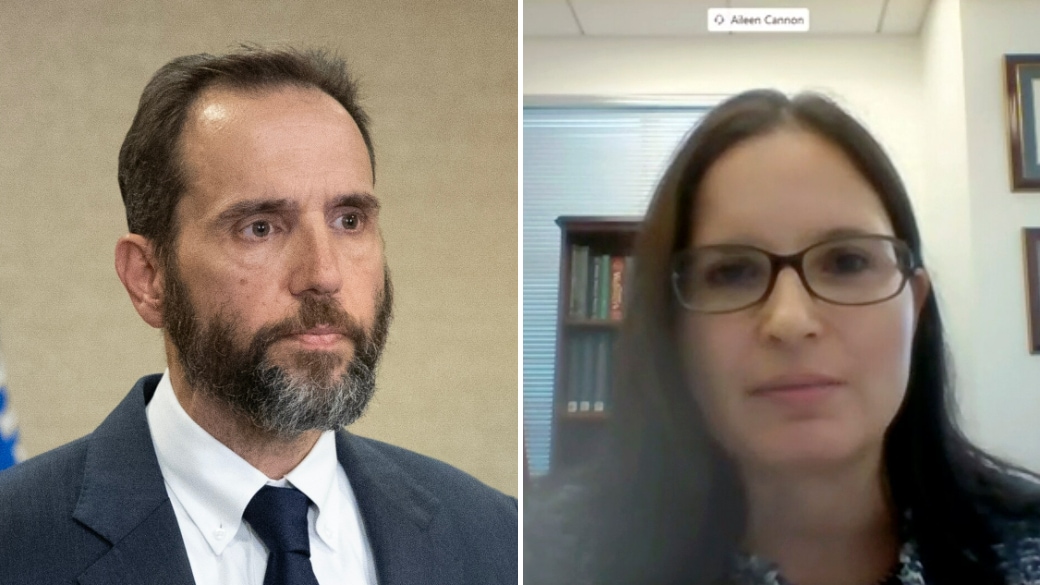
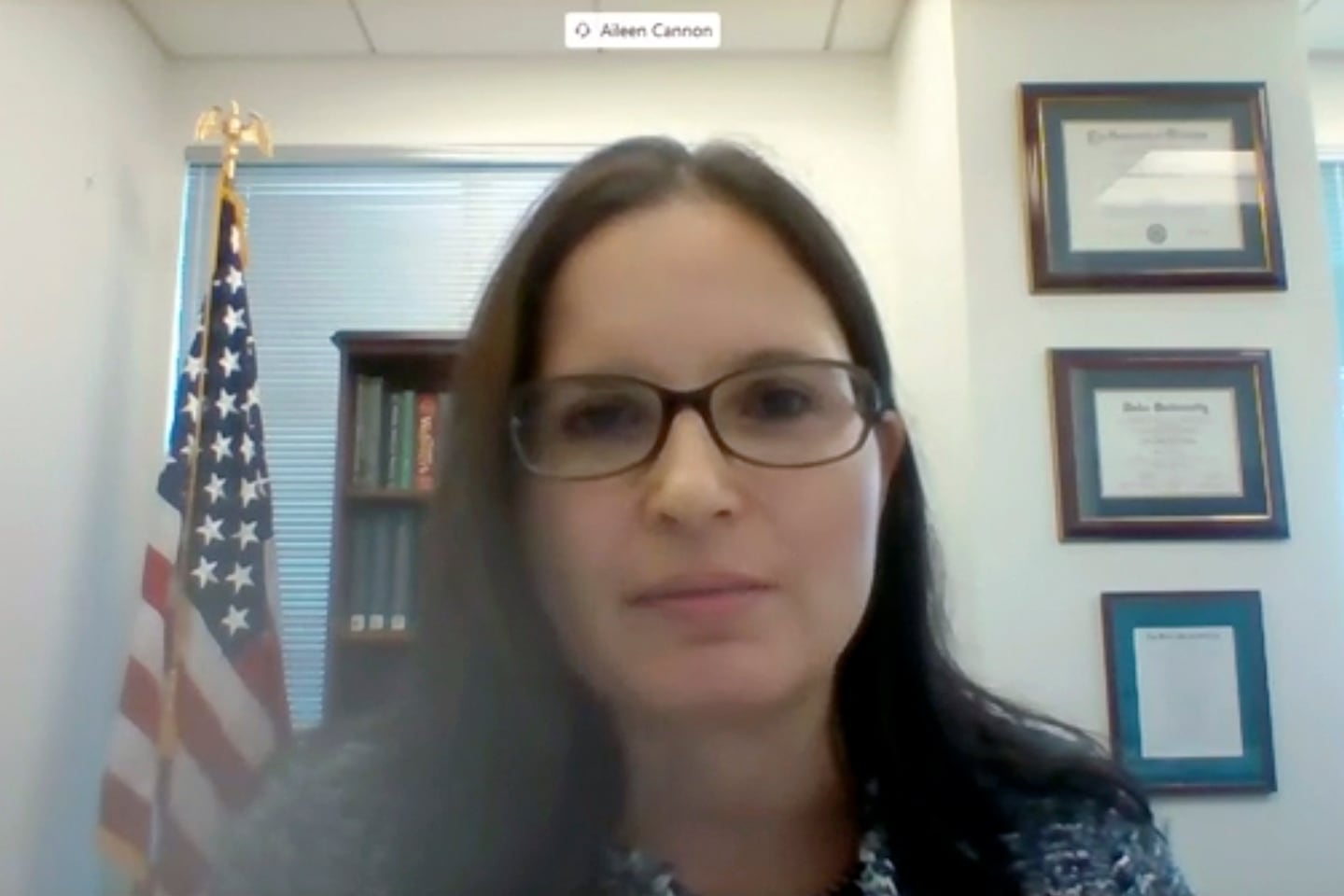
U.S. District Judge Aileen Cannon dismissed Newsmax's lawsuit against Fox News for being a 'shotgun' pleading, giving Newsmax the opportunity to refile with a more specific complaint, after criticizing the initial broad and vague allegations.
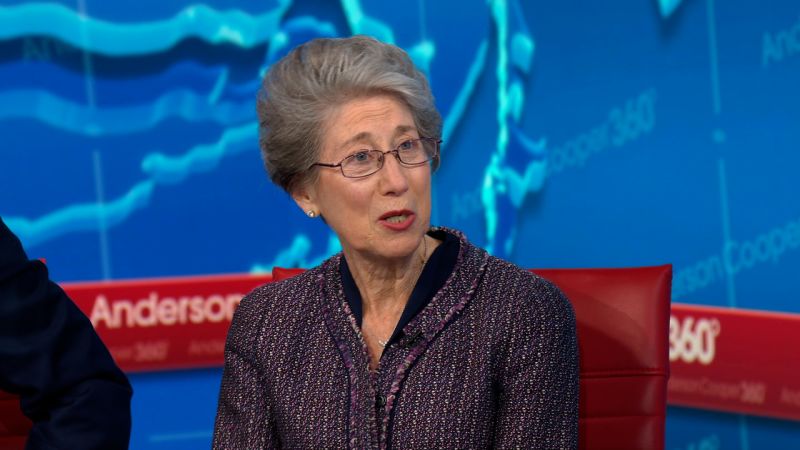
Former US District Judge Shira Scheindlin criticizes Judge Aileen Cannon's handling of Trump's classified documents case, suggesting that Cannon appears insecure as Trump's legal team continues to file motions to delay the proceedings.
U.S. District Judge Aileen M. Cannon expressed skepticism about dropping charges against Donald Trump’s co-defendants in the classified documents case, suggesting their arguments for dismissal would be better suited for trial. The co-defendants' attorneys argued that the charges should be dismissed due to lack of evidence showing their awareness of an ongoing investigation or the classified nature of the documents. Prosecutors defended the sufficiency of the indictment, and the judge seemed to agree, indicating that these arguments could be made in front of a jury. The judge, nominated by Trump, has yet to issue a ruling and is still wrangling other key decisions in the pretrial proceedings.
Judge Aileen M. Cannon has ordered former President Donald J. Trump's lawyers to redact the names of about two dozen government witnesses from a public court filing to protect them against potential threats or harassment. The special counsel, Jack Smith, had expressed deep concern over witness safety, and the judge's decision, while reversing her initial ruling, hewed to standard practice. The fight over the witnesses began when prosecutors asked the judge to reconsider a decision allowing Trump to publicly name about 24 witnesses in court papers.
U.S. District Court Judge Aileen M. Cannon has agreed to shield the names of government-agent witnesses in Donald Trump’s classified documents criminal trial, ruling in favor of special counsel Jack Smith's request to keep the names and identifying information under seal. However, she also ruled that the substance of the witness statements can be made public in filings, as long as the material does not identify the witnesses or others mentioned. The judge criticized the Justice Department lawyers for their legal arguments but ultimately agreed to the sealing of witness names, complicating the pre-trial legal proceedings.
Attorneys warn that the special counsel may seek the removal of Judge Cannon in the Trump classified documents case due to escalating tensions, with Trump defending the judge and criticizing her request for jury instruction proposals. The judge rejected Trump's bid to dismiss the charges against him based on the Presidential Records Act, and there is pressure for her to make a ruling on jury instructions before the trial begins to allow for potential appeals. If the judge's decision on jury instructions is deemed erroneous, the special counsel may appeal and request the Eleventh Circuit to remove her due to the appearance of bias, potentially delaying the trial.
Judge Cannon has rejected a bid by former President Donald Trump to dismiss criminal charges against him in a case involving the handling of classified documents. Trump's attorney, Ty Cobb, criticized the judge's decision, calling it "incompetence." This comes as Trump faces legal challenges and controversies, including a gag order violation and struggles with his social media platform, Truth Social.
The criminal case against former President Donald Trump, involving the alleged mishandling of sensitive national security documents, has been delayed by Judge Aileen Cannon's unusual approach and prolonged decision-making on routine legal matters. This delay could potentially push the trial past the November presidential election, sparking frustration and suspicion among prosecutors and legal experts. Critics accuse Judge Cannon of playing into Trump's strategy of postponing the trial, while others question her motives and experience. The case remains mired in unresolved legal issues, including Trump's attempts to dismiss the charges and his far-fetched legal arguments, further complicating the already slow-moving proceedings.
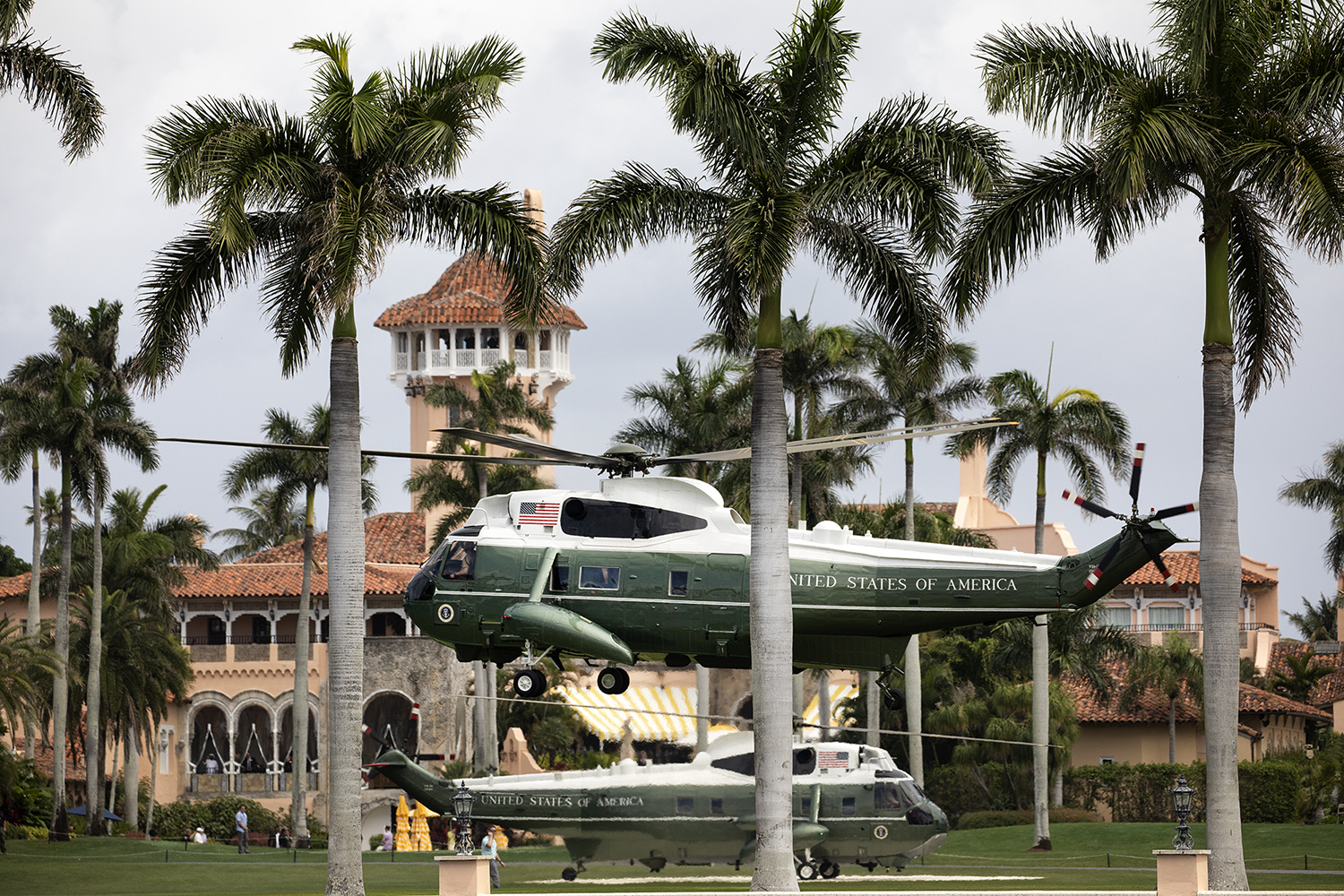
Special Counsel Jack Smith has traced the origin of a legal theory used in Donald Trump's defense, revealing how it moved from conservative activist Tom Fitton to federal judge Aileen M. Cannon. The theory claims Trump was justified in keeping classified documents as "personal," but prosecutors argue that Trump never formally asserted this and deride it as a post hoc legal invention. The DOJ's extensive investigation has delved into Trump's private advisers and aims to prevent Judge Cannon from adopting this defense, which could potentially help Trump escape criminal charges related to hoarding classified records at Mar-a-Lago.
Lawyers and former judges express confusion and concern over the recent order issued by U.S. District Judge Aileen M. Cannon in the pending trial of Donald Trump, suggesting that the case may not go to trial anytime soon. The order requires both sides to outline proposed jury instructions based on competing interpretations of the Presidential Records Act, a move that legal experts find troubling and premature. Cannon's handling of the case, including delays and rulings, has led to calls for special counsel Jack Smith to seek her recusal, although the legal standard for recusal is high.
A hearing on two of Trump's motions to dismiss took place at the federal courthouse in Fort Pierce, Florida, with a significant media presence and a Trump rally outside. The first motion focused on the constitutionality of Espionage Act charges, while the second centered on the interpretation of the Presidential Records Act. Trump's counsel argued that the statute's language was unconstitutionally vague as applied to the former president, citing his designation of records as personal and executive privilege. The special counsel countered that Trump never designated any records as personal and that the PRA's definitions undermine his claim. The judge raised concerns about the motion's prematurity and questioned the vagueness of certain terms in the statute and executive order.
U.S. District Court Judge Aileen Cannon denied former President Trump's motion to dismiss charges of retaining classified documents on the grounds of "unconstitutional vagueness," while the ruling on another motion based on the Presidential Records Act is pending. Trump's defense argues that the PRA gives the president authority to retain documents, but the judge indicated that these arguments may have force at trial but not for dismissal. The prosecution contends that the seized documents were presidential, not personal, and emphasizes the independence of Special Counsel Smith's team from the Biden Administration.
Judge Aileen M. Cannon rejected former President Trump's request for his lawyers to see more of the classified filings submitted by prosecutors in his criminal trial for mishandling classified documents, stating that the access sought was not typically granted in such cases and that withholding the information would not hinder his defense. Cannon plans to hold a key hearing on Friday to discuss the trial schedule and evidence disputes. This ruling follows a similar judgment denying requests by Trump's co-defendants to access classified information under Section 4 of the Classified Information Procedures Act.
Judge Cannon has ruled that the public interest outweighs the protective order in the Trump case, prompting backlash from Special Counsel Jack Smith who argues that unsealing the names of witnesses could deter cooperation and pose safety risks. Critics accuse Cannon of bias for Trump and predict that her ruling will likely be overturned on appeal, citing a lack of legal basis to unseal the witness list and potential danger to witnesses. The 11th Circuit previously reversed Cannon's decision in this case, and experts believe it may do so again.
Legal experts express concern over Judge Aileen Cannon's decision to reject special counsel Jack Smith's bid to keep government witnesses secret in Donald Trump's classified documents case, with some suggesting that her actions may be unethical and warrant her removal. The judge's ruling has raised questions about potential bias in favor of Trump and has prompted calls for Smith to seek her recusal. The decision has also sparked concerns about compromising national security and the need for a new judge to handle the case.