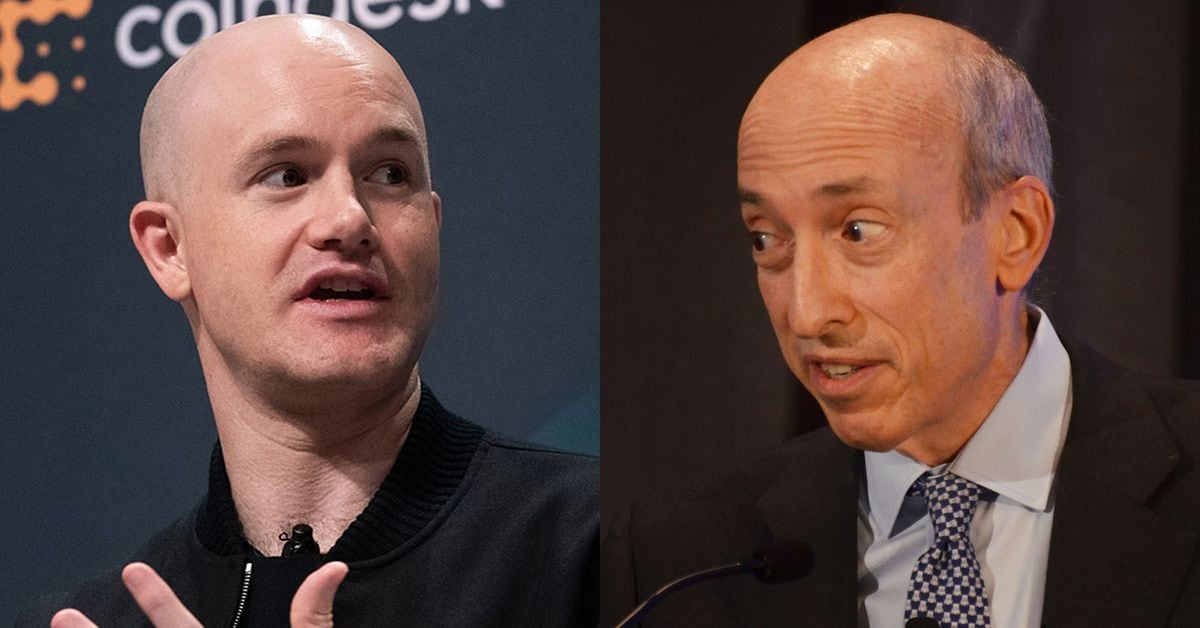
A U.S. judge is deliberating on whether the SEC's case against Coinbase, regarding the classification of transactions in a dozen crypto tokens as unregistered securities, should be dismissed. Both sides argued their positions in a court hearing, with the judge expressing skepticism and not revealing her ruling. The decision could impact the SEC's pursuit of crypto platforms and may influence similar cases against other exchanges. The judge's eventual ruling is expected in the coming weeks.
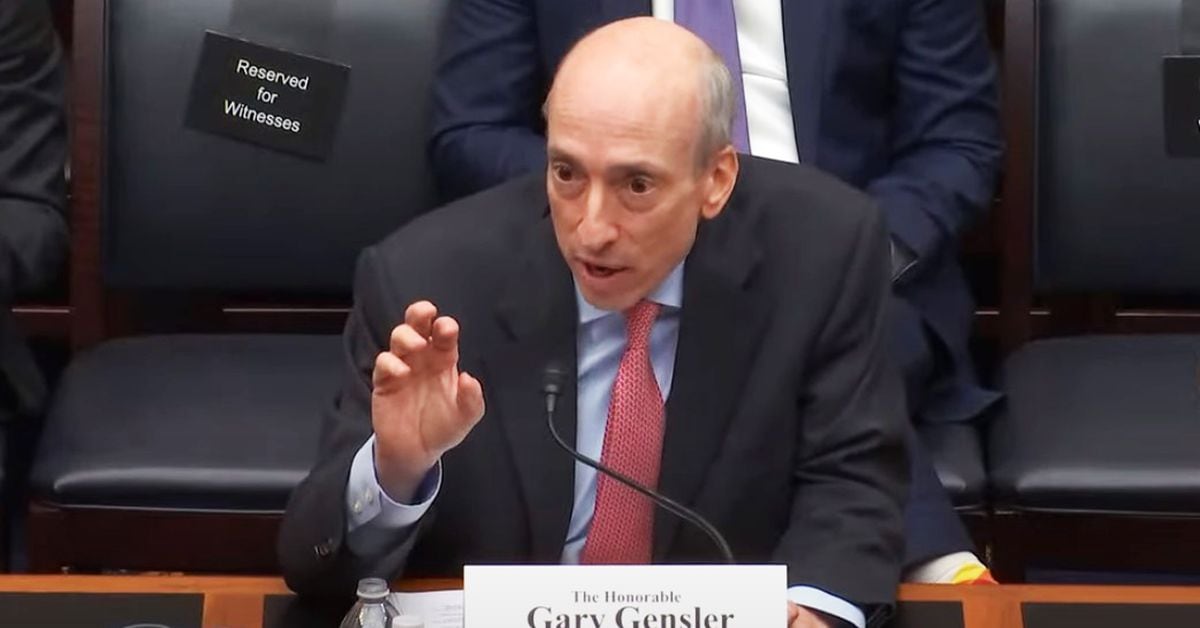
As the SEC's decision on a spot bitcoin ETF looms, Chair Gary Gensler reiterates warnings about the dangers of investing in digital assets, citing scams and non-compliance with securities laws. His remarks come amidst expectations of ETF approvals that could significantly impact the industry. The regulatory landscape for cryptocurrency businesses and securities law compliance remains uncertain, with ongoing legal battles shaping the debate.
The U.S. Securities and Exchange Commission (SEC) has urged a federal judge to reject Coinbase's attempt to dismiss the securities law violation lawsuit filed against it. The debate centers around the interpretation of the Howey test, a key precedent in securities law. The SEC argues that Coinbase's justification contains "fatal flaws" and that the court must determine whether Coinbase intermediated transactions in "investment contracts" that should be regulated by the SEC. Coinbase contends that crypto trades do not meet the definition of an investment contract, while the SEC maintains that the Howey test should be flexibly and widely interpreted. The SEC also refutes Coinbase's claim that the agency blessed its conduct and emphasizes that going public does not automatically endorse compliance with securities laws.
The U.S. Securities and Exchange Commission (SEC) has requested permission to appeal a federal judge's ruling that XRP sales through exchanges did not violate securities law. The SEC is specifically appealing the judge's ruling that Ripple's programmatic sales of XRP did not violate securities law. The ruling could have implications for other SEC cases and legal matters. Ripple has until September 1, 2023, to respond to the SEC's motion.
A federal judge has denied Terraform Labs' motion to dismiss a lawsuit filed by the U.S. Securities and Exchange Commission (SEC), stating that the SEC has jurisdiction and a plausible claim that Terraform's stablecoin, TerraUSD (UST), the Anchor Protocol, and LUNA may have violated securities law. The judge also rejected the use of a ruling in the Ripple case, where another judge ruled that Ripple did not violate securities law in selling XRP to retail investors through an exchange intermediary. The SEC has hinted at a possible appeal, and the price of XRP dropped around 2% following the ruling.
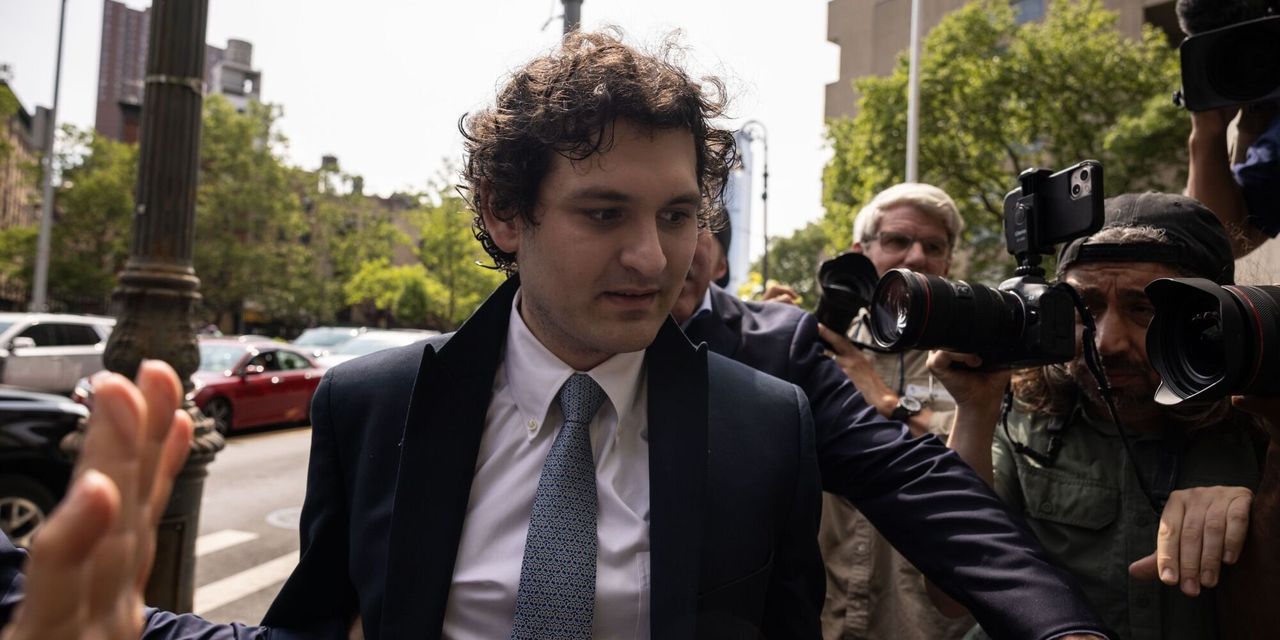
A judge has split the charges against Sam Bankman-Fried, the CEO of cryptocurrency exchange FTX, into two separate criminal trials. The first trial will focus on allegations that Bankman-Fried violated securities law by offering derivatives without proper registration. The second trial will address charges of market manipulation. Bankman-Fried has denied all allegations.
SEC Chair Gary Gensler outlined multiple paths for crypto projects to register with the agency and comply with securities law, while criticizing Binance and pushing back on arguments made by Coinbase. Gensler noted that Binance executives knowingly broke the law and redirected billions in customer assets to investment vehicles owned by CEO Changpeng ‘CZ’ Zhao. He also pointed out that Coinbase made a calculated economic decision to take the risk of enforcement as the cost of doing business.
The US Securities and Exchange Commission (SEC) has filed a lawsuit against Coinbase and its parent company, CGI, for allegedly breaking securities law by acting as an unregistered broker for its main crypto trading platform, Coinbase Prime, and the Coinbase Wallet. The SEC is also suing over Coinbase's staking-as-a-service platform. The Alabama Securities Commission has also issued a "show cause" order to Coinbase, asking the company to explain why it should not be directed to cease and desist from selling unregistered securities in Alabama. Coinbase's chief legal officer responded to the lawsuit, saying that the SEC's enforcement-only approach is hurting America's economic competitiveness and companies like Coinbase that have a demonstrated commitment to compliance.
The release of internal documents related to the SEC's classification of digital assets as securities, including the "Hinman speech," could strengthen Ripple's case and potentially provide a legal precedent for the industry. The documents may reveal dissenting opinions within the SEC and bolster Ripple's argument that the lack of regulatory clarity caused the company to lack fair notice of what was prohibited under existing law. The documents could also strengthen Coinbase's future litigation against the SEC, as the agency approved Coinbase's IPO knowing the company's business model was to list digital assets similar to XRP without a broker-dealer license to sell securities.
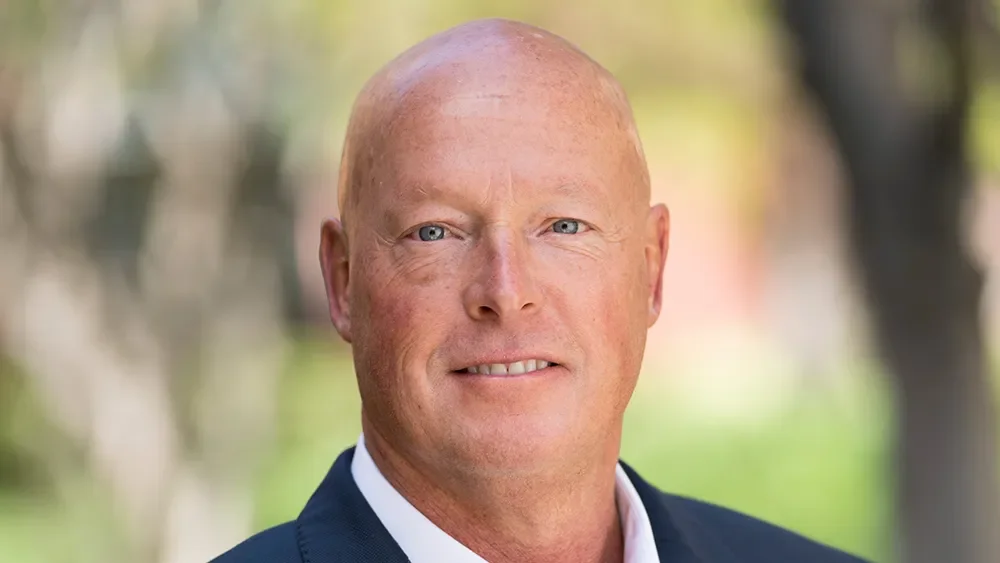
Former Disney CEO Bob Chapek and other executives are facing a lawsuit for allegedly violating securities law by providing misleading statements and omissions about Disney+ and its subscriber growth. The lawsuit alleges that Chapek and other executives did not properly disclose the truthful state of Disney, specifically its projections for Disney+ subscriber numbers and the company’s overall health in the streaming industry. The case seeks a lead plaintiff and judicial determination for a class action suit representing Disney shareholders from Dec. 10, 2020 to Nov. 8, 2022.
The US Securities and Exchange Commission (SEC) has issued its largest-ever whistleblower award of $279m, more than double the previous record of $114m. The award comes from an investor protection fund established by Congress and is funded via collected monetary sanctions paid to the SEC by securities law violators. The whistleblower must provide information that directly assists the SEC in successfully imposing enforcement actions on a particular case. The SEC did not reveal the specific case the whistleblower award relates to or the name of the whistleblower to protect their privacy.
Taylor Swift reportedly turned down a $100 million sponsorship deal with FTX after asking if the listed assets were unregistered securities. While this question may not have been directly related to the fraud that ultimately brought down FTX, it shows the importance of asking challenging and critical questions when evaluating potential investments. A canny investor should not only focus on the content of the answers to hard questions, but also on the way a question is addressed.
The SEC has filed charges against Bittrex, accusing the exchange of failing to comply with securities law by not registering with the financial watchdog in several areas, including as a broker-dealer, exchange, and clearing agency. The lawsuit names Bittrex, Bittrex Global, and former CEO Bill Shihara, alleging the exchange took in at least $1.3 billion in illicit revenue between 2017 and 2022. The SEC's attempt to go after Bittrex represents the latest development in a string of enforcement actions brought by U.S. regulators, targeting several cryptocurrency exchanges so far this year.