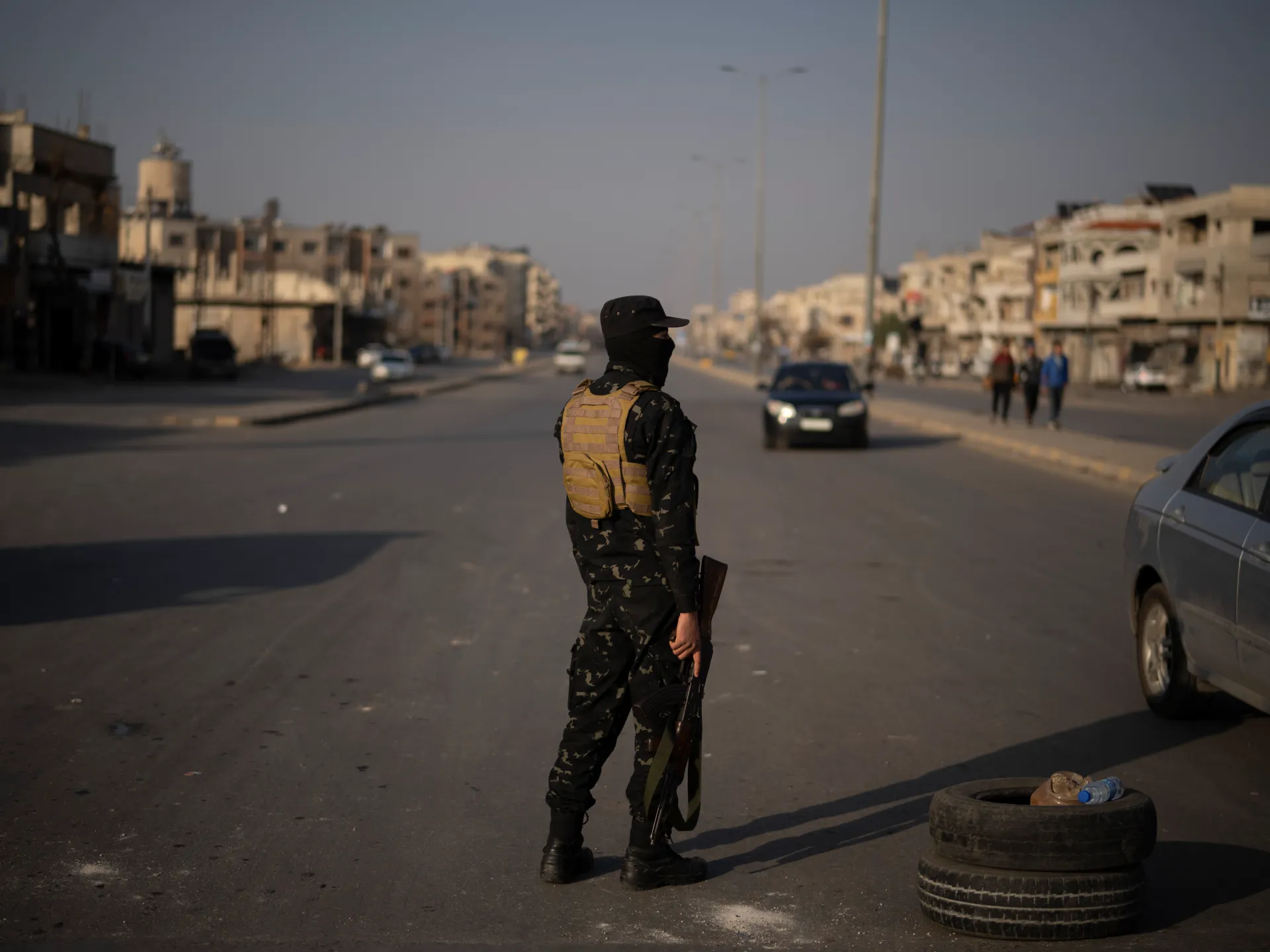
An explosion at the Imam Ali bin Abi Talib Mosque in Homs, Syria, during Friday prayers has killed at least six people and injured over 20, with authorities suspecting a suicide bombing or explosives, highlighting ongoing security challenges and potential sectarian tensions in the region.
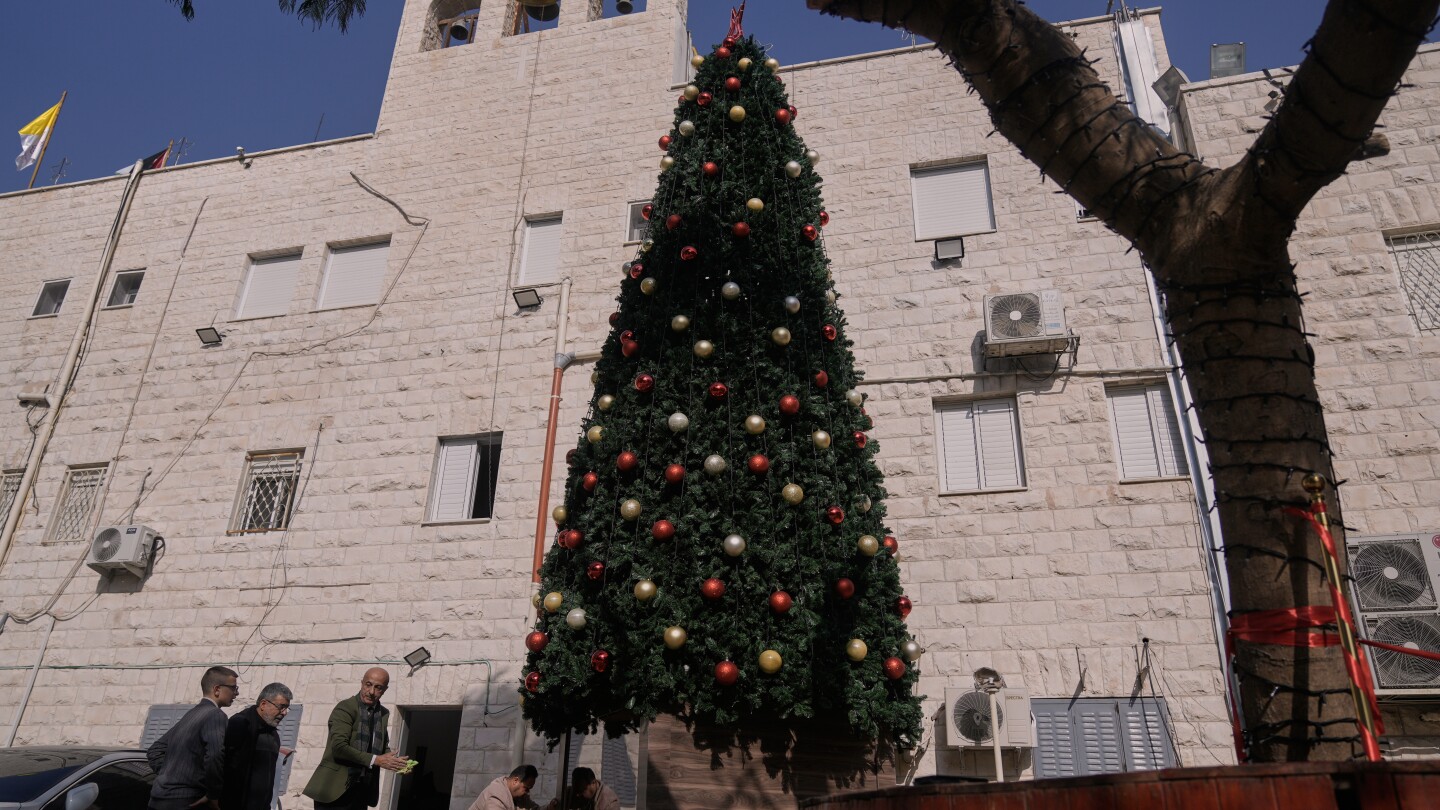
Three Palestinians were arrested in Jenin, West Bank, for allegedly setting fire to a Christmas tree and damaging a Nativity scene at a Catholic church, amid rising tensions and threats to the Christian community in the region. The church quickly replaced the damaged decorations, emphasizing unity and condemning the act as an isolated incident. The incident highlights ongoing sectarian and religious tensions in the area, which is facing increased violence and threats from both Israeli settlers and Palestinian extremists.
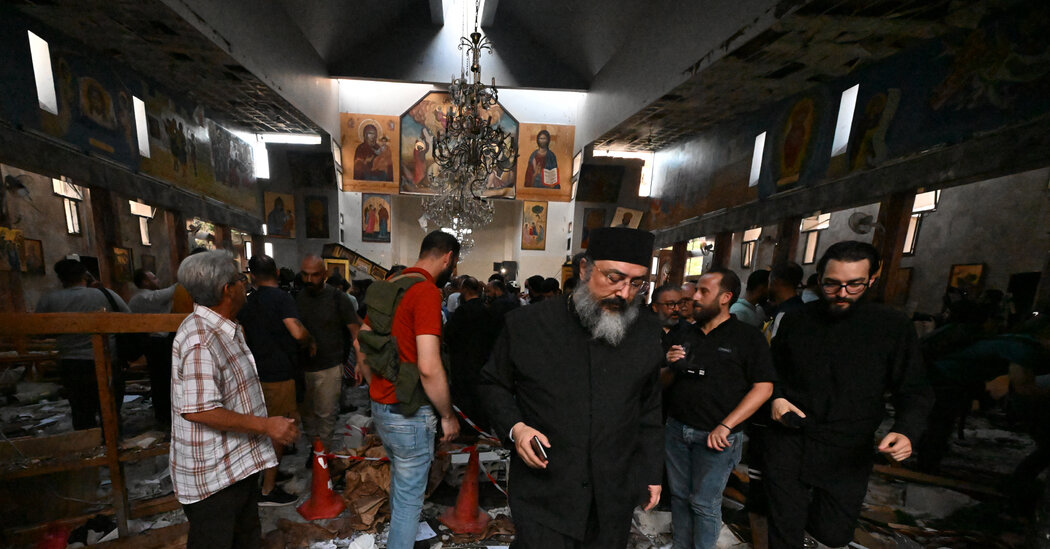
A suicide bombing at the Mar Elias Church in Damascus killed at least 20 people and wounded over 50, highlighting ongoing sectarian tensions and security challenges in Syria as the new government seeks stability and international normalization after years of civil war.
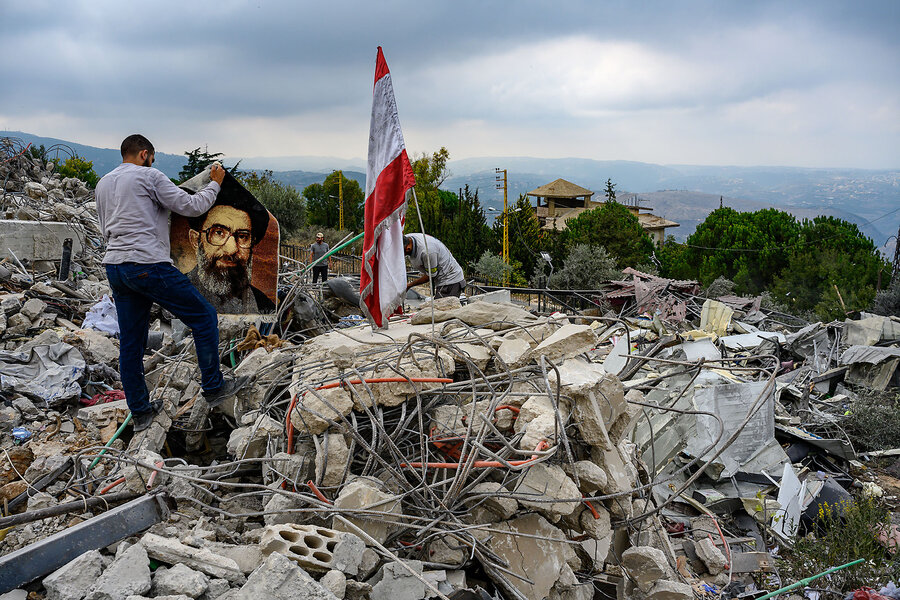
Hezbollah, the Iran-backed militant group in Lebanon, is facing increasing political backlash due to its ongoing conflict with Israel, which has led to widespread destruction and displacement across Lebanon. The group's status as a heavily armed entity within the state is being challenged by various Lebanese communities, including Shias, Christians, and other sects, who are frustrated by the war's impact and Hezbollah's inability to protect Lebanon. This discontent is exacerbating sectarian tensions and could potentially alter Lebanon's fragile political balance.
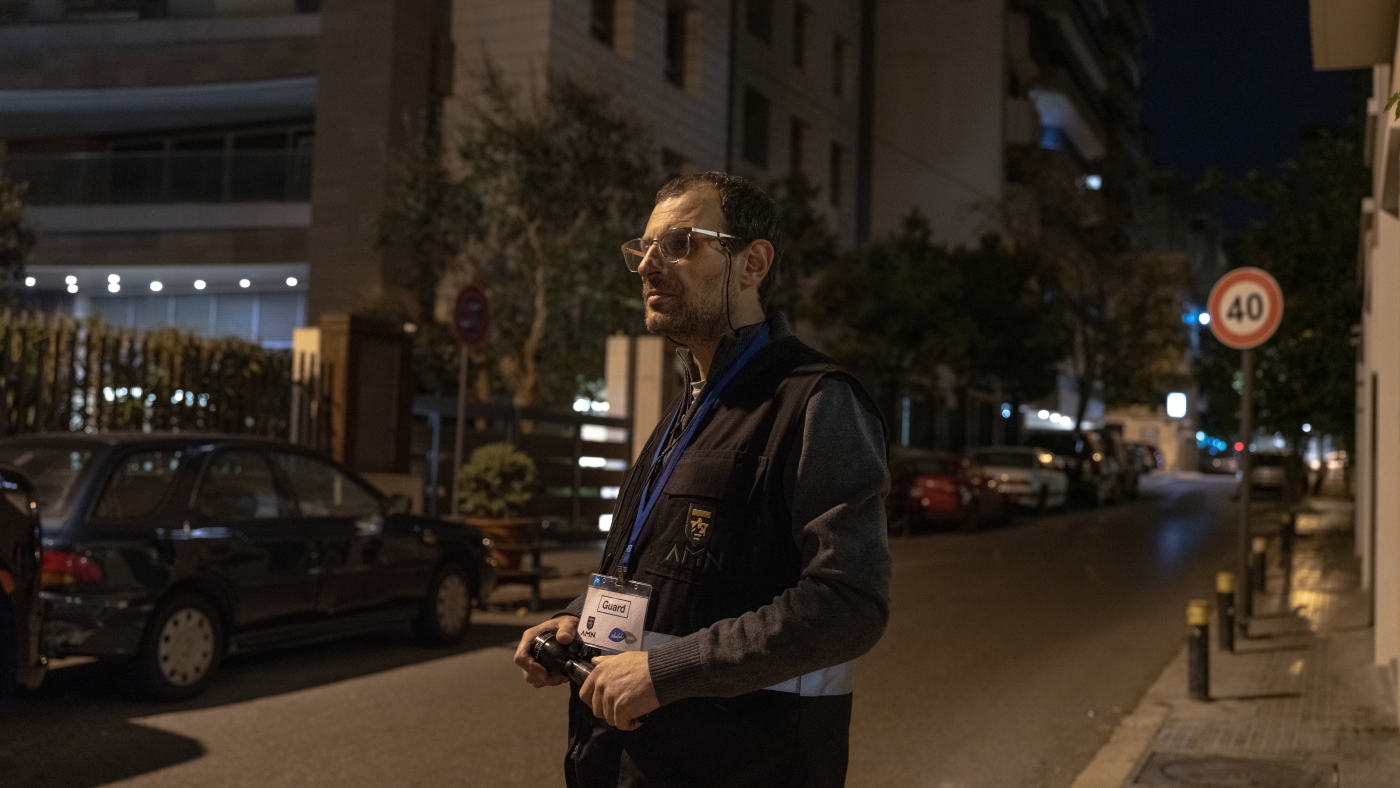
In Beirut's Ashrafieh neighborhood, residents fear Hezbollah operatives may be hiding among the displaced people fleeing Israeli airstrikes, raising concerns of potential sectarian violence. The neighborhood watch, originally formed to prevent crime during Lebanon's economic crisis, now also monitors for suspicious activity linked to Hezbollah. The displacement has led to increased rents and tensions, with some fearing Israel's actions aim to sow sectarian divisions. Israel's military campaign has targeted areas beyond Hezbollah strongholds, prompting fears of ethnic cleansing among Lebanon's Shia community.
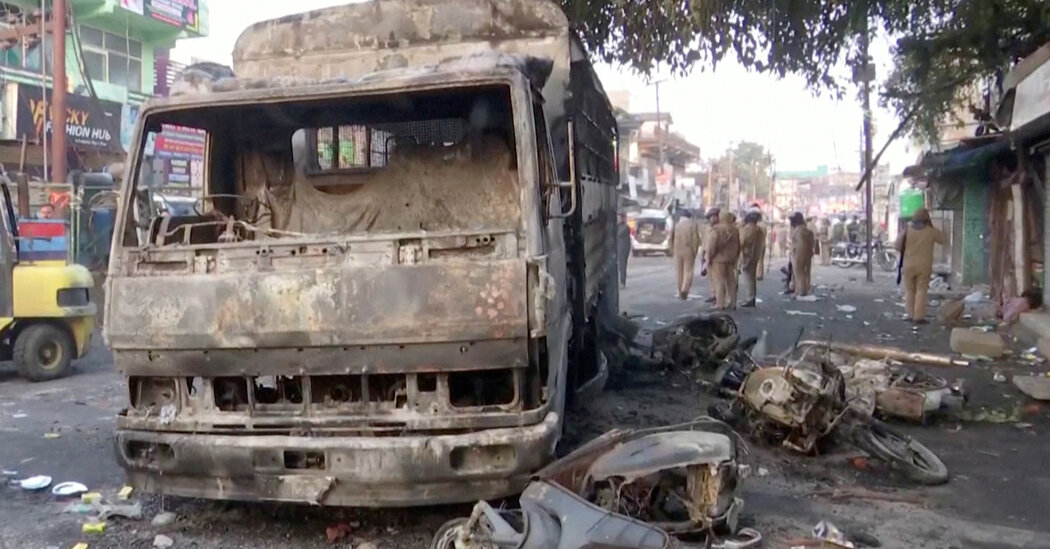
The demolition of a mosque and a Muslim seminary in northern India has sparked deadly clashes and an internet shutdown, as Hindu-Muslim tensions continue to escalate. The incident in the hill state of Uttarakhand resulted in conflicting reports of casualties, with officials claiming two deaths and dozens injured, while media reports suggested four fatalities. The violence erupted as officials attempted to raze the structures, which were deemed to be illegally built on public land, leading to clashes between protesters and police. This incident reflects the broader trend of Hindu nationalism under the leadership of Prime Minister Narendra Modi, with the targeting of Muslim sites and communities drawing criticism from opposition leaders.
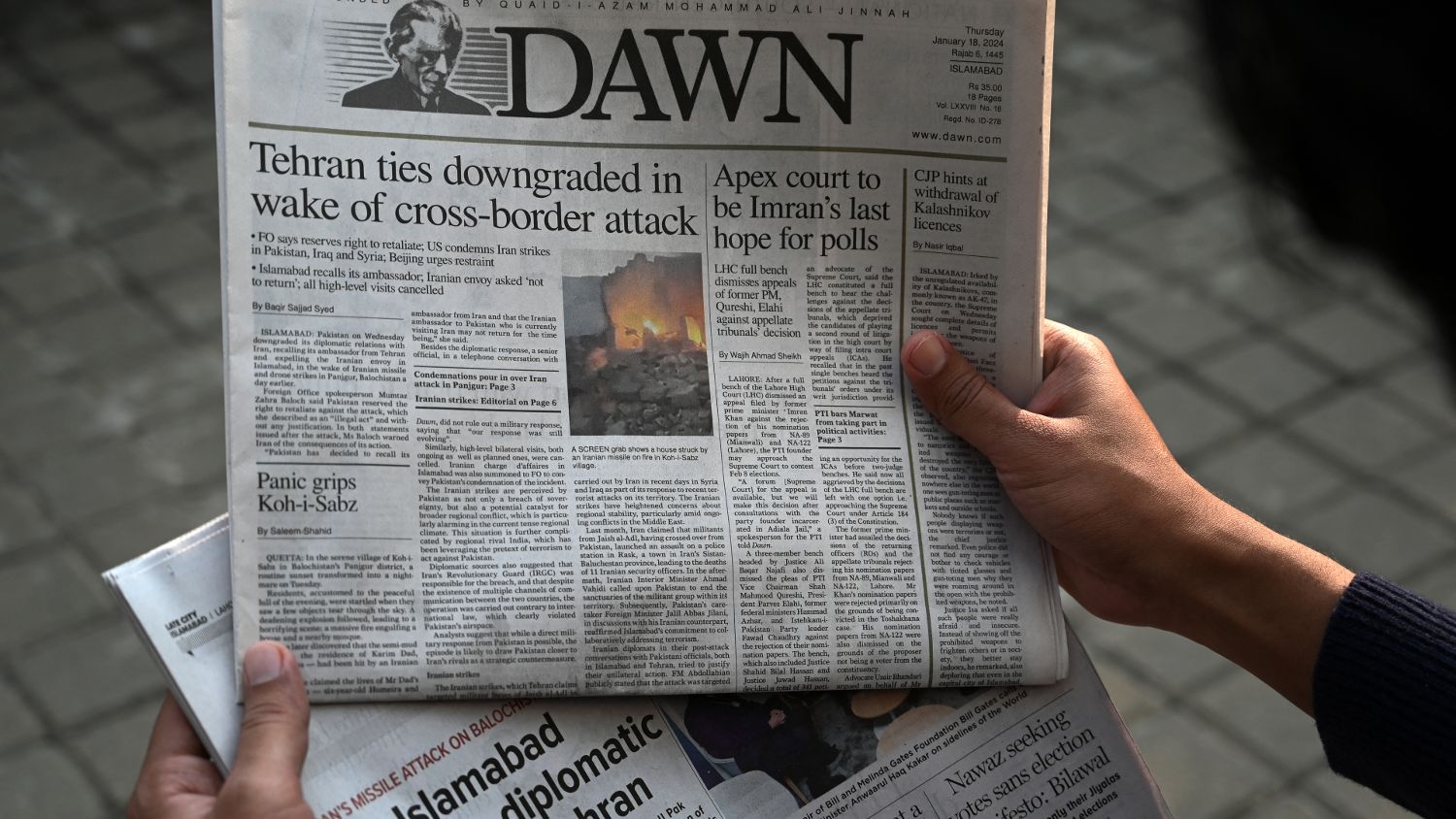
Iran and Pakistan engaged in tit-for-tat missile attacks targeting militant groups on each other's territory, with Iran's strikes possibly driven by domestic anxieties following a deadly ISKP attack and a need to display military strength. The attacks disrupted ongoing discussions about collaboration against ISKP, raising concerns about sectarian tensions and potential exploitation of such divisions. Both countries have a history of border skirmishes and are grappling with armed groups along their porous border, citing the need to safeguard national security. The recent attacks have complicated the already delicate relationship between the two nations, with analysts expressing concerns about the potential for further escalation and the impact on regional stability.
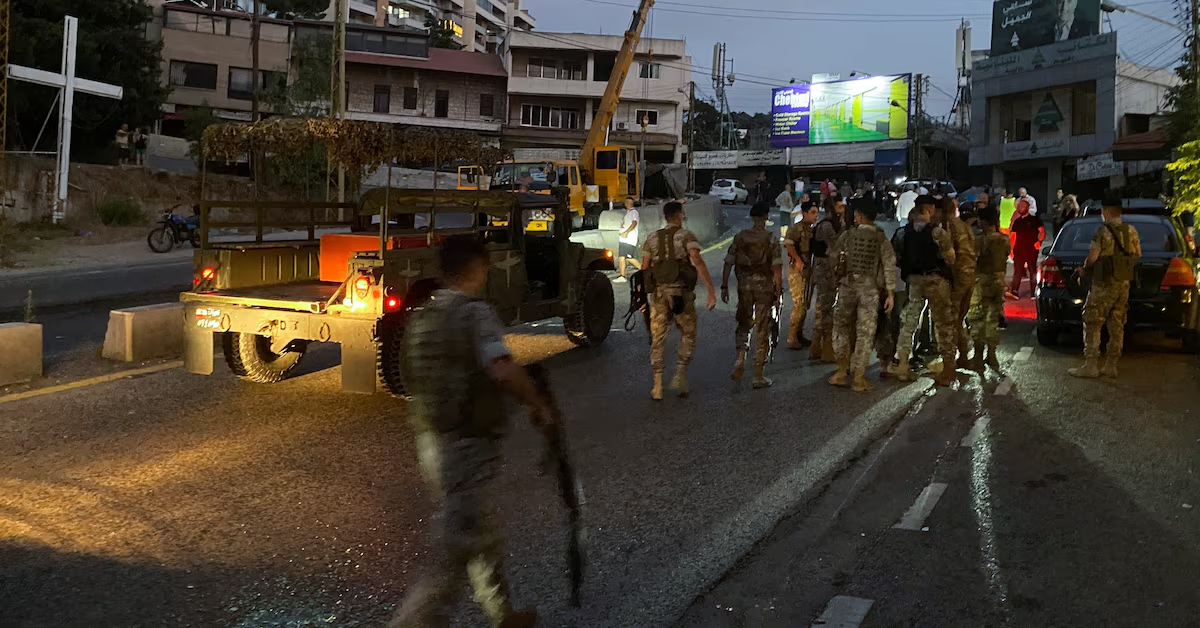
Two people were killed in a clash between Hezbollah members and residents of a Christian village in Lebanon after a truck belonging to Hezbollah overturned. The sides accused each other of starting the deadly confrontation, with local lawmakers accusing Hezbollah of transporting weapons in the truck. The incident marks the most serious confrontation between Hezbollah and its Lebanese opponents since deadly clashes in Beirut two years ago, further exacerbating sectarian tensions in a country already grappling with political and economic crises.
Two people were killed in clashes between Hezbollah members and residents of a Christian village in Lebanon after a truck belonging to Hezbollah overturned. The sides accused each other of starting the clash, with local lawmakers accusing Hezbollah of transporting weapons. The incident marks a serious confrontation between Hezbollah and its Lebanese opponents, exacerbating sectarian tensions in a country already grappling with political and economic crises.
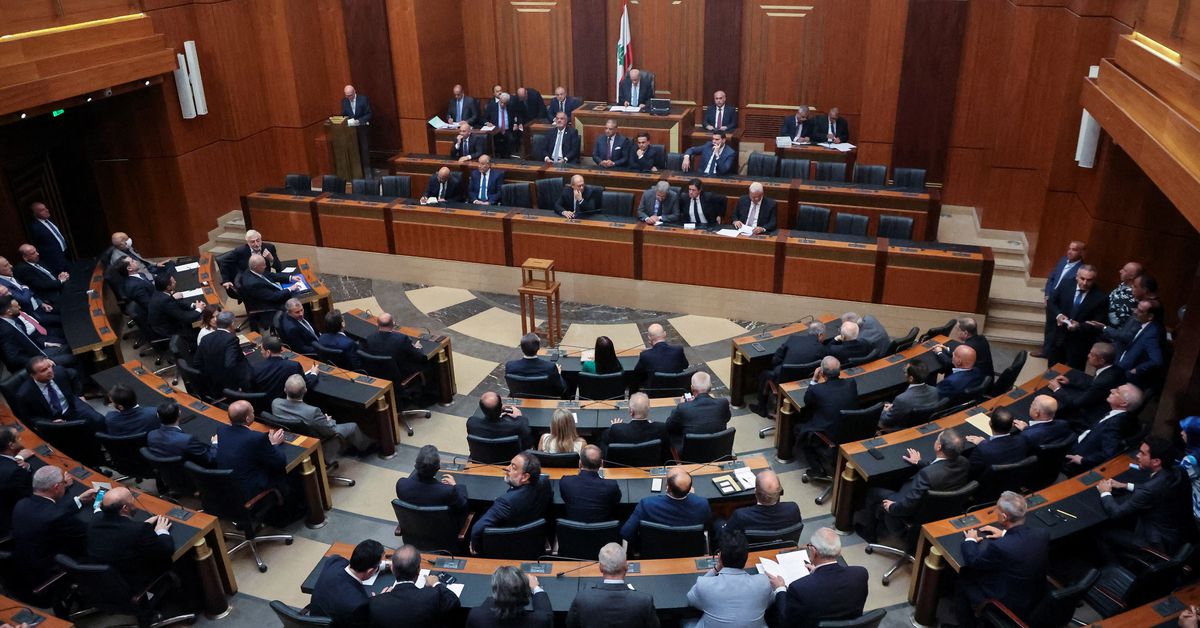
Lebanon's presidential election collapsed for the 12th time, as neither the IMF's Middle East Director, Jihad Azour, nor Hezbollah-backed candidate Suleiman Frangieh secured the 86 votes needed to win in a first round vote. The standoff has opened a fresh sectarian fault line, pitting the Iran-backed, heavily armed Shi'ite Muslim Hezbollah against Christian factions. The stalemate may now require foreign intervention to resolve the crisis, including a newly-appointed French envoy expected in Beirut next week in a mediation effort. The financial crisis was caused by decades of corruption and profligate spending by ruling politicians whose vested interests have obstructed any steps towards addressing it.
Lebanon postponed its daylight savings change due to the holy month of Ramadan, causing confusion and chaos as people are going by two different time zones. The decision was supported by the caretaker Prime Minister and parliament speaker, but opposed by the Maronite church, the largest Christian institution in the country. The lack of a unified authority dictating what time it is in the country has led to confusion for airports, businesses, and people across Lebanon. The move has also sparked fears of inflaming sectarian tensions in a country that has long been home to numerous different religious groups.