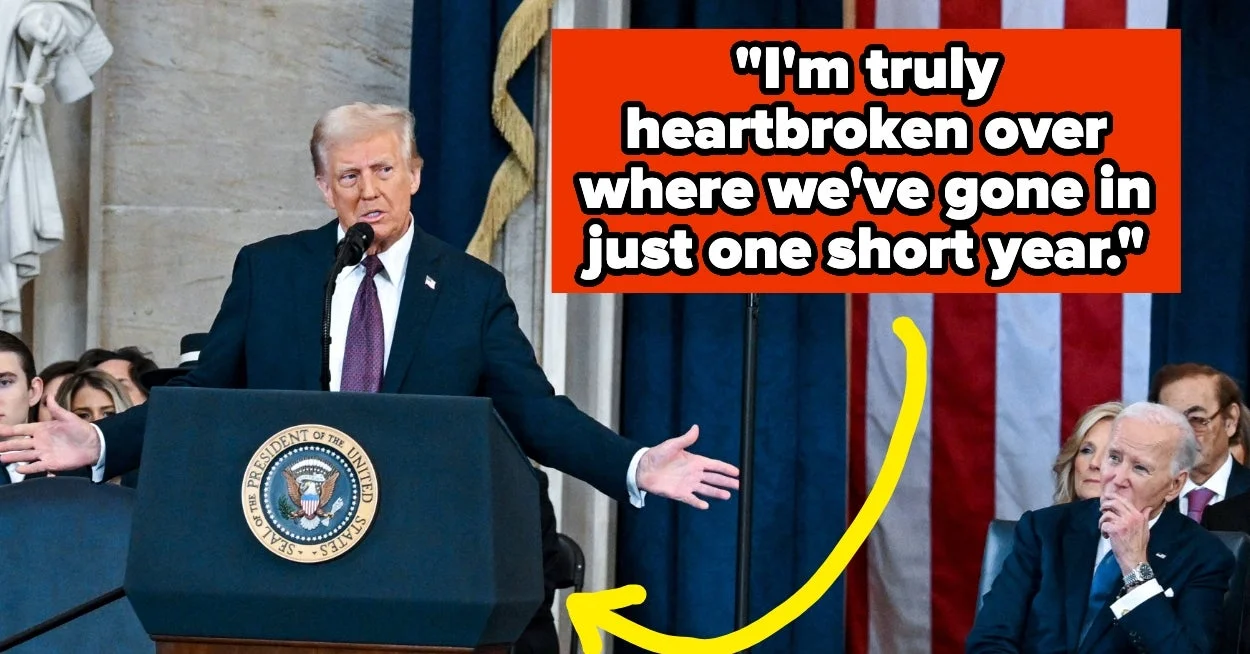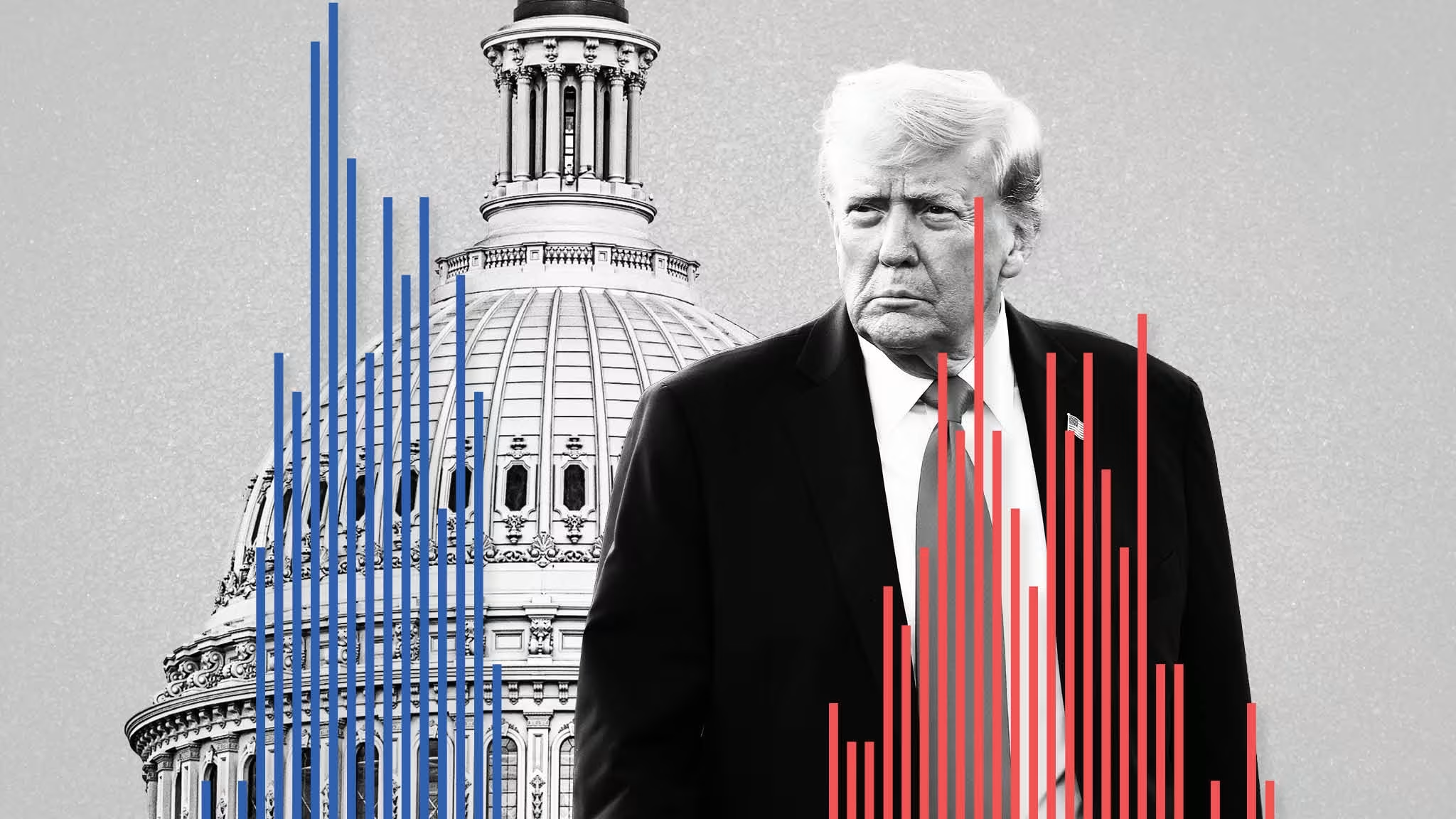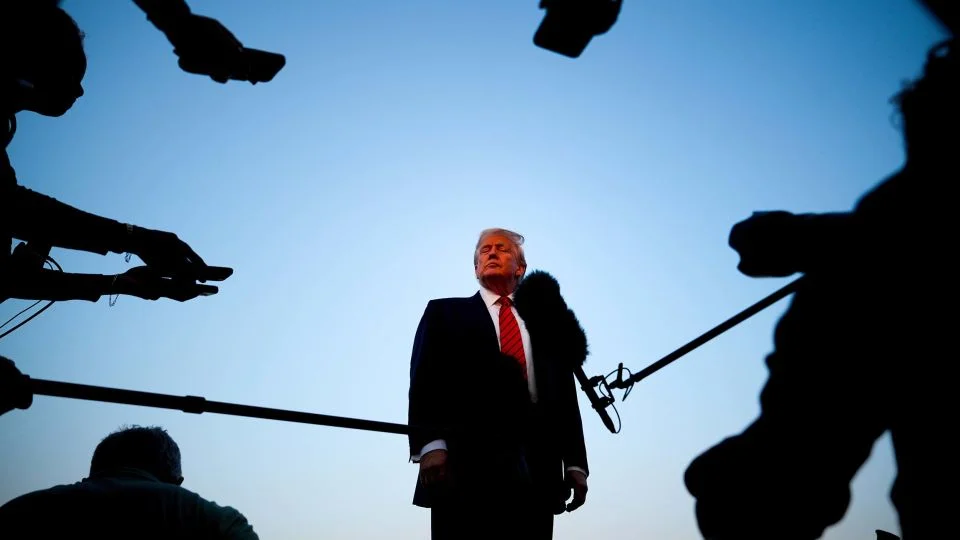
The article discusses how Donald Trump's potential second term as US President could challenge the already deeply polarized Congress, highlighting the political tensions and implications for governance.
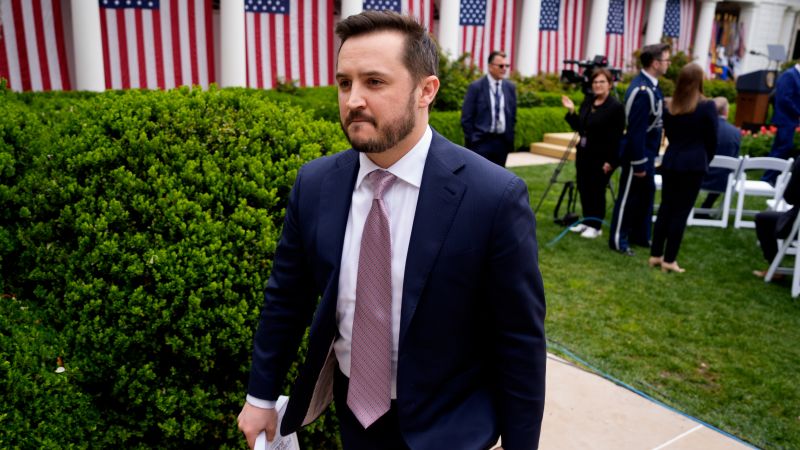
Taylor Budowich, Trump's deputy chief of staff for communications, is leaving the White House later this month, marking the highest-profile exit of the second term, reflecting a relatively stable staff compared to Trump's first term.
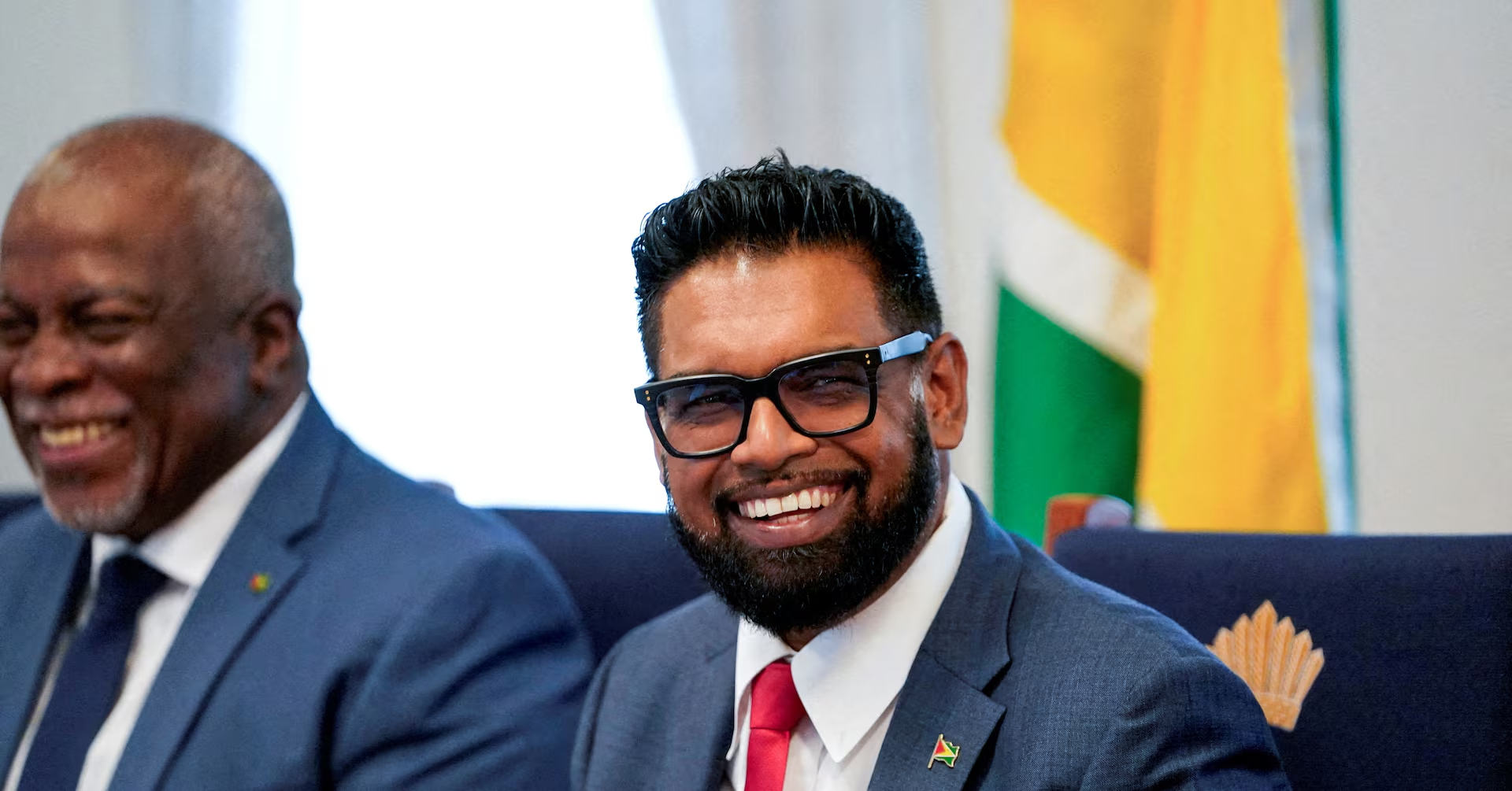
Guyana's President Irfaan Ali was sworn in for a second term after his electoral victory was confirmed, promising to diversify the economy beyond oil revenues and continue investments in social infrastructure and exploration.
President Donald Trump is experiencing a period of significant policy achievements and personal power, but his aggressive actions on trade, immigration, and foreign policy could lead to political backlash and adverse economic consequences, with his approval ratings and public opinion indicating potential challenges ahead.
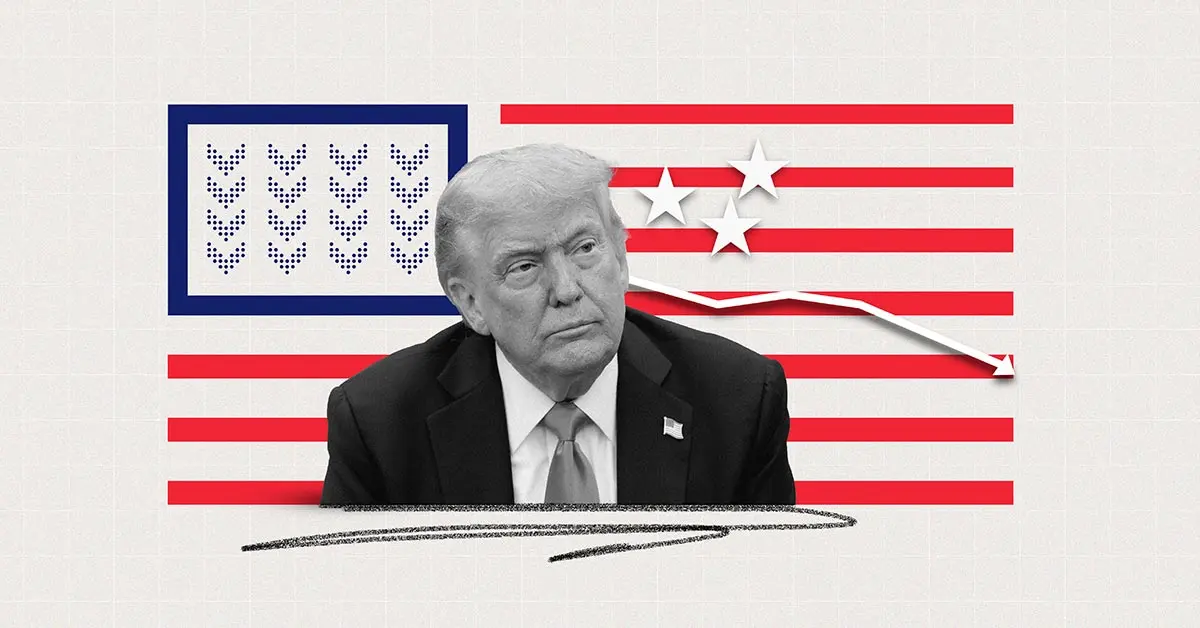
Recent polls show Donald Trump's approval ratings have declined to their lowest points in his second term, with various surveys indicating approval ratings around 37-42%, amidst controversies including the Epstein investigation and policy decisions like tariffs and military actions.
Six months into his second term, President Trump's approval rating has dropped to 37%, with independents' support falling to a historic low of 29%. His ratings on key issues are generally poor, and his overall approval is comparable to his first-term lows, indicating waning support outside his Republican base.
President Trump marked six months in office by claiming the U.S. is the 'most respected country' and highlighting his administration's achievements, including ceasefire negotiations and domestic policies, while also discussing approval ratings and ongoing foreign policy efforts.
President Trump celebrated the six-month mark of his second term by claiming the US is now the 'hottest' and 'most respected' country globally, despite ongoing disapproval ratings and political controversies, including his recent call for the release of Jeffrey Epstein case files.
Six months into Donald Trump's second term, he claims significant achievements including immigration enforcement, tax cuts, and international negotiations, asserting that the US has been 'totally revived' and is now the most respected country globally.
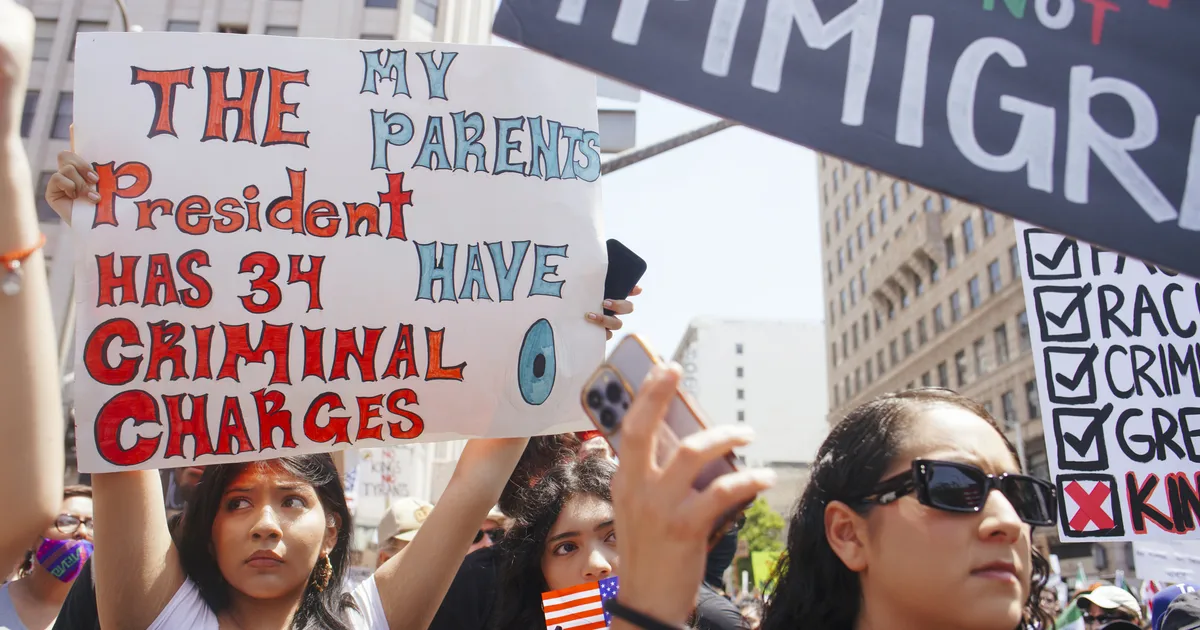
Massive protests against President Trump during his second term, with estimates suggesting up to 6 million participants, marking a significant increase in activism compared to his first term, driven by discontent over his policies and actions.
If Donald Trump wins a second term, he will face a Middle East that has undergone significant changes since his first presidency, including shifting alliances and evolving geopolitical dynamics.
The article discusses the idea that President Biden should promise a more conservative approach in his potential second term, in order to appeal to moderate and independent voters. It suggests that by adopting a more centrist stance, Biden could potentially secure broader support and address concerns about the Democratic Party's direction.
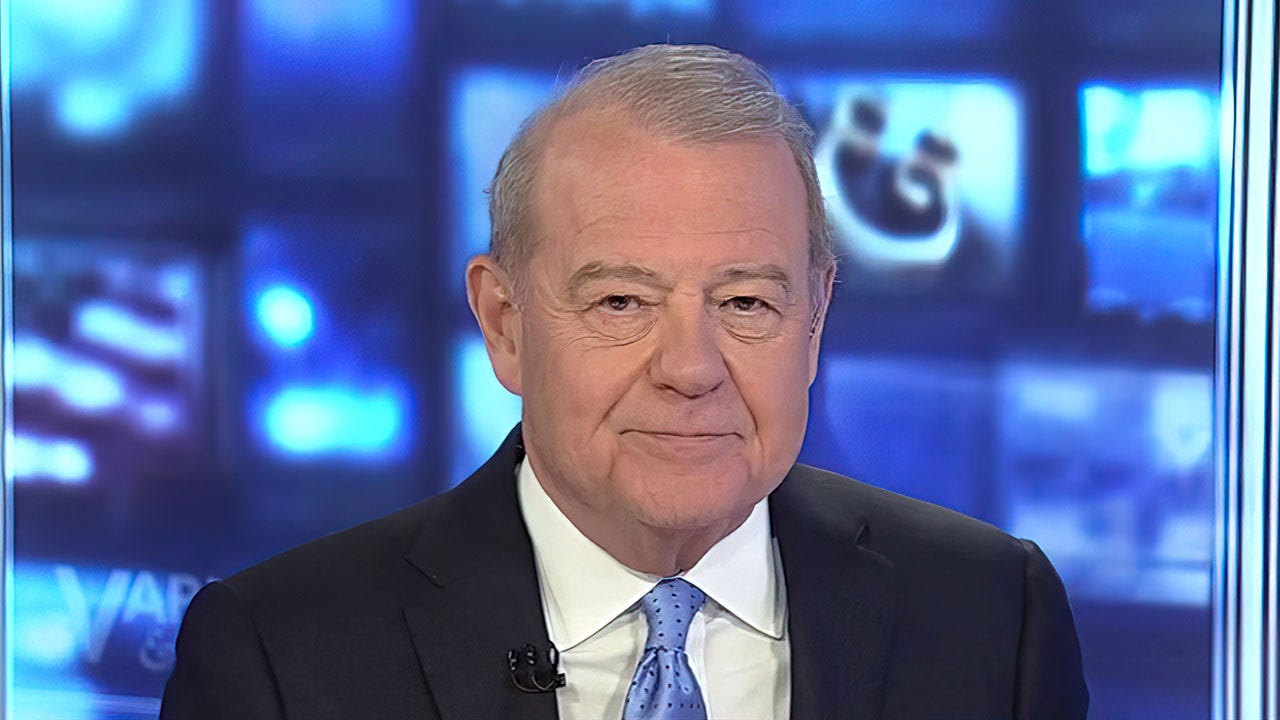
Stuart Varney reacts to a special counsel report questioning Biden's mental ability to serve a second term, highlighting Democrats' responses and a poll showing that 86% of all voters and 77% of Democrats believe Biden is too old for a second term. Varney argues that it's time to explain to Biden that he cannot serve a second term.
El Salvador's president, Nayib Bukele, known for his strongman style of leadership and support for Bitcoin, is heading for a second term amid concerns about his increasingly authoritarian tendencies and the rise of a "cult" of personality around him. Bukele's administration has faced criticism for its crackdown on political opponents and the judiciary, raising fears about the country's democratic institutions.
UBS strategists caution that investors may be mistakenly assuming a second Trump term would mirror the first in terms of market performance, pointing out that the current economic and market conditions differ significantly from those at the start of Trump's first term. They expect a partial extension of Trump's 2017 tax cuts and anticipate a Republican sweep initially favoring financial markets, but with smaller long-term gains compared to Democratic sweeps.