Historically, December has been a mixed month for Bitcoin, with average gains around 4.8% but a median decline of 3.2%, and recent patterns suggest that if November and October are negative, December likely will be too. Despite this, long-term investors are advised to view seasonal dips as opportunities to accumulate Bitcoin, given its finite supply and growing institutional adoption, rather than relying on seasonal rallies. Caution is recommended if macroeconomic conditions worsen, but a disciplined, dollar-cost averaging approach can help manage risks and capitalize on future gains.
A study suggests men born in summer are more likely to experience depression later in life, possibly due to environmental factors like sunlight exposure during pregnancy, though more research is needed to confirm these findings.
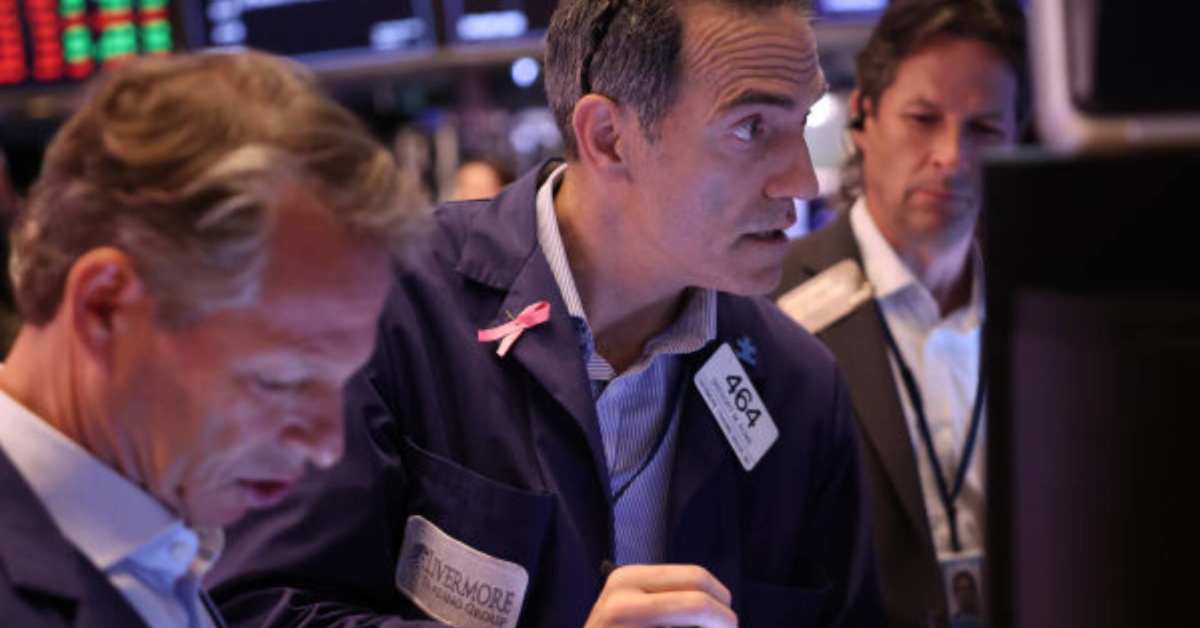
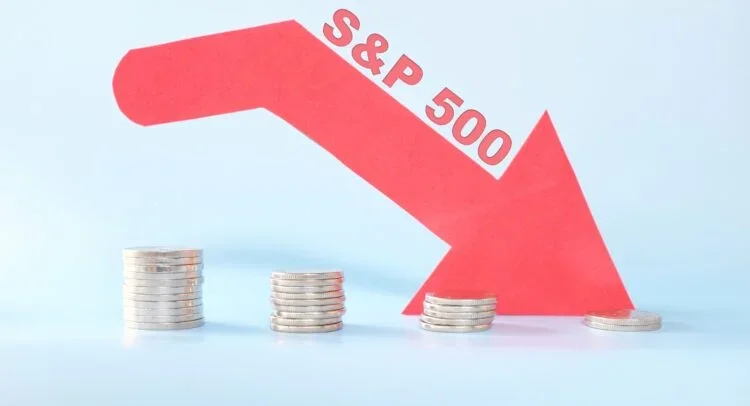
The stock market has performed well recently, with the S&P 500 up nearly 20% since April, but August is historically a weaker month for stocks, especially in post-election years. Factors like valuations, economic data, trade deals, and Federal Reserve policies will influence future performance, and investors should consider adjusting their strategies accordingly.
Gas prices in the US have been falling or remaining steady for the past 10 weeks, reaching a national average of just below $3.25 per gallon. The decline can be attributed to a combination of factors, including a seasonal dip in demand, a switch to cheaper winter blend gasoline, easing inflation, and declining oil costs. However, the global energy market remains volatile, and future gas price fluctuations are uncertain. While the downward trend is expected to continue into the New Year, potential cuts from major oil-producing countries and geopolitical events could impact prices. Currently, Texas, Mississippi, and Georgia have the lowest gas prices, while California, Hawaii, and Washington have the highest.
Bitcoin reached its highest price in over a month, surpassing $28,000, with analysts attributing the gains to optimism surrounding ETFs and seasonality. Other cryptocurrencies also saw increases, including ether, bnb, cardano, and polygon. Meanwhile, FTX founder Sam Bankman-Fried is set to begin his trial, where he will defend himself against allegations of defrauding customers and business partners. Additionally, Deus X Capital, a family office-backed investment firm, has launched with $1 billion in assets and Tim Grant as CEO.
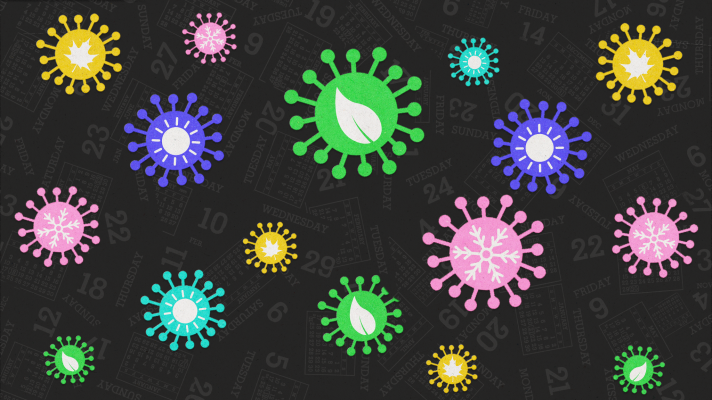
Experts say it is too soon to declare that Covid-19 has achieved seasonality, as spikes in cases have not occurred at the exact same time from year to year and may be influenced by human behavior and immunity. Factors such as changes in environmental conditions, anatomical responses, and behavioral shifts contribute to the seasonality of viruses like the flu, but the knowledge gaps for Covid-19 are still significant. Understanding the stability and behavior of the virus could help in planning for vaccines, treatments, and hospital staffing. Building a similar infrastructure to the one used for the flu could aid in predicting and preparing for future Covid-19 surges.
The historically weak third quarter for U.S. stocks may set the stage for a potential rally in the fourth quarter, which has historically been the best quarter for the stock market. Despite recent market volatility and concerns about rising bond yields and interest rates, some market strategists believe that a strong end-of-year rally is possible, especially if stocks have experienced declines in the previous two months. However, others caution that market fundamentals are pointing to a potential recession, which could dampen the usual seasonal strength.
Every infectious disease has some element of seasonality to it, and the factors creating seasonality aren’t the same for each. The seasonality of a disease can be affected by the weather, the behavior of vectors that carry it or human behavior itself. Climate change is likely to have big impacts on infectious diseases, and that those impacts are going to vary widely from place to place and disease to disease. The fact that we know diseases are seasonal could give us some powerful tools to protect people.