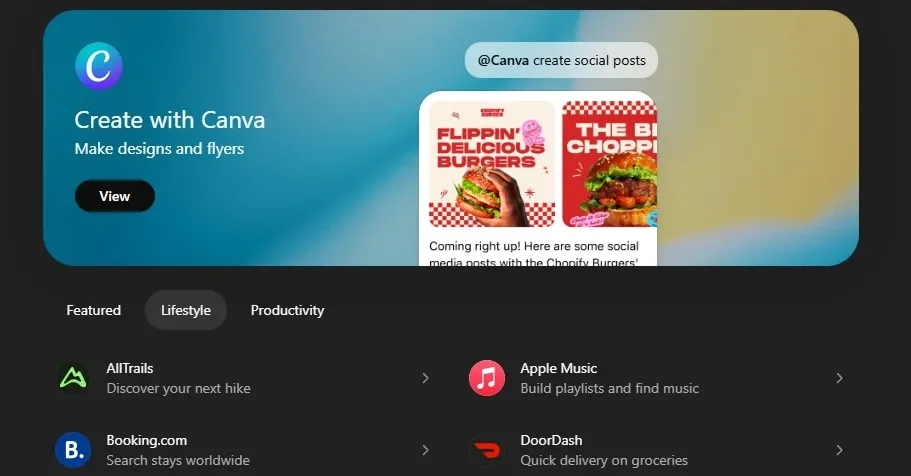
OpenAI has launched an App Directory for ChatGPT, allowing users to browse and integrate various tools and apps directly within the chatbot, including new features like an app store, renamed connectors, and integrations with services like Spotify, Zillow, Apple Music, and DoorDash, aiming to enhance functionality and explore monetization options.
Meta Connect 2025 hints at the launch of a smart glasses SDK, likely for its upcoming Hypernova HUD glasses, with developer sessions and reports suggesting new tools for third-party app development, possibly involving server-side integrations and enhanced local computing capabilities.
French AI startup Mistral has launched new services and an SDK to allow developers and enterprises to fine-tune its generative models for specific use cases. The SDK, Mistral-Finetune, supports multi-GPU setups and can scale down to a single GPU for smaller models. Mistral also offers managed fine-tuning services via API and custom training services for select customers. The company is seeking to raise $600 million at a $6 billion valuation as it faces increasing competition in the generative AI space.
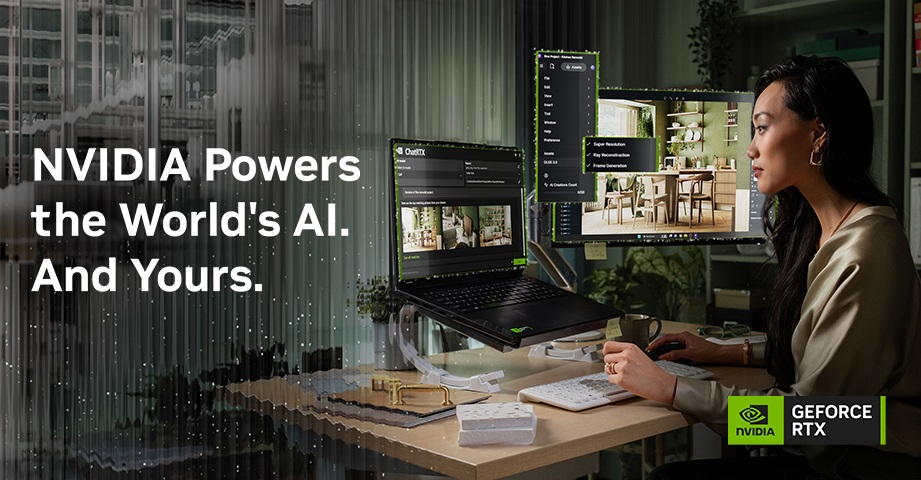
NVIDIA has announced several new technologies to enhance the AI PC platform, including the RTX AI Toolkit, AIM SDK, and ACE with NIMs. These innovations aim to accelerate AI capabilities on RTX GPUs, making AI experiences faster and more efficient. The new tools and updates will help developers deploy AI models more quickly and integrate advanced AI features into applications, solidifying NVIDIA's leadership in the AI industry.
Discord is launching a new Embedded App SDK on March 18, allowing developers to create experiences embedded within Discord chats. The platform is also reintroducing its app pitches program, offering funding for app ideas, and experimenting with technology to allow users to add apps to their accounts. These updates come after a recent round of layoffs and a partnership program with game developers to sell themed avatars and profile effects.
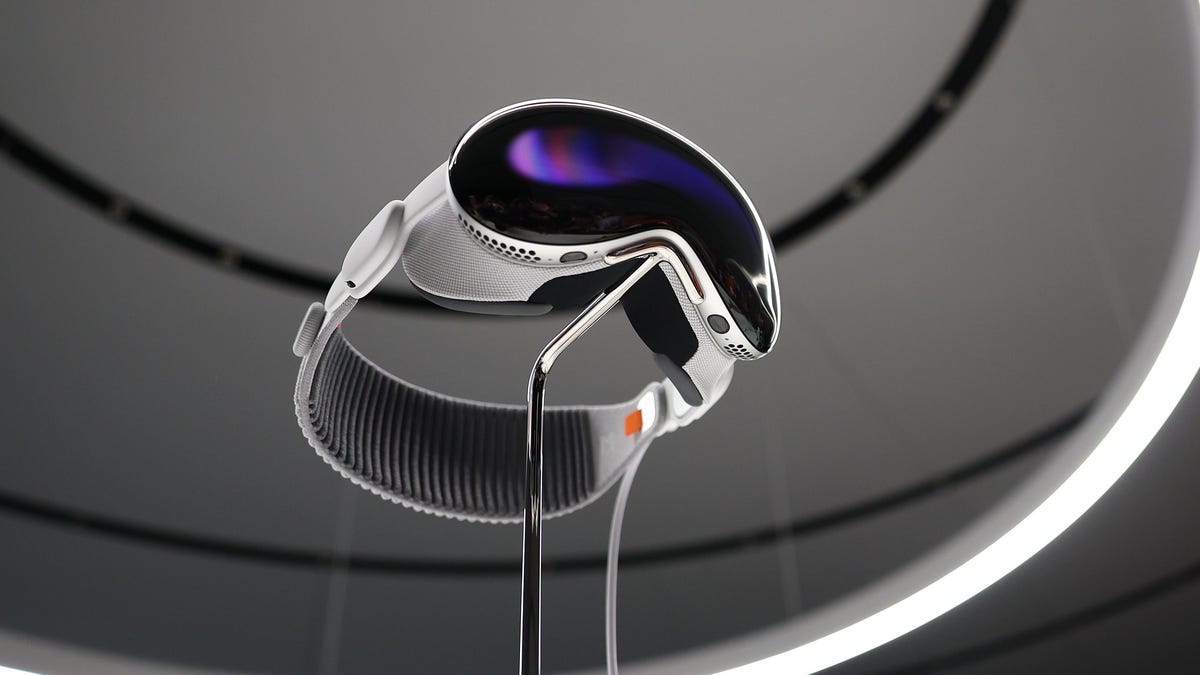
Apple Vision Pro, set to release in 2024, may have limitations when used at high speeds or in tight environments, with alerts warning users of unsafe speeds or proximity to objects. However, a "Travel Mode" will allow users to interact with the device on airplanes, albeit with limited inputs and the requirement to remain stationary. The visionOS SDK also revealed a Guest Mode and limited language support for the device. Developers can now download the SDK and apply for a developer kit, with labs opening in select cities for app testing.
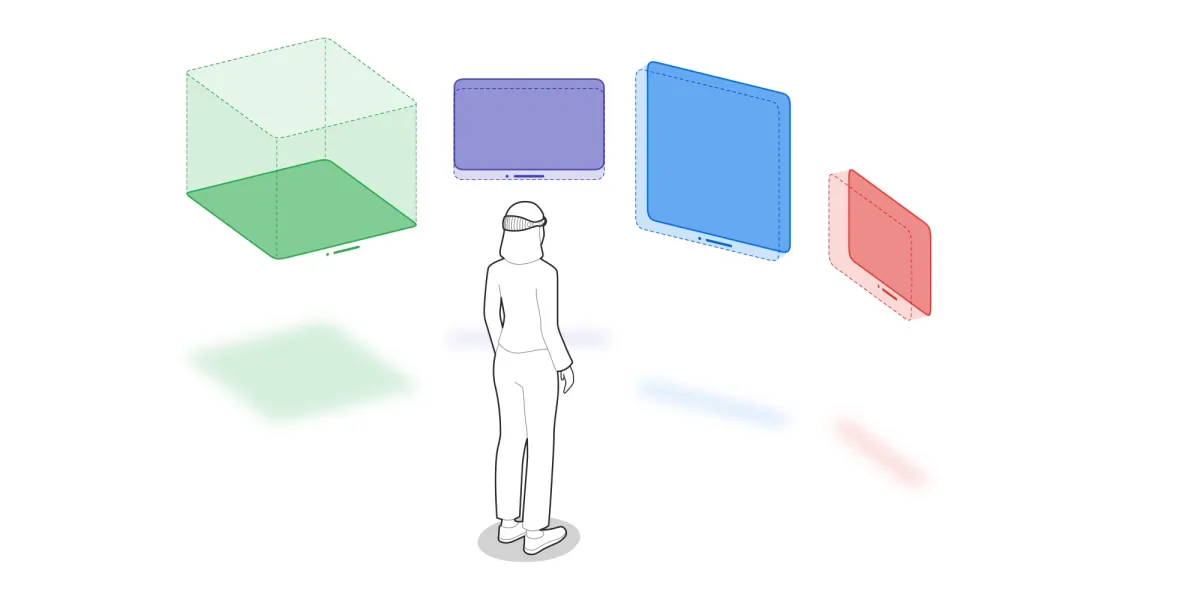
Apple has released the software development kit (SDK) for its upcoming Vision Pro headset, allowing developers to create their own "spatial experiences" for the device. The company will open development labs in several countries for testing apps on the hardware, and teams can apply for dev kits to test their apps next month. The headset will come with a macOS-like Control Center and Spotlight Search, as well as a virtual keyboard and emoji keyboard. Apple hopes to have a wide suite of third-party apps available at launch in 2024.
Apple has released its visionOS software development kit (SDK) for the Vision Pro headset, which is set to launch in early 2022. The SDK is built on top of the same basic framework as Apple's other operating systems, utilizing familiar dev tools, including Xcode, SwiftUI, RealityKit, ARKit and TestFlight. The company is hoping to lower the barrier of entry for existing developers and is introducing Reality Composer Pro to make it easier to preview 3D models, images, sounds and animation on the headset. Apple will also open developer labs in various cities next month to allow teams to test their apps on the hardware.
NVIDIA has released a new DLSS Super Resolution SDK update with performance, optimization, and stability improvements. The update also includes the Frame Generation plugin, which could open up to user-made integration by modders. NVIDIA has shared informative videos on its YouTube channel dedicated to fellow game developers. The company has also developed Shader Execution Reordering (SER) to optimize the GPU's workload by grouping threads that accomplish similar tasks. The implementation of SER in Cyberpunk 2077's RT Overdrive mode has shown a 42% improvement in GPU time.