
A scientific review suggests that CBD, a non-intoxicating compound in marijuana, shows significant potential as an anti-tumor agent across various cancers, including aggressive types like glioblastoma, by disrupting multiple cancer pathways. However, challenges such as poor absorption and delivery methods remain, and further clinical research is needed to confirm its efficacy in patients.
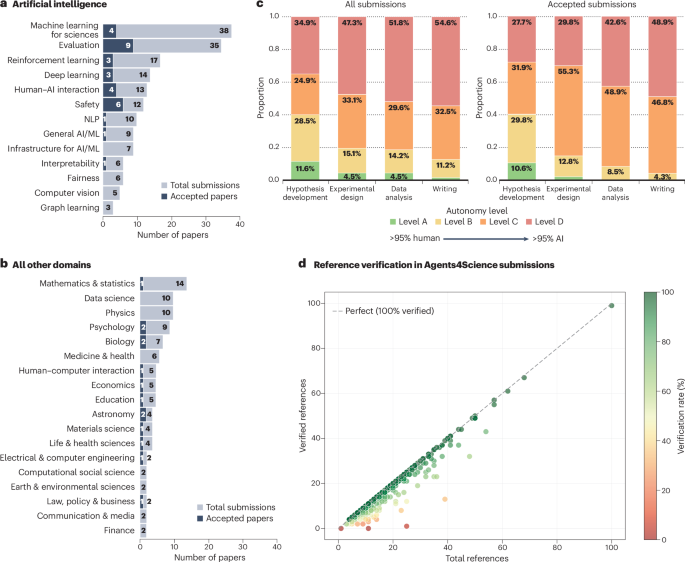
Researchers are increasingly using AI as 'co-scientists' in various research stages, including hypothesis generation and paper writing, but current publication policies often restrict acknowledging AI contributions, raising questions about AI's creativity and review capabilities in science.
A recent scientific review from Harvard and Mount Sinai has reignited debate over a potential, but unproven, link between Tylenol (acetaminophen) use during pregnancy and autism, amid broader political discussions about autism's causes.
A large scientific review involving 212 studies and 12,966 individuals confirms the numerous benefits of physical touch, including reducing pain, depression, and anxiety, as well as improving well-being. The analysis found that premature babies especially benefit from skin-to-skin contact, and individuals, regardless of health status, showed mental health benefits from touch. The study also revealed that the source of touch mattered for newborns, but not for adults.
A scientific review of 57 studies on popular happiness-boosting techniques, including mindfulness and meditation, found that while gratitude and socializing showed some benefits, there was no strong evidence to support the effectiveness of mindfulness in improving happiness. The review suggested that the perceived benefits of mindfulness courses may be attributed to participants feeling less lonely rather than any intrinsic mood-boosting effects. The authors emphasized the need for further testing and support for these practices, cautioning against overselling their benefits without sufficient scientific evidence.