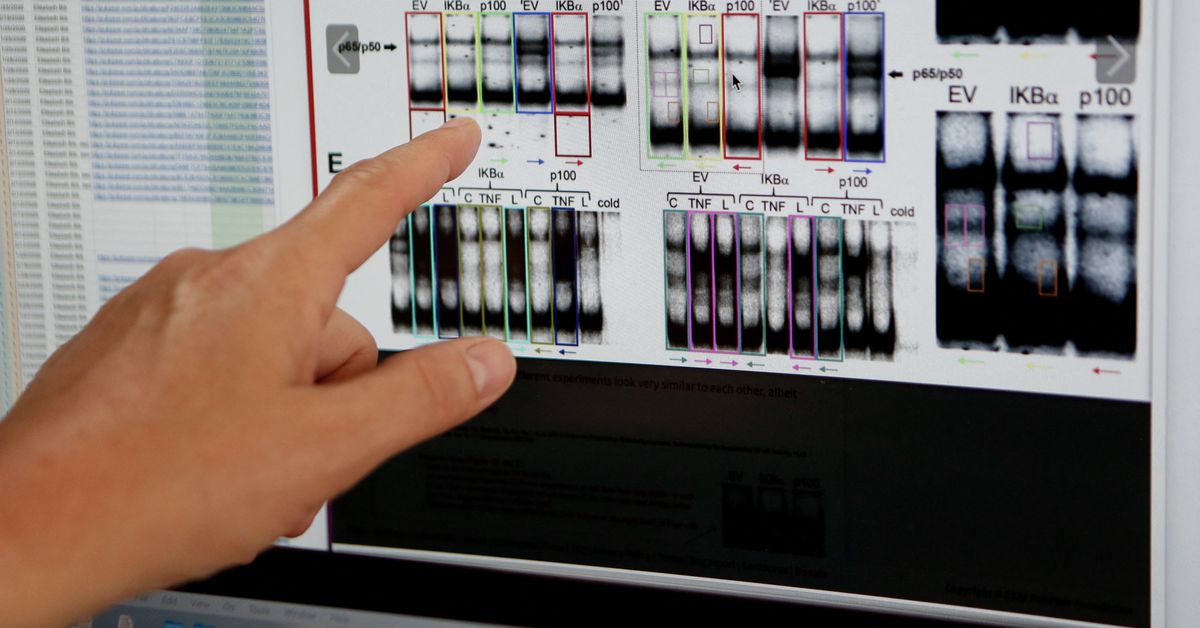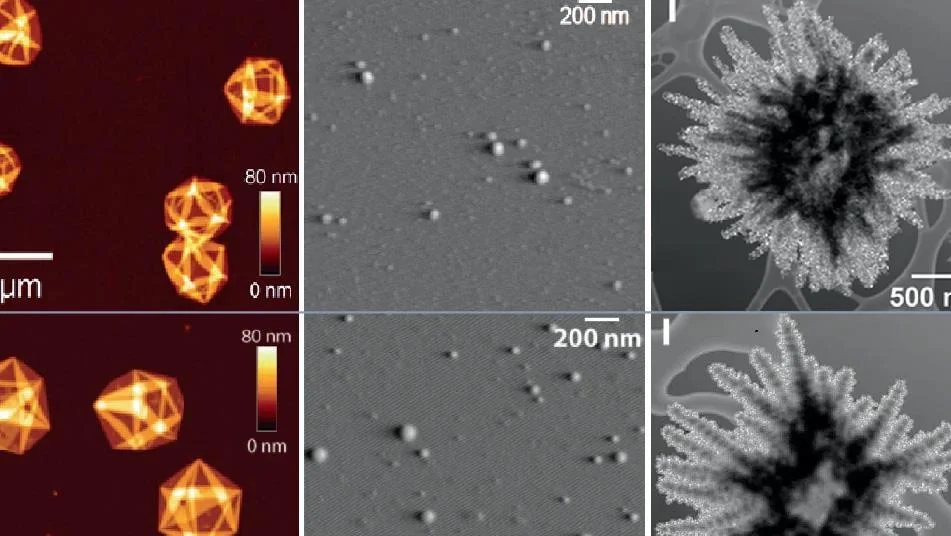
AI can now generate microscopy images indistinguishable from real ones, posing a significant risk of scientific fraud. Experts suggest measures like including raw data, reducing pressure for perfect images, and using AI detection tools to combat this emerging challenge, but current systems may not be sufficient to address the scale of the problem.
A new study highlights the widespread issue of fraudulent scientific research, with thousands of fake papers, often produced by paper mills and linked to unethical practices, polluting the scientific record and threatening trust in science. The study found significant collusion among some editors and authors, especially in countries like China and India, where publication pressure is high, and noted that current measures to combat this fraud are insufficient as the problem grows rapidly.
A 2025 study reveals that organized scientific fraud, involving large networks and paper mills, is rapidly growing and infiltrating reputable journals, threatening the integrity of science and leading to significant real-world consequences. Experts call for systemic reforms to combat this industrialized deception, especially as AI complicates detection efforts.
A study published in PNAS reveals that scientific fraud is increasing rapidly, doubling every 1.5 years since 2010, posing a serious threat to the integrity of scientific research.
Originally Published 5 months ago — by Hacker News
Scientific fraud has become a significant issue, with problems ranging from fabricated data in prestigious journals to fake papers from paper mills. The main causes include perverse incentives, power imbalances, and lack of oversight, leading to a culture where misconduct is common and often overlooked. This crisis undermines trust in scientific research, necessitating reforms such as stricter peer review, better oversight, and a cultural shift towards transparency and accountability.
A Northwestern University study reveals that organized scientific fraud, involving sophisticated networks and paper mills, is rapidly increasing, threatening the integrity of scientific literature and calling for urgent reforms in the research community.
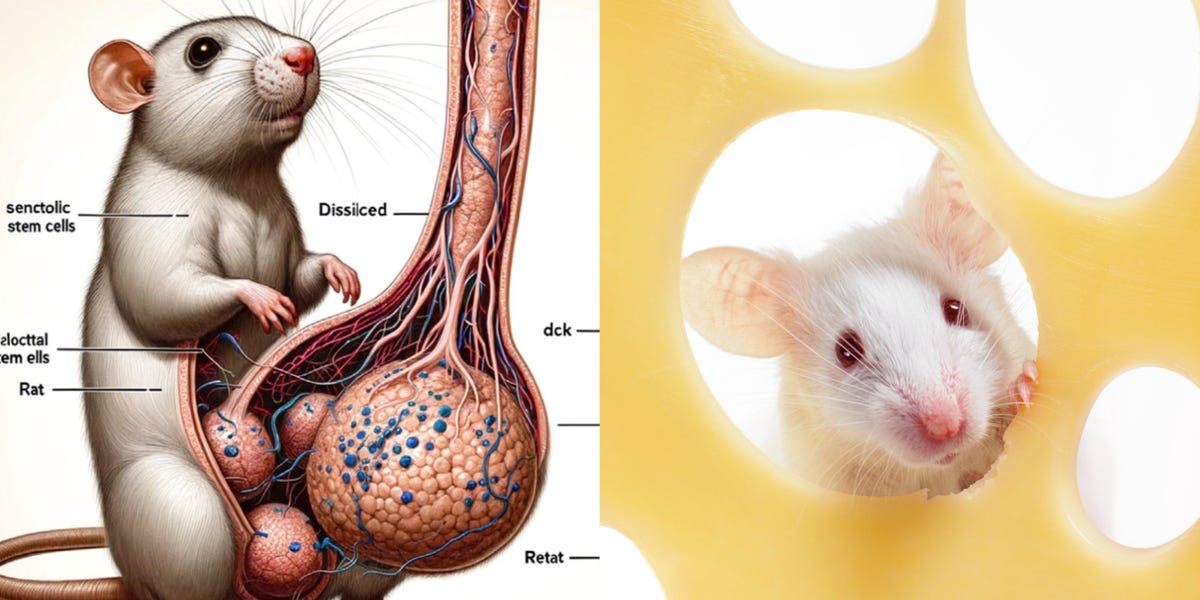
An AI-generated image of a rat with a giant penis in a scientific journal highlights the growing crisis of fake science plaguing the publishing business. The image went viral before the journal retracted the paper, shedding light on the challenges of peer review and the pressure to publish frequently. With an increase in fake papers and AI-generated content slipping through the cracks, there is a call for science institutions to evaluate researchers based on the quality, rather than the quantity, of their work.
E. M. Wolkovich, an associate professor, was accused of using ChatGPT to write a manuscript, leading to its rejection. She vehemently denied the accusation and highlighted the flaws in the peer-review process and the potential for AI to corrupt science unintentionally. Wolkovich emphasized the need for explicit standards on the use of AI in manuscript writing and plans to use version-control systems for all her writing to provide a clear paper trail.
Elisabeth Bik, a microbiologist turned data sleuth, has made it her mission to detect photo manipulation in scientific papers. Through her analysis of over 20,000 papers, she found that 4 percent of them contained manipulated images, raising concerns about the integrity of research findings. Bik's work, along with other data sleuths, highlights the need for better safeguards and specialized staff within scientific publishing to prevent flawed papers from being published. Despite the risks and challenges she faces, Bik believes in the importance of science and the need to trust but verify research findings.
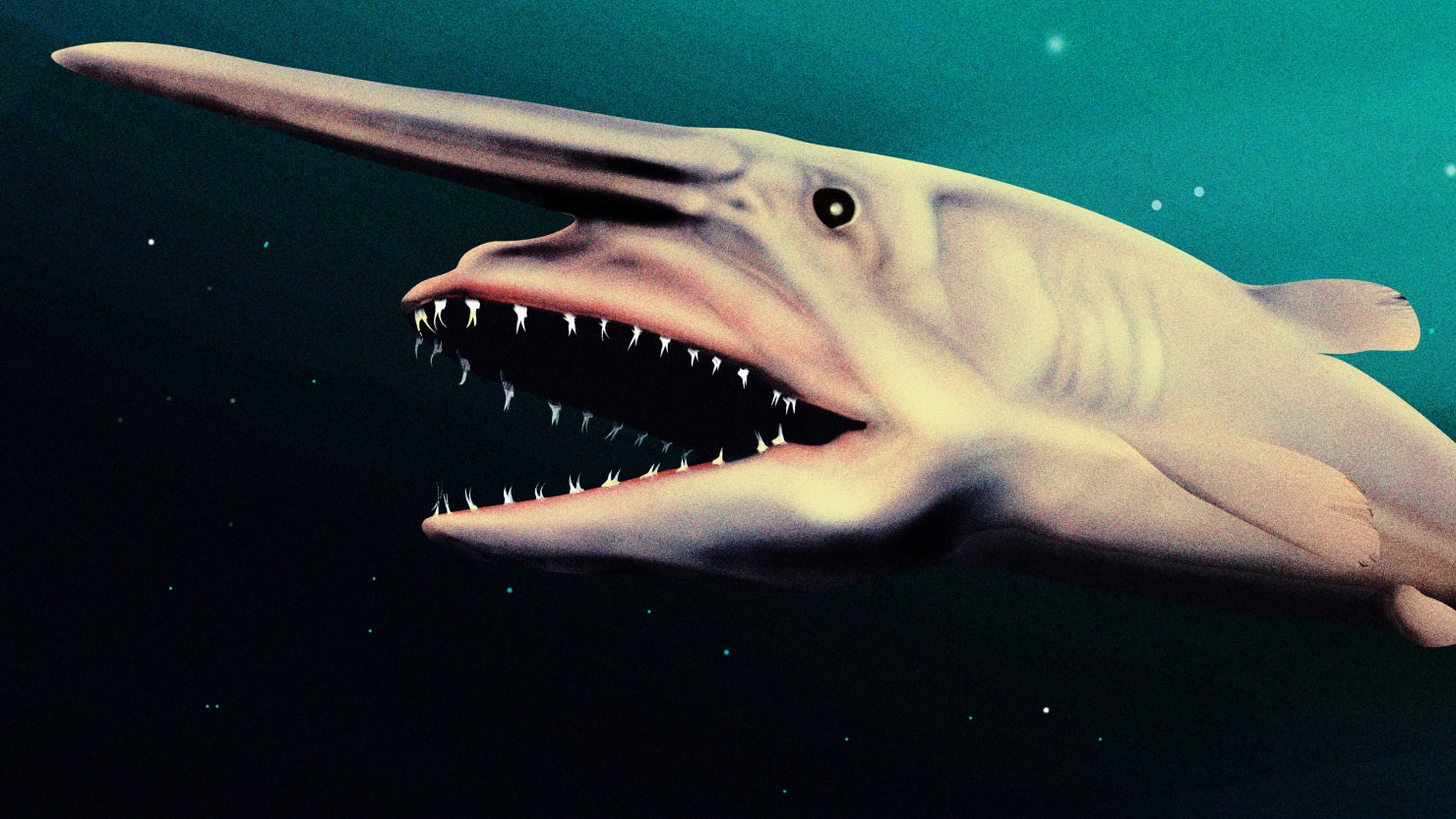
A controversy has arisen in the world of ichthyology over a photo of a goblin shark found on a Greek beach. Some scientists believe the photo is a fake, as the shark in the image bears an uncanny resemblance to a goblin shark model manufactured by Italian toymakers DeAgostini. The authors of the paper stand by their work, but other marine biologists have raised concerns about the specimen's lack of measurement scale and unusual features. The controversy highlights the importance of accurate scientific data and the potential consequences of false information.