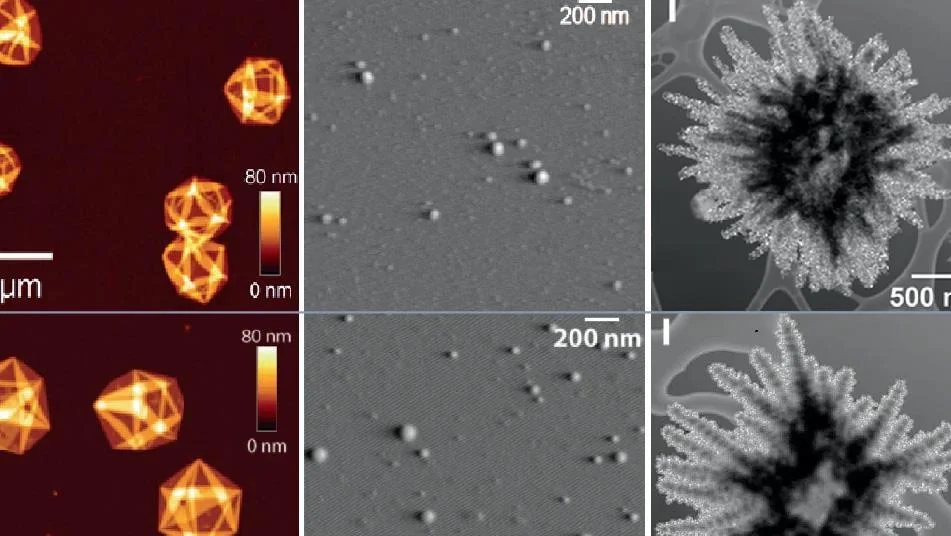
AI can now generate microscopy images indistinguishable from real ones, posing a significant risk of scientific fraud. Experts suggest measures like including raw data, reducing pressure for perfect images, and using AI detection tools to combat this emerging challenge, but current systems may not be sufficient to address the scale of the problem.
Artificial intelligence (AI) tools are proving to be more effective than human specialists at detecting duplicated and manipulated images in scientific research papers. Independent biologist Sholto David compared his own manual analysis of papers with an AI tool called Imagetwin and found that the software was able to identify almost all of the suspect papers he had flagged, as well as additional ones he had missed. Academic publishers are increasingly turning to AI tools like Imagetwin to address the problem of image manipulation in scientific papers, with some journals developing their own software for image checking. However, experts caution that AI should be used as a supplement to human expertise, as it can still miss certain types of image alterations.