China is secretly developing the world's largest optical telescope, the 14.5-meter LOT, on the Tibetan Plateau, which could revolutionize astronomical research and shift global scientific influence, with an expected operational date of 2030.
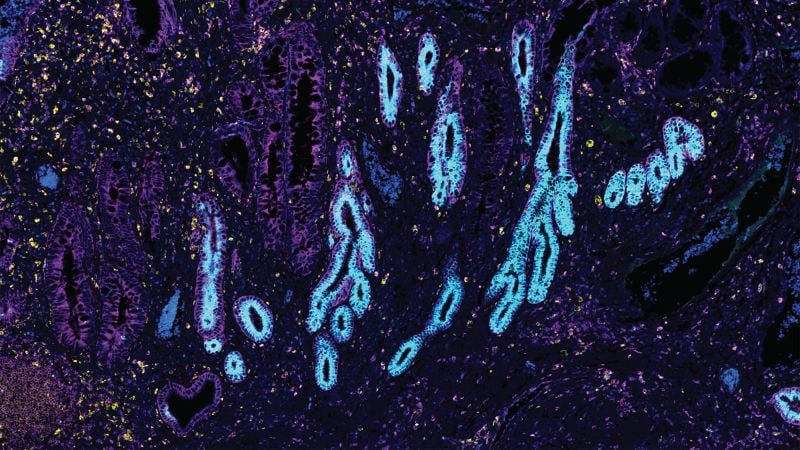
The Human Cell Atlas project, involving over 3,600 researchers from more than 100 countries, has made significant progress in mapping the human body's cells, akin to the Human Genome Project. This initiative has analyzed over 100 million cells from 10,000 people, revealing thousands of cell types and offering new insights into diseases and potential treatments. Recent findings include mapping the gut's cells, understanding the skeleton's formation, and identifying a new cell type in the respiratory tract. The project aims to complete its first draft by 2026, providing a comprehensive cellular map to enhance understanding of health and disease.
CERN's proposed €16bn atom smasher, the Future Circular Collider (FCC), is seen as essential for advancing our understanding of the universe and fundamental particles. The project aims to explore new frontiers in particle physics and could potentially uncover new phenomena beyond the Standard Model. Proponents argue that the investment is crucial for maintaining Europe's leadership in scientific research and technological innovation, while critics question the cost and feasibility of such a large-scale endeavor.