A British family from the TV show '22 Kids and Counting' was fined approximately $346 for taking their children out of school for a trip to Disney World, highlighting the UK's strict policies on unauthorized absences to ensure consistent education.
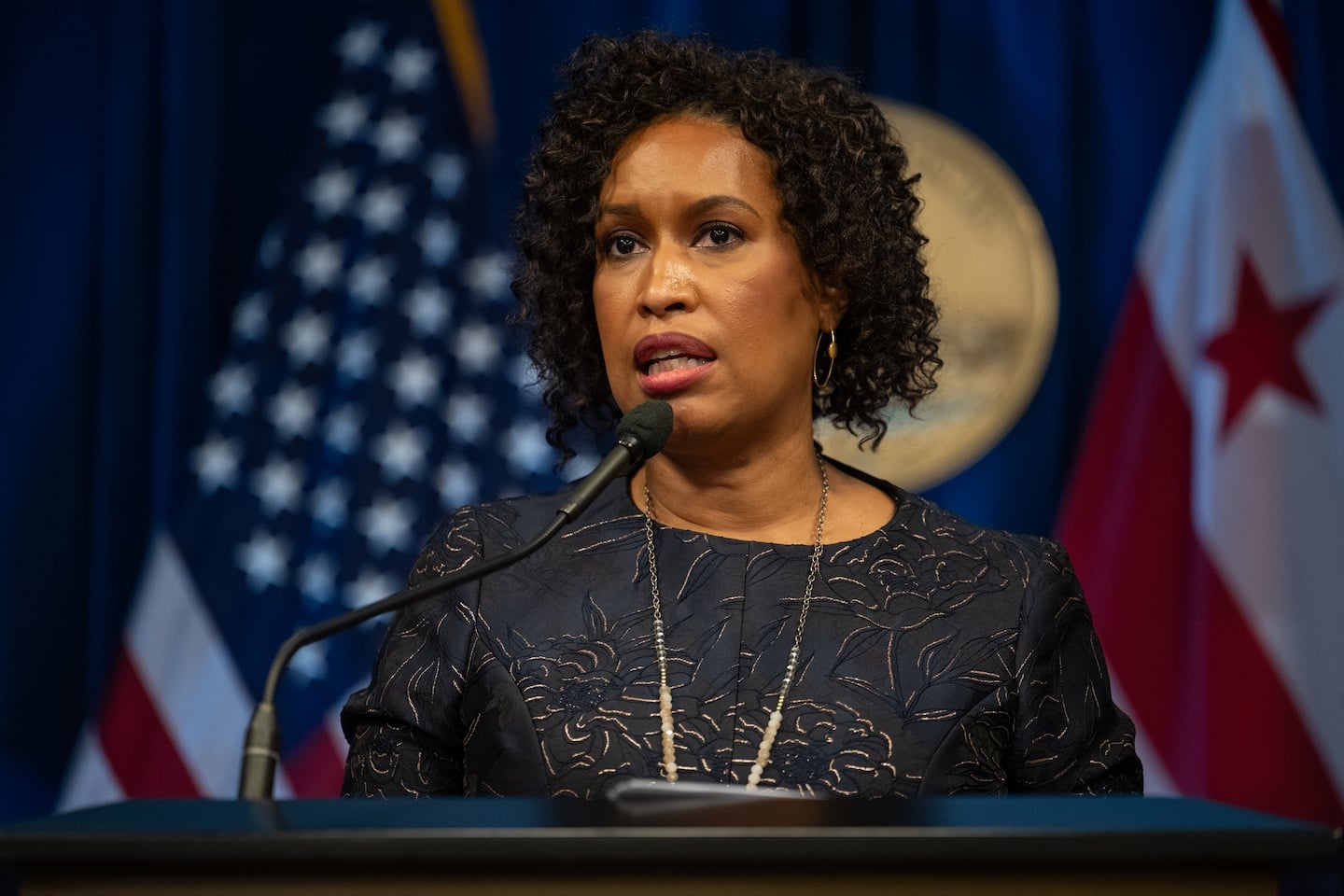
D.C. Mayor Muriel E. Bowser has introduced legislation aimed at addressing truancy and youth crime, mandating aggressive prosecution for certain offenses and limiting prosecutorial discretion. The bill would also allow middle school principals to suspend students for bringing drugs or weapons to school, create an alternative campus for students with severe behavioral problems, and modify the referral process for children with poor attendance. Critics argue that the proposed measures may not effectively address the underlying issues contributing to truancy and youth crime, and that punitive responses may not be the best approach.
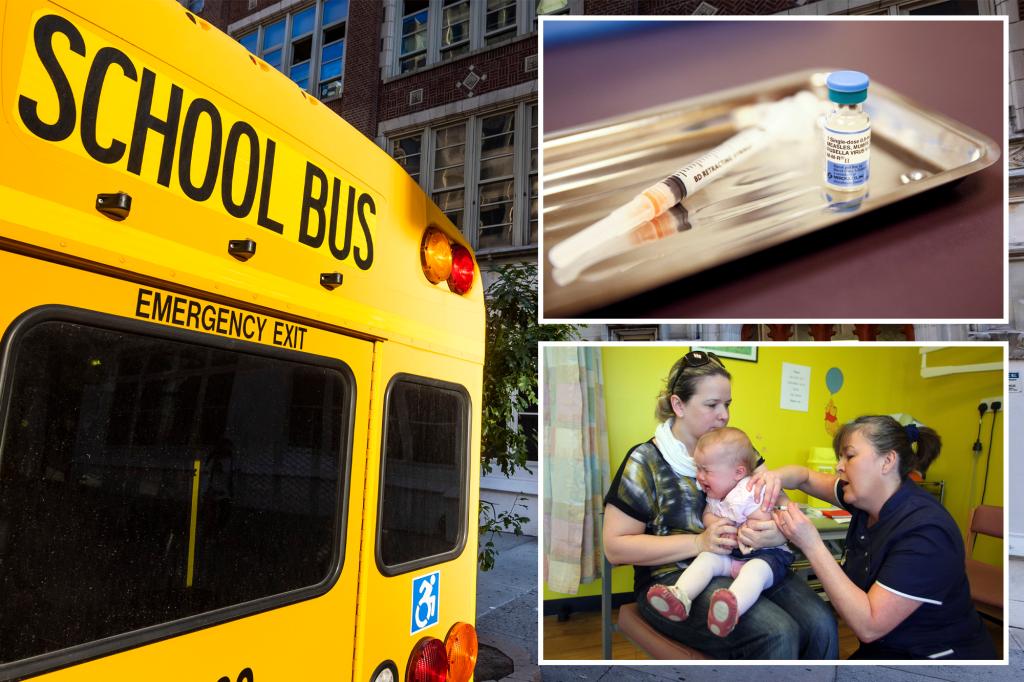
New York City students' immunization rates for vaccines required for school attendance are still below pre-pandemic levels, with 95.3% of students in grades pre-K–12 up to date with their mandatory shots, compared to 98.5% before the COVID-19 pandemic. Children ages 4-6 have the biggest gap in vaccine coverage, and vaccination rates are down between 2 to 16 percent compared to 2019. City health officials attribute the decline to delayed routine doctor’s visits during the pandemic and "vaccine misinformation and disinformation." The news comes amid rising measles cases in the country, with 41 cases documented across 15 states and New York City as of the end of February.
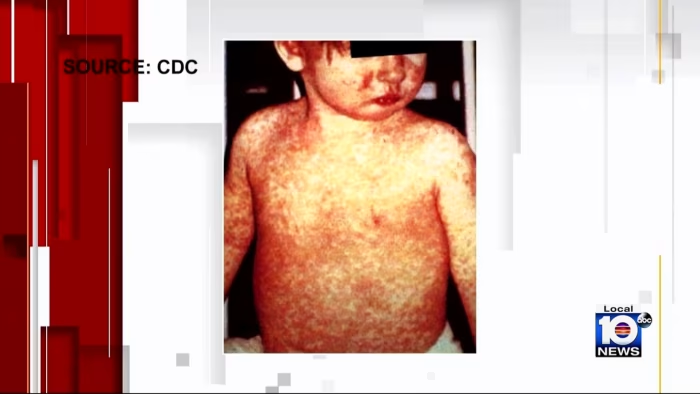
Amid ongoing measles outbreaks in Florida schools, the state's Department of Health has released an updated statement, deferring to parents to make decisions about school attendance despite CDC guidance for unvaccinated children to stay home for up to 21 days in the event of potential exposure. The agency noted that details of the investigations are confidential and criticized media outlets for reporting false information and politicizing the outbreak. Doctors have expressed support for measles vaccinations and cautioned against sending unvaccinated kids to school during an outbreak, while the school board is working with state and local health departments to address the situation.
Florida schools are grappling with a measles outbreak, with nine confirmed cases in Broward County and one in Polk County. Amid the outbreak, the state's Surgeon General has issued guidance allowing parents to decide whether to send unvaccinated children to school, sparking criticism from health officials and the American Academy of Pediatrics. The CDC recommends unvaccinated children to stay home for up to 21 days in the event of potential exposure at school, but the state is deferring to parents. Health officials are urging unvaccinated students to get the measles vaccine, as about 30% of students at one elementary school are unvaccinated.
Amid a measles outbreak in Florida, the state's surgeon general has allowed parents to decide whether to send unvaccinated children to school, deferring to their judgment despite typical CDC guidance for unvaccinated children to stay home for up to 21 days after potential exposure. The decision has sparked disagreement among medical experts, with some emphasizing the importance of vaccination and herd immunity in preventing the spread of measles, a highly contagious virus with potentially severe consequences. The guidance comes as the U.S. reports 35 measles cases across multiple states.
The number of measles cases at Manatee Bay Elementary in Broward County continues to rise, with 33 out of 1,067 students not vaccinated. The Florida Surgeon General has stated that the state is deferring to parents and guardians to make decisions about school attendance, despite the potential infectious window lasting until March 7. Broward Superintendent Peter Licata reassured parents that the school is safe for vaccinated children, but concerns remain as more than 20% of students were absent amid the outbreak. The local health department and school board members have expressed disappointment in the state's approach and called for more decisive measures to prevent the spread of the highly-infectious disease.
A systematic study has found that each year of education is linked to improved life expectancy, with the risk of mortality decreasing by 2% for every year of full-time education. Completing primary, secondary, and tertiary education is equivalent to a 34% reduction in the risk of death compared to those with no formal education. The study emphasizes the importance of education in improving health and reducing inequalities in global death rates, while also highlighting the potential impact of school attendance on future life expectancy.
More than 38% of Oregon students were chronically absent, missing at least three weeks of school in the 2022-2023 academic year, a higher rate than the previous year. Approximately 200,000 students were affected, putting them at risk of falling behind academically and not graduating. The problem was widespread across different types of schools, from wealthy suburban high schools to rural elementary schools. Oregon's chronic absenteeism rate worsened by 2 percentage points, while other states showed improvements. The pandemic's lingering effects, coupled with the absence of social support programs, were cited as contributing factors. Efforts to combat absenteeism include improving communication with parents and addressing the root causes of the issue.
Since schools reopened during the pandemic, record numbers of students in the US have been absent, with over a quarter missing at least 10% of the 2021-22 school year, making them chronically absent. An estimated 6.5 million additional students became chronically absent, with absences more prevalent among Latino, Black, and low-income students. Chronic absenteeism has devastating long-term consequences, including higher risks of learning difficulties and dropping out. Absences were influenced by various factors such as financial issues, housing instability, illness, transportation problems, school staffing shortages, anxiety, depression, bullying, and feeling unwelcome at school. The effects of online learning and disrupted school routines have also contributed to the increase in chronic absenteeism.
Since schools reopened during the pandemic, record numbers of students in the US have been absent, with over a quarter missing at least 10% of the 2021-22 school year, making them chronically absent. An estimated 6.5 million additional students became chronically absent, disproportionately affecting Latino, Black, and low-income students. Chronic absenteeism has long-term consequences, including increased risk of learning difficulties and dropping out. Absences were influenced by various factors such as financial instability, illness, transportation issues, anxiety, depression, and feeling unwelcome at school. The effects of online learning and disrupted school relationships have also contributed to decreased motivation for regular attendance. The post-COVID era has seen a change in the reasons for absenteeism, with students who already felt disconnected from school feeling further isolated. The impact of chronic absenteeism on students' education and well-being is a significant concern as schools work to recover from learning setbacks caused by the pandemic.