Tag

Learning Loss

All articles tagged with #learning loss

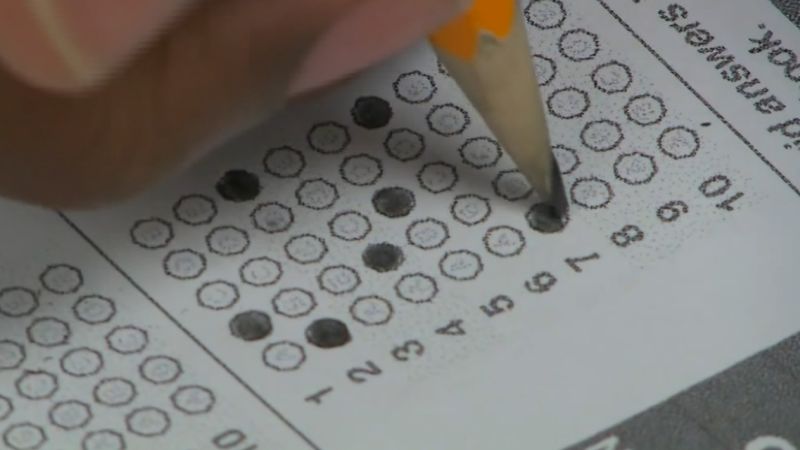
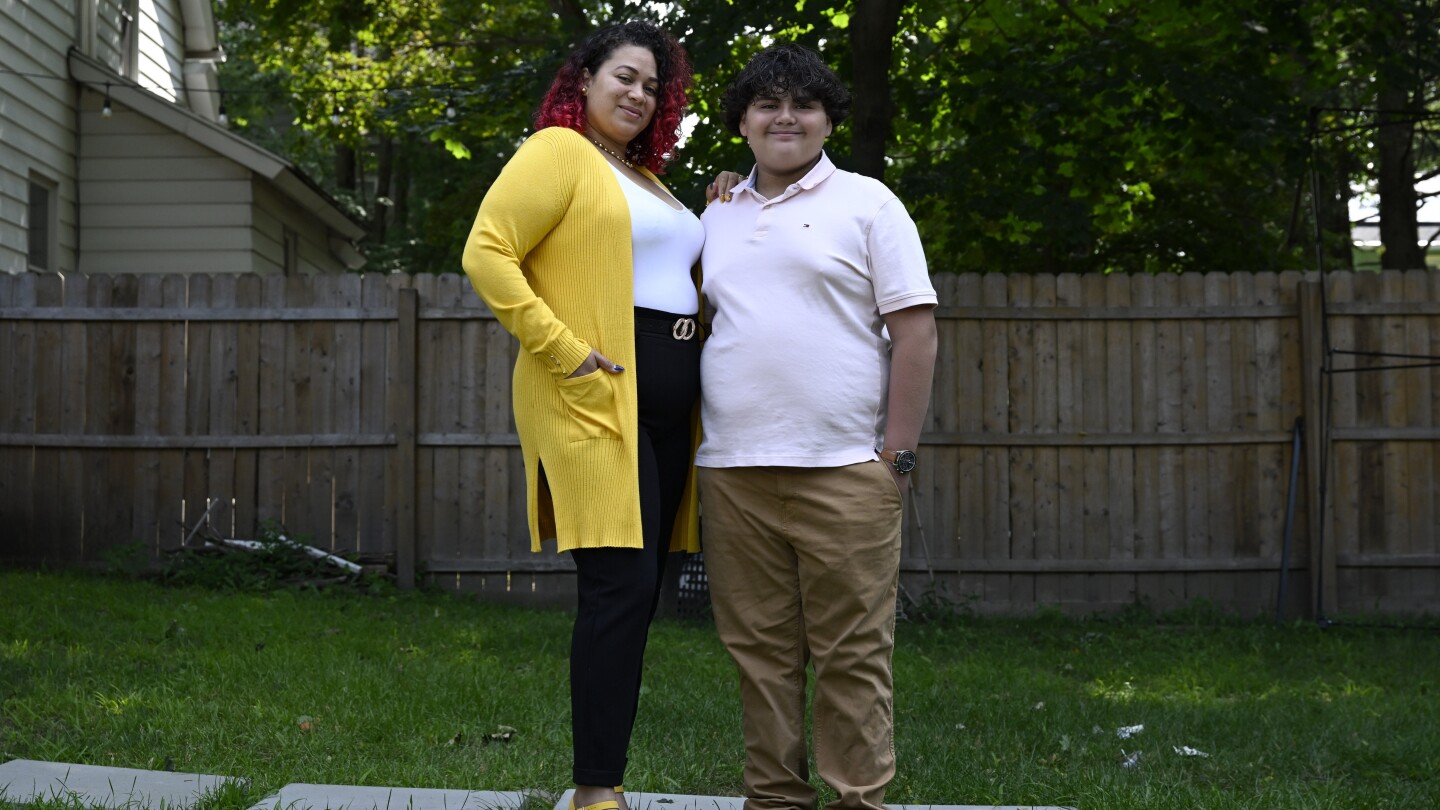
"Oregon's Lagging Pandemic School Recovery Compared to National Average"

Originally Published 1 year ago — by NPR

Featured image for "Oregon's Lagging Pandemic School Recovery Compared to National Average"
Source: NPR

Oregon schools are struggling to recover from pandemic-related academic setbacks, with students lagging behind in reading and math compared to national averages. The state's decentralized approach to interventions, such as tutoring and teacher training, is cited as a likely reason for the disparities in recovery efforts. While some progress has been made, challenges remain in addressing learning delays and providing effective support for students across the state.
"Newton Teachers Strike: Impact of 9 Missed School Days and NEA President's Support"

Originally Published 1 year ago — by CBS Boston

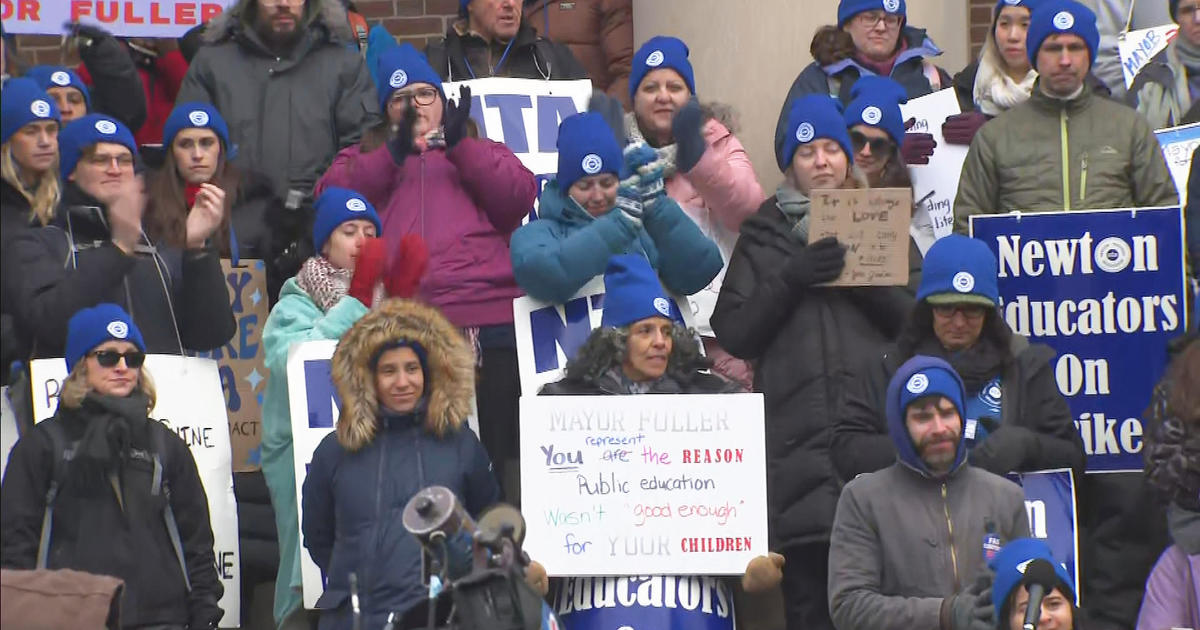
Featured image for "Newton Teachers Strike: Impact of 9 Missed School Days and NEA President's Support"
Source: CBS Boston

Newton schools remain closed for the ninth day due to an ongoing teacher strike, causing significant disruption and uncertainty for students. The school committee has offered a proposal including raises for teachers and aides, paid parental leave, and additional support staff, but the Newton Teachers Association feels the gap is still too wide. Mayor Ruthanne Fuller met with the union in a last-ditch effort, and the community is growing increasingly frustrated with the situation. The strike has resulted in fines for the NTA, and pressure is mounting for a resolution as families and city leaders express concern for the impact on students.

The Devastating Impact of COVID School Closures on Education

Originally Published 2 years ago — by Fox News

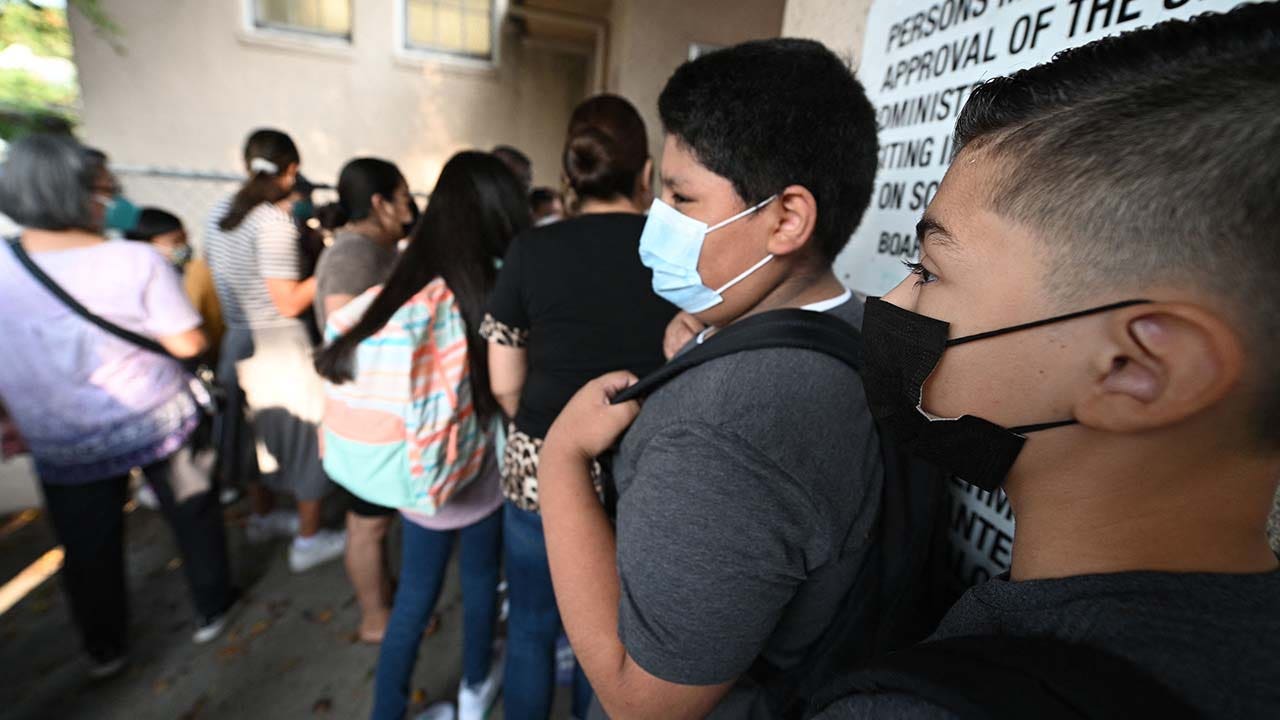
Featured image for The Devastating Impact of COVID School Closures on Education
Source: Fox News

The New York Times editorial board has published an editorial stating that the school closures implemented in response to the COVID-19 pandemic may be the most damaging disruption in the history of American education. The closures have resulted in significant learning losses, widened the achievement gap, and negatively impacted students' mental health. The editorial calls for urgent action from elected officials and the education community to address the long-term consequences of these closures, including providing federal aid and addressing the epidemic of absenteeism. The Times' stance on school closures has evolved, as it previously supported closures in 2020 but now acknowledges the detrimental effects they have had on students.

Tennessee's Solution to Pandemic Learning Loss: Potential Third Grade Retention for Struggling Readers

Originally Published 2 years ago — by CNN

Featured image for Tennessee's Solution to Pandemic Learning Loss: Potential Third Grade Retention for Struggling Readers
Source: CNN

Tennessee has implemented a new law requiring third graders who cannot read proficiently to be retained, aiming to address the severe learning loss caused by the Covid-19 pandemic. While some parents question the effectiveness of retention, studies have shown that extra support for retained students can lead to substantial gains in reading skills. However, critics argue that retention can have short-lived academic gains and increase dropout rates and bullying. Tennessee's law includes conditions for promotion, such as passing a retake of the test, attending summer school, and receiving tutoring. The long-term impact of the law is yet to be measured, but a similar law in Mississippi has shown promise in improving literacy outcomes.

"Alarming Decline: US Schools Witness Widespread Absenteeism, Impacting Millions of Students"

Originally Published 2 years ago — by The Associated Press

Featured image for "Alarming Decline: US Schools Witness Widespread Absenteeism, Impacting Millions of Students"
Source: The Associated Press

Since schools reopened during the pandemic, record numbers of students in the US have been absent, with over a quarter missing at least 10% of the 2021-22 school year, making them chronically absent. An estimated 6.5 million additional students became chronically absent, with absences more prevalent among Latino, Black, and low-income students. Chronic absenteeism has devastating long-term consequences, including higher risks of learning difficulties and dropping out. Absences were influenced by various factors such as financial issues, housing instability, illness, transportation problems, school staffing shortages, anxiety, depression, bullying, and feeling unwelcome at school. The effects of online learning and disrupted school routines have also contributed to the increase in chronic absenteeism.

Alarming Absenteeism: Widespread School Attendance Crisis Plagues US

Originally Published 2 years ago — by Yahoo News

Featured image for Alarming Absenteeism: Widespread School Attendance Crisis Plagues US
Source: Yahoo News

Since schools reopened during the pandemic, record numbers of students in the US have been absent, with over a quarter missing at least 10% of the 2021-22 school year, making them chronically absent. An estimated 6.5 million additional students became chronically absent, disproportionately affecting Latino, Black, and low-income students. Chronic absenteeism has long-term consequences, including increased risk of learning difficulties and dropping out. Absences were influenced by various factors such as financial instability, illness, transportation issues, anxiety, depression, and feeling unwelcome at school. The effects of online learning and disrupted school relationships have also contributed to decreased motivation for regular attendance. The post-COVID era has seen a change in the reasons for absenteeism, with students who already felt disconnected from school feeling further isolated. The impact of chronic absenteeism on students' education and well-being is a significant concern as schools work to recover from learning setbacks caused by the pandemic.

13-year-olds' math and reading scores continue to decline during pandemic.

Originally Published 2 years ago — by POLITICO

Featured image for 13-year-olds' math and reading scores continue to decline during pandemic.
Source: POLITICO

National test results show that math scores among 13-year-olds in the US have had the largest drop since assessments began in 1973, with a 9-point decline from 280 to 271. Reading scores also dropped by 4 points from 260 to 256. While the pandemic has exacerbated the decline, the results show that the decline began pre-pandemic. The Biden administration is encouraging states to use their American Rescue Plan funds to support academic recovery and learning loss. Some lawmakers argue that the results strengthen the case for school choice.

US 13-year-olds' math and reading scores hit record low.

Originally Published 2 years ago — by The Associated Press

Featured image for US 13-year-olds' math and reading scores hit record low.
Source: The Associated Press

Math and reading scores among American 13-year-olds have fallen to their lowest levels in decades, with math scores plunging by the largest margin ever recorded, according to the results of a federal test known as the nation’s report card. The results, released Wednesday, are the latest measure of the deep learning setbacks incurred during the pandemic. Especially alarming to officials were outsize decreases among the lowest-performing students. Students at all achievement levels saw decreases, but while stronger students saw slides of 6 to 8 points, lower performing students saw decreases of 12 to 14 points, the results show.