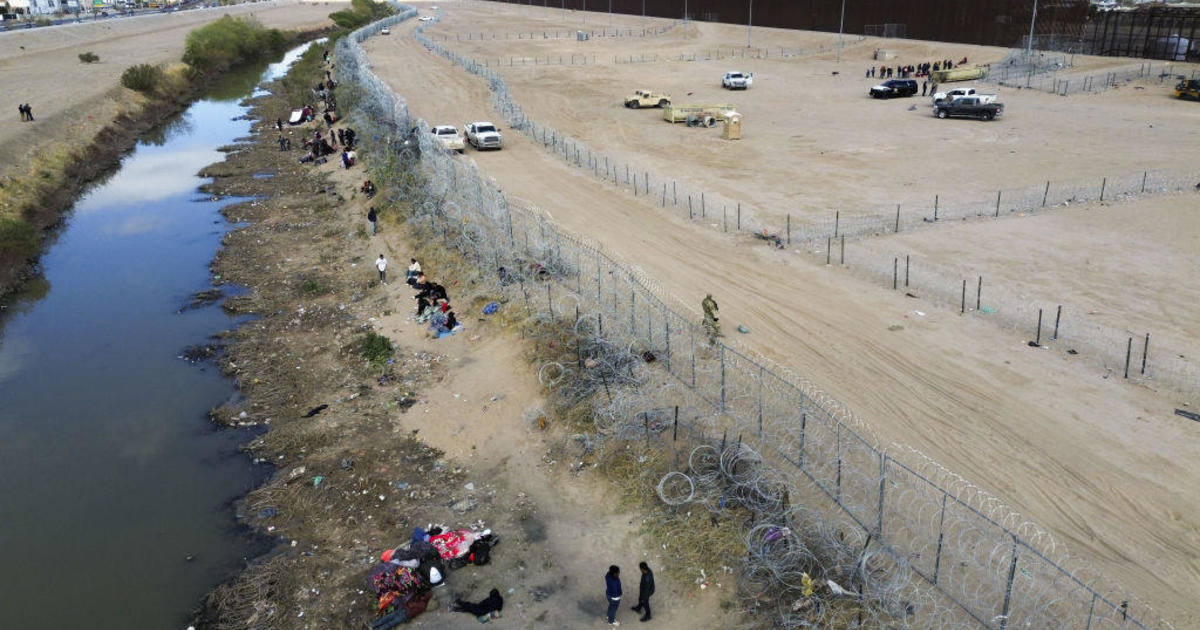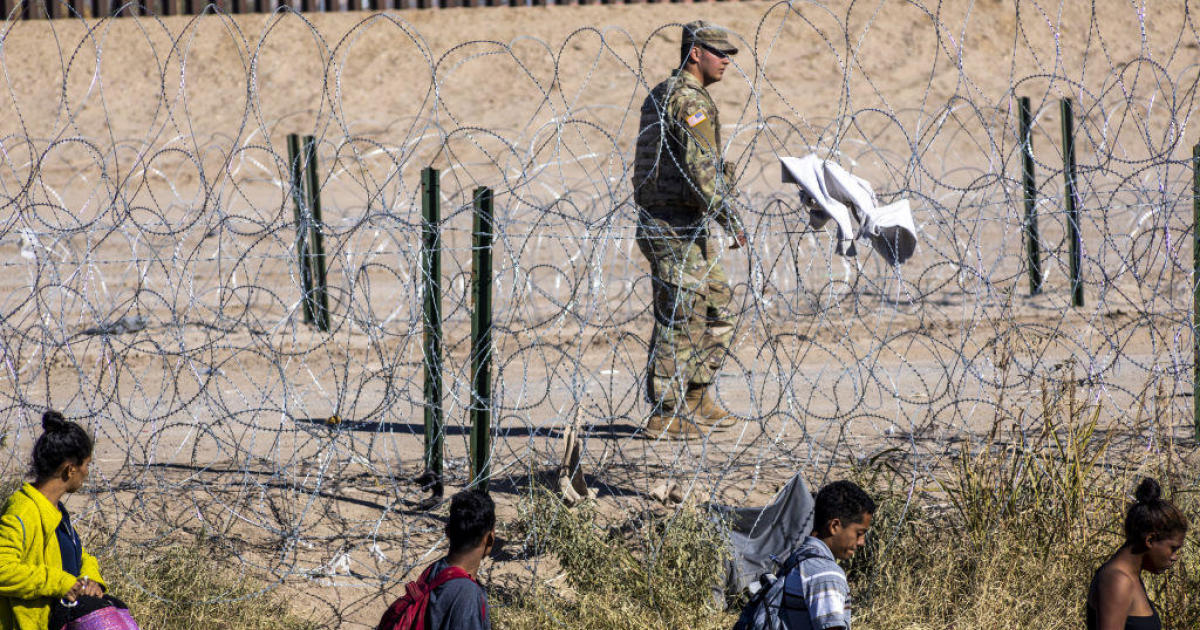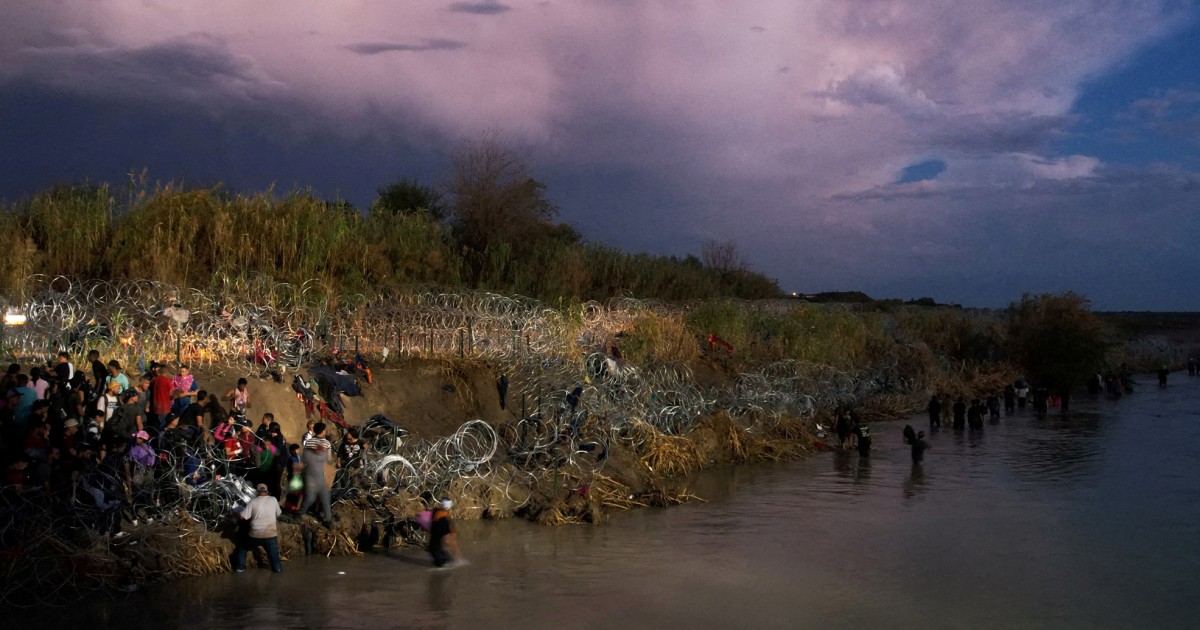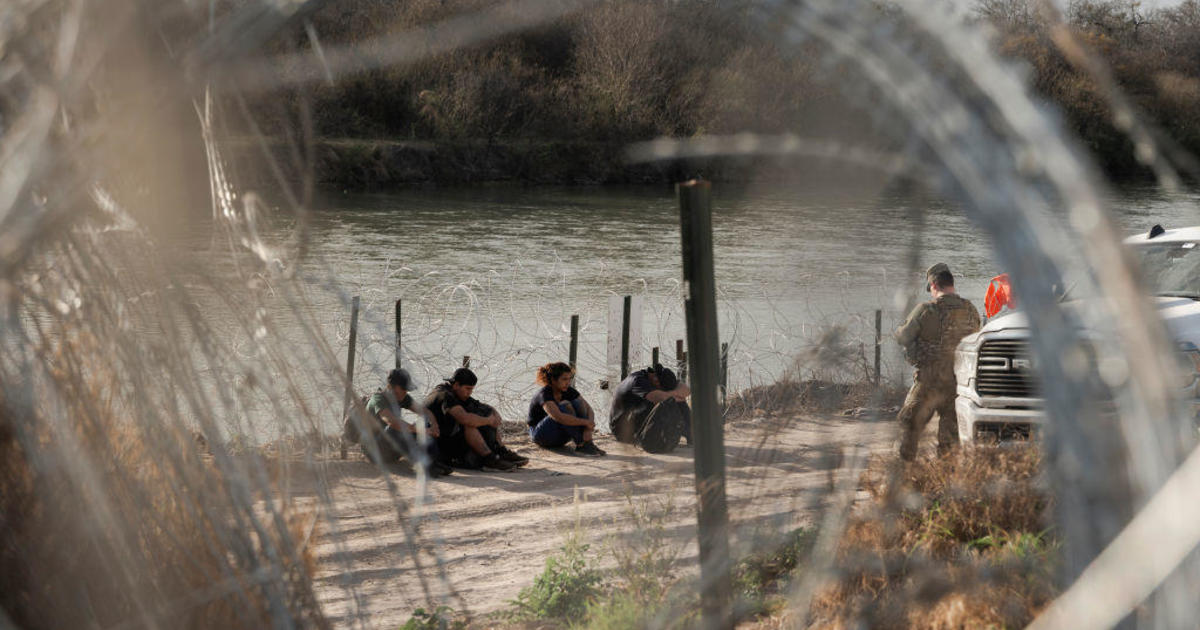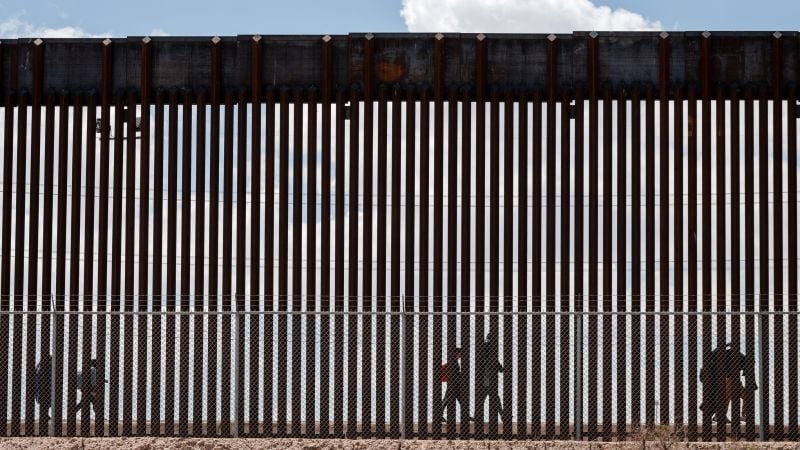
A Texas state lawyer admitted in federal court that the state may have gone "too far" with its controversial immigration law, SB4, which makes entering Texas illegally a state crime and allows state judges to order immigrants to be deported. The 5th US Circuit Court of Appeals is examining the statute, which has been temporarily paused, while the Texas Solicitor General argued that the law was an attempt to enforce federal immigration laws being ignored by the Biden administration. The court is considering whether to uphold the law, with one judge expressing skepticism and the Justice Department urging the court to maintain its previous ruling blocking the law.
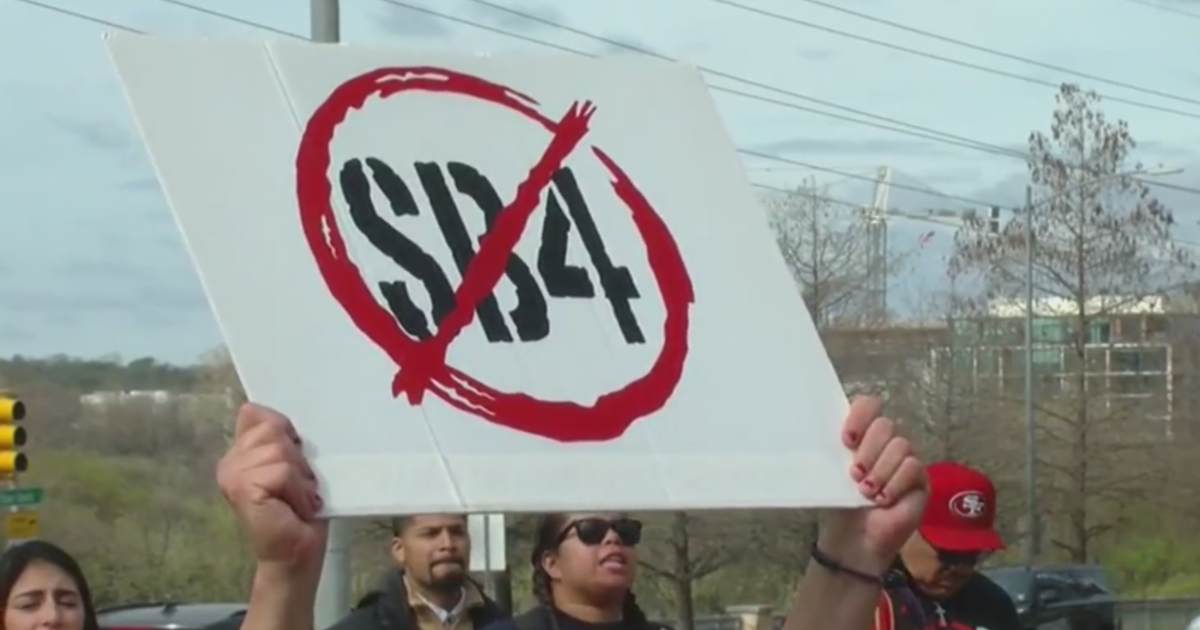
A federal appeals court has upheld the block on Texas' SB4 immigration law, preventing the state from arresting and jailing migrants under the contentious measure while it considers its legality. The 5th Circuit Court of Appeals denied Texas' request to suspend the lower court order that found SB4 unconstitutional and in conflict with federal immigration laws, and will hold a hearing on April 3 to further consider the law's lawfulness and constitutionality. The law, which criminalizes unauthorized immigration at the state level, has drawn criticism from migrant advocates, the Biden administration, and the Mexican government, with the latter denouncing it as "anti-immigrant" and vowing to reject migrants returned by the state.
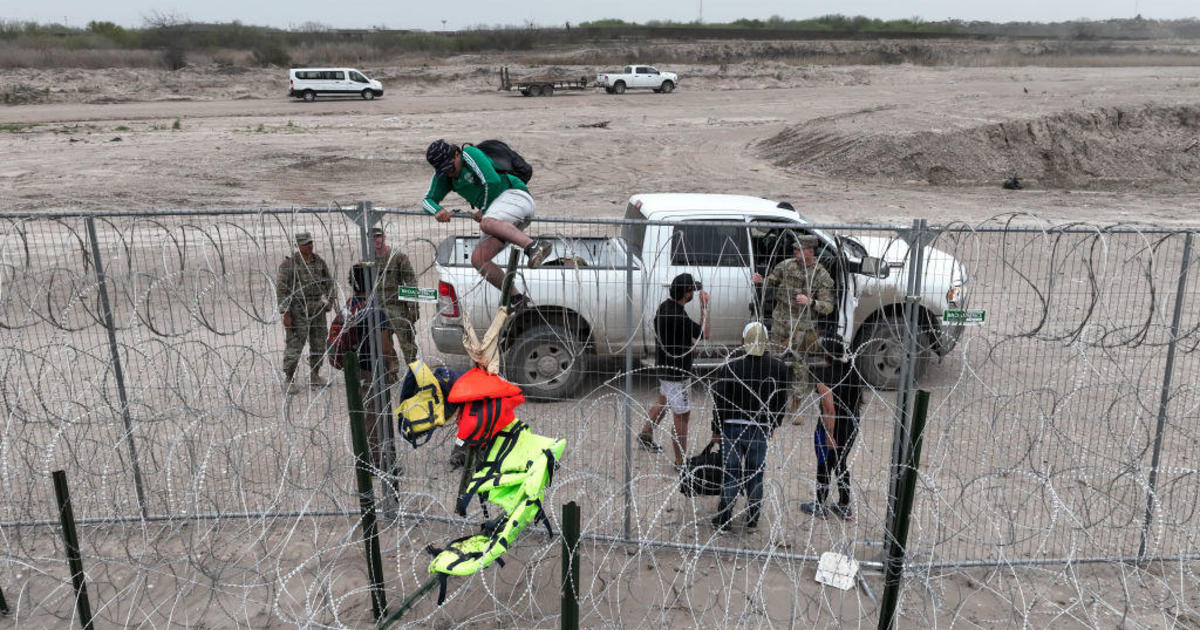
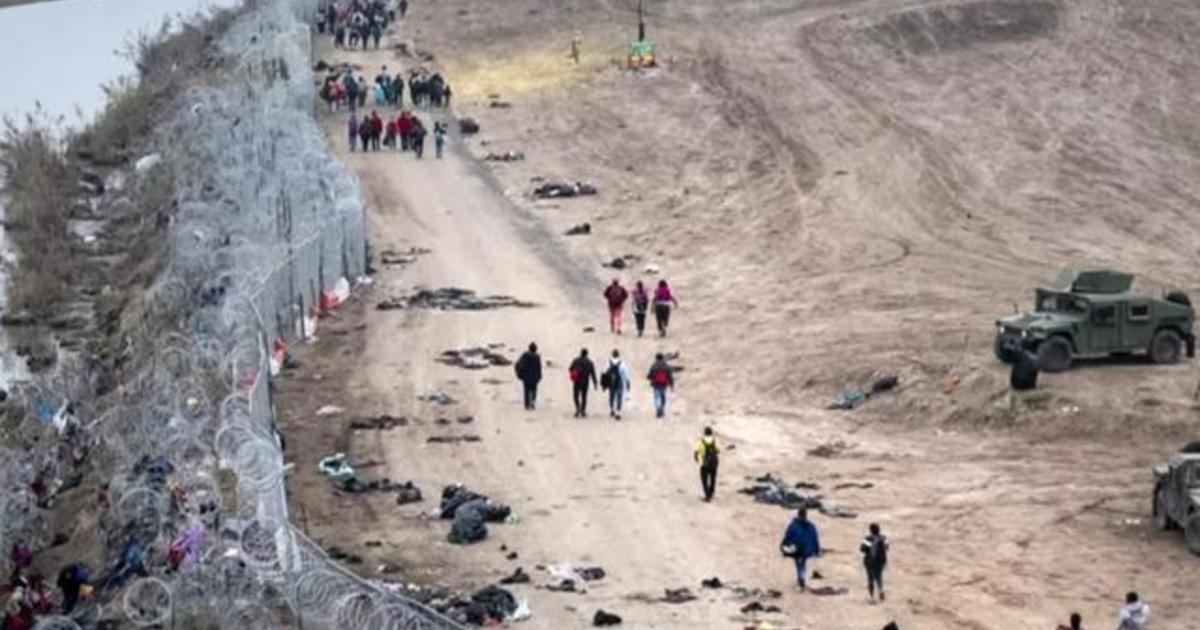
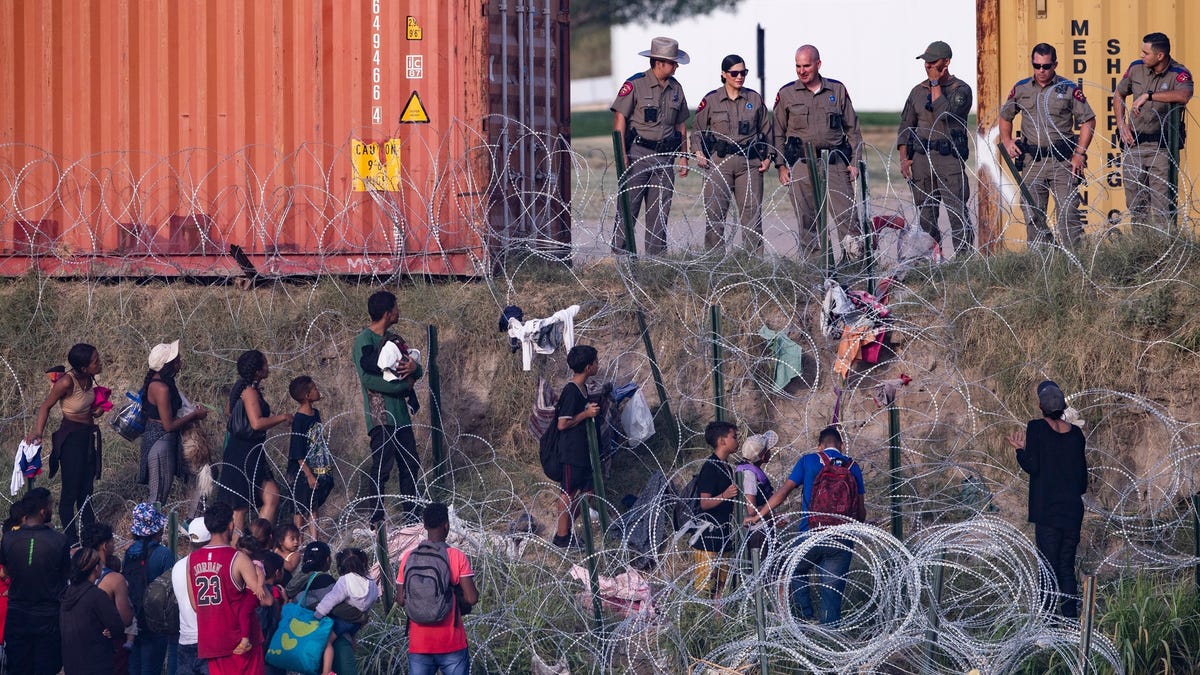
The Texas Department of Public Safety (DPS) clarified its enforcement plan for Senate Bill 4 (SB4), stating that if the law goes into effect, troopers would focus on arresting migrants crossing the Rio Grande and largely enforce the law in counties along the southern border. They would not check immigration status during traffic stops inland and would only arrest adults, while family units and children would be handed over to Border Patrol. The DPS's narrower enforcement plan applies only to state troopers, but they plan to provide guidance to law enforcement agencies across Texas.
The 5th Circuit Court of Appeals blocked Texas from enforcing its controversial immigration law, SB4, just hours after the Supreme Court allowed the state to arrest migrants. SB4 criminalizes unauthorized migration at the state level and grants law enforcement officials the power to detain and prosecute migrants on new criminal charges. The Justice Department has argued that SB4 conflicts with federal law and the Constitution, while Texas Governor Greg Abbott has positioned it as a necessary measure to discourage illegal immigration.
The Supreme Court has allowed Texas to enforce its controversial SB4 immigration law, which criminalizes unauthorized migration at the state level, while legal battles over its constitutionality continue. The law empowers Texas law enforcement to stop, jail, and prosecute migrants on illegal entry and reentry charges, and also allows judges to order migrants to return to Mexico. The Biden administration has argued that SB4 conflicts with federal law and the Constitution, while the liberal justices on the Supreme Court dissented from the ruling, warning of potential disruption to foreign relations and federal enforcement efforts.
Supreme Court Justice Samuel Alito extended an order pausing the enforcement of Texas' SB4 immigration law, which criminalizes unauthorized migration at the state level, on administrative grounds. The law allows Texas officials to detain and prosecute migrants for illegal entry and reentry, as well as order them to return to Mexico. The Biden administration has challenged the law, arguing that it conflicts with federal immigration laws and the Constitution. Governor Greg Abbott has defended SB4 as a necessary measure to deter illegal immigration, amid Texas' aggressive efforts to challenge federal immigration policies.
The Supreme Court has extended a temporary block on a new Texas immigration law, known as SB4, which allows police to arrest migrants who illegally cross the border from Mexico and imposes criminal penalties. The law was originally set to go into effect on March 10, but conservative Justice Samuel Alito has now extended the temporary freeze on three occasions, pending further order of the court. The Biden administration argues that the law is inconsistent with Supreme Court precedent, while Texas Attorney General Ken Paxton defends it as a means for the state to defend itself from transnational cartels. The law is now blocked indefinitely, giving the justices additional time to determine the next steps.
Supreme Court Justice Samuel Alito extended the pause on Texas' SB4 immigration law, which would allow state officials to arrest and jail migrants suspected of crossing the U.S. southern border without authorization. The law, one of the toughest state immigration laws in U.S. history, has been contested by the Biden administration, which argues that it interferes with federal immigration policy and conflicts with U.S. asylum law. The pause on enforcing SB4 has been extended through March 18, with the 5th Circuit scheduled to hear arguments on the law's merits on April 3.
The U.S. Supreme Court extends the pause on Texas' immigration-enforcement law, Senate Bill 4, until next week, following a new lawsuit challenging the legislation. The law allows local and state police officers to arrest individuals suspected of being in Texas without authorization and empowers local judges to order a migrant to return to Mexico. The lawsuit, filed by the ACLU of Texas and the Texas Civil Rights Project, challenges SB4 on behalf of several organizations and individuals. Additionally, a separate lawsuit filed by MALDEF and the National Immigration Law Center seeks to halt SB4 on behalf of four immigrants and current Texas residents who could be subject to arrest under the law.
The Supreme Court has temporarily blocked a new Texas immigration law, known as SB4, which would have allowed police to arrest migrants who illegally cross the border from Mexico and impose criminal penalties. The law is now on hold until March 13, giving the justices time to consider next steps. The Biden administration argued that the law is inconsistent with Supreme Court precedent and that state law is preempted in matters of immigration. The dispute is the latest clash between the Biden administration and Texas over immigration enforcement on the U.S.-Mexico border.
A federal judge has temporarily blocked Texas' Senate Bill 4, which would have allowed local police to arrest individuals suspected of being in the state illegally and authorized local judges to order someone to return to Mexico, regardless of their nationality. The judge ruled that the law is likely unconstitutional and conflicts with federal immigration law. The legislation, scheduled to go into effect on March 5, is now on hold as the case continues, with the state of Texas appealing the ruling. The plaintiffs, including the ACLU of Texas, cheered the decision, while Texas Attorney General Ken Paxton called the ruling "incorrect" and stated that his office appealed to the Fifth Circuit Court of Appeals.
A federal judge in Texas has blocked the implementation of the state's SB4 immigration law, which aimed to criminalize migrant crossings. The judge's ruling prevents Texas officials from enforcing the law, citing conflicts with federal law and the Constitution. Texas Governor Greg Abbott has vowed to appeal the decision, stating that the case may ultimately be decided by the U.S. Supreme Court. The law, signed by Abbott, would have allowed state officials to arrest and prosecute migrants crossing into the U.S. illegally, but critics argue it interferes with federal immigration enforcement and could lead to racial profiling.
The U.S. Department of Justice has filed a lawsuit against Texas and Governor Greg Abbott to prevent the implementation of Senate Bill 4 (SB4), a state law that allows for the arrest and deportation of migrants by state authorities. The federal government argues that SB4, which is set to take effect in March, infringes upon federal immigration authority and violates the Supremacy Clause of the U.S. Constitution. The Justice Department's action follows previous legal challenges against Texas' immigration policies and is part of ongoing disputes over state versus federal jurisdiction in immigration enforcement.
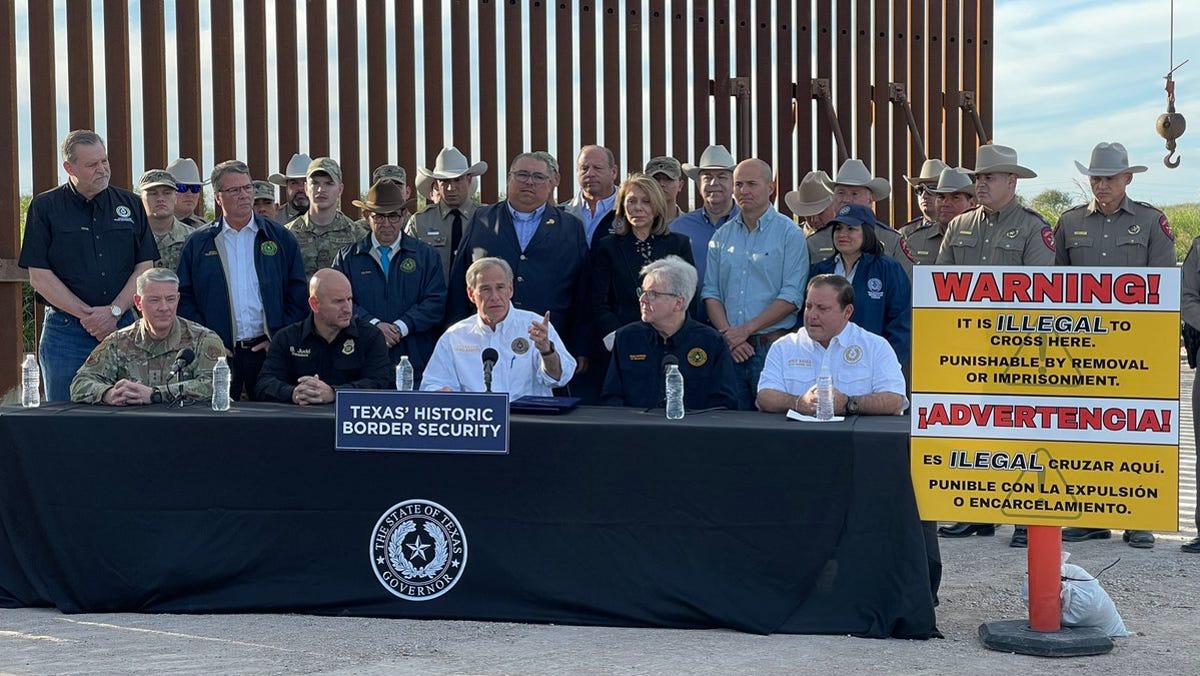
The U.S. Justice Department has sued Texas over its new border security law, SB4, which allows state and local law enforcement to arrest and prosecute migrants suspected of entering the U.S. illegally. The federal government argues that immigration enforcement is a federal responsibility and that the Texas law is unconstitutional. Texas officials, including Attorney General Ken Paxton and Governor Greg Abbott, defend the law, citing failures by the Biden administration to address illegal immigration. The lawsuit highlights the ongoing conflict between federal immigration policy and state-level initiatives.
The ACLU has filed a lawsuit challenging Texas Senate Bill 4 (SB4), a controversial law that empowers state law enforcement to detain and deport migrants entering or living in the U.S. illegally. The complaint argues that SB4 violates federal immigration powers and deprives immigrants of their rights under federal law. The lawsuit seeks to prevent the enforcement of SB4 before it takes effect on March 5. El Paso County, along with two immigrant advocacy organizations, is also part of the legal challenge. Critics argue that the law will disproportionately target Hispanic residents and U.S. citizens in Texas.