Under new Trump policies, US troops have increased patrols and military presence along the US-Mexico border to deter crossings, despite a significant drop in apprehensions, raising questions about the legality and morality of militarized zones and border enforcement strategies.
Texas is considering offering land for immigrant detention facilities as part of President-elect Donald Trump's mass deportation plans. Texas Governor Greg Abbott discussed using military resources to transport migrants and build facilities with Trump's incoming border czar. The state recently purchased land along the Rio Grande, which could be used for these facilities, although some officials suggest the land may not be suitable for such purposes. The Trump administration aims to expand detention centers to deport millions of immigrants.
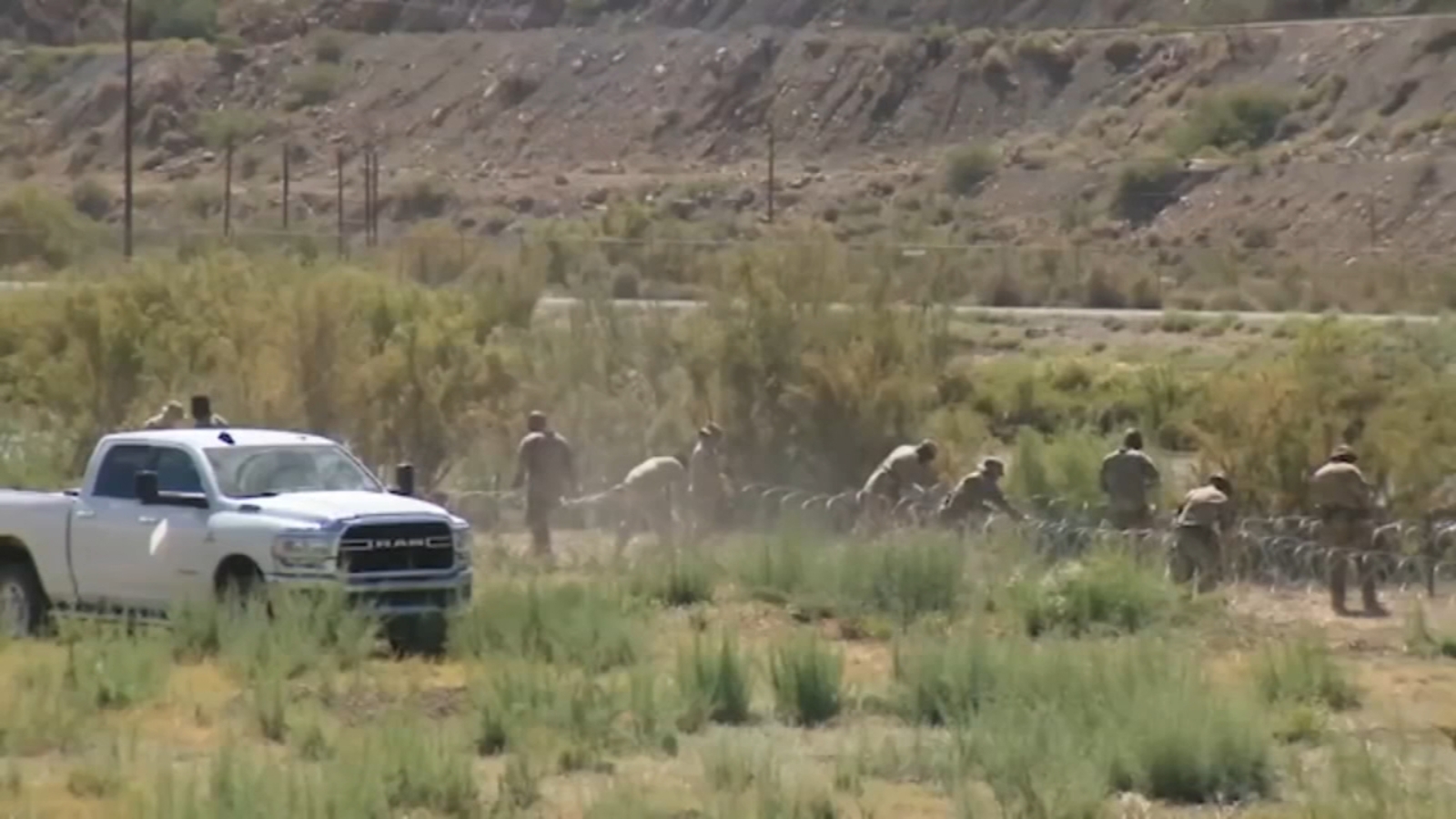
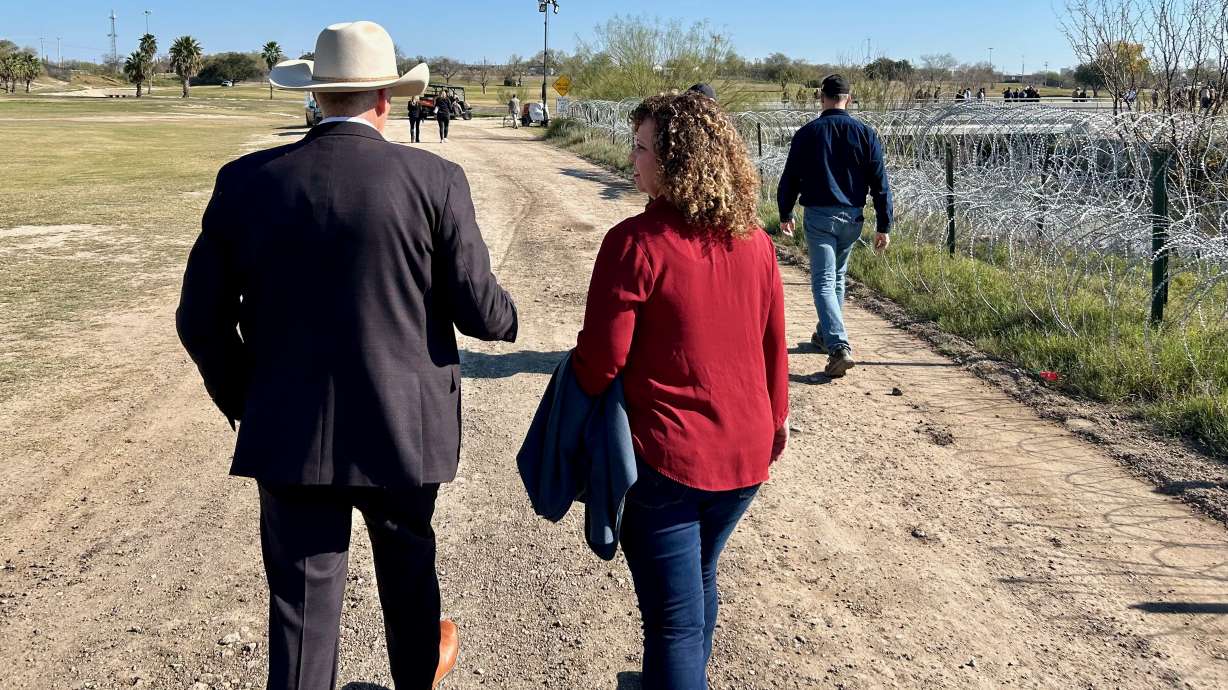
A federal appeals court has ruled that the federal government cannot destroy the razor wire fence Texas installed along the U.S.-Mexico border near Eagle Pass, reversing a lower court's decision. Texas Attorney General Ken Paxton praised the ruling as a victory for state rights, while activists criticized it as inhumane. The decision comes amid discussions between Mexico's President Claudia Sheinbaum and U.S. President-elect Donald Trump on border security and drug trafficking, with Sheinbaum assuring Trump that Mexico is managing migrant flows.
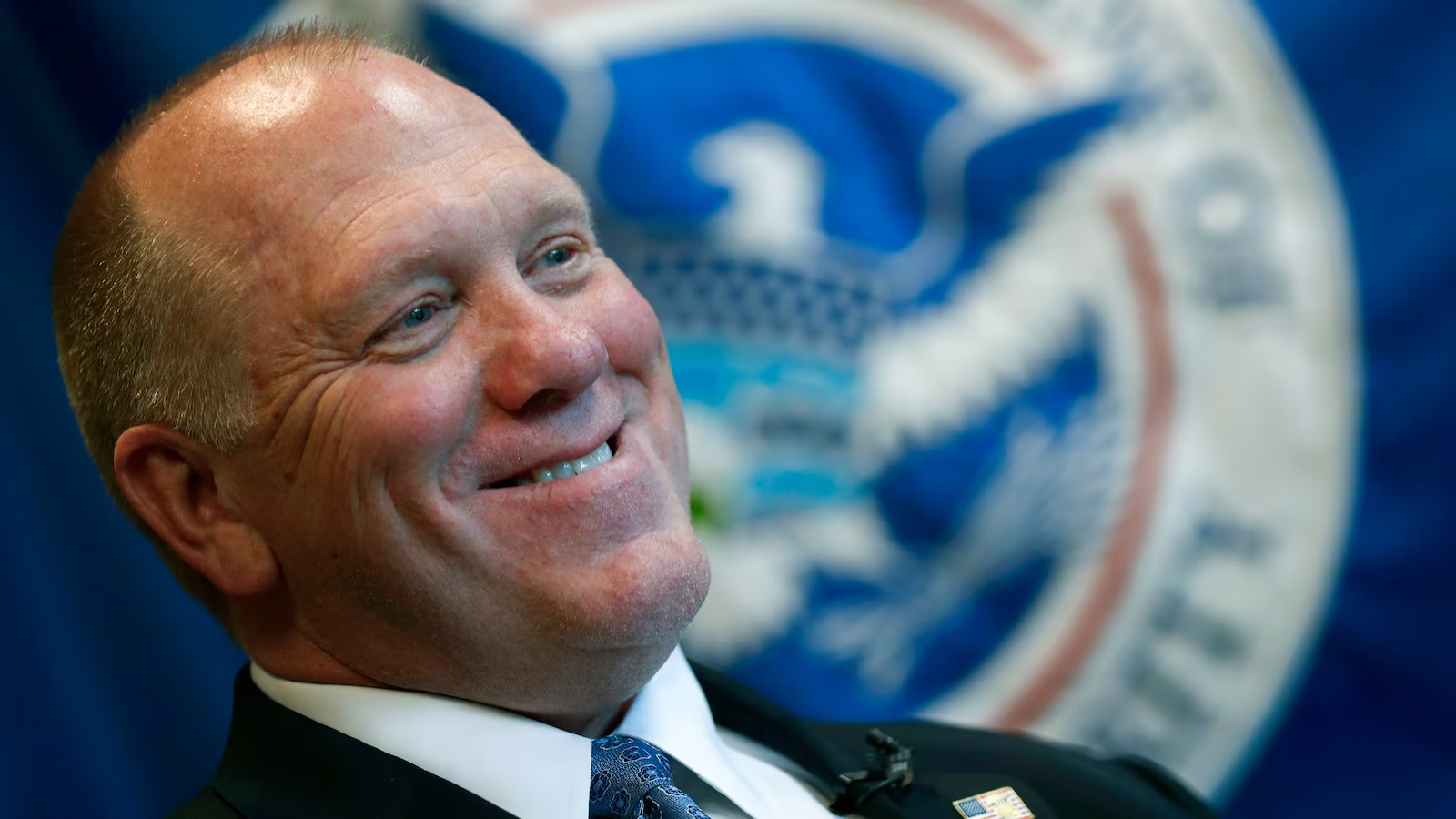
Tom Homan, appointed as the 'border czar' for the upcoming Trump administration, plans to implement aggressive immigration policies starting on Day 1, including a massive deportation operation and ending 'catch and release.' Homan, who previously served as acting head of ICE, has been vocal about his support for strict border security measures, including the completion of the border wall and the potential reinstatement of controversial policies like child separation. He also advocates for ending birthright citizenship and 'chain migration,' and plans to use executive orders to enforce these changes.
Israel is negotiating with Egypt to enhance security measures along the Philadelphi Corridor, a border area near Gaza, to prevent Hamas from smuggling weapons and people. Israel's requests include the installation of sensors, direct notifications, and the ability to deploy surveillance drones in response to any detected smuggling activity. These efforts aim to dismantle Hamas' underground tunnel network used for smuggling.
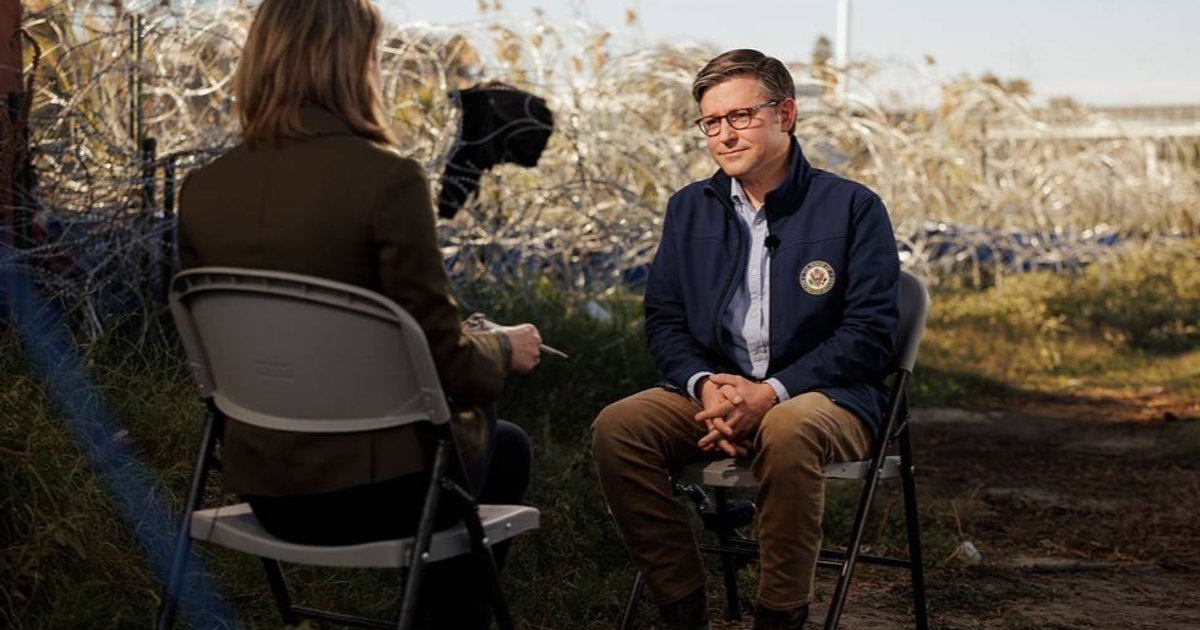
In an interview on "Face the Nation," House Speaker Mike Johnson emphasized the need for policy changes to address the immigration crisis at the U.S. border, citing national security concerns and humanitarian issues. He criticized the current administration's handling of the situation, advocating for the reinstatement of the "Remain in Mexico" policy and an end to "catch and release." Johnson argued that the White House's policy choices have exacerbated the crisis and that the administration's failure to enforce existing laws is a significant part of the problem. He also expressed skepticism about the effectiveness of increased funding without policy changes and highlighted the importance of legal immigration while distancing himself from former President Trump's more extreme rhetoric on the issue.
House Speaker Mike Johnson has dismissed concerns of a government shutdown over border spending, despite Rep. Chip Roy's threat to withhold funding until border security and asylum reforms are enacted. Johnson clarified that Roy did not intend to suggest a shutdown, despite Roy's letter stating that government funding should be contingent on the President signing H.R. 2 or its equivalent. This comes amidst other Republicans, like Sen. Mike Lee, also threatening to withhold funding over border security, and after a legislative session that ended without significant achievements, partly attributed to GOP extremism by Senate Majority Leader Chuck Schumer.
China and Myanmar have pledged to jointly maintain border security and combat cross-border crimes, including telecommunications fraud, amidst ongoing conflicts with rebel groups. The Three Brotherhood Alliance, a coalition of ethnic armed groups, claimed to have captured the entire Kokang region in northern Shan state, including the regional capital Laukkai. The capture led to the surrender of over 2,100 junta soldiers. This development comes as China expresses increasing concern for the safety of its citizens and assets due to nearby fighting and recent peace talks it has brokered have yet to yield a lasting agreement. China continues to advocate for a ceasefire and plays a supportive role in the peace process, while also cracking down on online scam operations in the region.
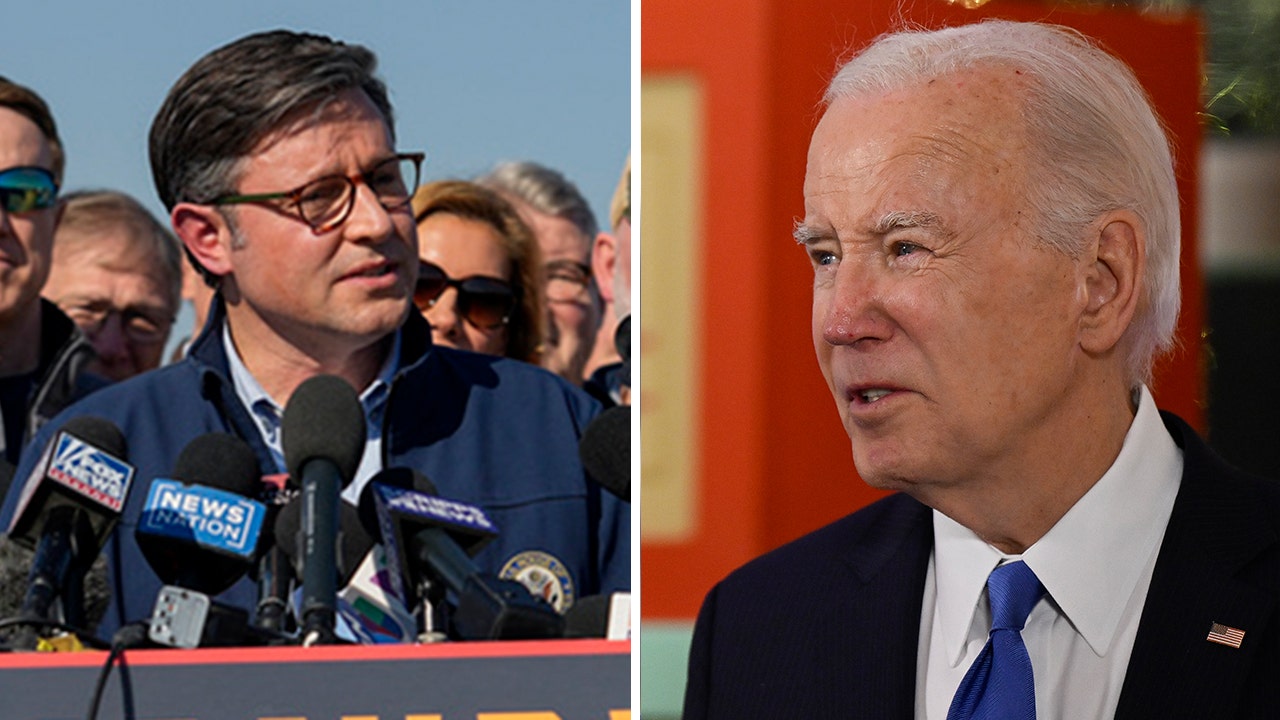
House Speaker Mike Johnson is refuting White House accusations that Republicans are anti-border security and responsible for proposed cuts to Border Patrol staffing amidst a significant migrant crisis. Johnson claims Republicans have consistently voted for increased funding for border security, contrary to the administration's assertions. The White House maintains that Republicans have obstructed President Biden's comprehensive immigration reform and border security funding, including efforts to combat fentanyl smuggling. Fact-checkers have challenged the White House's claims about staffing cuts, and negotiations continue over border security funding and policy.
The Biden administration is intensifying its criticism of Republican lawmakers, accusing them of jeopardizing a funding deal and border security with their demands, as the threat of a government shutdown looms. This strategic shift in messaging aims to counteract the GOP's narrative and deflect blame for the ongoing border crisis. Homeland Security Secretary Alejandro Mayorkas has been actively defending the administration's border policies on television, while the White House calls out perceived GOP hypocrisy. Despite the aggressive stance, public polling does not yet indicate strong support for the administration's position on border issues. The situation is further complicated by Republican efforts to impeach Mayorkas and tie border policy to government funding, with both sides preparing for an intense political battle ahead of the upcoming elections.
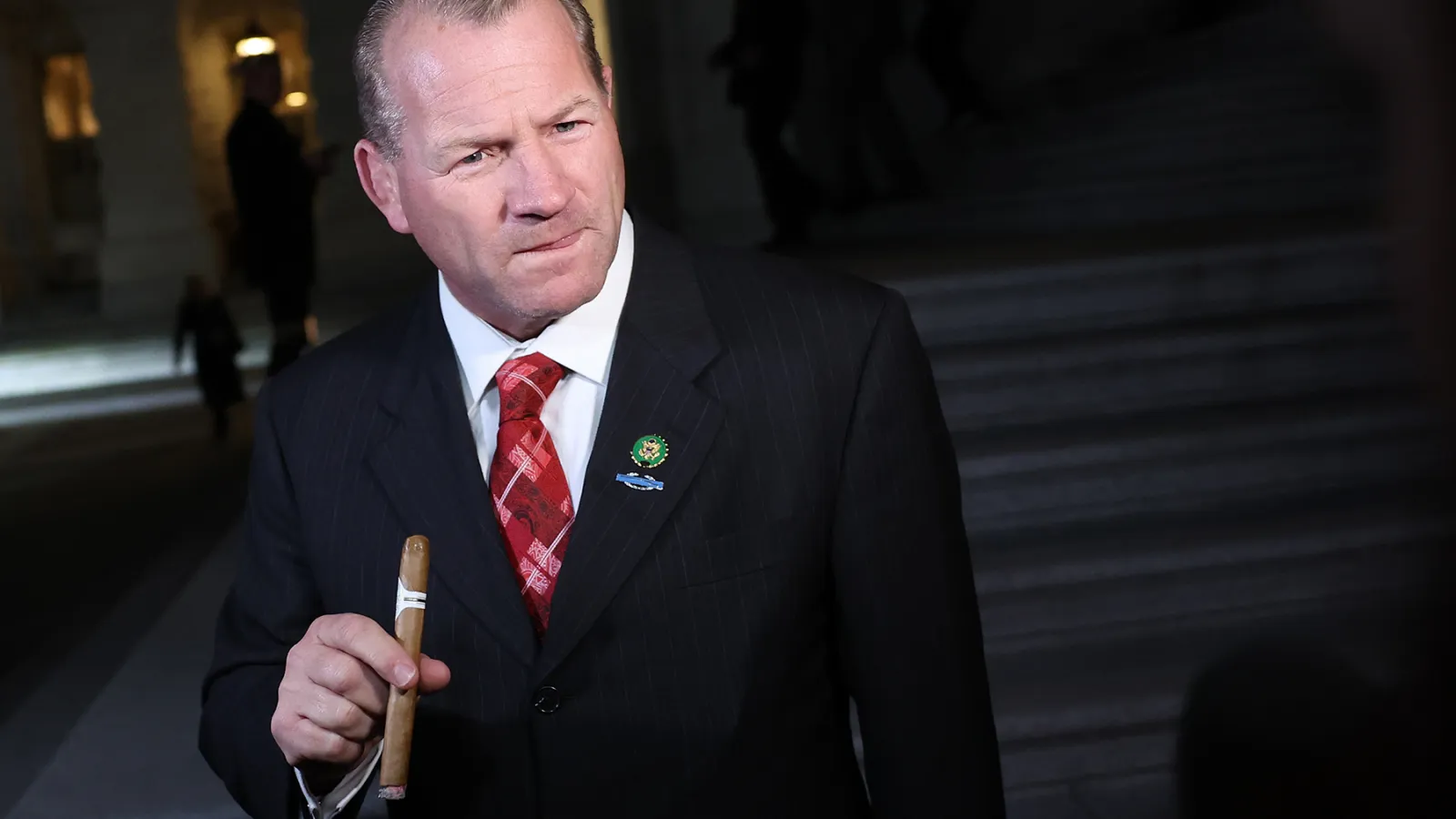
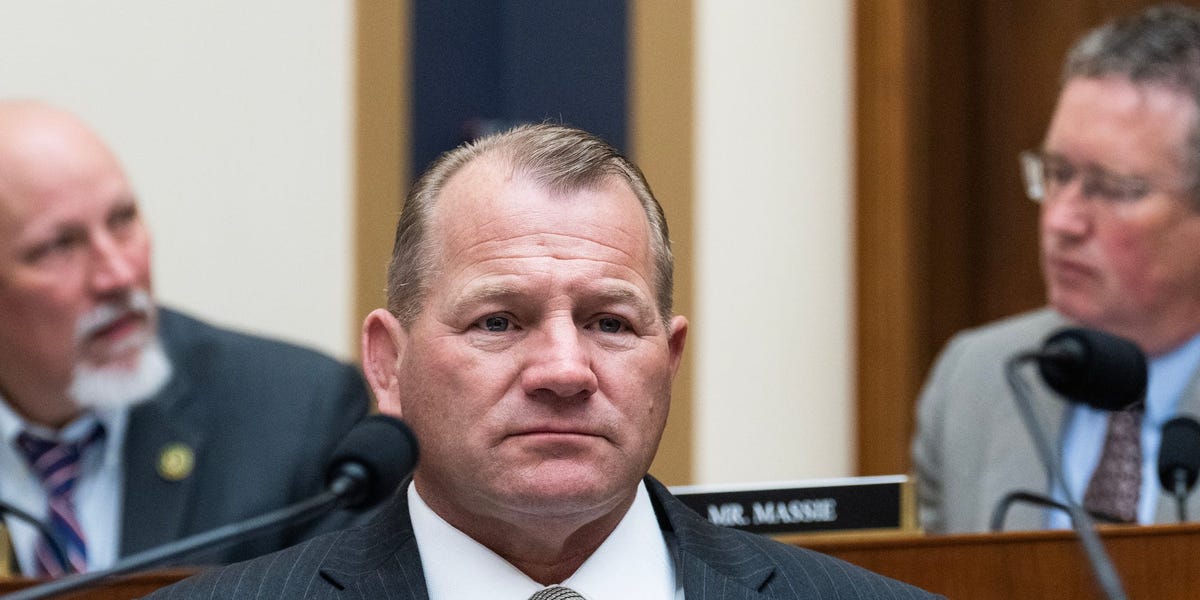
GOP Representative Troy Nehls openly admitted to rejecting a bipartisan Senate immigration deal to avoid boosting President Joe Biden's approval ratings, highlighting the political motivations behind the GOP's stance on immigration. Despite progress in the Senate towards a deal linking border security to aid for Israel and Ukraine, House Republicans, guided by a desire to support Trump and defeat Biden in 2024, are unwilling to compromise. This comes as the GOP plans to use border security as a key issue in the upcoming election and as they initiate impeachment proceedings against Secretary of Homeland Security Alejandro Mayorkas.
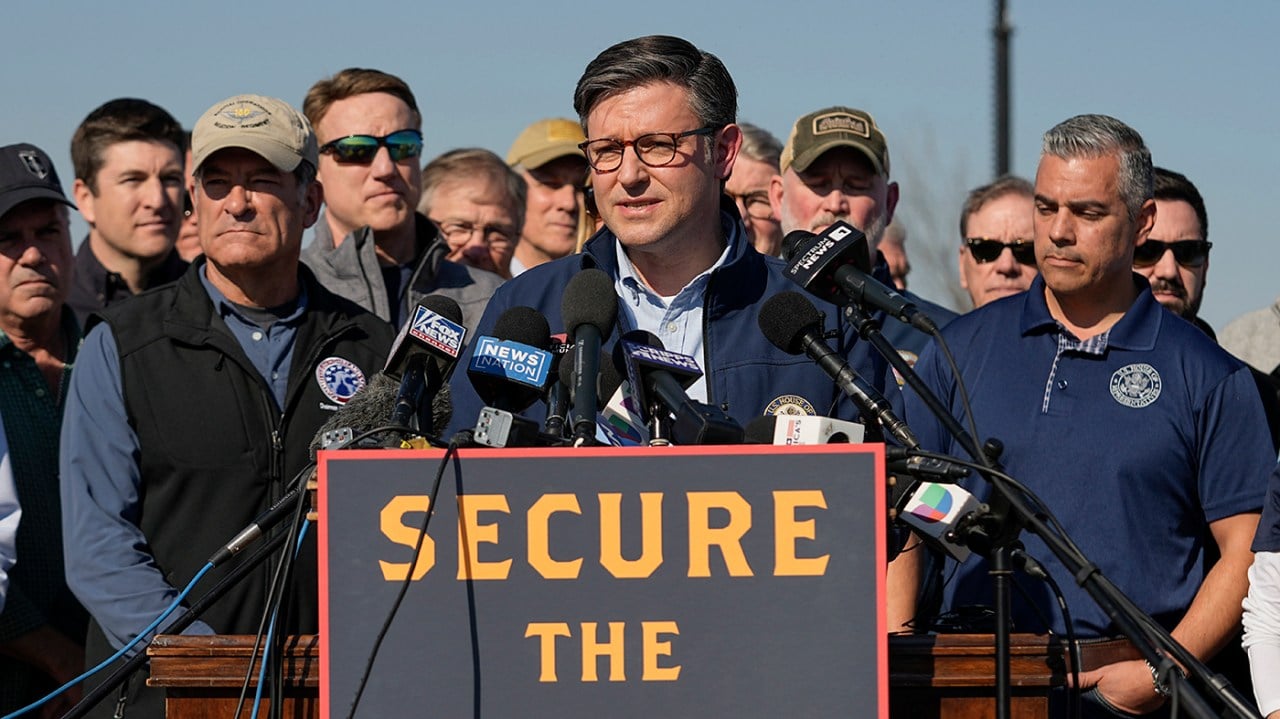
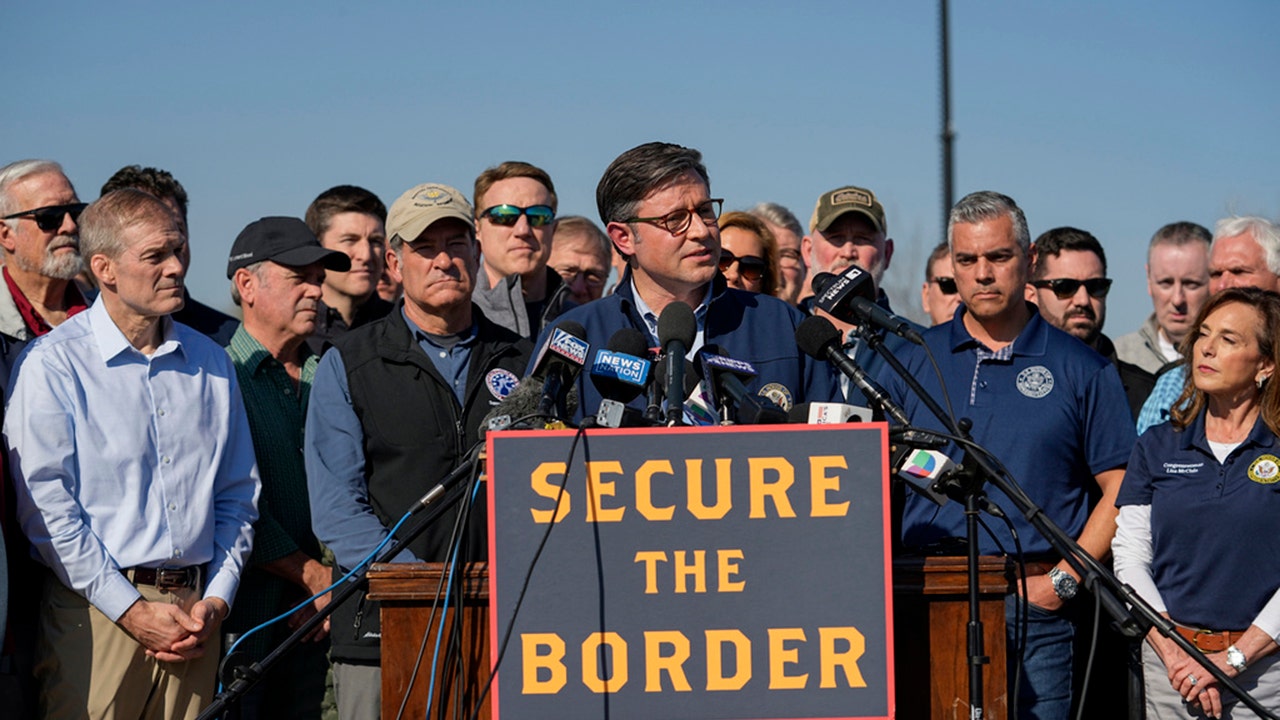
Former Department of Homeland Security officials are supporting Speaker Mike Johnson's firm stance on border security in the context of congressional spending negotiations. They advocate for the inclusion of H.R. 2, the Secure the Border Act, in any spending deal, citing the act as a solution to the border crisis. Johnson, along with other Republicans, visited the southern border and emphasized the necessity of H.R. 2, which proposes stricter asylum limits and the continuation of wall construction. The Biden administration has requested border funding but faces GOP opposition demanding tighter immigration controls. Democrats in the Senate have rejected H.R. 2, while the White House accuses Republicans of blocking efforts to address border issues. Negotiations continue, with the GOP pushing for a unified stance behind H.R. 2.
Rep. Celeste Maloy, along with about 60 other GOP House members, visited the U.S.-Mexico border to observe the current state of border security, which they claim is in its worst condition ever. Maloy criticized the Biden administration for not taking sufficient action and highlighted HR2, a Republican-backed House resolution aimed at imposing stricter immigration controls and resuming the construction of a border wall. The visit aimed to draw attention to HR2 and the need for policy changes to address what GOP members describe as a crisis at the border.
Republican Rep. Troy Nehls has expressed opposition to any border security deal that could potentially boost President Joe Biden's approval ratings, stating he will not support measures that aid Democrats politically. Nehls is holding out for a proposal similar to HR 2, a stringent immigration bill that previously passed the House without Democratic support. This stance comes as senators are negotiating a bipartisan border security deal, which is less extreme than HR 2 but aims to garner enough support to pass. The issue underscores the political tension surrounding immigration policy and border security in the U.S.
The Biden administration is engaged in multiple legal disputes with Texas and Governor Greg Abbott, focusing on issues of reproductive rights and border security. The conflicts include a lawsuit over the abortion pill mifepristone, a clash over Texas' installation of razor wire on the border, and a challenge to Texas' law allowing state officers to arrest and deport migrants. These legal battles highlight the deepening rift between the federal government and Texas, with both sides using the disputes to rally their respective political bases ahead of the 2024 presidential election.