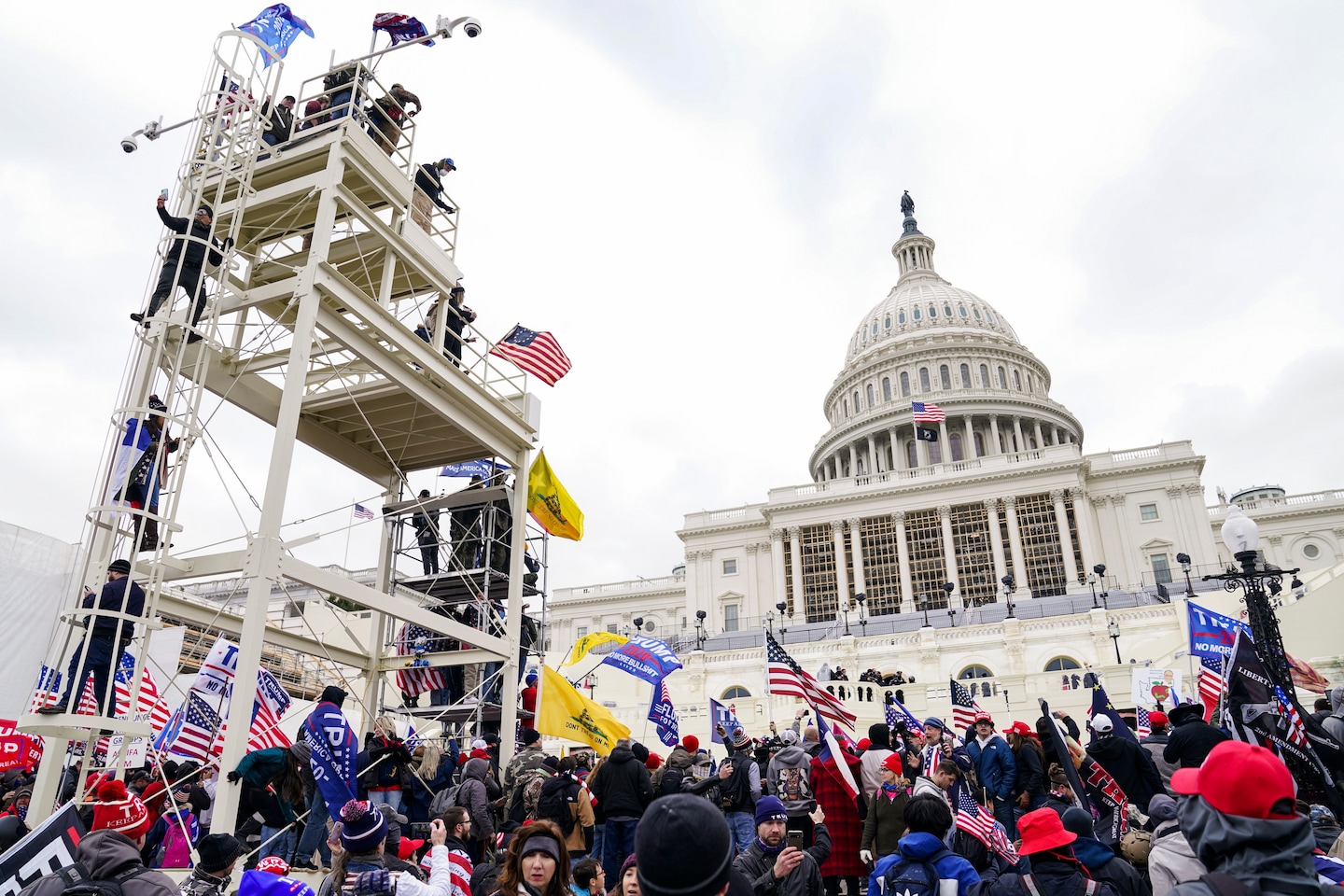
U.S. prosecutors suspended for describing Jan. 6 attack as 'mob'
Two U.S. prosecutors in Washington were suspended after referring to the Jan. 6 Capitol attack as a 'riot' carried out by a 'mob' in a court document.

All articles tagged with #justicedepartment
Two U.S. prosecutors in Washington were suspended after referring to the Jan. 6 Capitol attack as a 'riot' carried out by a 'mob' in a court document.
Blue cities like Los Angeles, Chicago, and New York City are resisting the White House's efforts to enforce immigration policies, with legal disputes over sanctuary city designations and federal cooperation, while some states and officials are using the issue to rally political support amid upcoming elections.
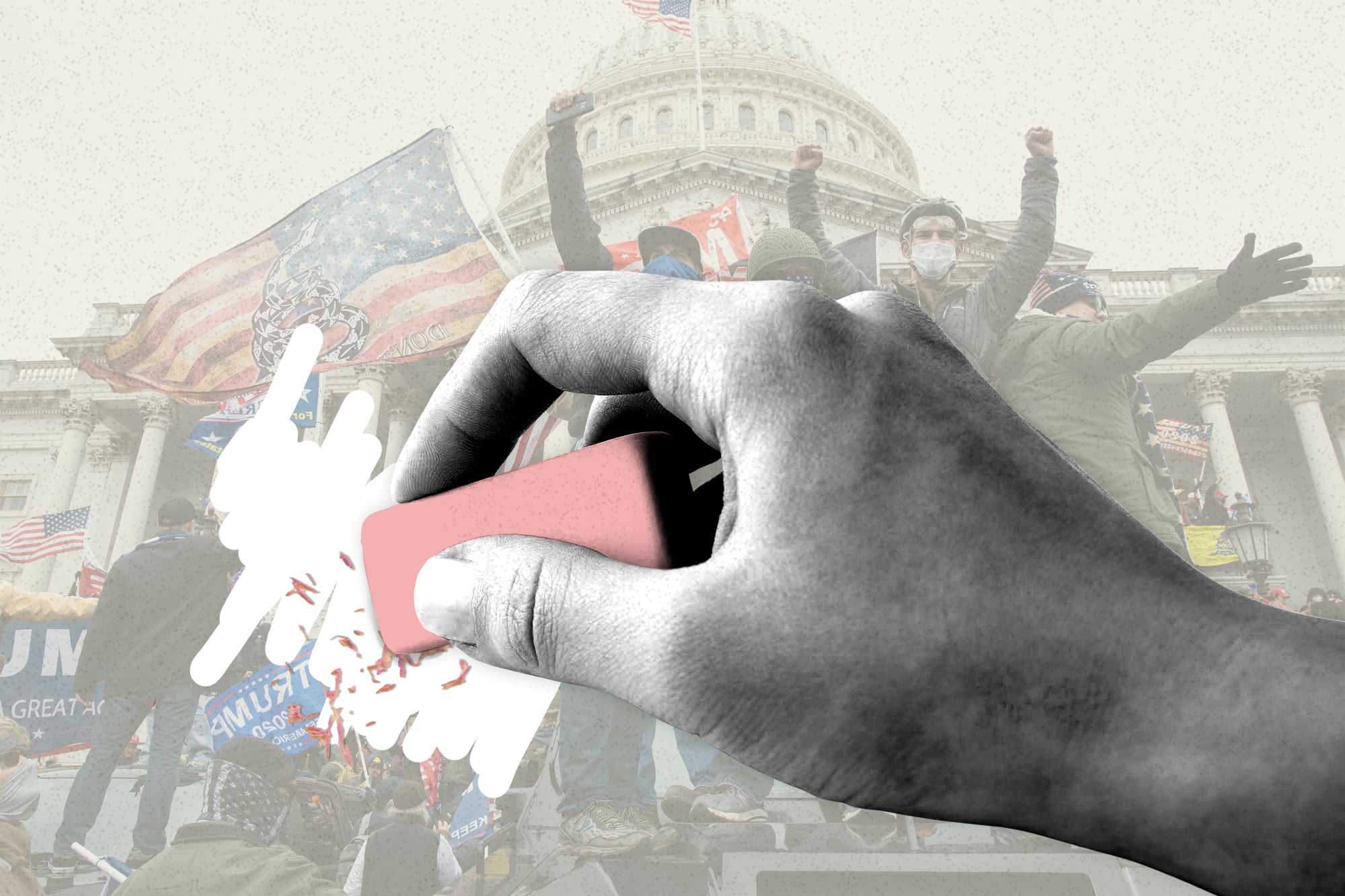
Despite Donald Trump's promises to pardon Jan. 6 rioters, the ongoing prosecutions and convictions remain significant, highlighting the Justice Department's extensive efforts to document the Capitol attack. While Trump's influence looms over court proceedings, the historical record of the riot and its legal consequences cannot be easily erased, underscoring the enduring impact of these trials on public memory and the rule of law.
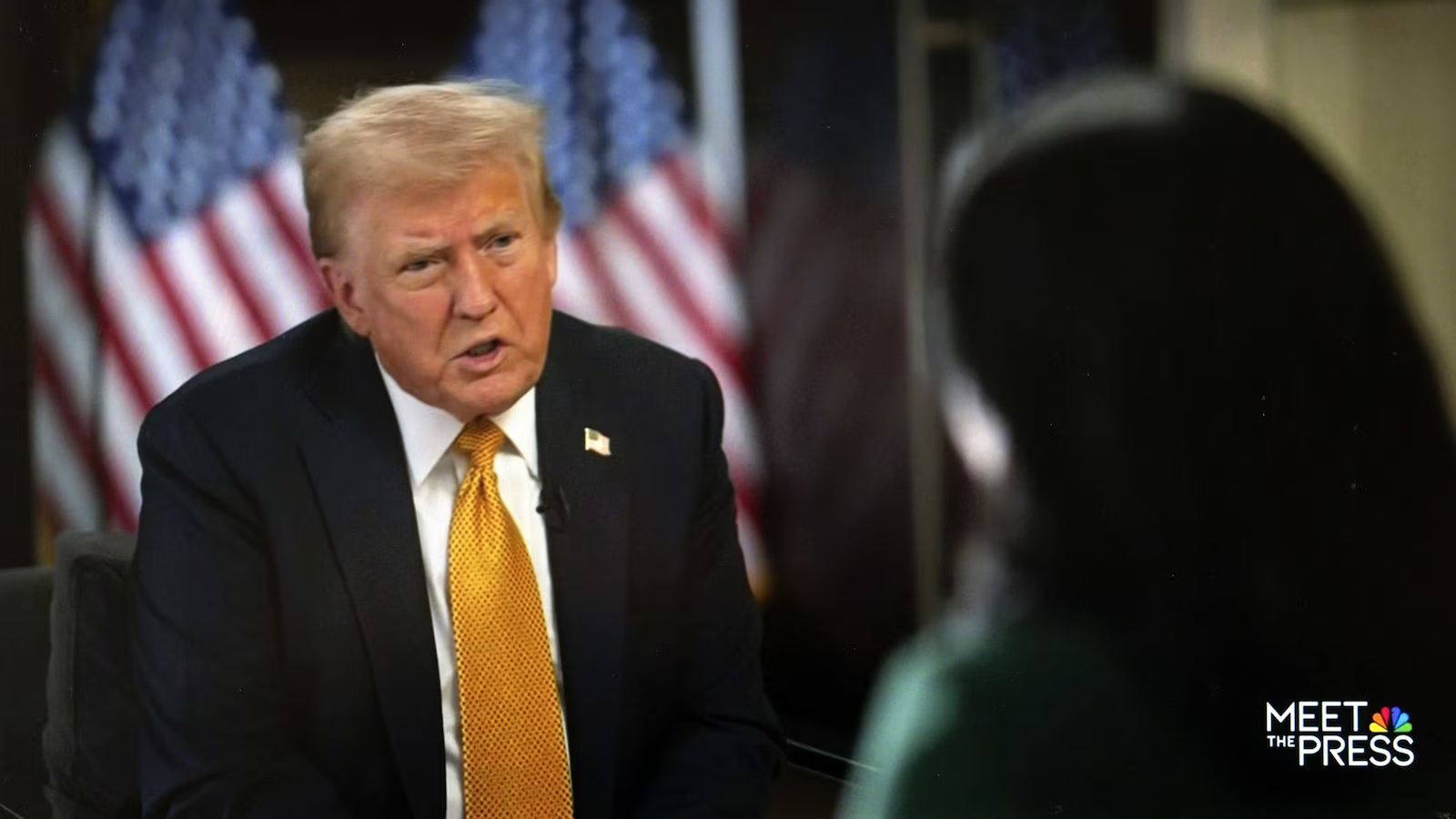
In a recent interview, President-elect Donald Trump reiterated his campaign promise to pardon individuals jailed for their involvement in the January 6 Capitol riot on his first day in office. Trump criticized the justice system and the conditions faced by those who pleaded guilty, suggesting they had no choice. He also discussed his picks for attorney general and FBI director, emphasizing their autonomy in pursuing investigations. Trump's comments have prompted President Biden to consider preemptive pardons for those targeted by Trump's rhetoric.
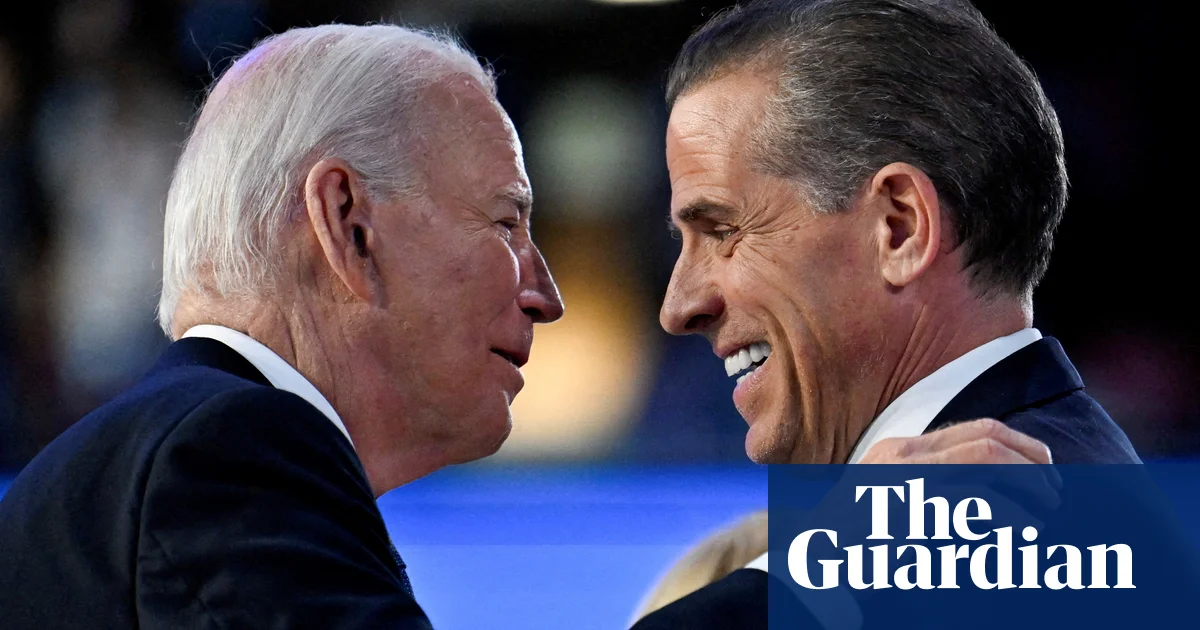
President Joe Biden pardoned his son Hunter, who faced sentencing in two criminal cases, sparking debate over whether it was a compassionate act or political hypocrisy. Biden, who has experienced personal loss, reportedly agonized over the decision, influenced by Donald Trump's election victory and potential politicization of justice. Critics argue the pardon sets a bad precedent, while supporters claim Hunter was unfairly targeted. The move has drawn comparisons to past presidential pardons involving family members.
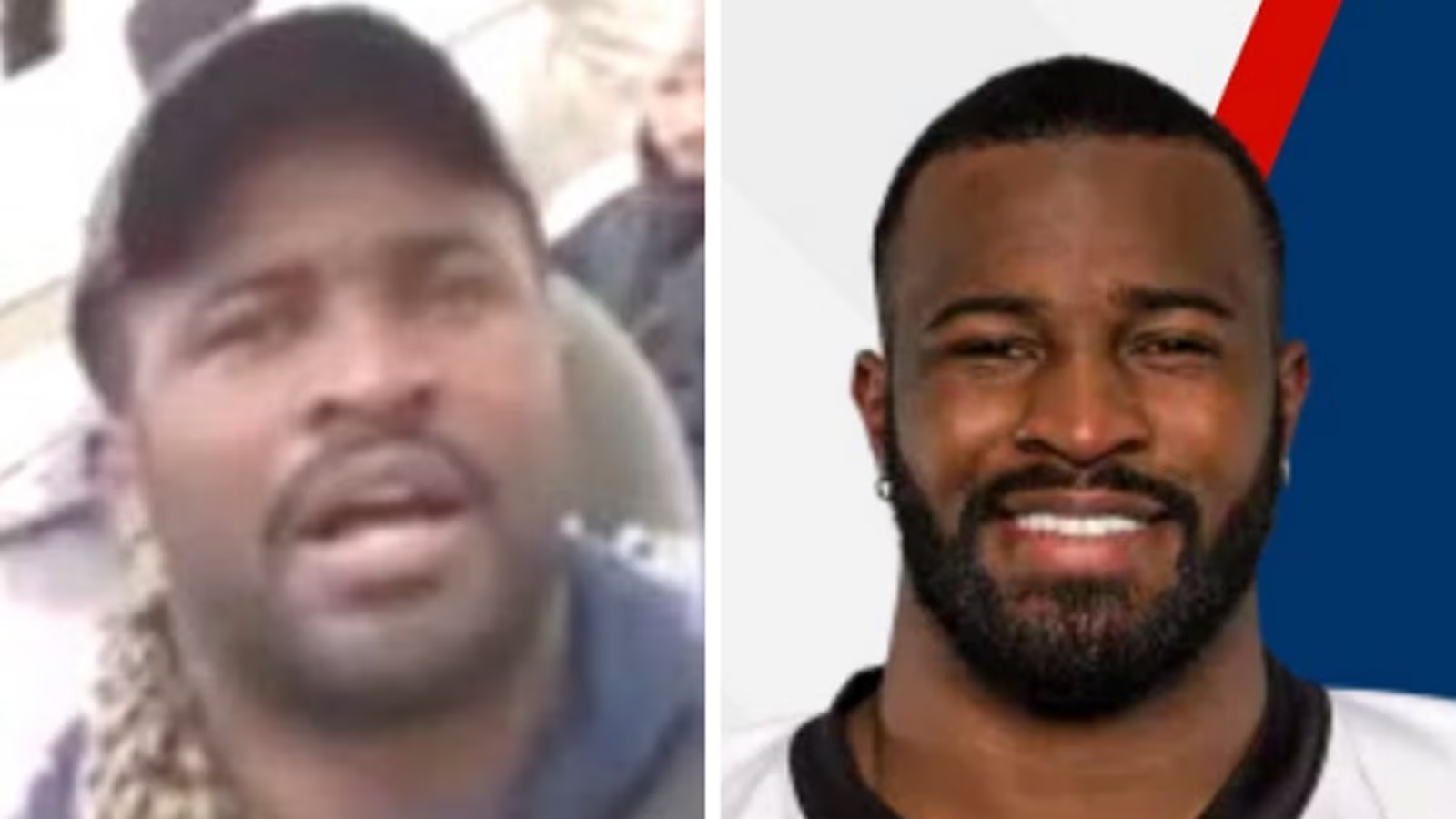
Former NFL linebacker Leander Antwione Williams, who played for the Detroit Lions, has been arrested and charged with assaulting police officers during the January 6 Capitol riot. Williams, identified through tips and social media, allegedly engaged in violent acts against law enforcement, including pulling bike racks and striking an officer. His arrest highlights the Justice Department's ongoing efforts to prosecute individuals involved in the Capitol breach, despite potential pardons from former President Trump.
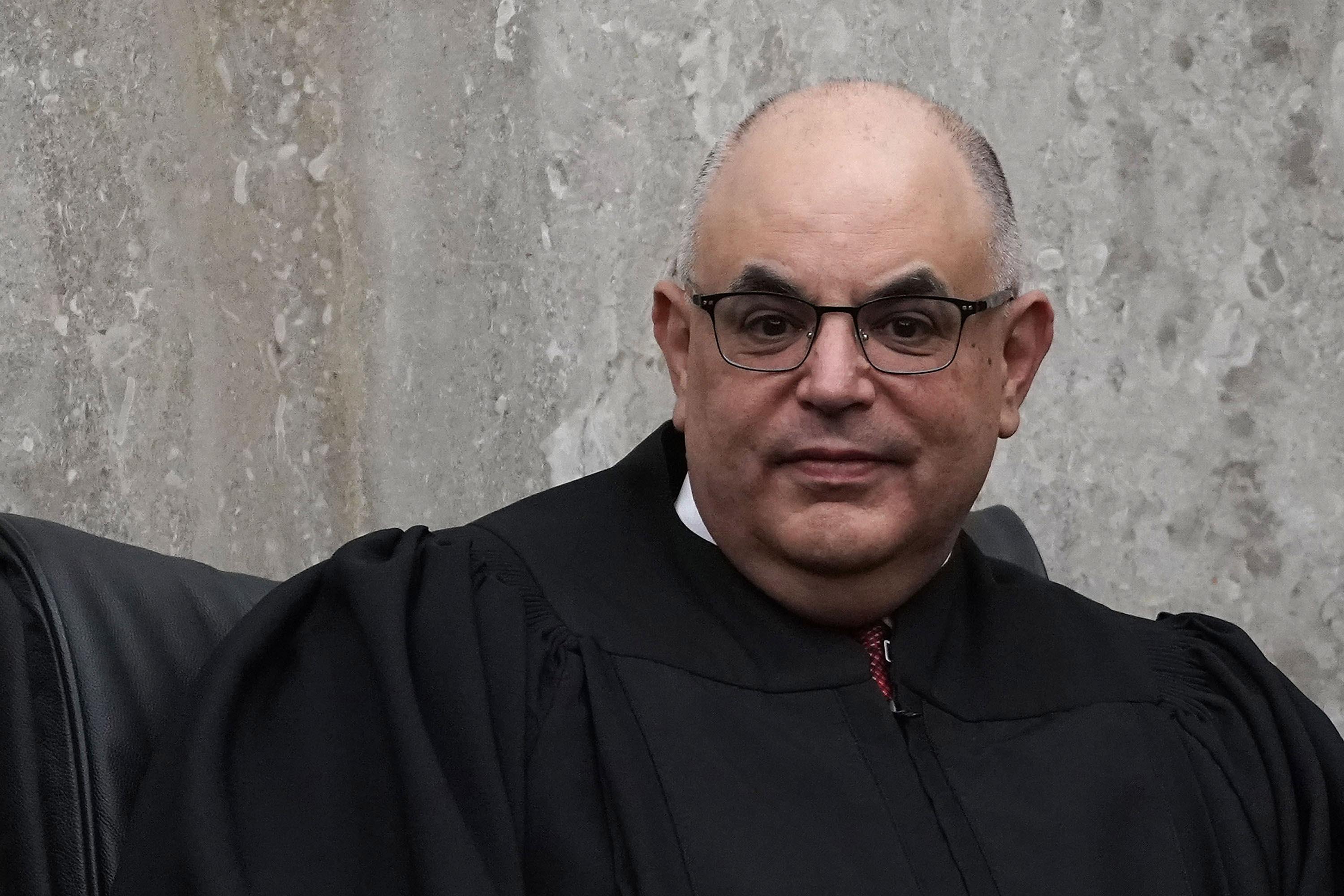
Two federal judges have postponed trials for defendants accused of breaching the Capitol on January 6, 2021, citing the potential for pardons from President-elect Donald Trump. Judges Carl Nichols and Rudolph Contreras decided to delay proceedings to conserve court resources, despite objections from the Justice Department. This marks the first time judges have delayed trials in anticipation of possible clemency from Trump, who has pledged to pardon many involved in the Capitol attack. Other judges have rejected similar requests, deeming them speculative.
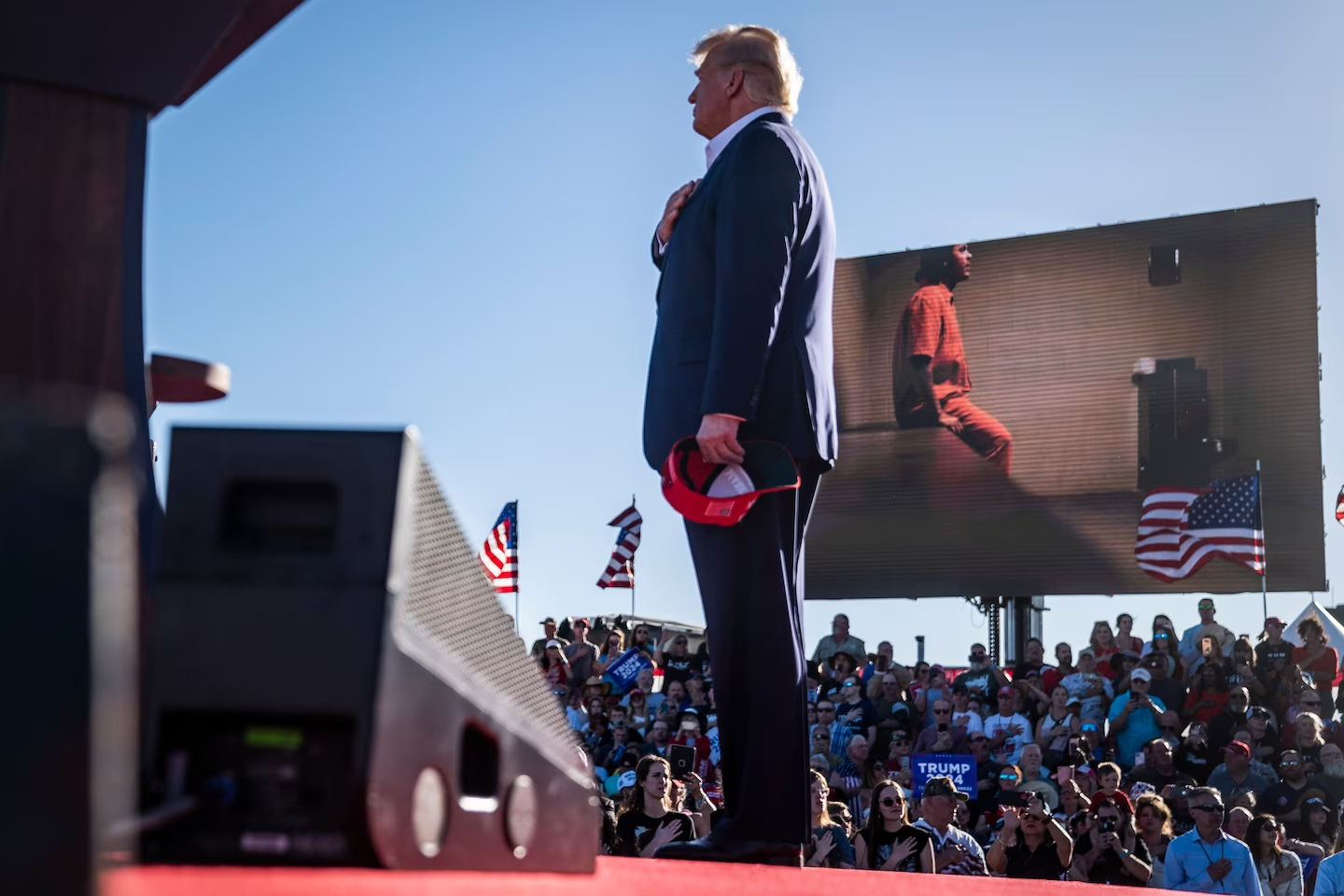
Defendants in the January 6 Capitol attack are celebrating Donald Trump's election victory, with their lawyers seeking to delay trials or sentences in hopes of receiving presidential pardons or more lenient treatment from a potentially restructured Justice Department.
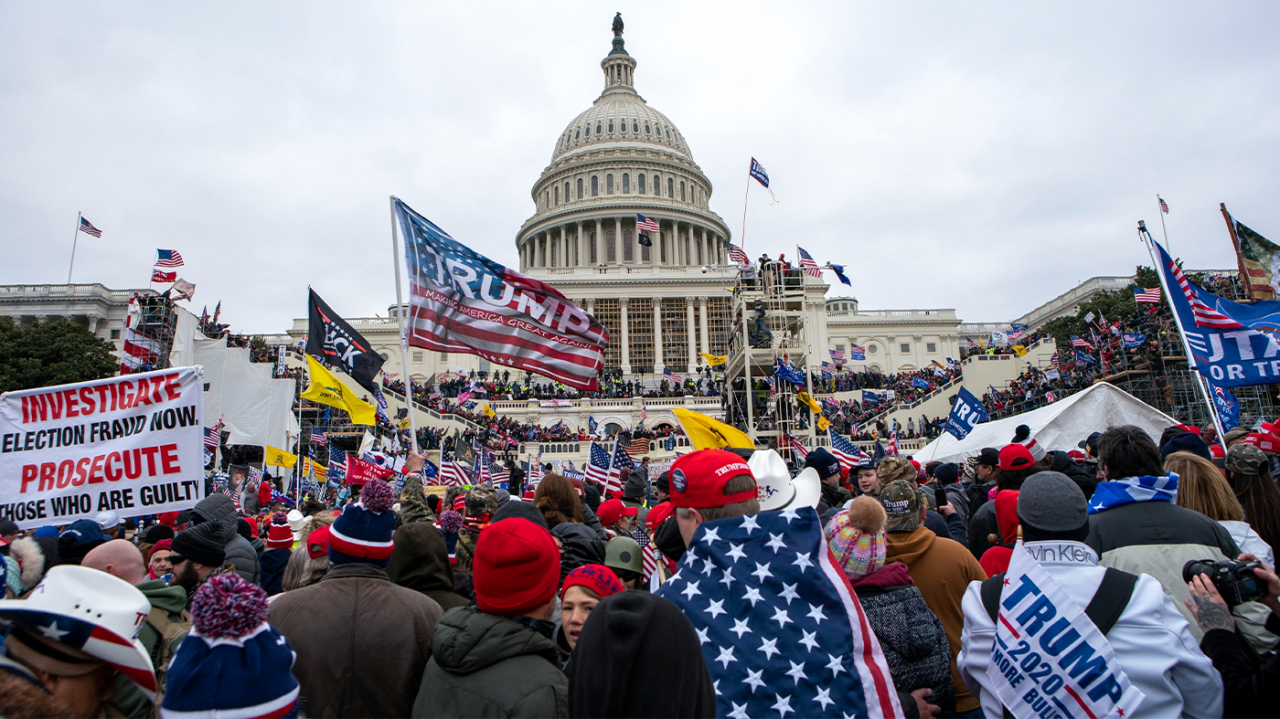
Dozens of January 6 defendants are seeking to delay their trials and sentencing until the Supreme Court rules on the legitimacy of the obstruction charge used against them. The charge, stemming from a statute enacted post-Enron, is being challenged in the case Fischer v. United States. If the Supreme Court finds the application of the law unconstitutional, it could affect the outcomes of hundreds of cases, including those already sentenced. The Justice Department argues that trials should proceed, but some judges have granted pauses, indicating the high court's decision could significantly impact the legal landscape for January 6 rioters.
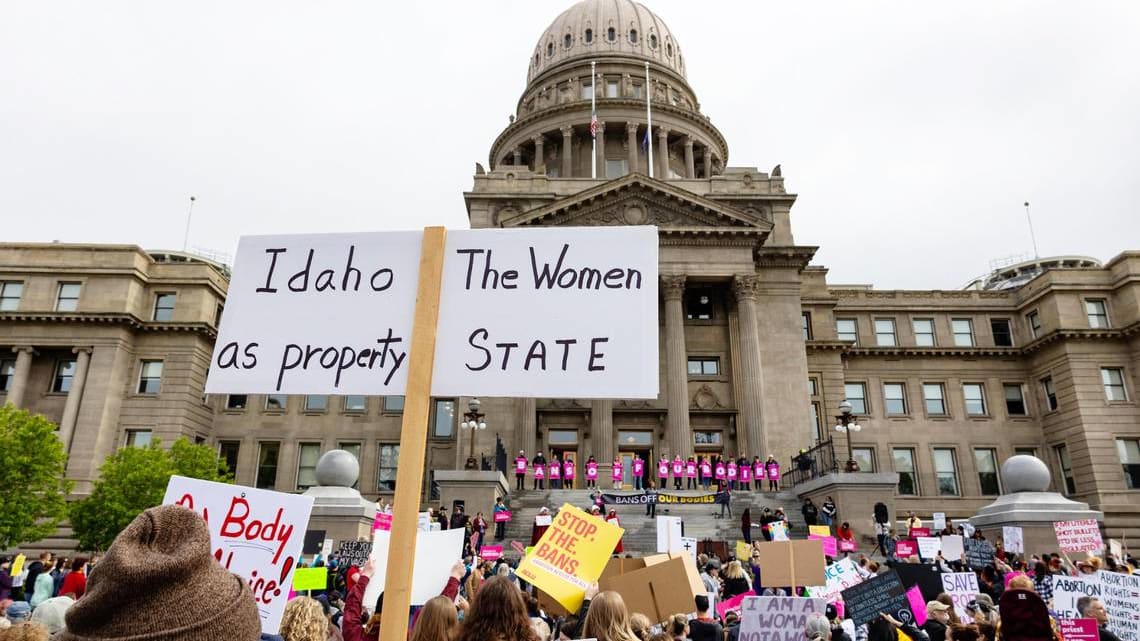
The Supreme Court has permitted Idaho to enforce its near-total abortion ban while agreeing to hear an appeal in April. This decision allows the state to penalize doctors who perform abortions in emergency situations, despite opposition from the Justice Department. The law, which was enacted in 2020, came into effect following the overturning of Roe v. Wade and had some provisions previously halted by a federal judge. Now, Idaho can enforce the law in its entirety until the Supreme Court further examines its compatibility with federal law.

The U.S. Justice Department is nearing the end of its antitrust investigation into Apple, potentially leading to a significant lawsuit against the tech giant. The focus is on Apple's use of its control over iPhone hardware and software to stifle competition and maintain customer loyalty through integrated services like Apple Watch and Apple Pay. This could be the most substantial federal antitrust action against Apple, following similar lawsuits against other tech leaders like Google, Amazon, and Meta. Apple's business practices, including restrictions on iMessage and the App Store, are under scrutiny, with no final decision yet on the lawsuit's filing or its contents.
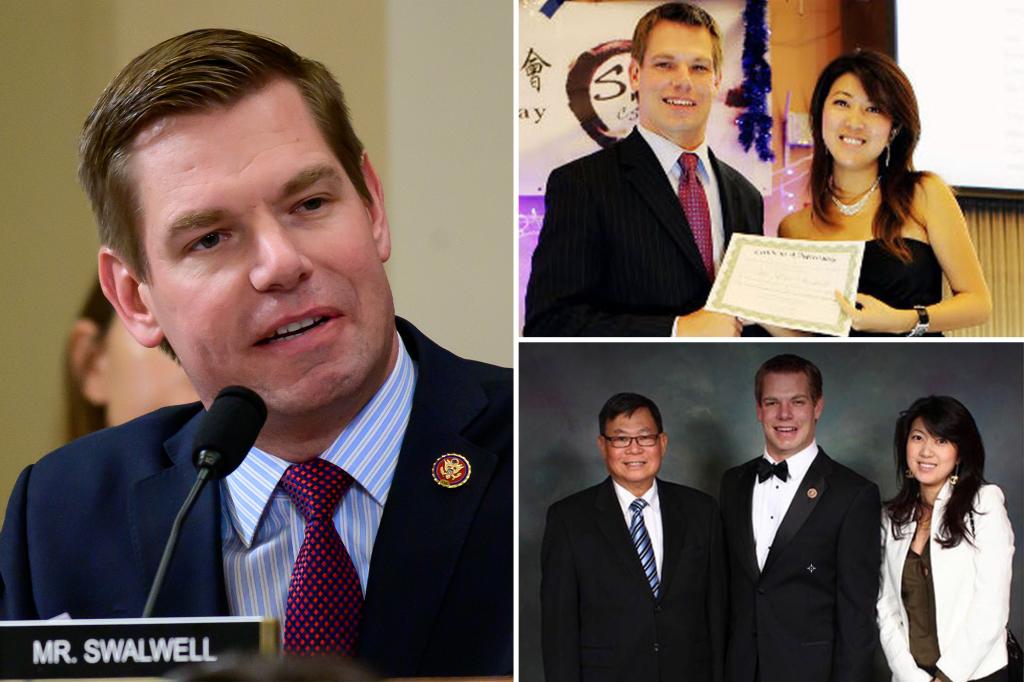
Michael Shapiro, a 72-year-old man from Florida, has been charged with making threats to kill Representative Eric Swalwell (D-Calif.) and his children. The threats were left in voicemails and included foul language and references to debunked allegations of Swalwell's connection to a suspected Chinese spy. Swalwell has confirmed he and his family were the targets and has stated that the threats will not deter him from his duties. Shapiro, who has a history of making threatening communications, was released on bail after his court appearance.
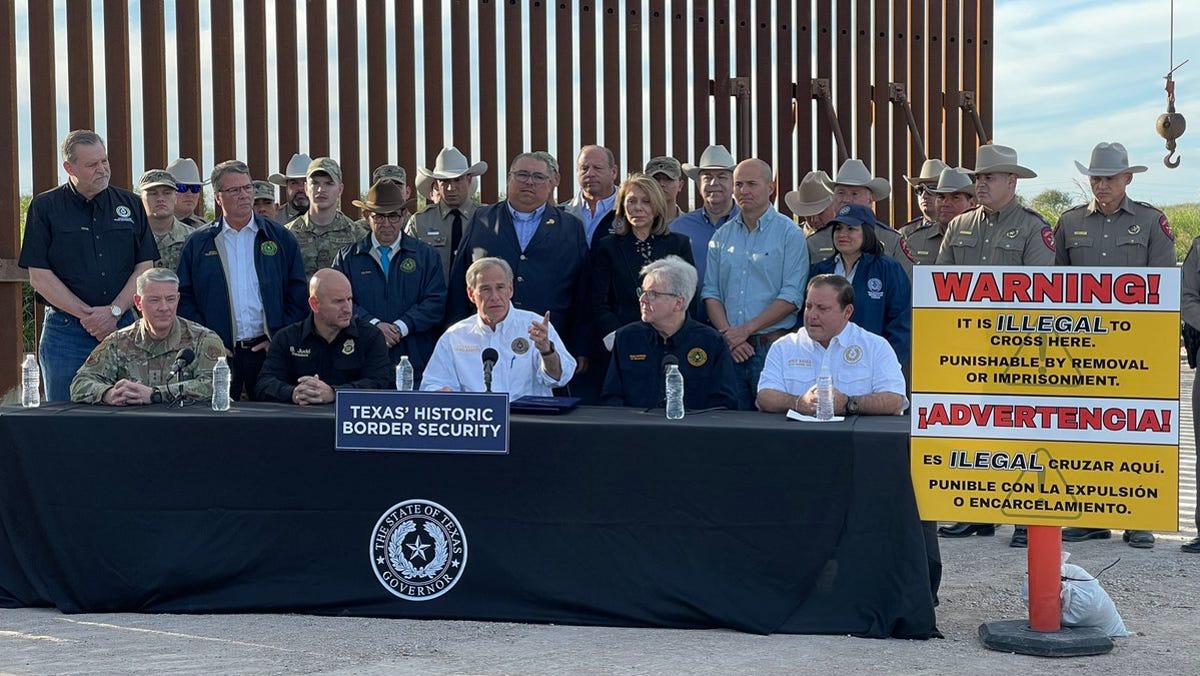
The U.S. Department of Justice has filed a lawsuit against Texas and Governor Greg Abbott to prevent the implementation of Senate Bill 4 (SB4), a state law that allows for the arrest and deportation of migrants by state authorities. The federal government argues that SB4, which is set to take effect in March, infringes upon federal immigration authority and violates the Supremacy Clause of the U.S. Constitution. The Justice Department's action follows previous legal challenges against Texas' immigration policies and is part of ongoing disputes over state versus federal jurisdiction in immigration enforcement.
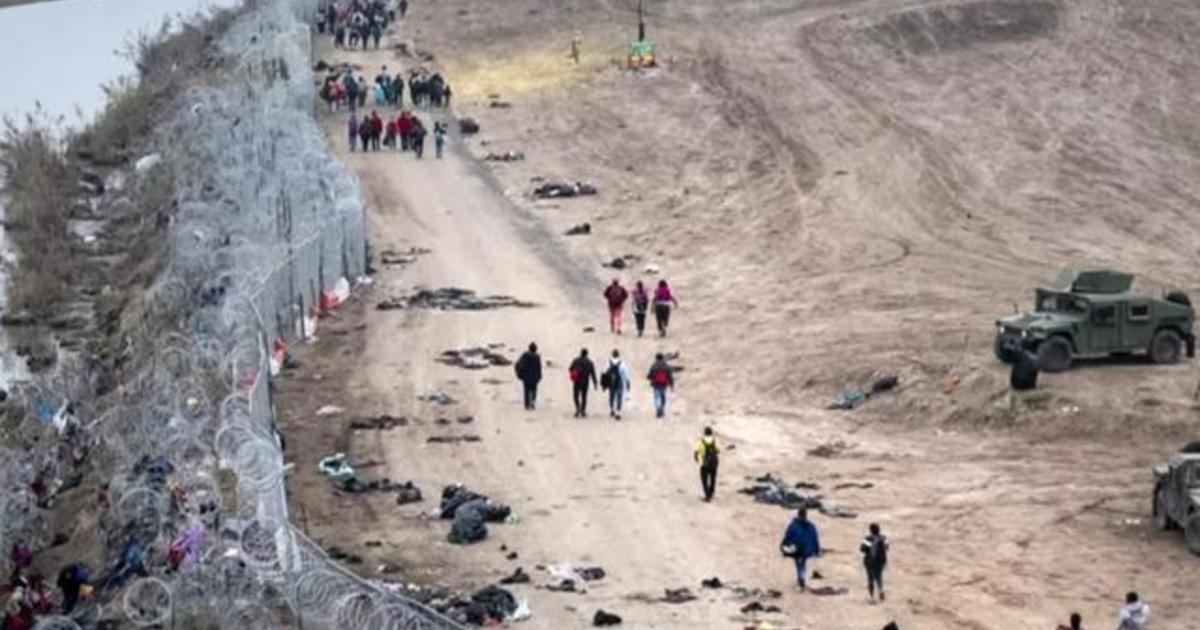
The U.S. Justice Department has sued Texas over its new border security law, SB4, which allows state and local law enforcement to arrest and prosecute migrants suspected of entering the U.S. illegally. The federal government argues that immigration enforcement is a federal responsibility and that the Texas law is unconstitutional. Texas officials, including Attorney General Ken Paxton and Governor Greg Abbott, defend the law, citing failures by the Biden administration to address illegal immigration. The lawsuit highlights the ongoing conflict between federal immigration policy and state-level initiatives.
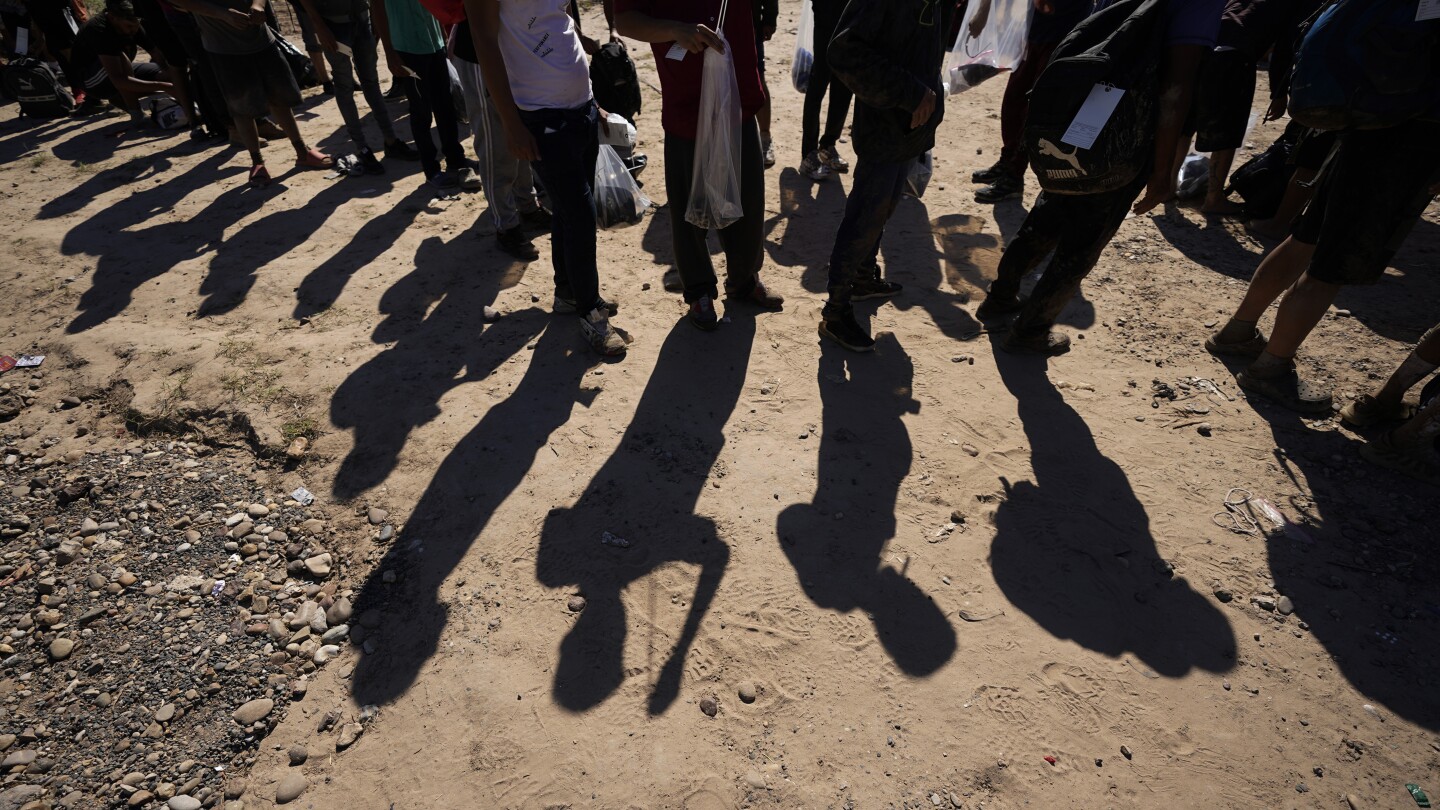
The U.S. Justice Department has filed a lawsuit against Texas over a new state law that empowers police to arrest migrants for illegal entry and allows state judges to order migrants to leave the country. The federal government argues that this law, known as Senate Bill 4, violates the Supremacy Clause by infringing on the federal government's exclusive authority over immigration. The law is set to take effect in March, but faces opposition from civil rights groups and has been described as unconstitutional. This legal action escalates the ongoing conflict between Texas and the Biden administration over immigration policies and border enforcement.