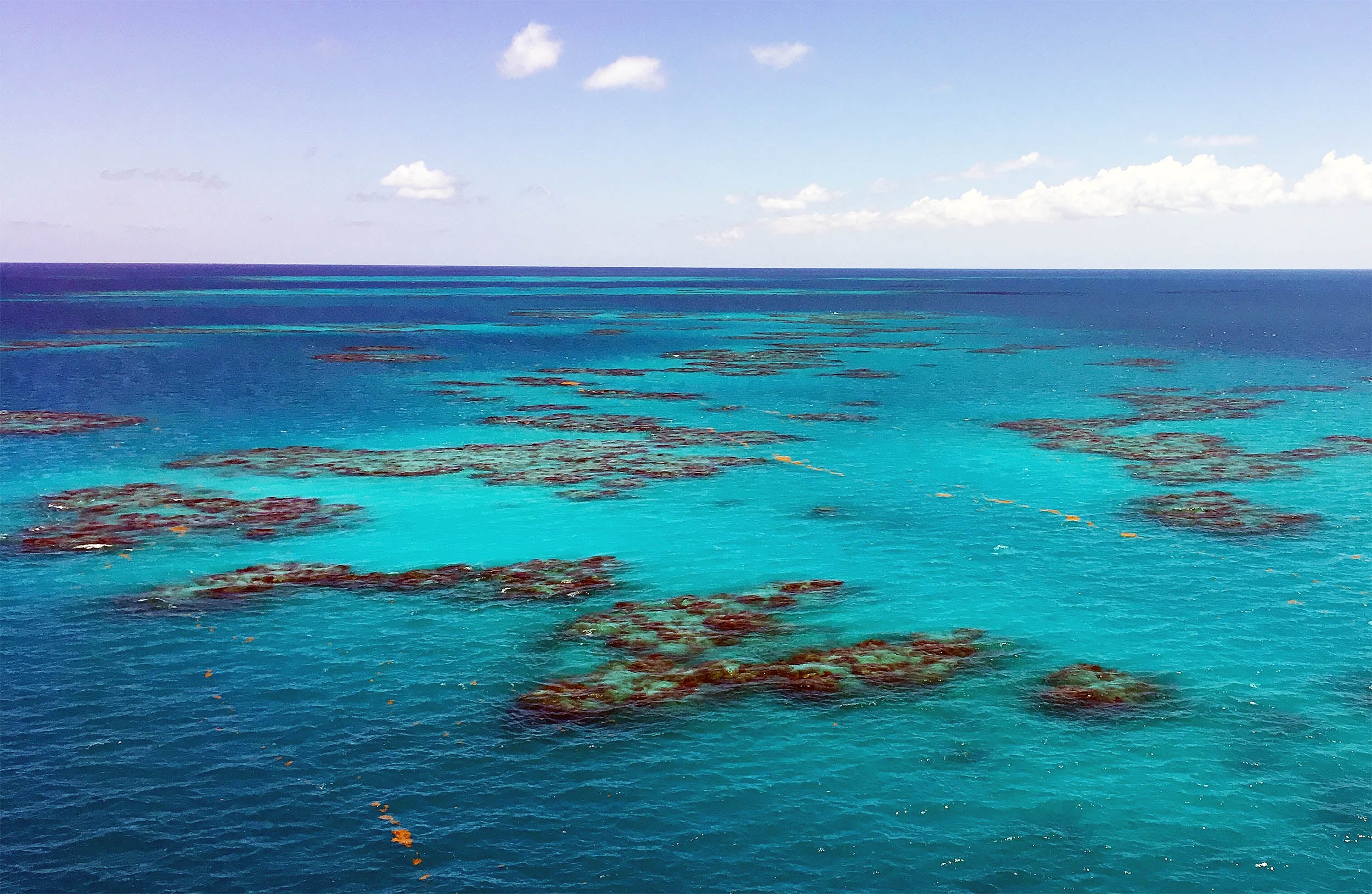
The Sargasso Sea, unique for having no land boundaries and characterized by floating Sargassum seaweed mats, plays a crucial role in marine ecosystems and Earth's climate regulation, but faces threats from pollution and climate change that require international conservation efforts.
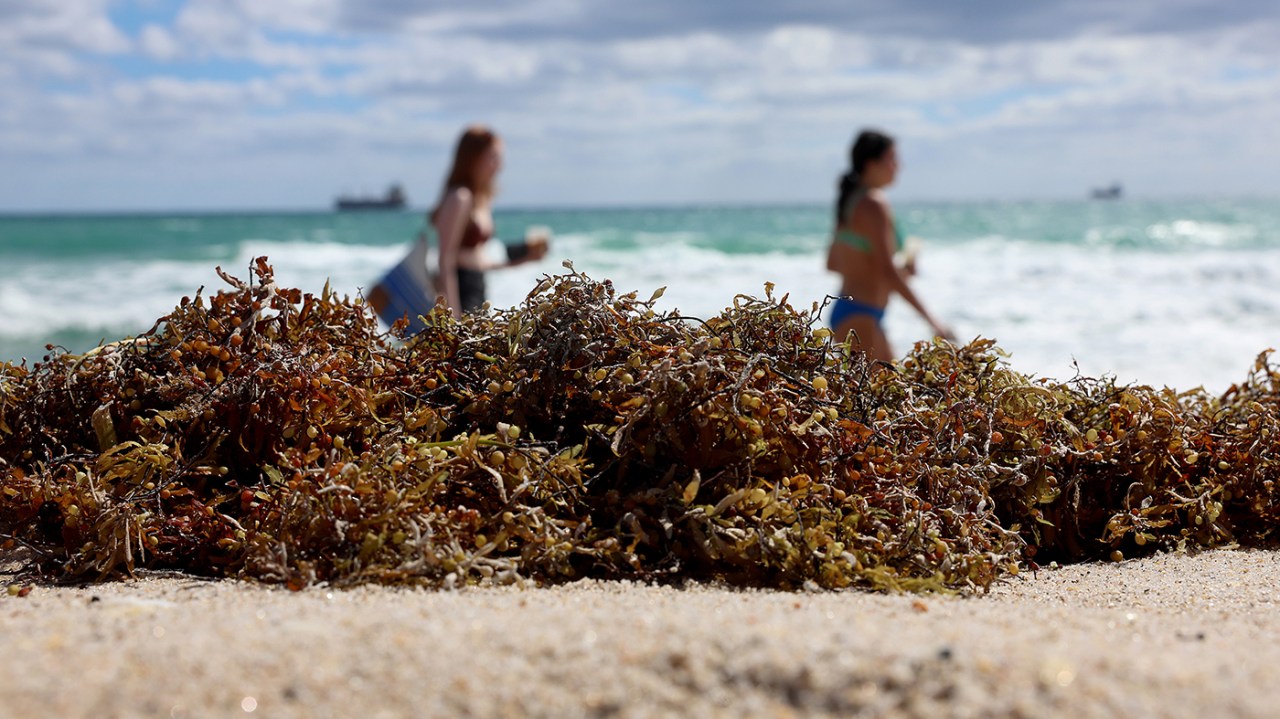
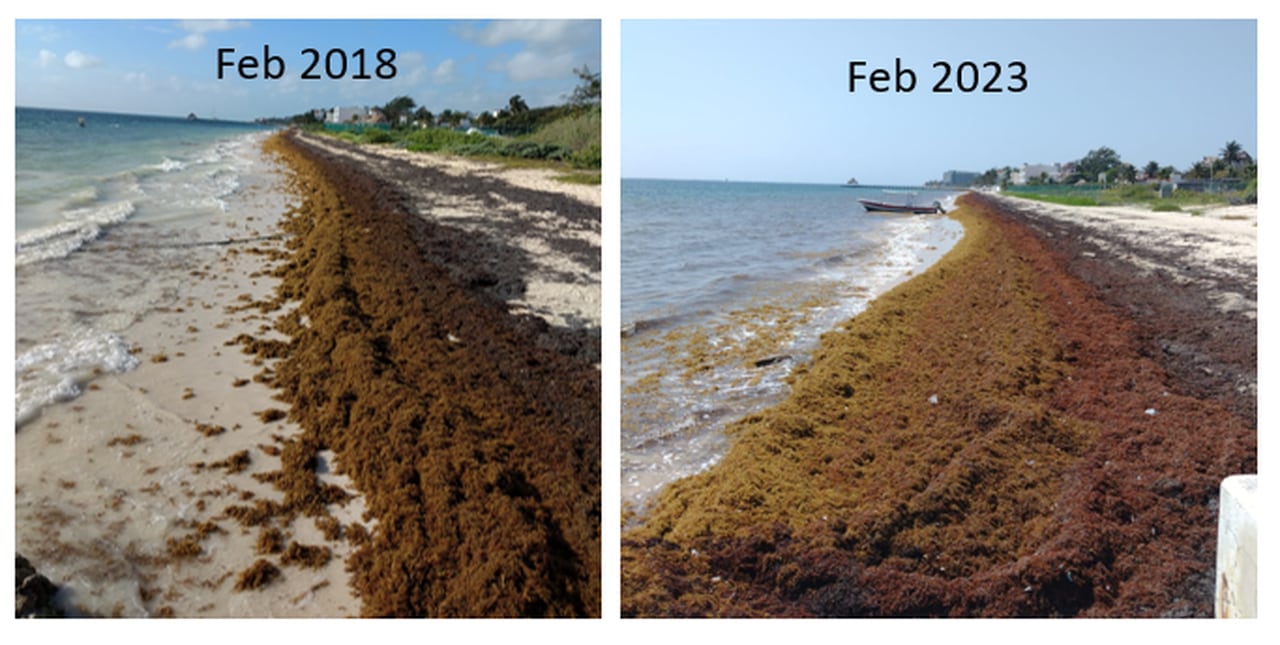
Enormous mats of rotting sargassum seaweed are expected to wash up on beaches across the Gulf Coast and Caribbean islands as businesses juggle an influx of vacationers. The seaweed bloom is caused by a belt of floating sargassum that has established itself in the mid-Atlantic over the past decade, with factors such as climate change and fertilizer runoff contributing to its growth. While the seaweed is not directly dangerous to people, it poses an ecological threat by suffocating marine life and creating dead zones. The seaweed is expected to cost the region's cities millions of dollars to dispose of.
A giant blob of brown-colored seaweed called sargassum is heading towards the US from the Sargasso Sea in the Atlantic Ocean. The seaweed can have a significant environmental impact and experts are monitoring its movement.