Tag

Sand Flies

All articles tagged with #sand flies

health2 years ago

Emerging Threat: Sand Fly-Borne Tropical Skin Disease Spreads to US

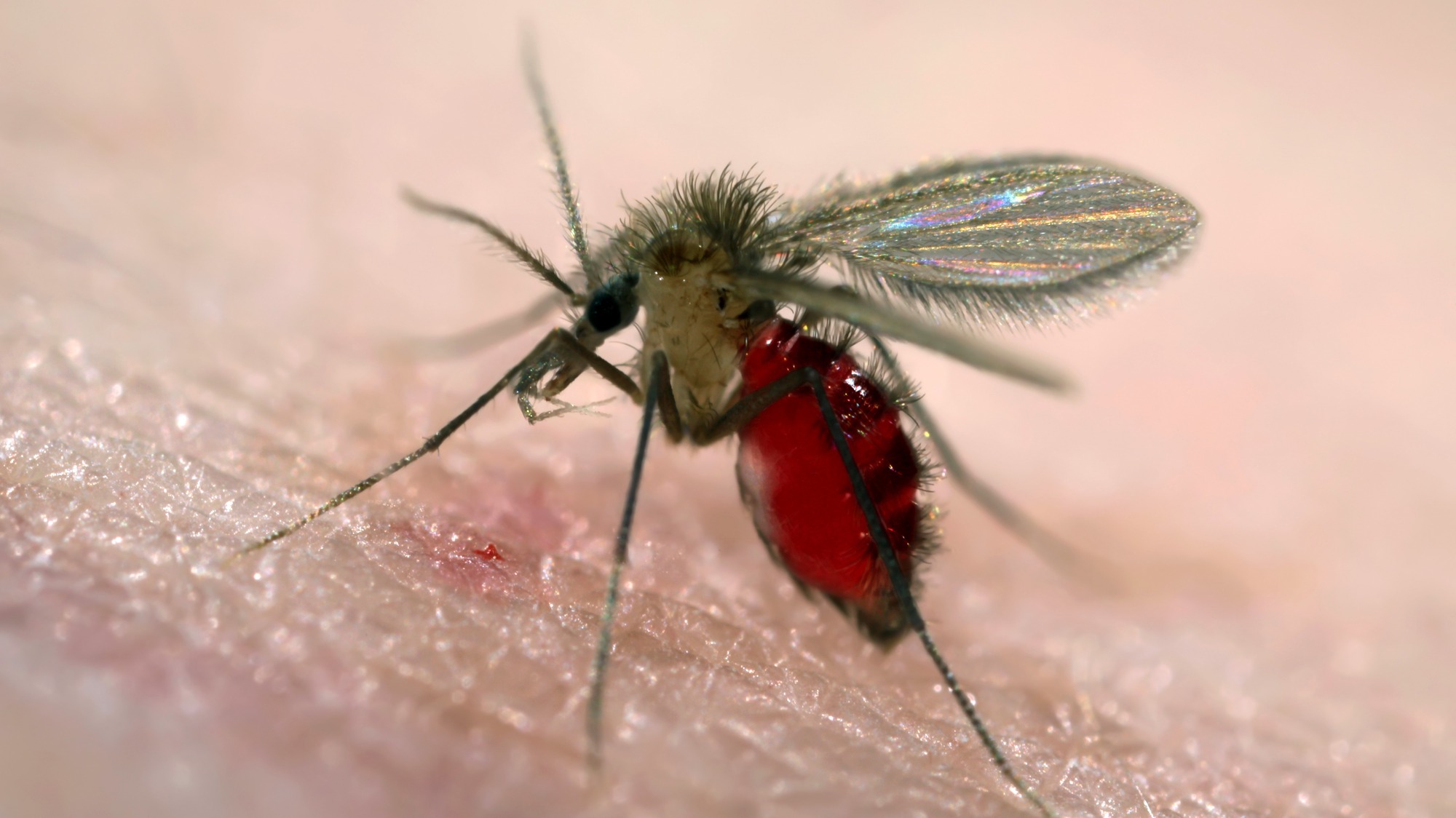
Leishmaniasis, a tropical skin disease carried by sand flies, has been detected in the United States. The disease, which can cause skin sores or affect internal organs, is typically found in tropical areas. Cases in the US have been reported in individuals who traveled to countries where leishmaniasis is native, as well as in people who did not travel outside the US. Researchers are urging doctors to be aware of the possibility of leishmaniasis cases occurring without international travel, particularly in Texas and other states. The CDC recommends taking precautions to protect against sand fly bites, such as avoiding outdoor activities during peak activity times and using insect repellent.

health2 years ago

"Rapid Spread of Tropical Disease in US via Sand Flies"

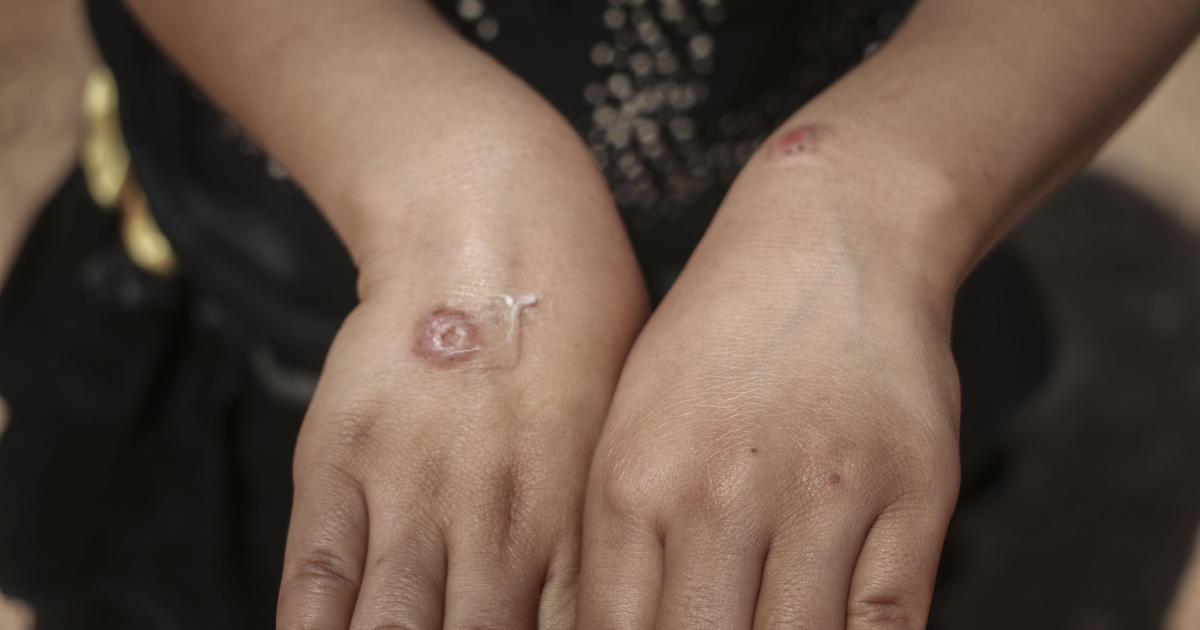
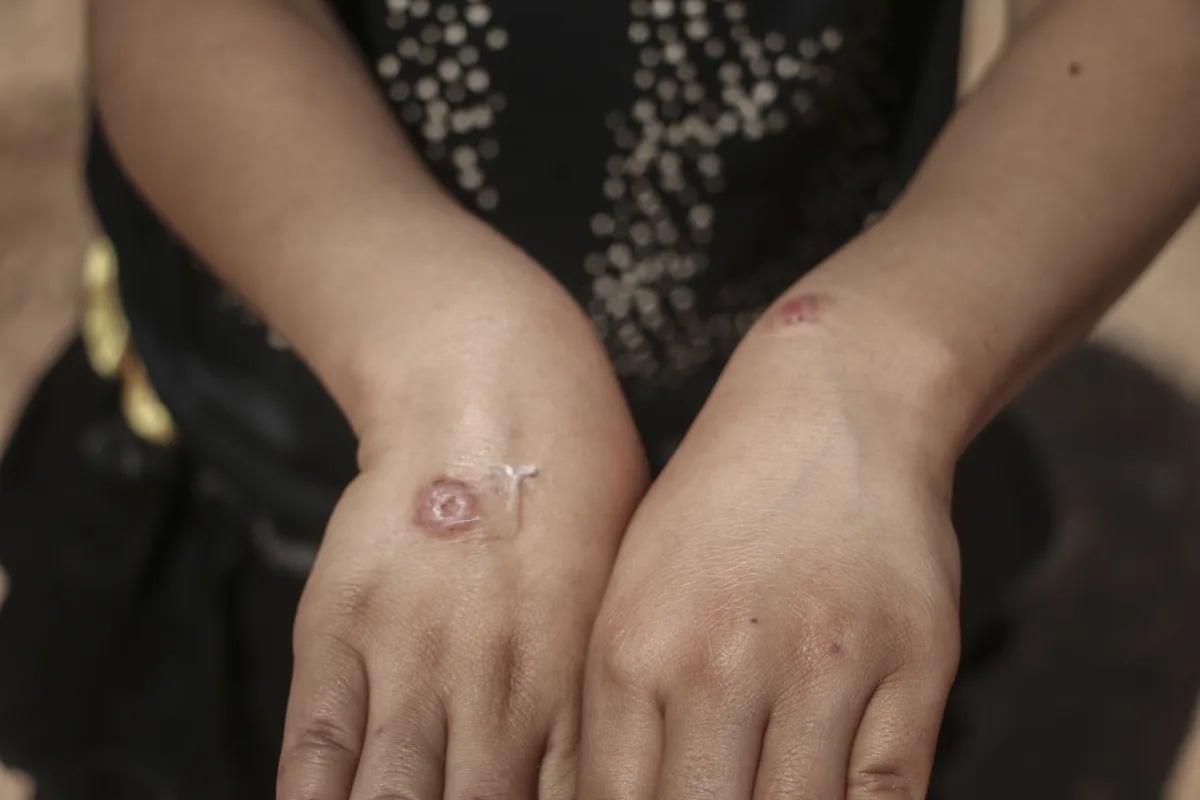
Cutaneous leishmaniasis, a tropical disease previously unseen in the United States, is spreading through the country via sand flies. The disease causes skin lesions and ulcers, which can lead to disfiguration. Cases have been identified in states like Texas and Arizona, and climate change is believed to be a contributing factor. There is currently no vaccine or specific treatment for the disease, so prevention through avoiding sandfly bites is crucial. Despite being endemic, the number of cases in the US remains relatively low.

health2 years ago

"Surge in Sand Fly-Induced Skin Disease Cases Sweeps Across the U.S."

The Centers for Disease Control and Prevention (CDC) has found that leishmaniasis, a skin disease spread by sand flies, is spreading at low levels in the southern U.S., challenging the previous belief that it could only be acquired abroad. Recent research confirms that the parasite causing leishmaniasis, known as Leishmania mexicana, has been present in the U.S. since at least 2005. The disease has been circulating in south and central Texas for decades, but its range has been expanding northward in the past 10 years. Climate models suggest that over 12 million people in the U.S. could be exposed to leishmaniasis locally, and this number could double in the next 60 years. Researchers are urging doctors and patients to be aware of the disease and for textbooks to reflect its presence in the U.S.

health2 years ago

"Tropical Disease Carried by Sand Flies Spreads to the U.S."

The Centers for Disease Control and Prevention (CDC) has confirmed that a strain of the Leishmania parasite, which causes cutaneous leishmaniasis, has likely been living in the United States for years. Previously thought to be a tropical disease, leishmaniasis is spread by sand flies and primarily affects tropical regions. However, recent research suggests that the parasite is endemic in the US, with cases reported in several states, including Texas. The CDC's findings highlight the need for increased awareness and tracking of leishmaniasis infections, especially as climate change may expand the range of sand flies and increase the risk of the disease in more areas.

health2 years ago

The Endemic Spread of Flesh-Eating Parasitic Disease in the US

A disfiguring parasitic infection caused by Leishmania mexicana, transmitted by sand flies, is now endemic in Texas and Oklahoma and is expanding its range in the U.S. While most cases are acquired through international travel, a recent report from the Centers for Disease Control and Prevention found that 86 patients had acquired the infection in the U.S. The infection causes the mildest form of the disease, affecting only the skin, and generally requires no treatment. However, there is concern about the potential spread of the more severe visceral form of leishmania, which infects organs throughout the body. The presence of the infection in the U.S. highlights the need for improved diagnosis, reporting, and surveillance to track its frequency and spread.

health2 years ago

The Rising Threat of Leishmaniasis in the US

Cutaneous leishmaniasis, a tropical disease transmitted by sand flies, is becoming a growing concern in the southern United States. Cases have been detected in individuals with no travel history, indicating local transmission. Symptoms include skin sores that can change in size and appearance over time. Diagnosis is confirmed through clinical manifestations and treatment depends on various factors. Risk factors include poverty, poor living conditions, malnutrition, population mobility, and environmental changes. Currently, there are no vaccines or drugs to prevent leishmaniasis, but preventive measures such as avoiding sandfly bites and using insect repellent are recommended, especially when traveling to endemic areas.

health2 years ago

"Tropical Parasite Spreading Skin Infections in US, Experts Warn"

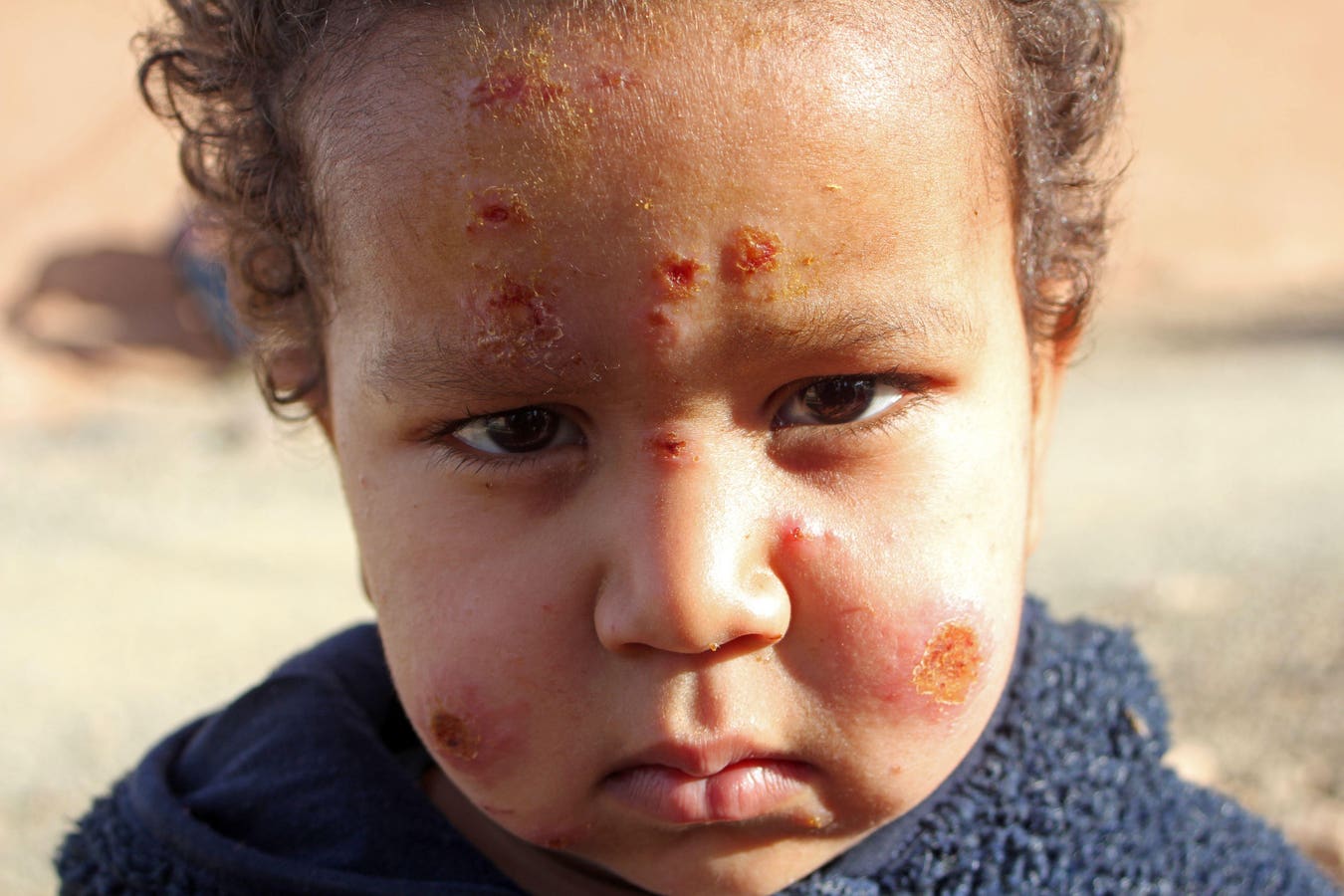
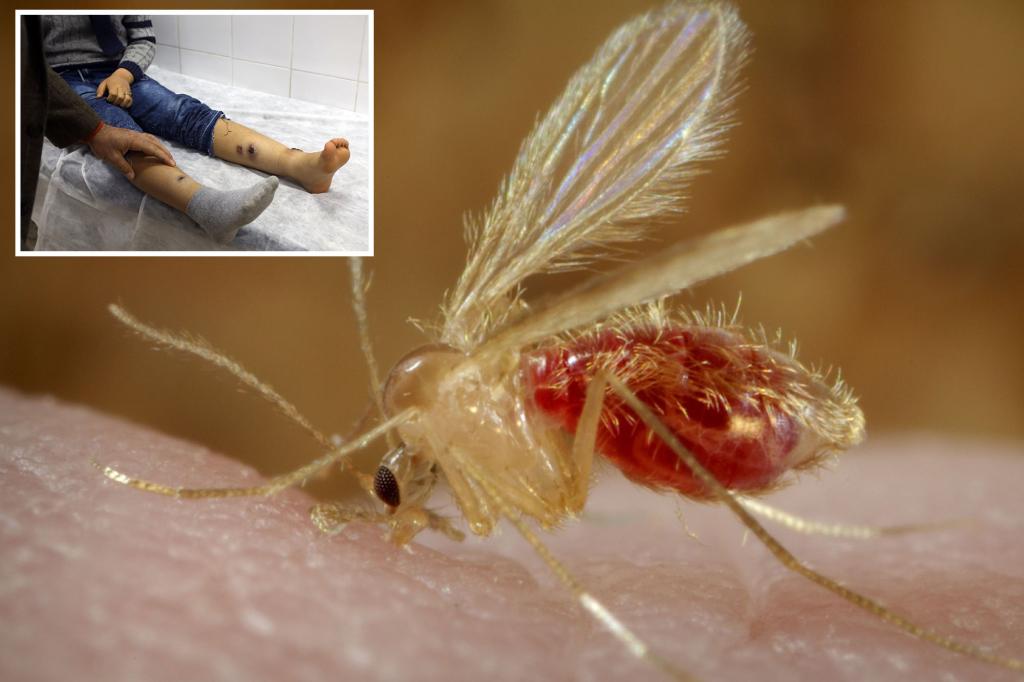
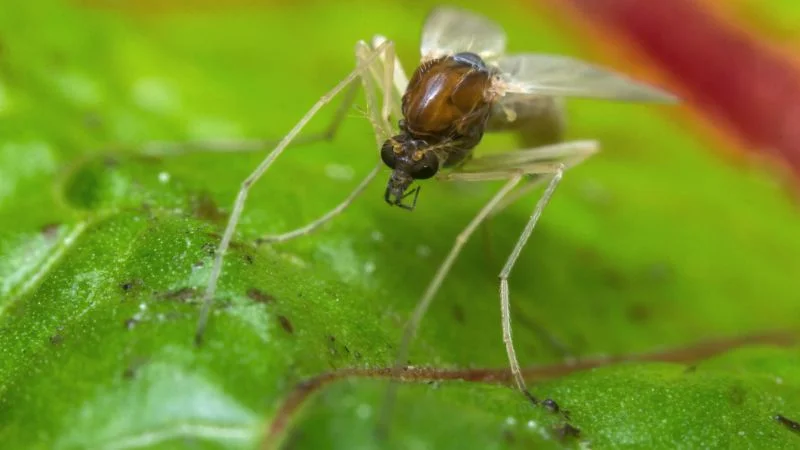
Sand flies, tiny tan flies found in warm, rural areas, are capable of transmitting a parasite called Leishmania, causing an infectious disease called leishmaniasis. The U.S. Centers for Disease Control and Prevention (CDC) has detected cases of leishmaniasis in tissue samples from patients who have not traveled outside the United States, indicating local transmission. The disease starts with a small bump that erupts into ulcerous sores, often near the site of a sand fly bite. While most cases are asymptomatic, symptomatic individuals may develop painful ulcers that can scar and disfigure. Leishmaniasis can also infect internal organs and is fatal if left untreated. Sand flies have been expanding their range due to climate change, and precautions such as using bug sprays and seeking treatment for persistent skin sores are recommended.

health2 years ago

Tropical Parasite Spreading via Sand Flies Gains Foothold in US

Leishmaniasis, a deadly tropical disease spread by sand flies, is gaining a foothold in the US, with cases now being reported in people who haven't traveled outside the country. The disease, which was once rare in the US, is now endemic and experts warn that a warming climate could further expand the territory of sand flies and increase the spread of diseases like leishmaniasis. The only reported cases of leishmaniasis in the US so far have been from Texas, but sand flies have been found as far north as New Jersey, Delaware, and Ohio. There is no human vaccine for leishmaniasis, but vaccines are available for dogs. The CDC advises people in regions with sand flies to take precautions such as avoiding outdoor activities during peak sand fly activity and using insect repellent.

health2 years ago

Tropical Parasite Spreading and Causing Skin Infections in US, CDC Reports

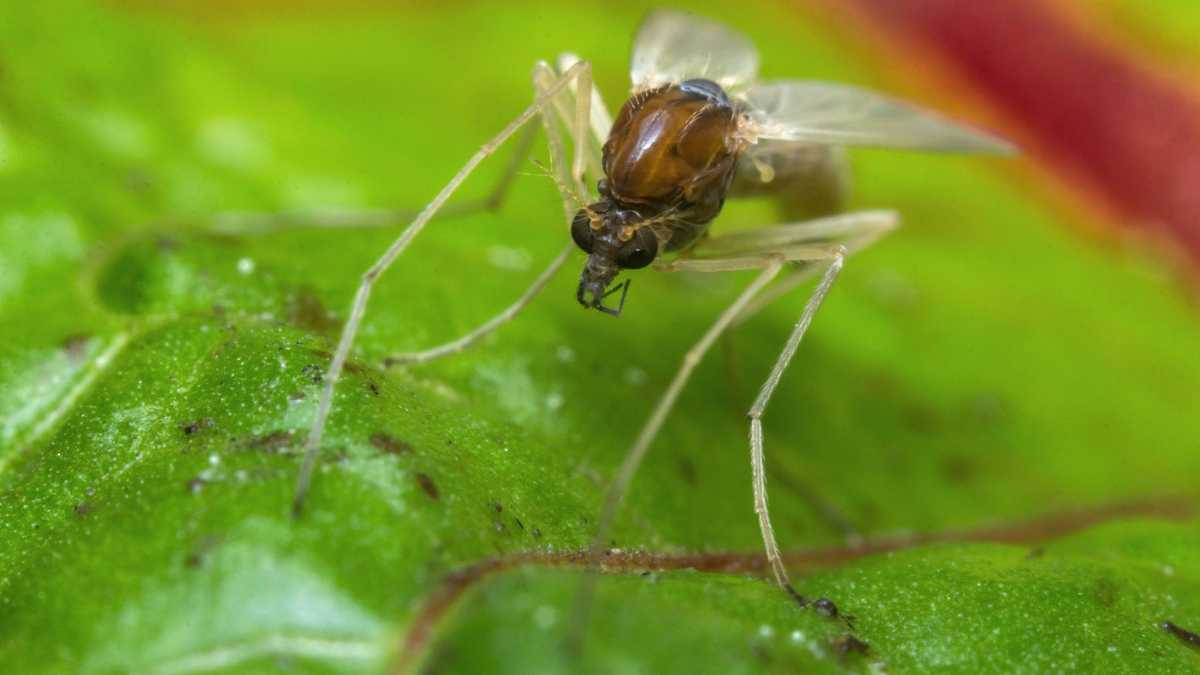
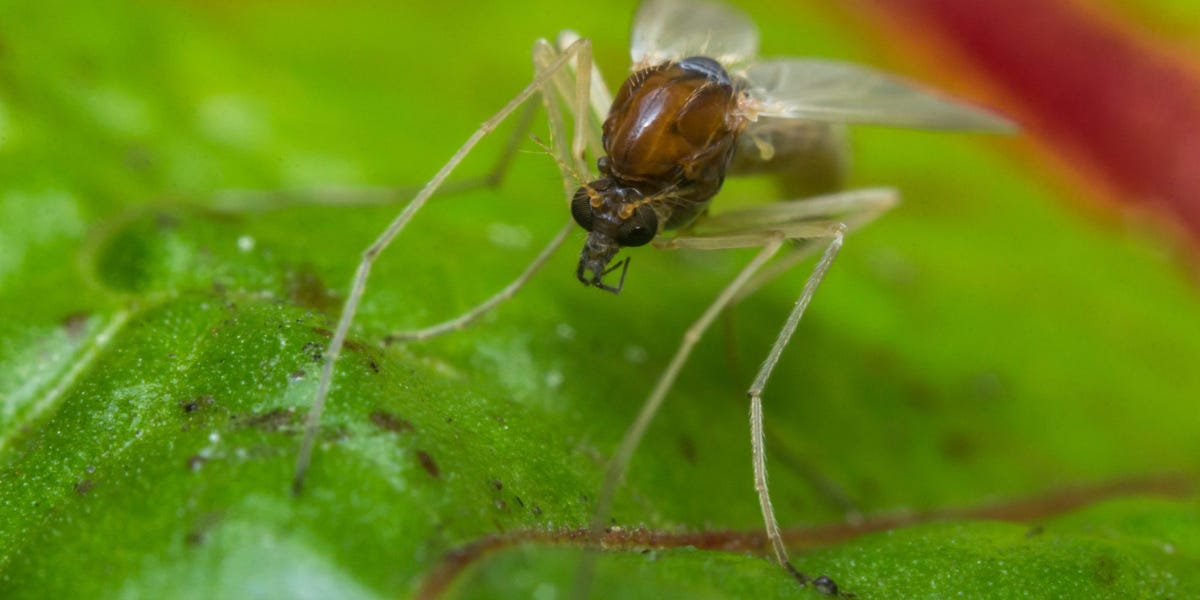
Sand flies, tiny tan flies about a quarter of the size of mosquitoes, are spreading a tropical parasite called leishmaniasis in the United States. The CDC has detected leishmaniasis in tissue samples from patients who have not traveled outside the country, indicating local transmission. The skin infections caused by leishmaniasis start with a small bump that turns into ulcerous sores. While most cases are asymptomatic, the sores can scar and be disfiguring, especially if they occur on the face. Sand flies capable of carrying the parasite have been expanding their range due to climate change, and they can now be found in several southern and southwestern states. Precautions such as using bug sprays and seeking treatment for persistent skin sores are recommended.

health2 years ago

Emerging Tropical Parasite Epidemic Hits U.S., Particularly Texas

The flesh-eating parasite known as Leishmania mexicana, once thought to be a danger primarily for travelers, is now spreading locally through sand flies native to the southern United States, according to a new analysis by the Centers for Disease Control and Prevention (CDC). The parasite causes skin sores that can lead to long-term scarring, and there is "low certainty" about the effectiveness of available treatments. The parasite appears to be endemic in Texas and some southern border states, raising concerns about its spread. Additionally, there are worries that a deadlier cousin, Leishmania infantum, could also gain a foothold in the U.S., particularly through dogs.

health2 years ago

Tropical Flesh-Eating Parasite Spreading in the U.S. via Sand Flies

The flesh-eating parasite known as Leishmania mexicana, once thought to be a danger primarily for travelers, is now spreading locally through sand flies native to the southern United States, according to a new analysis by the Centers for Disease Control and Prevention (CDC). The parasite causes skin sores that can lead to long-term scarring, and there is "low certainty" about the effectiveness of available treatments. Leishmaniasis, caused by the parasite, is now considered endemic in Texas and some southern border states. The discovery raises concerns about the spread of a deadlier cousin, Leishmania infantum, which causes a more severe form of the disease called visceral leishmaniasis.

health2 years ago

Tropical Flesh-Eating Parasite Spreads Endemically in the US, Particularly in Texas

The flesh-eating parasite known as Leishmania mexicana, once thought to be a danger primarily for travelers, is now spreading locally through sand flies in the southern United States, according to a new analysis by the Centers for Disease Control and Prevention (CDC). The parasite causes skin sores that can lead to long-term scarring, and there is "low certainty" about the effectiveness of available treatments. The parasite appears to be endemic in Texas and some southern border states, raising concerns about its spread. Additionally, there are worries that a deadlier cousin, Leishmania infantum, could also gain a foothold in the U.S., particularly through dogs.